
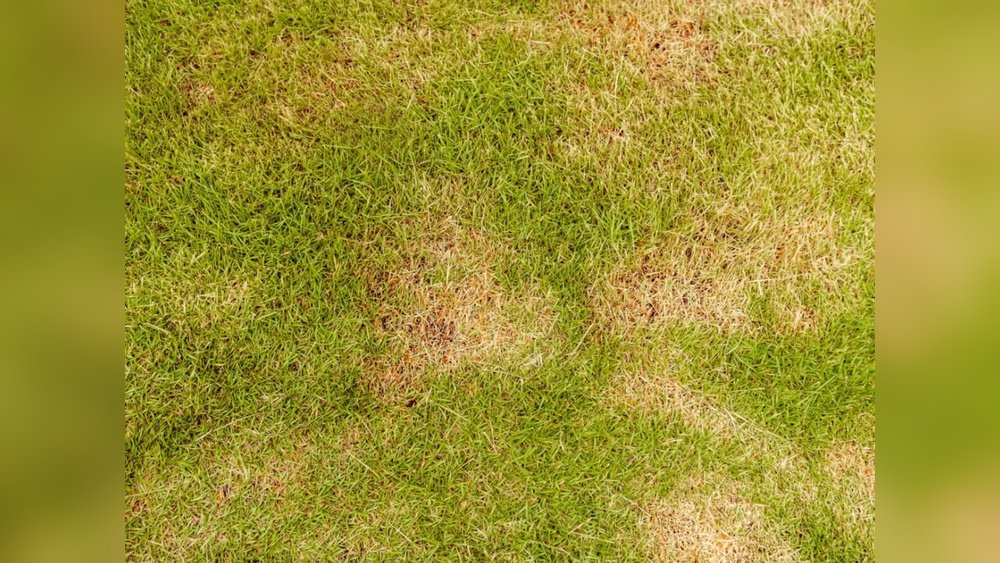
Is your once-lush Zoysia grass turning brown and patchy? You’re not alone.
Watching your beautiful lawn struggle can be frustrating and confusing. But don’t give up just yet. Understanding why your Zoysia grass is dying is the first step to bringing it back to life. You’ll discover the common causes behind your lawn’s decline and simple, effective solutions you can start using today.
Keep reading—your lawn’s comeback begins here.
Common Reasons Zoysia Grass Fades
Zoysia grass can lose its lush green color for several reasons. Understanding these common causes helps in saving your lawn. Each factor affects the grass’s health differently. Identifying the problem early leads to better recovery.
Inadequate Watering
Zoysia grass needs regular water to stay healthy. Too little water makes it dry and brown. Too much water can drown the roots. Water deeply but less often to keep the grass strong.
Soil Nutrient Deficiency
Healthy soil provides essential nutrients for Zoysia grass. Lack of nitrogen, potassium, or phosphorus weakens the grass. A simple soil test shows which nutrients are missing. Use the right fertilizer to restore soil health.
Pest Infestation
Insects like chinch bugs and grubs attack Zoysia grass. They feed on roots and blades, causing patches to die. Watch for signs of pests such as wilting or discoloration. Treat pests promptly to protect your lawn.
Fungal Diseases
Fungi thrive in wet, warm conditions and damage Zoysia grass. Brown patches, spots, or mold appear on the grass blades. Proper watering and good air circulation help prevent fungi. Fungicides may be needed for serious infections.
Excessive Shade
Zoysia grass prefers full sun but tolerates some shade. Too much shade slows growth and thins the grass. Trees or buildings can block sunlight. Trim nearby branches or consider alternative ground covers in shaded areas.
Improper Mowing Practices
Mowing too short stresses Zoysia grass and exposes roots. Mowing with dull blades tears the grass, inviting disease. Keep mower blades sharp and cut at the right height. Regular, proper mowing keeps the lawn healthy and thick.
Watering Tips For Healthy Growth
Water is essential for Zoysia grass to stay green and strong. Too much or too little water can harm the grass. Knowing how much and how often to water helps the grass grow healthy. This section gives clear tips for watering Zoysia grass properly.
Optimal Frequency And Amount
Zoysia grass needs about 1 inch of water each week. Water deeply but less often. Deep watering encourages roots to grow strong and deep. Watering twice a week works well in most climates. Early morning is the best time to water. This reduces evaporation and helps the grass absorb water better.
Signs Of Overwatering And Underwatering
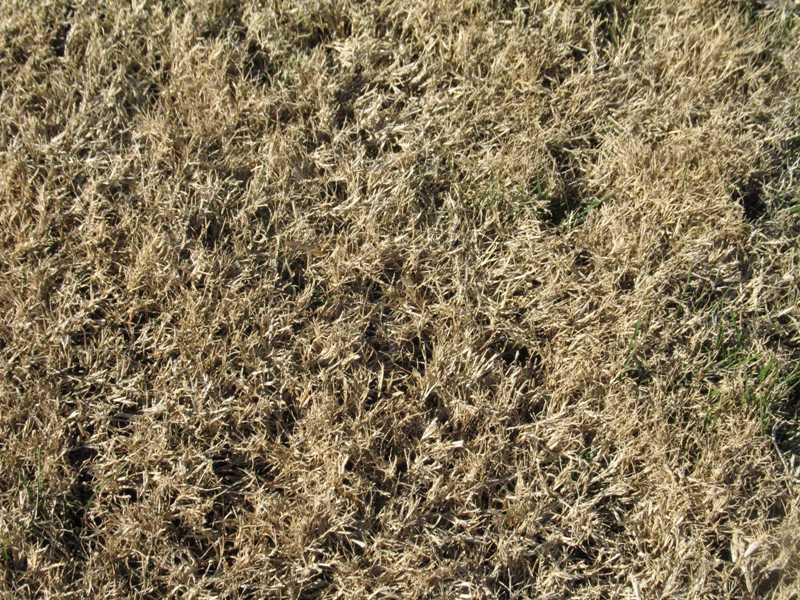
Yellow grass blades and soft soil show overwatering. Too much water can cause root rot and disease. On the other hand, dry, brown patches mean underwatering. The grass looks thin and weak. Soil that cracks or feels hard is also a sign of little water. Watch your lawn carefully to spot these signs early.
Nutrient Management Strategies
Managing nutrients is key to saving dying Zoysia grass. Proper nutrient care helps grass grow thick and healthy. It also reduces stress from pests, diseases, and weather. Following clear nutrient strategies keeps your lawn green and strong all year.
Fertilizer Types And Timing
Choose fertilizers that match Zoysia grass needs. Use balanced fertilizers with nitrogen, phosphorus, and potassium. Nitrogen boosts green color and growth. Phosphorus helps roots develop. Potassium strengthens the grass against stress.
Apply fertilizer during active growth periods. Early spring and late summer are best times. Avoid fertilizing during extreme heat or drought. Over-fertilizing can harm your grass. Always follow package instructions for amounts.
Soil Testing Benefits
Soil testing shows what nutrients your lawn needs. It identifies nutrient shortages or excesses. Testing helps avoid guesswork and wasted fertilizer. You get exact recommendations for fertilizing.
Test soil every 2 to 3 years. Send samples to a local extension office or lab. Use results to adjust fertilizer type and amount. Healthy soil means healthy grass that recovers faster.
Pest Control Solutions
Pests can cause serious damage to Zoysia grass. They eat the roots and leaves, making the grass thin and brown. Controlling these pests helps keep your lawn healthy and green. Use the right methods to protect your grass from further harm.
Identifying Common Pests
Look for signs like brown patches and thinning grass. Grubs eat roots and cause wilting. Chinch bugs suck plant juices, leaving yellow spots. Armyworms chew on blades, causing ragged edges. Early detection stops damage from spreading. Check your lawn regularly for these pests.
Organic And Chemical Treatments
Organic options include neem oil and insecticidal soap. These are safe for pets and the environment. Chemical treatments work faster but use carefully. Follow label instructions to avoid harming grass or people. Rotate treatments to prevent pest resistance. Combining methods often gives the best results.
Fungus Prevention And Treatment
Fungus can harm Zoysia grass quickly. Stopping fungus early helps keep your lawn green and healthy. You need to know how to spot fungus signs and treat them fast. Using the right methods can save your grass from damage.
Recognizing Fungal Symptoms
Look for small, brown patches on the grass. These patches may grow and join together. Grass blades might look thin or have spots. You may see white or gray mold on the grass. Fungus makes the grass feel weak and dry. Early signs help you act before the problem spreads.
Effective Fungicide Use
Choose a fungicide made for Zoysia grass. Follow the label directions carefully. Apply fungicide when the grass is dry. Water the lawn lightly after treatment if the label says so. Repeat the treatment as needed to control fungus. Avoid using too much fungicide to protect your lawn and the environment.
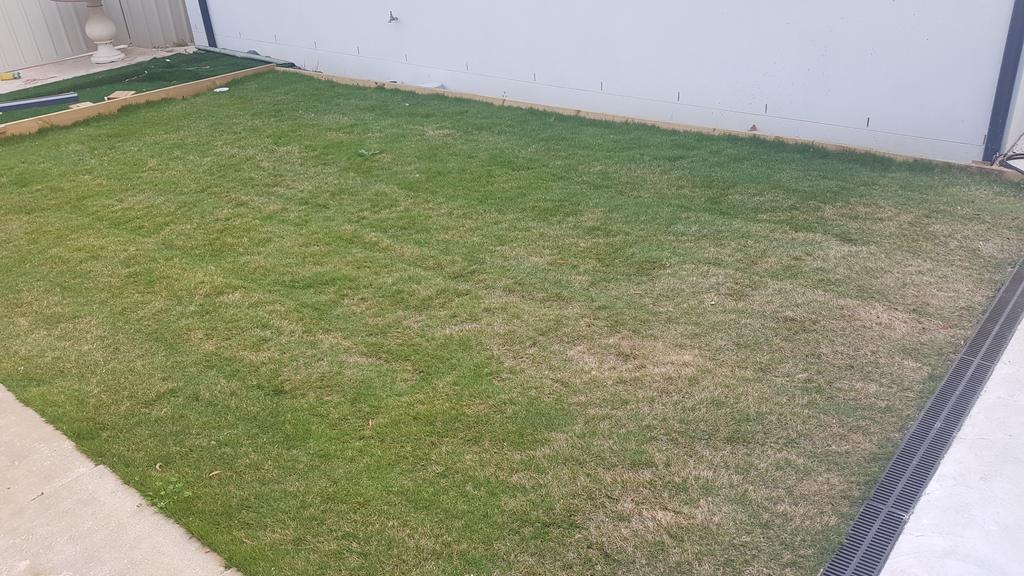
Credit: www.thelawnforum.com
Maximizing Sunlight Exposure
Zoysia grass needs plenty of sunlight to stay healthy and green. Lack of light causes the grass to weaken and die. Maximizing sunlight exposure helps zoysia grass grow thick and strong.
Sunlight supports photosynthesis, which fuels grass growth. Shadows from trees and shrubs block sunlight. Adjusting your landscape can improve light for your lawn.
Trimming Trees And Shrubs
Cut back branches that block sunlight from reaching the grass. Thin out dense shrubs near your lawn edges. This opens space for more light to pass through.
Remove dead or low-hanging branches that shade the grass. Keep tree canopies high and spread out. Regular trimming keeps sunlight reaching the zoysia grass.
Grass Varieties For Shady Areas
Some grass types handle shade better than zoysia. Consider mixing shade-tolerant grasses in low-light spots. Fine fescues and certain ryegrasses are good choices.
Using shade-friendly grass reduces bare patches under trees. It also keeps your lawn looking green where sunlight is limited. Match grass types to your yard’s light conditions for best results.
Mowing Guidelines For Zoysia
Mowing is a key task for keeping Zoysia grass healthy. It affects how well the grass grows and its ability to resist diseases. Following proper mowing guidelines helps your lawn stay green and thick. Knowing the right cutting height and mower care makes a big difference.
Ideal Cutting Height
Cut Zoysia grass to a height between 1 and 2 inches. This height lets the grass blades grow strong and hold moisture better. Cutting too short stresses the grass and causes brown patches. Mow often enough to remove only one-third of the grass blade each time. This practice keeps the grass healthy and reduces damage.
Proper Mower Maintenance
Keep mower blades sharp for clean cuts. Dull blades tear grass, making it weak and prone to disease. Check mower blades regularly and sharpen or replace them as needed. Clean the mower deck after each use to prevent grass buildup. A well-maintained mower helps your Zoysia grass stay vibrant and lush.

Credit: www.zoysiaplug.com
Credit: www.missouribotanicalgarden.org
Frequently Asked Questions
Why Is My Zoysia Grass Dying Suddenly?
Zoysia grass may die due to overwatering, drought stress, pests, or fungal infections. Check soil moisture, inspect for bugs, and ensure proper lawn care to revive your grass.
How Can I Prevent Zoysia Grass From Dying?
Maintain consistent watering, avoid over-fertilizing, mow at the right height, and treat pests early. Proper lawn care keeps Zoysia healthy and resilient.
What Pests Cause Zoysia Grass To Die?
Common pests include armyworms, chinch bugs, and sod webworms. These insects damage grass blades and roots, leading to thinning or dead patches.
Can Poor Soil Quality Kill Zoysia Grass?
Yes, compacted or nutrient-poor soil hinders root growth and water absorption. Aerate soil and add organic matter to improve grass health.
Conclusion
Zoysia grass needs care to stay healthy and green. Watch for signs of stress early. Water it properly and mow at the right height. Remove weeds that compete for nutrients and space. Use fertilizer to give the grass what it needs.
Keep soil healthy and well-drained. Small steps make a big difference over time. A strong lawn fights off disease and damage. Stay patient and consistent with your lawn care. Your Zoysia grass can bounce back with good attention.
