
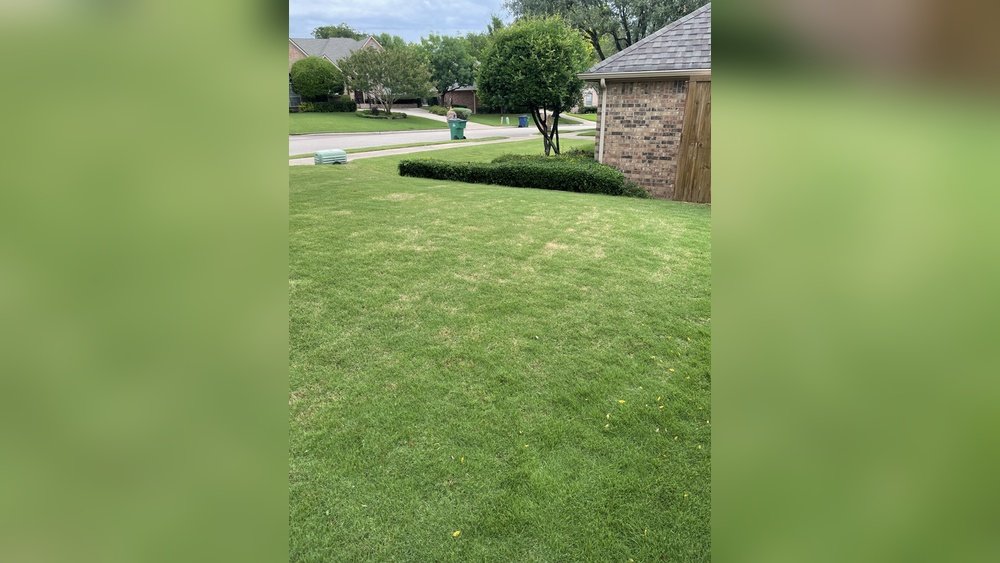
Are you noticing patches in your Zoysia grass where it looks thin and weak? It’s frustrating when your lush, green lawn starts to lose its fullness.
You might be wondering, “Why is my Zoysia grass thinning? ” Understanding the reasons behind this can help you bring back that vibrant, healthy lawn you love. You’ll discover the common causes of thinning Zoysia grass and simple steps you can take to fix the problem.
Keep reading—your lawn’s best days are ahead!
Credit: www.missouribotanicalgarden.org
Common Causes Of Thinning
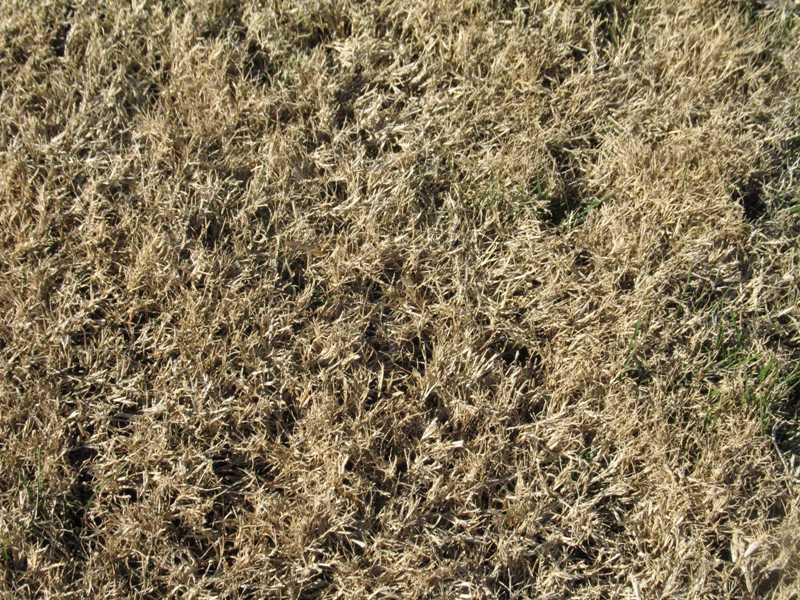
Zoysia grass thinning can happen for many reasons. Understanding these causes helps you fix the problem faster. Healthy grass needs good soil, water, sunlight, and care. Problems in any of these areas can make your Zoysia thin and weak.
Below are the common causes of thinning. Each one affects your lawn’s health in different ways.
Soil Compaction
Soil compaction happens when the ground becomes hard. Grass roots cannot grow deep in compacted soil. This limits water and nutrients. Heavy foot traffic or machinery often causes soil compaction. Loosening the soil can help your grass grow better.
Poor Drainage
Poor drainage means water stays too long on the soil. Waterlogged soil stops roots from getting air. This weakens the grass and causes thinning. Check if water pools after rain. Fix drainage problems to keep grass healthy.
Inadequate Sunlight
Zoysia grass needs plenty of sunlight to thrive. Shade from trees or buildings blocks light. Without enough sun, grass grows thin and weak. Trim trees or remove obstacles to increase sunlight.
Nutrient Deficiencies
Grass needs nutrients like nitrogen, phosphorus, and potassium. Lack of these nutrients causes poor growth. Yellowing leaves and thin patches are signs. Use a balanced fertilizer to provide essential nutrients.
Pests And Diseases
Insects and diseases damage grass blades and roots. This leads to thinning and bare spots. Look for signs like discoloration or holes in leaves. Treat pests and diseases quickly to save your lawn.
Improper Mowing
Mowing too short or too often stresses the grass. It cannot recover well and starts to thin. Use the right mower height and avoid cutting more than one-third of the blade. Proper mowing promotes thick, healthy growth.
Drought Stress
Lack of water causes drought stress in Zoysia grass. Dry soil stops root growth and weakens the grass. Water deeply but less often to keep roots strong. Regular watering helps prevent thinning during dry spells.
Soil And Water Solutions
Soil and water are key for healthy Zoysia grass. Poor soil or wrong watering can make your grass thin. Fixing soil and water issues helps grass grow thick and green. Simple steps can bring life back to your lawn.
Aerating The Lawn
Soil can get hard and block air and water. Aerating makes small holes in the soil. This lets air, water, and nutrients reach grass roots. Use a lawn aerator tool or hire a pro. Aerate in spring or fall for best results.
Improving Drainage
Water that stays on soil too long harms roots. Good drainage stops water from pooling on the lawn. Check for low spots and fill them with soil. Add sand or organic matter to heavy soil. These steps help water flow away from grass roots.
Watering Best Practices
Water your Zoysia grass deeply but not too often. Deep watering helps roots grow strong and deep. Water early in the morning to reduce evaporation. Avoid watering late at night to stop disease. Adjust watering based on weather and soil moisture.
Sunlight And Shade Management
Zoysia grass needs the right balance of sunlight and shade to grow thick and healthy. Too little sun can cause thinning, while too much can dry it out. Managing sunlight and shade helps keep your lawn lush and green. Understanding how light affects your grass is key to fixing thinning spots.
Trimming Overhanging Trees
Overhanging tree branches block sunlight from reaching your Zoysia grass. This lack of light slows grass growth and causes thin patches. Regularly trim branches to allow more sunlight to hit the lawn. Clear branches also improve air flow, which helps grass stay healthy.
Use sharp pruning tools to cut back thick branches carefully. Remove dead or low-hanging limbs that shade your grass the most. Trim trees during the growing season for the best results. This simple step often improves sunlight and helps grass grow thicker.
Choosing The Right Location
Zoysia grass grows best in areas with full sun or partial shade. Planting it in deep shade causes slow growth and thin spots. Choose a lawn area that gets at least 4 to 6 hours of sunlight daily. Avoid spots under dense trees or near tall buildings.
Observe your yard’s sunlight pattern throughout the day. This helps you find the best location for planting or overseeding Zoysia grass. Picking the right spot ensures the grass receives enough light to stay thick and strong. Proper location saves time and effort in lawn care.
Nutrient And Fertilizer Tips
Nutrient and fertilizer management is key to healthy Zoysia grass. Thin patches often result from poor nutrition or wrong feeding schedules. Proper care helps grass grow thick, green, and strong.
Soil Testing
Start with soil testing to check nutrient levels and pH balance. This test shows which nutrients your soil lacks. A balanced pH between 6.0 and 7.0 helps Zoysia absorb nutrients well. Testing saves money by avoiding unnecessary fertilizers. Follow local extension services for affordable soil tests. Adjust your fertilizer plan based on the test results.
Fertilizer Types And Timing
Use fertilizers that provide nitrogen, phosphorus, and potassium. Nitrogen promotes green growth. Phosphorus supports root development. Potassium improves stress resistance. Choose slow-release fertilizers to feed grass steadily. Apply fertilizer in spring and early summer for best results. Avoid fertilizing late in fall to prevent damage. Water lawn after fertilizing to help nutrients soak in.
Controlling Pests And Diseases
Zoysia grass can thin out due to pests and diseases. These problems damage the grass blades and roots. This weakens the lawn and causes bare spots. Controlling pests and diseases helps keep your lawn thick and healthy. Early action can stop damage and save your grass.
Identifying Common Pests
Look for signs like small holes or brown patches. Grubs feed on roots, causing grass to loosen. Chinch bugs suck sap and leave yellow spots. Armyworms chew on leaves and stems. Watch for insects crawling on the grass or soil. Knowing the pest helps choose the right treatment.
Treatment Options
Use insecticides safe for Zoysia grass. Apply products according to label instructions. Natural treatments like neem oil can reduce pests. Remove heavily infested grass patches to stop spread. Treat early to avoid large damage areas. Sometimes, watering deeply helps flush out pests.
Preventive Measures
Keep your lawn healthy with proper mowing and watering. Avoid over-fertilizing, which attracts pests. Aerate soil to improve root growth and reduce pest habitat. Clean tools and equipment to prevent disease spread. Inspect your lawn regularly for early signs of pests. Healthy grass resists pests and recovers faster.
Mowing Techniques For Healthier Grass
Proper mowing helps keep Zoysia grass thick and green. Cutting grass the right way supports strong roots and stops thinning. Mowing affects how grass grows and recovers from stress. Follow simple mowing tips to improve your lawn’s health and look.
Optimal Mowing Height
Set your mower to cut Zoysia grass at 1 to 2 inches tall. Cutting too short hurts the grass and exposes soil. Taller grass shades roots and holds moisture better. This helps grass stay healthy during hot and dry days. Keep the blades sharp for clean cuts that heal fast.
Frequency And Equipment
Mow often enough to remove only one-third of the grass blade at a time. Cutting too much slows growth and weakens grass. Usually, mowing once a week works well in growing seasons. Use a well-maintained mower with sharp blades. Dull blades tear grass, causing stress and disease risks. Adjust your mowing schedule based on weather and growth speed.
Reviving Thinning Zoysia
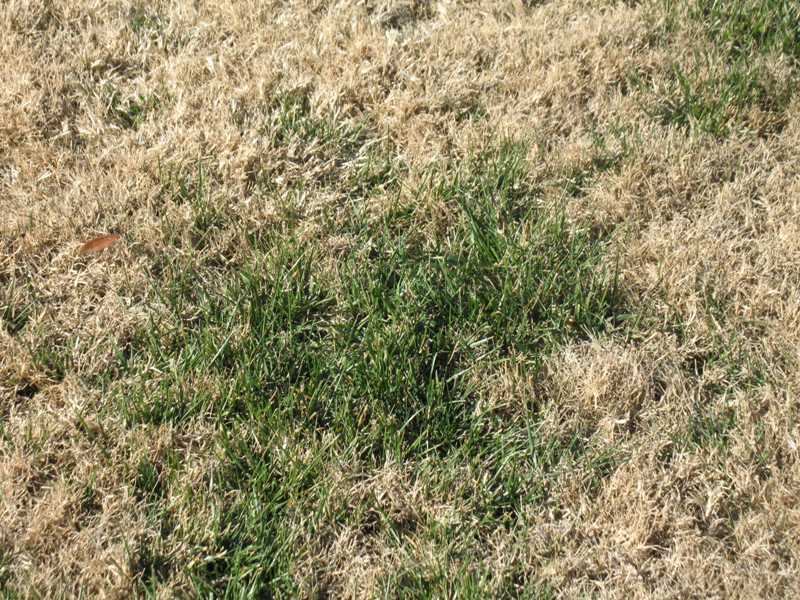
Thinning Zoysia grass can make your lawn look patchy and dull. Reviving it takes care and the right steps. You can bring back thick, green grass with simple actions. Healthy grass means a healthy lawn. Start by understanding what your Zoysia needs to grow strong again.
Overseeding Strategies
Overseeding adds new grass seeds to bare or thin spots. This helps fill in gaps and makes the lawn denser. Choose Zoysia seeds to match your existing grass type. Spread seeds evenly for better coverage. Lightly rake the soil to help seeds settle in. Water the area gently but often to keep seeds moist. Avoid heavy foot traffic on new seeds. Overseeding in late spring or early summer works best.
Topdressing And Soil Amendments
Topdressing means spreading a thin layer of soil or compost over the lawn. This improves soil quality and helps grass roots grow. Use a mix of sand and organic matter for best results. Topdressing smooths the lawn surface and boosts nutrient levels. Soil amendments add missing nutrients to the soil. Test your soil first to know what it needs. Adding lime or sulfur can fix pH imbalances. Healthy soil supports thick, green Zoysia grass growth.

Credit: trysodpods.com
Credit: www.missouribotanicalgarden.org
Frequently Asked Questions
Why Is My Zoysia Grass Thinning Out Quickly?
Zoysia grass thins due to poor soil, drought, pests, or disease. Lack of nutrients and improper mowing also weaken its growth.
How Does Drought Affect Zoysia Grass Thickness?
Drought stresses Zoysia, causing leaves to brown and thin. Regular watering helps maintain its lush, dense appearance during dry periods.
Can Pests Cause Zoysia Grass To Thin?
Yes, pests like grubs and chinch bugs damage roots and blades. Early pest control prevents thinning and restores healthy growth.
Does Improper Mowing Lead To Thinning Zoysia Grass?
Mowing too short weakens Zoysia, reducing thickness. Maintain a height of 1 to 2 inches for optimal density and health.
Conclusion
Thinning Zoysia grass can happen for many reasons. Poor soil, lack of water, or pests may cause it. Regular care helps your lawn grow thick and green. Test your soil and water deeply but not too often. Remove weeds and check for bugs.
Healthy grass needs good sunlight and air too. Small steps make a big difference over time. Keep watching your lawn and act quickly. A strong lawn will look beautiful and last long.
