
Are you looking for a grass that stays green longer, feels soft under your feet, and handles heat and drought better than most? Zoysia grass might be exactly what your lawn needs.
But what is Zoysia grass, and why is it gaining so much attention from homeowners and landscapers alike? You’ll discover the unique qualities of Zoysia grass, how it can transform your yard, and what makes it stand out from other types of turf.
Keep reading to find out if Zoysia grass is the perfect fit for your outdoor space.
Zoysia Grass Basics
Zoysia grass is a popular choice for lawns and gardens. It grows slowly but creates a dense, green carpet. This grass adapts well to many climates. It handles heat and drought better than many other grasses. Understanding the basics helps in choosing and caring for it.
Here are the key points about Zoysia grass. Learn about its origins, types, look, and feel. This knowledge will help you decide if it fits your yard.
Origins And Types
Zoysia grass comes from Asia, especially Japan, China, and Korea. It has grown there for centuries. There are several types of Zoysia. Each type has different traits for size, color, and growth speed. Common types include Zoysia japonica, Zoysia matrella, and Zoysia tenuifolia. Each type suits different soil and weather conditions.
Appearance And Texture
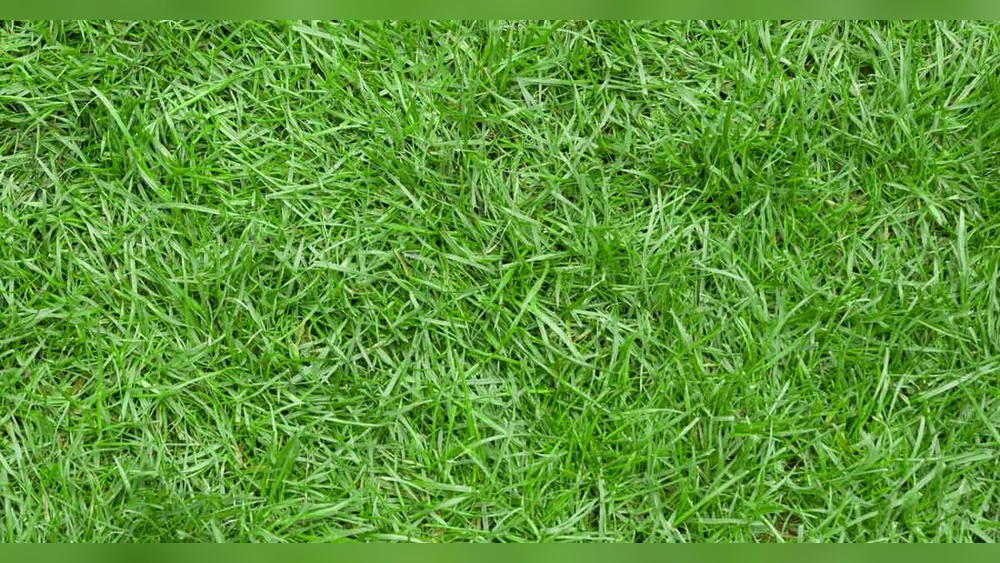
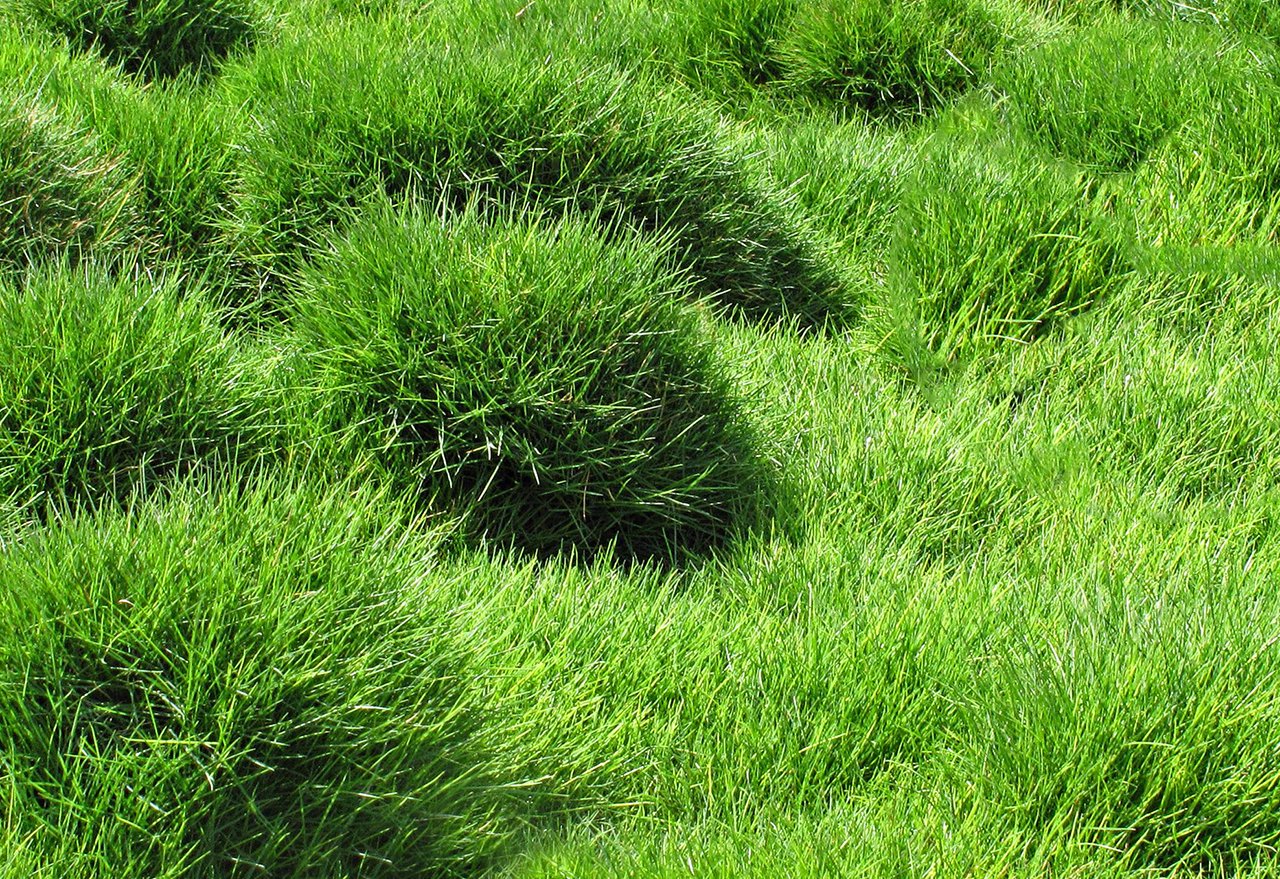
Zoysia grass has a thick, lush look. Its blades are narrow and soft. The grass feels smooth underfoot. It forms a tight, even surface that resists weeds. The color ranges from light to dark green. This grass keeps its green color longer in the cool season than many others.

Credit: www.willislawnservices.com
Benefits Of Zoysia Grass
Zoysia grass offers many benefits for homeowners and landscapers. It creates a thick, green lawn that stays healthy in various conditions. This grass is a smart choice for yards that need durability and beauty without much effort. Its unique qualities help save water, resist pests, and cut down on lawn care tasks.
Drought Tolerance
Zoysia grass survives well during dry spells. It grows deep roots that reach water far underground. This ability helps it stay green longer without frequent watering. Lawns with Zoysia need less water, saving money and resources. Perfect for areas with less rain or water limits.
Pest And Disease Resistance
Zoysia grass fights off many common lawn pests and diseases. Its thick blades stop insects and weeds from spreading fast. This reduces the need for chemical treatments. Healthy Zoysia lawns stay green and strong through different seasons. Less pest damage means less lawn repair and care.
Low Maintenance Needs
Zoysia grass requires little work to stay attractive. It grows slowly, so it needs less mowing than other grasses. Fertilizer use can be minimal, which lowers maintenance costs. Its dense growth also prevents weeds from taking over. Easy to care for, it fits well with busy lifestyles.
Planting Zoysia Grass
Planting Zoysia grass can create a lush, green lawn that lasts through many seasons. This grass type grows slowly but forms a thick, dense turf that resists weeds and tolerates heat well. Preparing for planting takes effort but leads to a healthy lawn that requires less water and mowing.
Start with the right variety and prepare the soil carefully. Choose a planting method that suits your space and budget. These steps help Zoysia grass grow strong and beautiful.
Choosing The Right Variety
Pick a Zoysia variety that fits your climate and soil. Some types grow better in cooler areas, while others thrive in heat. Consider how much sun your lawn gets daily. Some varieties tolerate shade better than others. Check local nurseries for popular options. Choose one that matches your lawn’s conditions.
Soil Preparation
Good soil helps Zoysia grass root deeply and spread evenly. Clear the area of old grass, weeds, and debris. Loosen the soil to about 4 to 6 inches deep. Add organic matter like compost to improve soil texture. Test soil pH and adjust to between 6 and 7 for best growth. Level the soil to avoid puddles and uneven spots. Water the soil lightly before planting.
Planting Methods
Zoysia grass can be planted by seed, plugs, or sod. Seeds take longer but cover large areas cheaply. Plugs are small grass pieces that grow fast and fill gaps well. Sod gives instant lawn but costs more. Spread seeds evenly or space plugs about 6 to 12 inches apart. Lay sod pieces tightly to avoid gaps. Water immediately after planting to help roots settle. Keep soil moist until grass grows strong.
Caring For Zoysia Lawns
Caring for Zoysia lawns requires attention to a few key areas. Proper care helps the grass stay thick and green. It also reduces weeds and diseases. Understanding watering, mowing, and fertilizing is important for healthy growth.
Watering Tips
Zoysia grass needs about one inch of water weekly. Water deeply but less often. This encourages strong roots. Early morning is the best time to water. Avoid watering late in the day. It can cause fungus and disease.
Mowing Practices
Keep your mower blades sharp for clean cuts. Cut Zoysia grass to about 1 to 2 inches tall. Do not cut more than one-third of the grass height at once. Mow regularly during the growing season. It helps keep the lawn healthy and neat.
Fertilizing Schedule
Feed Zoysia lawns in spring and summer. Use a balanced fertilizer with nitrogen, phosphorus, and potassium. Apply fertilizer every 6 to 8 weeks during growth. Avoid fertilizing in fall or winter. It can stress the grass before dormancy.
Common Challenges
Zoysia grass is tough but faces some common problems. These challenges can affect its growth and health. Knowing how to handle them keeps your lawn green and strong.
Dealing With Thatch
Thatch is a layer of dead grass and roots. It builds up between soil and grass blades. Too much thatch stops water and nutrients from reaching roots. Removing thatch helps your lawn breathe. Use a dethatcher or rake regularly to clear it away.
Managing Weeds
Weeds compete with Zoysia for water and sunlight. They make your lawn look messy. Pull weeds by hand or use a weed control product made for Zoysia. Keep your grass thick to stop weeds from growing. Healthy grass crowds out unwanted plants.
Addressing Pests
Pests like insects and grubs can harm Zoysia grass. They eat roots or grass blades, causing damage. Watch for brown spots or thinning grass. Use natural predators or insecticides safe for lawns. Early action limits pest damage and saves your lawn.
Credit: www.whygoodnature.com
Seasonal Care Tips
Zoysia grass needs different care in each season to stay healthy and green. Following seasonal care tips helps your lawn grow strong. Each season has its own tasks to keep Zoysia in top shape.
Proper care prevents problems like weeds, pests, and dry patches. Let’s explore what to do in spring, summer, fall, and winter.
Spring Maintenance
Start by clearing leaves and debris from the lawn. Rake the grass gently to remove dead blades. Aerate the soil to improve air and water flow. Apply a balanced fertilizer to boost growth. Mow the lawn regularly but keep mower blades high. Water the grass deeply but less often.
Summer Care
Water Zoysia early in the morning to reduce evaporation. Keep the soil moist but not soggy. Raise the mower height to protect grass roots. Avoid heavy foot traffic during hot days. Watch for pests and treat problems quickly. Use slow-release fertilizer for steady nutrients.
Fall Preparation
Cut back on fertilizing to help grass prepare for dormancy. Lower the mower blade gradually to avoid stress. Rake leaves often to prevent mold and disease. Overseed thin areas to fill in bare spots. Apply a winterizer fertilizer to strengthen roots. Water less but keep the soil moist.
Winter Protection
Keep the lawn clear of debris and heavy snow. Avoid walking on frozen grass to prevent damage. Stop mowing once grass stops growing. Check soil moisture and water if dry. Use mulch around garden beds to protect roots. Plan for spring care to revive your lawn.
Zoysia Grass Vs Other Lawns
Zoysia grass stands out among popular lawn grasses. It has unique traits that affect lawn care and appearance. Comparing Zoysia with other common grasses helps choose the best lawn type.
Different grasses suit different climates, soil types, and maintenance levels. Understanding how Zoysia matches up with Bermuda and Kentucky Bluegrass clarifies its benefits and limits.
Comparison With Bermuda Grass
Zoysia grows slower than Bermuda grass. This means less frequent mowing for Zoysia lawns. It also spreads more thickly, creating a dense and soft lawn surface.
Bermuda grass thrives in very hot and dry conditions. Zoysia prefers moderate heat and some shade. This makes Zoysia better for areas with mixed sun and shade.
Zoysia tolerates foot traffic well. Bermuda recovers quickly from damage but needs more water. Zoysia requires less watering once established, saving effort and resources.
Comparison With Kentucky Bluegrass
Kentucky Bluegrass has a fine texture and deep green color. Zoysia’s color is usually lighter and its blades are thicker. Both grasses offer a pleasant look but with different feels.
Kentucky Bluegrass grows best in cool climates. Zoysia handles warmer temperatures better. This makes Zoysia suitable for southern regions.
Kentucky Bluegrass needs more water and fertilizer. Zoysia is more drought tolerant and low maintenance. It also resists weeds and pests better.
Cost And Availability
Zoysia grass is popular for its thick, green coverage and low maintenance needs. Many homeowners want to know about its cost and where they can buy it. Understanding these details helps plan your lawn project well.
Pricing Factors
The price of Zoysia grass depends on several things. The type of Zoysia variety affects cost. Some varieties grow faster and cost more.
The amount you need also changes the price. Larger lawns require more grass, which raises the total cost.
Another factor is the form you buy. Zoysia comes as seed, plugs, or sod. Sod is the most expensive but gives instant coverage. Seeds are cheaper but take longer to grow.
Where To Buy
Zoysia grass is available at garden centers and nurseries. Many local stores sell sod or plugs during the growing season.
Online suppliers also offer seeds and plugs. Buying online gives access to different Zoysia types.
For large projects, consider wholesale suppliers. They provide better prices on big orders.
Enhancing Lawn Appearance
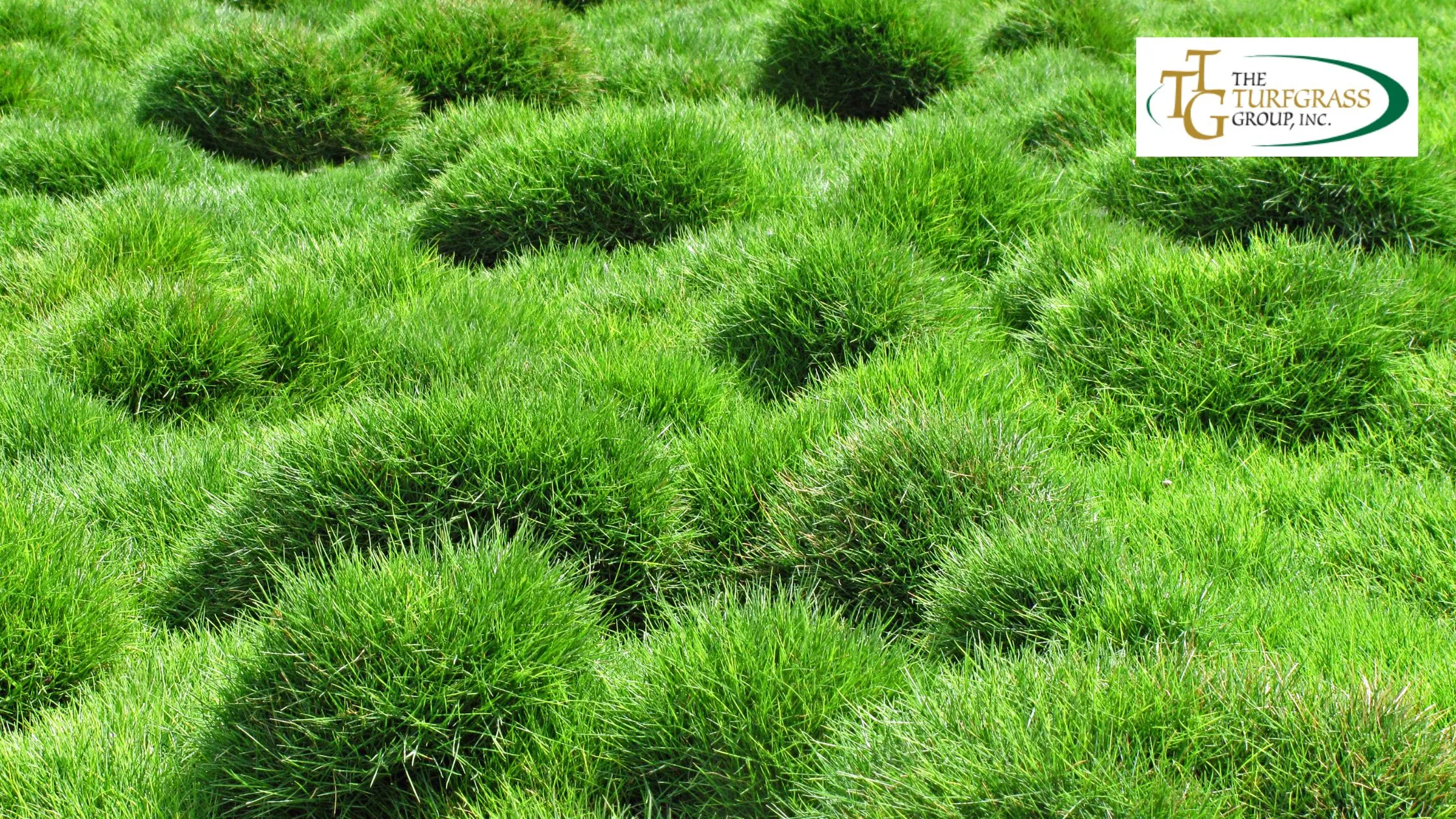
Enhancing the appearance of your Zoysia grass lawn makes your outdoor space more inviting. Healthy, green grass feels soft and looks neat. Simple care techniques help your lawn stay dense and vibrant year-round. Focus on aeration and overseeding to keep Zoysia grass thick and lush.
Aeration Techniques
Aeration improves air flow and water absorption in the soil. Use a core aerator to remove small plugs of soil. This process reduces soil compaction and helps roots grow deep. Aerate your lawn during the growing season for best results. Avoid aerating when the soil is too dry or wet. Aeration allows nutrients to reach the grass roots easily.
Overseeding Tips
Overseeding fills in bare spots and thickens the lawn. Choose Zoysia grass seeds that match your current lawn type. Spread seeds evenly over the lawn surface for uniform growth. Lightly rake the soil to cover the seeds. Water the lawn gently but regularly until the seeds sprout. Overseeding during warm weather improves seed germination and growth. This keeps your lawn full and green.
Credit: theturfgrassgroup.com
Frequently Asked Questions
What Is Zoysia Grass Used For?
Zoysia grass is mainly used for lawns, golf courses, and sports fields. It offers a dense, durable turf that withstands heavy foot traffic and drought well. Its slow growth reduces mowing frequency, making it low-maintenance and popular for residential and commercial landscapes.
How Does Zoysia Grass Grow?
Zoysia grass spreads through stolons and rhizomes, creating a thick, carpet-like lawn. It grows slowly, which helps it establish a dense turf that resists weeds. It thrives in warm climates and tolerates heat, drought, and some shade better than many other grasses.
Is Zoysia Grass Drought-tolerant?
Yes, Zoysia grass is highly drought-tolerant. It has deep roots that help it survive dry periods with minimal watering. This makes it ideal for regions with water restrictions or dry climates. Proper watering during establishment improves its drought resistance further.
How Often Should Zoysia Grass Be Mowed?
Zoysia grass should be mowed every 7 to 14 days during its growing season. Keep the mower blade sharp and cut to a height of 1 to 2 inches. Regular mowing encourages healthy growth and prevents thatch buildup, maintaining a neat lawn appearance.
Conclusion
Zoysia grass is a strong and low-maintenance lawn option. It grows thick and stays green for a long time. This grass resists heat, drought, and heavy foot traffic well. It needs less water and mowing than many other types. Zoysia creates a soft and comfortable lawn to walk on.
Many people choose it for yards and parks. Understanding Zoysia helps you decide if it fits your lawn needs. Easy to care for and durable, it suits many climates. Consider Zoysia grass to keep your lawn healthy and beautiful.
