
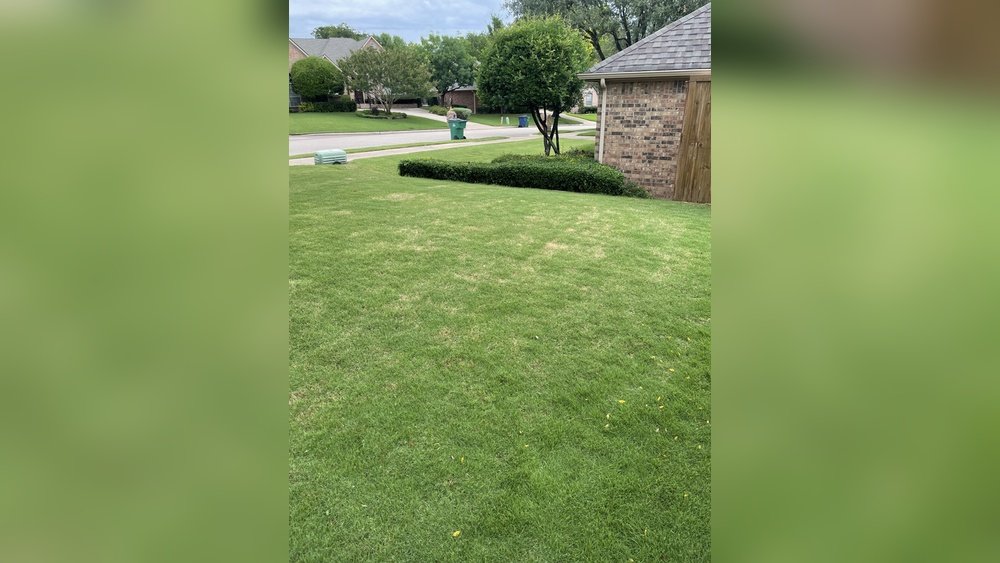
Is your Zoysia grass looking patchy and thin? You’re not alone, and it can be frustrating to see your once-lush lawn losing its vibrant, full appearance.
But don’t worry—understanding why your Zoysia grass is thinning is the first step to bringing it back to life. You’ll discover the common causes behind thinning Zoysia and simple, effective ways to restore your lawn’s beauty. Keep reading to get your grass thick, green, and healthy again!
Causes Of Thinning Zoysia Grass
Thinning Zoysia grass can be frustrating for any lawn owner. Understanding the causes helps to fix the problem quickly. Several factors make Zoysia grass weak and sparse. Identifying these causes is the first step to healthier grass.
Soil Compaction Effects
Soil compaction limits air and water from reaching grass roots. Hard soil stops roots from growing deep. Thin grass often means the soil is too packed. Aerating the soil helps to reduce compaction and improve root health.
Nutrient Deficiencies
Zoysia grass needs nutrients like nitrogen, phosphorus, and potassium. Lack of these nutrients weakens grass growth. Yellowing and thinning grass shows nutrient problems. Fertilizing with the right nutrients boosts grass strength.
Inadequate Watering
Zoysia grass needs steady watering to stay healthy. Too little water causes the grass to dry out. Too much water leads to root rot and weak grass. Watering deeply but less often encourages strong roots.
Pest And Disease Impact
Pests like grubs and insects eat Zoysia grass roots. Diseases can cause spots and thinning patches. Both pests and diseases harm grass quickly. Early detection and treatment keep the lawn healthy.
Excessive Foot Traffic
Walking or playing on the grass too much damages it. Constant pressure crushes grass blades and roots. This results in bare and thin areas. Limiting foot traffic lets the grass recover and grow thick again.

Credit: www.youtube.com
Soil Preparation For Recovery
Preparing the soil is key to helping thinning Zoysia grass recover. Healthy soil supports strong roots and thick grass growth. Proper soil care improves water, air, and nutrient flow. This section covers simple steps for soil preparation that boost your lawn’s health quickly.
Aeration Techniques
Aeration helps air, water, and nutrients reach grass roots. Use a spike or plug aerator to make holes in the soil. Plug aerators remove small soil plugs, which is best for compacted lawns. Spike aerators poke holes without removing soil, good for minor compaction. Aerate your lawn during active growth for best results. Avoid aeration in dry or frozen soil.
Soil Testing Methods
Testing soil shows nutrient levels and pH balance. Use a soil test kit or send samples to a lab. Take samples from different lawn areas for accurate results. Follow test instructions carefully for best reading. Testing helps avoid guesswork in fertilizing and soil correction. Knowing your soil needs saves time and money.
Amending Soil Properly
Amend soil based on test results to fix problems. Add lime to raise soil pH if it is too acidic. Use sulfur or peat moss to lower pH in alkaline soils. Mix organic matter like compost or aged manure to improve soil texture. Avoid adding too much fertilizer or amendments at once. Spread materials evenly and water your lawn after applying amendments.
Effective Watering Practices
Watering plays a key role in keeping Zoysia grass thick and healthy. It affects how well the grass grows and fights off thinning. Proper watering helps roots grow deep and strong. It also stops diseases caused by too much water. Follow smart watering steps to bring your lawn back to life.
Learn how much water your grass needs and when to give it. Avoid common mistakes that harm your lawn. Watch for signs that your grass needs more or less water. These tips will help you care for thinning Zoysia grass with ease.
Optimal Watering Schedule
Water your Zoysia grass early in the morning. This helps water reach the roots before heat evaporates it. Give about one inch of water per week. Spread this amount over two or three watering sessions. This schedule keeps the soil moist but not soaked. Adjust watering during rainy or hot days to protect your lawn.
Avoiding Overwatering
Too much water can cause roots to rot and grass to thin. Avoid watering every day. Let the soil dry out slightly between watering. Check soil moisture by feeling the ground an inch deep. If it feels wet, skip watering. Overwatering invites pests and fungi that damage grass.
Signs Of Underwatering
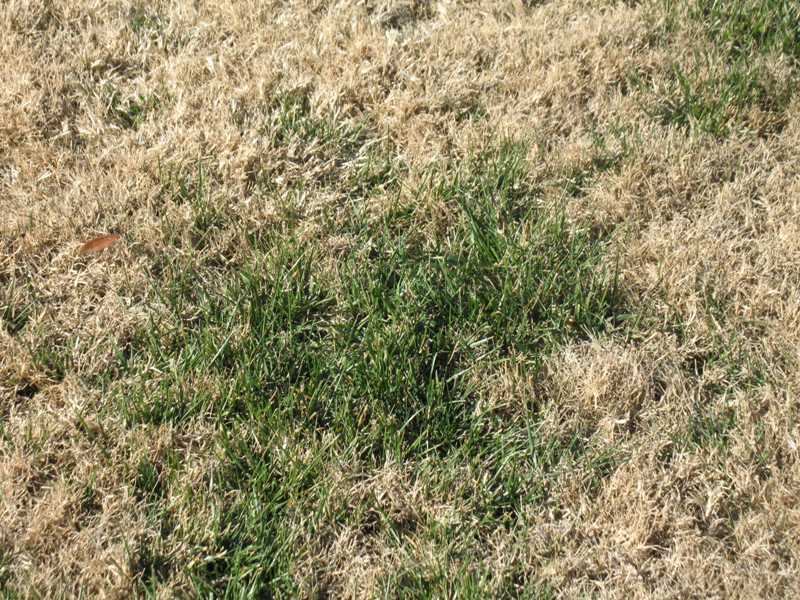
Dry, brown patches on your lawn show a lack of water. Grass blades may curl or feel brittle. Footprints stay visible longer on dry grass. These signs mean your lawn needs more water. Increase watering gradually to avoid shocking the roots.
Credit: www.missouribotanicalgarden.org
Fertilizing Strategies For Growth
Fertilizing your Zoysia grass can help it grow thick and healthy again. Proper feeding provides the nutrients your lawn needs to recover from thinning. Follow these fertilizing strategies to support strong, lush growth.
Choosing The Right Fertilizer
Select a fertilizer with a balanced mix of nitrogen, phosphorus, and potassium. Nitrogen promotes green leaf growth, which is vital for Zoysia grass. Look for a formula with slow-release nitrogen to feed your lawn steadily. Avoid fertilizers with too much phosphorus, as it can harm the environment and may not be needed if your soil already has enough.
Applying Fertilizer Safely
Spread fertilizer evenly to avoid patchy growth or burning the grass. Use a spreader to control the amount applied. Water the lawn lightly after fertilizing to help nutrients soak into the soil. Never fertilize dry grass under hot sun to prevent damage. Always follow the instructions on the fertilizer package carefully.
Timing Fertilizer Application
Apply fertilizer during the growing season, usually late spring to early summer. Avoid fertilizing in cold or dormant periods when grass growth slows. Split the total fertilizer amount into two or three smaller applications. This method helps the grass absorb nutrients better and reduces waste.
Mowing Tips To Encourage Thickness
Thinning Zoysia grass needs gentle care. Mowing plays a big role in making your lawn thicker. Cutting grass the right way helps it grow strong and full.
Follow these mowing tips to bring life back to your lawn. Small changes in mowing can make a big difference.
Ideal Mowing Height
Keep Zoysia grass at about 1 to 2 inches tall. Cutting too short weakens the grass. Taller grass shades the soil and holds moisture. This helps roots grow deeper and stronger.
Proper Mowing Frequency
Cut your lawn often enough to remove only one-third of the grass blade. Mowing too rarely stresses the grass. Frequent mowing encourages new shoots and thick growth. Adjust mowing frequency based on how fast your grass grows.
Avoiding Lawn Stress
Cut grass when it is dry, not wet. Use sharp mower blades for a clean cut. Dull blades tear grass, causing damage. Avoid mowing during very hot or dry days. Stress weakens grass and slows recovery. Gentle care helps your Zoysia fill in thin spots.
Credit: www.homedepot.com
Dealing With Pests And Diseases
Pests and diseases often cause Zoysia grass to thin out. They damage the grass blades, roots, and soil health. Spotting and treating these problems early helps keep your lawn thick and green. Understanding which pests and diseases affect your grass is key to protecting it.
Identifying Common Pests
Several pests attack Zoysia grass. Grubs feed on grass roots, causing brown patches. Chinch bugs suck sap from grass blades, making them wilt. Sod webworms chew on leaves and stems at night. Watch for discolored spots and dead grass areas. Look closely for tiny insects or larvae. Early detection prevents serious damage.
Organic Pest Control Options
Organic methods control pests without harming the environment. Nematodes are tiny worms that eat grub larvae. Neem oil repels many insect pests naturally. Diatomaceous earth scratches pests’ bodies, leading to dehydration. Introducing beneficial insects like ladybugs helps reduce pest numbers. These options keep your lawn safe and healthy.
Treating Fungal Infections
Fungal diseases cause thinning and brown patches in Zoysia grass. Brown patch and dollar spot are common issues. Fungicides help control these infections if applied early. Improving lawn drainage reduces fungal growth. Mow regularly to keep grass healthy and promote airflow. Water in the morning to let grass dry faster.
Overseeding And Lawn Repair
Overseeding and lawn repair are key steps to fix thinning Zoysia grass. Overseeding adds new grass seed to the lawn, helping it grow thicker. Lawn repair fills bare spots and improves the overall health of your grass. These steps restore your lawn’s beauty and strength.
Selecting Quality Zoysia Seed
Choose high-quality Zoysia seed for best results. Pick seeds that match your current grass type. Look for fresh seed with high germination rates. Avoid old or damaged seeds that may not grow well.
Preparing Lawn For Overseeding
Start by mowing the lawn short. Remove dead grass and debris with a rake. Loosen soil in thin or bare areas. This helps seeds make good contact with soil. Water the lawn lightly before spreading seeds.
Post-seeding Care
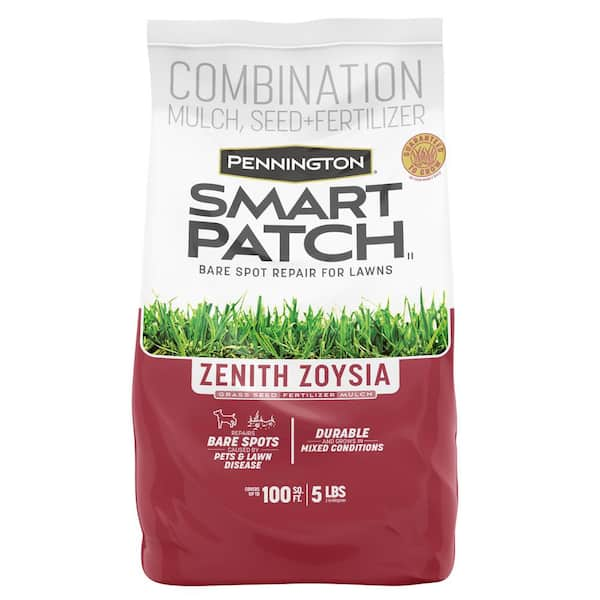
Keep the lawn moist after overseeding. Water gently but often to keep soil damp. Avoid heavy foot traffic on new seeds. After two weeks, gradually reduce watering. Fertilize lightly to encourage strong growth.
Preventing Future Thinning
Preventing future thinning of your Zoysia grass helps keep your lawn lush and healthy. It requires consistent care and attention to avoid bare spots. Taking the right steps now can save you effort later.
Regular Lawn Maintenance Tips
Mow your Zoysia grass at the correct height. Usually, 1 to 2 inches is best. Avoid cutting too short to reduce stress on the grass. Water deeply but less often to encourage strong roots. Remove weeds regularly to prevent competition for nutrients. Aerate the soil once a year to improve air and water flow. Fertilize with a balanced lawn fertilizer to keep your grass green and thick.
Managing Foot Traffic
Limit walking on your Zoysia grass, especially when wet. Heavy foot traffic can compact soil and damage grass blades. Create paths or stepping stones in high-traffic areas. Rotate play areas or garden spots to give grass time to recover. Use temporary barriers to protect fragile areas. Compacted soil stops roots from growing well.
Seasonal Care Adjustments
Adjust care routines based on the season. In spring, start mowing regularly and fertilize to encourage growth. Summer needs deep watering in the early morning to avoid evaporation. Fall is a good time for aeration and overseeding thin patches. In winter, reduce mowing and watering as the grass goes dormant. Seasonal care keeps your lawn ready for growth and stress.
Frequently Asked Questions
Why Is My Zoysia Grass Thinning Suddenly?
Thinning often results from poor soil, pests, or improper watering. It may also be due to fungal diseases or heavy foot traffic. Regular lawn care and soil testing can help identify the exact cause.
How Can I Prevent Zoysia Grass From Thinning?
Maintain proper watering, mowing, and fertilization schedules. Aerate the soil annually to improve root growth. Avoid overwatering and reduce foot traffic to keep your Zoysia grass thick and healthy.
What Are Common Pests Causing Zoysia Grass Thinning?
Chinch bugs, grubs, and sod webworms often damage Zoysia grass. They feed on roots and blades, causing thinning and brown patches. Early pest control treatments can prevent severe damage.
When Is The Best Time To Overseed Thinning Zoysia Grass?
Early spring or late summer is ideal for overseeding Zoysia grass. These seasons offer optimal temperatures and moisture for seed germination and lawn recovery.
Conclusion
Thinning Zoysia grass can be fixed with care and patience. Water your lawn deeply but not too often. Fertilize it gently to help growth. Remove weeds that steal nutrients and space. Aerate the soil to let air reach roots. Mowing regularly keeps grass healthy and strong.
Watch for pests and treat them early. With steady attention, your lawn will grow thick again. A lush, green yard is worth the effort. Keep these tips in mind for a thriving Zoysia lawn.
