
If you’ve ever looked at your lawn and wondered what type of Zoysia grass you have, you’re not alone. Knowing exactly which variety is growing in your yard can make a huge difference in how you care for it.
Different types of Zoysia grass need different amounts of water, sunlight, and maintenance. You’ll discover simple ways to identify your Zoysia grass quickly and accurately. By the end, you’ll have the confidence to give your lawn the care it truly deserves.
Keep reading to find out how to tell what kind of Zoysia grass you have!
Types Of Zoysia Grass
Zoysia grass is a popular choice for lawns due to its durability and beautiful green color. It has several types, each with unique traits. Understanding these types helps you care for your lawn better. Knowing the kind of Zoysia grass you have makes maintenance easier and more effective.
Below are the main types of Zoysia grass and their key features. This guide will help you identify your grass quickly and accurately.
Common Varieties
Zoysia japonica is the most common type. It grows fast and tolerates cold well. Zoysia matrella has fine blades and grows slower. Zoysia tenuifolia is very fine and soft, often used for golf courses. Each variety suits different climates and lawn needs.
Distinct Features
Zoysia japonica has wide, coarse blades and a thick texture. It stays green in cooler months. Zoysia matrella blades are thinner and softer. It spreads slowly but forms a dense carpet. Zoysia tenuifolia has the finest blades and a velvety feel. It needs more care and grows slower than others.
Leaf Characteristics
Leaf characteristics help identify the type of Zoysia grass you have. The leaves vary in size, shape, and color. These differences show which Zoysia variety is growing in your yard. Examining the leaf closely provides useful clues. Focus on blade width, texture, and color to spot the type.
Blade Width And Texture
Zoysia grass blades differ in width. Some blades are thin and fine. Others are wider and coarse. Fine blades feel soft underfoot. Coarse blades have a rough texture. Blade width usually ranges from 1 to 4 millimeters. Thin blades often belong to Zoysia japonica. Wider blades may indicate Zoysia matrella. Run your fingers across the grass. Soft blades suggest a finer variety.
Color Variations
Zoysia grass leaf color can vary. Common colors include light green, dark green, and bluish-green. Light green leaves often mean younger grass. Dark green leaves show mature and healthy grass. Bluish-green leaves appear in some Zoysia types. Color changes slightly with seasons. Look at your lawn on a sunny day for true color. Color can help narrow down the specific Zoysia variety.
Growth Patterns
Growth patterns reveal a lot about the type of Zoysia grass in your lawn. Each variety spreads and grows differently. Watching these patterns helps you identify your grass. Understanding growth also guides proper care and maintenance.
Spreading Habits
Zoysia grass spreads through runners called stolons and rhizomes. Some types spread quickly across the soil surface. Others grow more slowly and stay compact. For example, Zoysia japonica spreads fast and covers ground well. Zoysia matrella spreads slower and forms tight patches. Noticing how your grass fills space shows its kind.
Density And Thickness
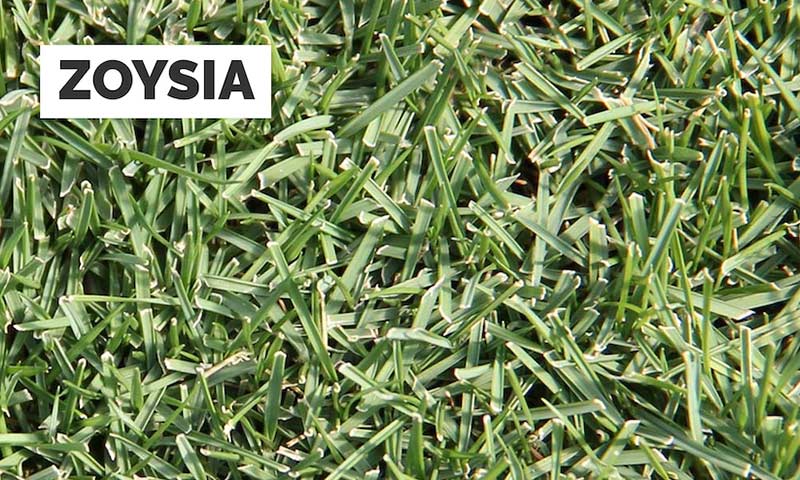
Density varies between Zoysia species. Some types grow thick, making a lush carpet. Others are thinner with visible soil patches. Zoysia tenuifolia forms fine, dense blades. Zoysia japonica blades are wider and less dense. Check how thick and full your grass feels. This trait helps narrow down which Zoysia you have.
Credit: www.pennington.com
Climate And Soil Preferences
Zoysia grass grows best in certain climates and soil types. Knowing these preferences helps identify the type of Zoysia you have. Each variety adapts differently to temperature, rainfall, and soil conditions. Understanding these factors aids in proper lawn care and maintenance.
Ideal Growing Conditions
Zoysia thrives in warm, sunny areas. It prefers temperatures between 75°F and 95°F. Some types handle cooler weather better than others. Zoysia grows well in sandy or loamy soils. Good drainage is important to prevent root rot. The grass prefers slightly acidic to neutral soil, with a pH of 6 to 7.5. It needs moderate water but can survive dry periods.
Tolerance To Stress
Different Zoysia types handle stress in unique ways. Some tolerate drought better and need less water. Others resist heavy foot traffic well, making them good for yards. Cold tolerance varies; certain Zoysia types survive frost better. Salt tolerance helps some types grow near coastal areas. Understanding stress tolerance helps choose the right grass for your climate.
Visual Identification Tips
Visual identification helps you know which type of Zoysia grass you have. This method uses your eyes to spot small differences. Each kind of Zoysia has unique traits. These include leaf shape, color, and texture. Careful observation is key to telling them apart.
Close-up Inspection
Look closely at the grass blades. Zoysia grass types differ in blade width. Some blades are wide and flat. Others are narrow and pointed. Notice the color too. Some have a deep green shade. Others appear lighter or have a blue tint. Check how the blades feel. Some feel coarse. Others feel soft and fine. Also, observe how the grass grows. Some types grow densely. Others spread out more. These details help identify your Zoysia type.
Using A Magnifying Glass
A magnifying glass reveals more details. Use it to see blade edges and veins. Some Zoysia blades have smooth edges. Others have tiny teeth or hairs. Look at the vein pattern on the leaf. It varies between types. The surface texture shows clearer too. Small bumps or hairs are easier to spot. This tool helps you see traits invisible to the naked eye. It makes identification more accurate and simple.

Credit: andysgardencenter.com
Common Misidentifications
Common misidentifications of zoysia grass happen often. Many grasses look alike, causing confusion. Knowing the differences helps you care for your lawn better. It also prevents mistakes when buying or planting grass. This section explains common mix-ups and how to avoid them.
Similar Grass Types
Some grasses closely resemble zoysia. Bermuda grass and St. Augustine grass are common examples. Bermuda grass blades are thinner and spread faster. St. Augustine grass has wider, flat blades and a blue-green color. Zoysia usually has a soft texture and grows slowly. Paying attention to blade size and growth patterns helps tell them apart.
Avoiding Confusion
Check the grass blade shape carefully. Zoysia blades are narrow and have a pointed tip. Look for the color too. Zoysia ranges from light to dark green. Test how the grass feels by touch. Zoysia is soft, unlike the rougher Bermuda. Finally, notice the growth habit. Zoysia grows in dense mats, not in loose clumps.
Tools And Resources
Identifying the type of Zoysia grass in your yard can be simple with the right tools and resources. These help you recognize different grass varieties quickly. Use technology and expert advice to make the process easier and more accurate.
Mobile Apps For Identification
Mobile apps can help you identify Zoysia grass on the spot. Take a clear photo of your grass using your phone. The app compares the photo with its database and suggests the closest match. Many apps also give care tips for each grass type. These tools save time and reduce guesswork.
Consulting Experts
Experts like lawn care professionals or local garden centers can give precise answers. They have experience with regional grass types. Bring a sample of your grass or a photo for their review. Experts can also provide advice on maintenance and pest control. Their insights ensure you know exactly what grass you have.

Credit: ngturf.com
Frequently Asked Questions
What Are The Main Types Of Zoysia Grass?
The main types of Zoysia grass include Zoysia japonica, Zoysia matrella, and Zoysia tenuifolia. Each type varies in blade texture, color, and growth habits. Knowing the type helps with proper lawn care and maintenance.
How Can I Identify Zoysia Grass By Texture?
Zoysia grass texture varies from coarse to fine. Zoysia japonica has coarse blades, while Zoysia matrella is finer. Feel the grass to distinguish its type for better lawn management.
Does Zoysia Grass Color Indicate Its Type?
Yes, Zoysia grass color ranges from light green to deep green. Zoysia japonica is usually lighter, while Zoysia matrella appears darker. Color helps in identifying the grass variety.
What Growth Patterns Help Identify Zoysia Grass?
Zoysia grass spreads through stolons and rhizomes. Zoysia japonica grows aggressively with wider blades, while Zoysia tenuifolia grows in dense, fine mats. Observing growth patterns aids identification.
Conclusion
Knowing your Zoysia grass type helps care for your lawn better. Each type has unique features to watch for. Use leaf shape and blade width as simple clues. Proper ID means choosing the right water and mowing plans. Healthy grass grows from understanding these basics well.
Enjoy a greener, thicker lawn with the right approach. Keep checking your grass to see how it changes. Small steps make a big difference in lawn health. Stay patient and consistent for the best results.
