
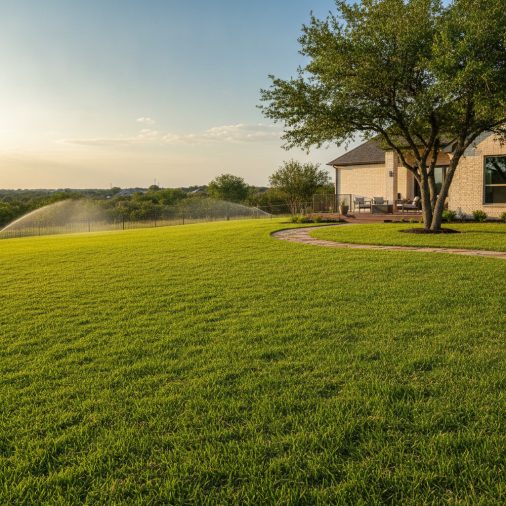
Are you tired of struggling with a lawn that just won’t thrive in North Texas? You want a grass that looks great, stays green longer, and handles the Texas heat without constant worry.
Zoysia grass might be exactly what your yard needs. You’ll discover why Zoysia is becoming the top choice for homeowners in North Texas and how it can transform your outdoor space into a lush, low-maintenance oasis. Keep reading to find out how to make Zoysia grass work perfectly for your lawn.
Benefits Of Zoysia Grass
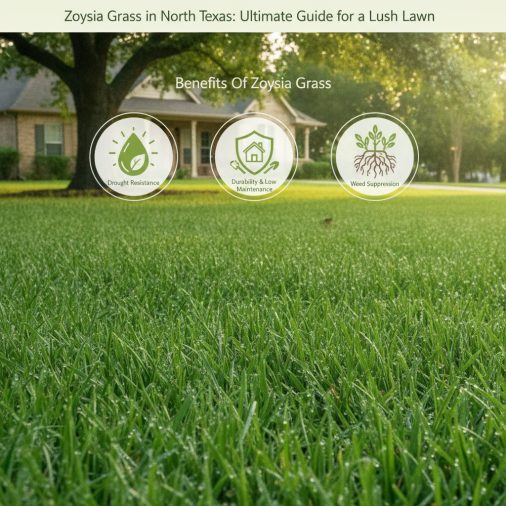
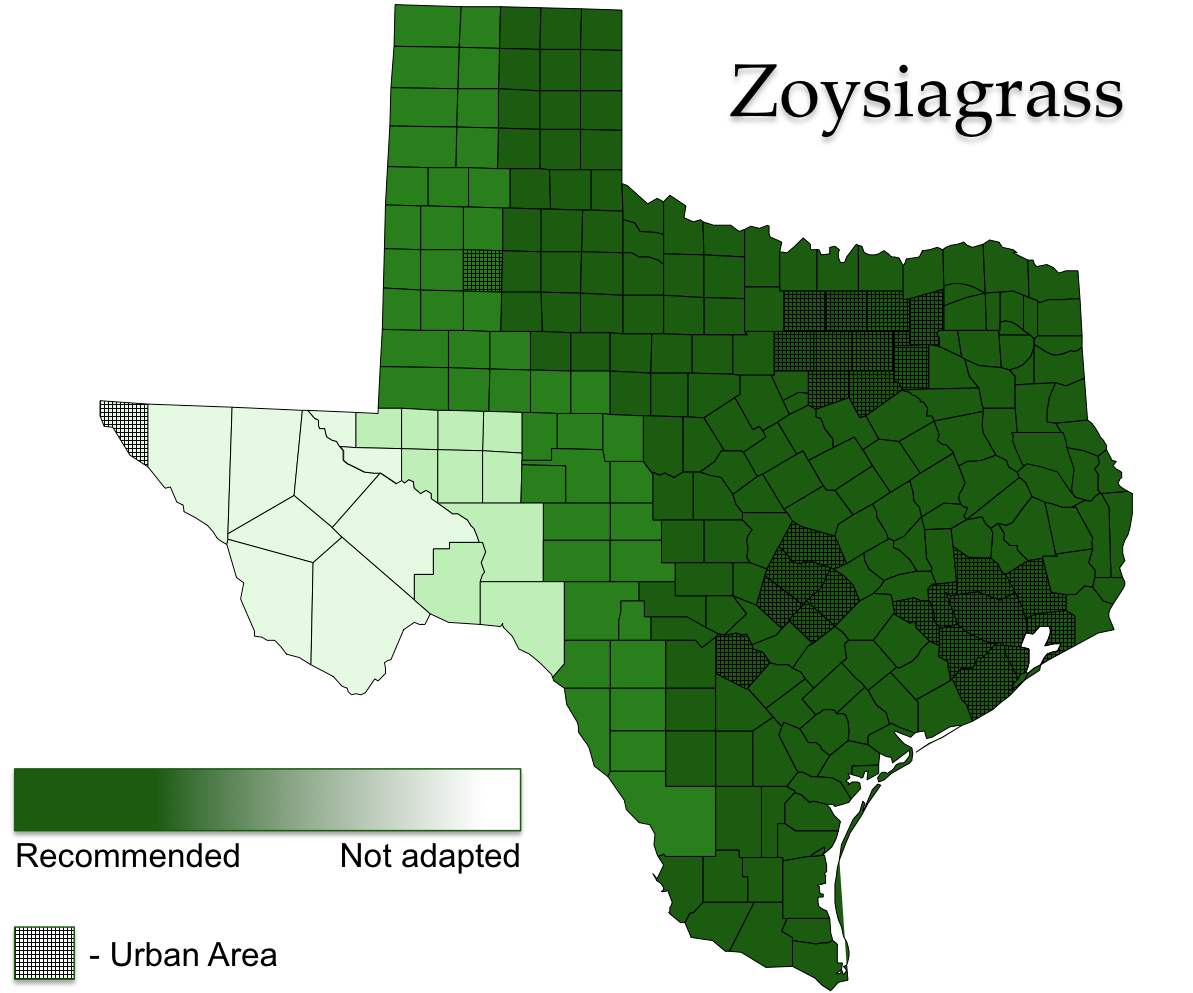
Zoysia grass offers many benefits for lawns in North Texas. It thrives in the local climate and provides a lush, green carpet. This grass type saves water and reduces yard work. Homeowners enjoy its beauty and ease of care. Below are key advantages of planting Zoysia grass in your yard.
Drought Tolerance
Zoysia grass survives long dry periods better than many grasses. Its deep roots store water for tough times. This quality helps lawns stay green with less watering. It suits North Texas, where summer droughts occur. You save water bills and keep grass healthy.
Disease Resistance
Zoysia resists many common lawn diseases. It stays strong against fungus and pests. This means fewer chemicals and treatments are needed. Lawns remain healthy and vibrant with less effort. Disease resistance keeps your yard looking great year-round.
Low Maintenance Needs
Zoysia grass grows slowly, so mowing is less frequent. It needs fewer fertilizers and less watering. This grass fills in bare spots fast, reducing weeds. Homeowners spend less time on lawn care. It is perfect for busy people wanting a nice lawn.
Choosing The Right Zoysia Variety
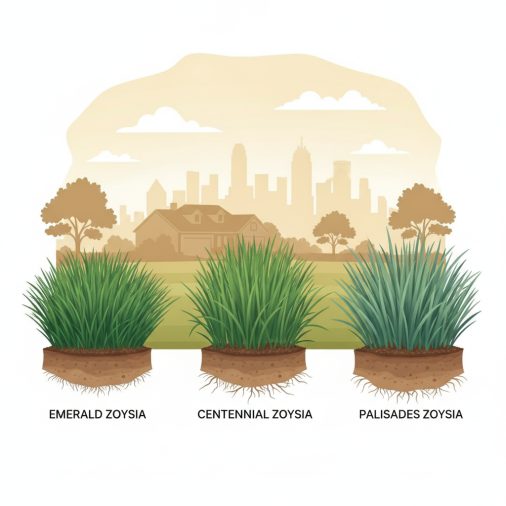
Choosing the right Zoysia variety is key to a healthy lawn in North Texas. Each type has unique features that suit different yard conditions. Knowing the options helps you pick grass that grows well and stays green.
Consider your soil, sunlight, and how much time you have for lawn care. The right grass will save effort and look great all year. This guide covers popular varieties, shade tolerance, growth rates, and texture.
Popular Varieties In North Texas
North Texas lawns often use Zoysia varieties like Emerald, Meyer, and Zenith. Emerald Zoysia offers a dark green color and fine texture. Meyer Zoysia is tougher and grows well in heat. Zenith Zoysia is a hybrid, combining durability and softness. Each variety adapts differently to the local climate.
Shade Tolerance Levels
Shade tolerance varies among Zoysia grasses. Meyer Zoysia handles shade better than others. Emerald prefers more sun but can survive partial shade. Zenith balances shade tolerance and sun exposure well. Check your yard’s sunlight before selecting a variety to keep the lawn healthy.
Growth Rates And Texture
Zoysia grasses grow at different speeds. Emerald grows slower, making it low maintenance. Meyer grows faster and fills bare spots quickly. Zenith has a medium growth rate, balancing care and coverage. Texture also differs; Emerald is fine and soft, while Meyer is coarser. Choose a growth rate and texture that fits your lawn care style.
Soil Preparation Tips
Preparing the soil is a key step for growing healthy Zoysia grass in North Texas. Good soil helps grass roots grow deep and strong. It also improves water and nutrient absorption. Follow these tips to get your soil ready for Zoysia grass.
Soil Testing And Amendments
Test your soil before planting. This shows the pH and nutrient levels. Zoysia grass prefers slightly acidic to neutral soil, around pH 6 to 7. Use a soil test kit or send samples to a lab.
Add lime to raise pH if soil is too acidic. Use sulfur to lower pH if soil is too alkaline. Mix in organic matter like compost to improve soil texture and fertility.
Proper Grading And Drainage
Level the soil surface to prevent water pooling. Proper grading lets water flow away from your lawn. Water standing on soil can cause root rot and other problems.
Check for low spots and fill them with soil. Slope the area slightly to improve drainage. Good drainage keeps Zoysia roots healthy and strong.
Aeration Techniques
Aerate the soil before planting Zoysia grass. This creates small holes to let air, water, and nutrients reach roots. Use a core aerator for best results.
Aeration reduces soil compaction, making it easier for roots to grow. Perform this step during the growing season for better lawn health. It helps your Zoysia grass thrive in North Texas soil.

Credit: sodscapestexas.com
Planting Methods
Choosing the right planting method helps Zoysia grass thrive in North Texas. Each method has benefits and fits different budgets and timelines. Understanding these options makes planting easier and more successful.
Seeding Vs. Sodding
Seeding Zoysia is cheaper but takes longer to grow. Seeds spread across the soil and need regular watering. This method needs patience as grass grows slowly.
Sodding offers instant green cover. It involves laying ready-grown grass sheets on prepared soil. This method is more expensive but shows quick results.
Sprigging And Plugging
Sprigging uses small grass pieces called sprigs planted in the ground. They grow roots and spread over time. This method suits large areas and saves money.
Plugging places small grass patches spaced apart. These plugs grow and fill gaps gradually. It works well for moderate lawns and repairs.
Best Planting Times
Plant Zoysia during warm months for best growth. Late spring to early summer is ideal in North Texas. Soil temperatures should be around 70°F or higher.
Avoid planting in cold or drought times. Warm weather helps roots establish quickly and grass spread fast.
Watering Strategies
Zoysia grass thrives in North Texas with the right watering plan. Proper watering helps the grass grow strong and resist drought. This section explains how to water Zoysia grass during different growth stages. Follow these steps to keep your lawn healthy and green.
Initial Watering Schedule
Right after planting, water Zoysia grass daily. Keep the soil moist but not soaked. Water early in the morning to reduce evaporation. Continue this schedule for about two weeks. This helps the roots start growing well.
Establishment Phase Care
After two weeks, water less often but deeper. Water every two to three days. Give the grass enough water to reach deep roots. Check soil moisture by feeling the soil. Stop watering if the soil feels wet a few inches down.
Long-term Irrigation Tips
Once Zoysia grass is established, water once a week. Water early in the morning for best results. Use about one inch of water each time. Adjust watering during rainy or very hot days. Deep watering helps grass survive dry spells better.
Fertilization Guide
Fertilizing Zoysia grass in North Texas helps keep your lawn green and healthy. Proper feeding supports strong growth and resilience. Understanding the right nutrients, types of fertilizer, and timing improves lawn care results.
Nutrient Requirements
Zoysia grass mainly needs nitrogen for lush green color. It also benefits from phosphorus and potassium for root growth and stress resistance. A soil test helps find the exact nutrient needs. Balanced nutrients prevent weak or patchy grass.
Fertilizer Types
Use slow-release fertilizers for steady feeding over weeks. This reduces burning risk and promotes deep roots. Organic options enrich soil health and improve moisture retention. Avoid high nitrogen fertilizers late in the season to prevent winter damage.
Application Timing
Apply fertilizer in spring as grass starts growing. Repeat feeding every 6 to 8 weeks during summer. Stop fertilizing by early fall to prepare grass for dormancy. Water lawn after applying fertilizer to help nutrients soak in.
Mowing Practices
Mowing is a key part of caring for Zoysia grass in North Texas. It helps keep the lawn healthy and neat. Proper mowing supports strong roots and green blades. Knowing the right height, how often to mow, and the best tools makes a big difference.
Optimal Mowing Height
Zoysia grass grows best at a height between 1 and 2 inches. Cutting it too short can stress the grass. Taller grass shades the soil and keeps moisture in. Keep the mower blade sharp for clean cuts. Regularly check the height to avoid cutting too much at once.
Frequency And Techniques
Cut the grass once a week during the growing season. This keeps the lawn even and healthy. Never remove more than one-third of the grass blade at a time. Use a different mowing pattern each time. This prevents soil compaction and promotes upright growth.
Equipment Recommendations
Choose a mower with adjustable height settings. Reel mowers work well for short Zoysia lawns. Gas or electric rotary mowers are good for larger areas. Keep blades sharp to avoid tearing the grass. Clean the mower deck after use to prevent disease spread.
Credit: aggieturf.tamu.edu
Weed And Pest Control
Weed and pest control is essential for a healthy Zoysia grass lawn in North Texas. Weeds and pests compete with grass for nutrients, water, and sunlight. They can make your lawn look unhealthy and patchy. Proper care helps keep your lawn green and thick.
Common Weeds In North Texas
Crabgrass is a common weed that invades Zoysia lawns. Dandelions and clover also appear frequently in North Texas. These weeds spread quickly and crowd out grass. Removing them early helps maintain a strong lawn.
Organic Vs. Chemical Treatments
Organic treatments use natural ingredients like corn gluten or vinegar. They are safer for pets and children. Chemical treatments work faster and kill weeds immediately. Choose based on your lawn needs and safety concerns.
Preventive Measures
Mowing your Zoysia grass at the right height stops weed growth. Water deeply but less often to keep grass healthy. Aerate soil to improve root growth and reduce pests. Healthy lawns resist weeds and pests better.
Seasonal Lawn Care
Seasonal lawn care is important for keeping Zoysia grass healthy in North Texas. Each season brings different challenges and needs. Adjusting care throughout the year helps the grass grow strong and stay green.
Understanding what Zoysia grass requires during each season makes your lawn look its best. Follow simple steps to keep your lawn thriving all year round.
Spring Preparation
Start by cleaning up leaves and debris from the lawn. This clears space for new growth. Aerate the soil to improve air and water flow. Apply a balanced fertilizer to feed the grass. Mow the lawn regularly, but keep the blades higher to protect new shoots.
Summer Maintenance
Water the lawn deeply but less often to encourage deep roots. Mow often, but avoid cutting the grass too short. Watch for weeds and remove them quickly. Use a slow-release fertilizer to keep nutrients steady. Check the lawn for pests and treat as needed.
Fall And Winter Tips
Reduce watering as the weather cools. Continue mowing until growth slows down. Rake fallen leaves to prevent mold and disease. Apply a winter fertilizer to strengthen roots. Avoid heavy traffic on the lawn to protect the grass during dormancy.
Troubleshooting Common Issues
Troubles with Zoysia grass in North Texas happen often. These problems can affect how your lawn looks and grows. Understanding common issues helps keep your grass healthy. Simple steps fix many problems quickly.
Brown Patches And Thinning
Brown patches appear from drought or too much sun. Zoysia grass needs water but not too much. Water deeply once or twice a week. Thin grass happens if soil lacks nutrients. Use a balanced fertilizer in spring and fall. Check for pests like grubs that damage roots. Remove dead grass to let new shoots grow.
Thatch Buildup
Thatch is a layer of dead grass and roots. It blocks water and air from reaching soil. Too much thatch makes grass weak and yellow. Use a dethatching rake in early spring or fall. Aerate soil to help roots get oxygen. Keep your lawn mowed at the right height. Avoid over-fertilizing to reduce thatch growth.
Dealing With Soil Compaction
Soil compaction stops roots from growing deep. It happens from heavy foot traffic or machines. Compacted soil holds less water and nutrients. Aerate your lawn to loosen soil and improve growth. Use a lawn aerator or a garden fork. Water grass after aeration to help roots spread. Prevent compaction by limiting heavy use on your lawn.
Credit: www.splendidgardens.net
Frequently Asked Questions
What Makes Zoysia Grass Ideal For North Texas Lawns?
Zoysia grass thrives in North Texas due to its drought tolerance and heat resistance. It requires less water and stays green longer in hot summers, making it a durable, low-maintenance option for local lawns.
How Often Should I Water Zoysia Grass In North Texas?
Water Zoysia grass deeply once or twice a week during dry periods. Overwatering can harm roots, so adjust based on rainfall and soil moisture to keep the grass healthy and vibrant.
When Is The Best Time To Plant Zoysia Grass In North Texas?
The best time to plant Zoysia grass is late spring to early summer. This timing allows the grass to establish roots before colder weather arrives, ensuring strong growth throughout the season.
How Do I Maintain Zoysia Grass During North Texas Winters?
Zoysia grass enters dormancy in winter, turning brown naturally. Avoid heavy foot traffic and mowing during this time. Resume regular care in spring to encourage green growth as temperatures rise.
Conclusion
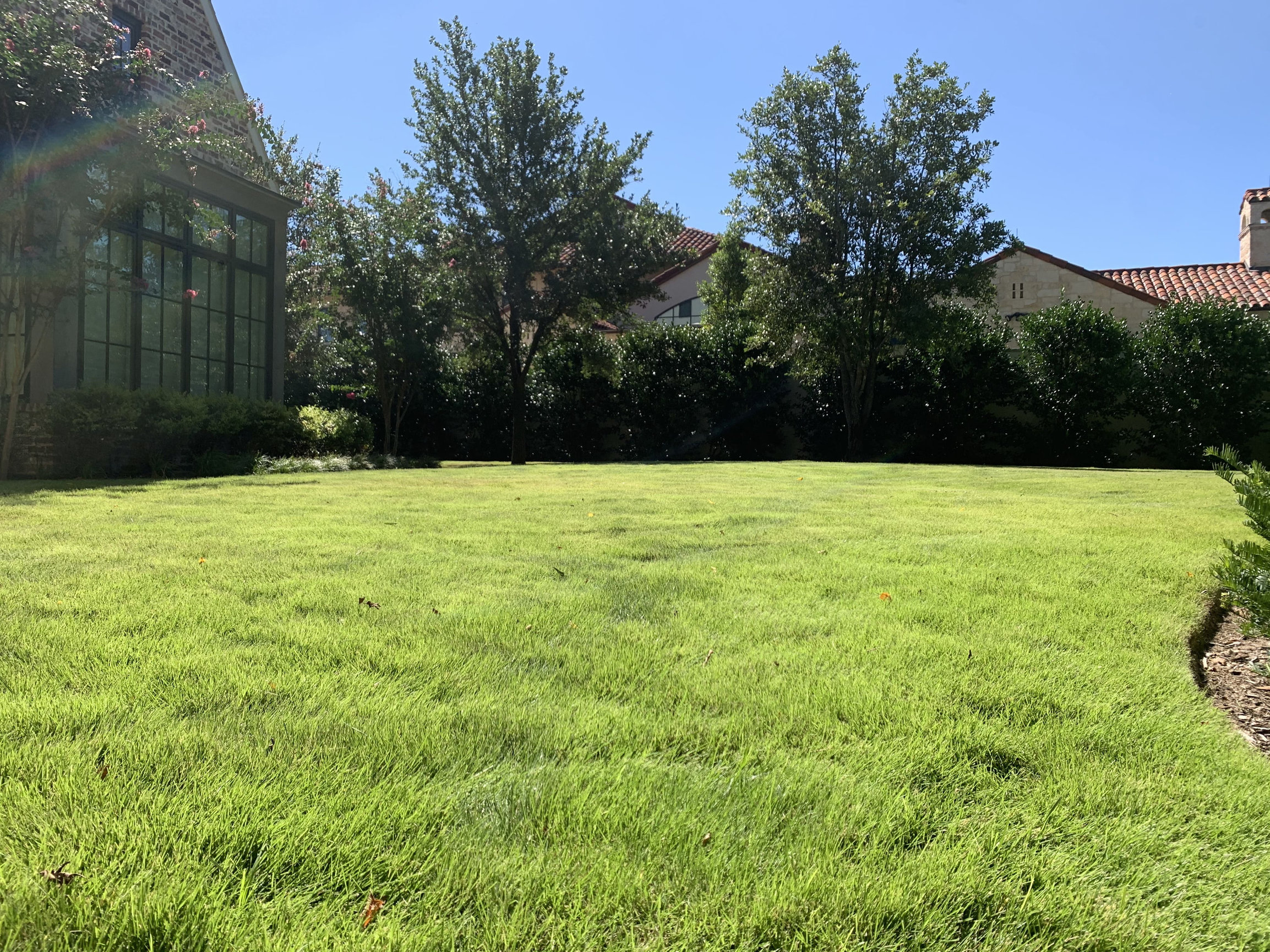
Zoysia grass suits North Texas lawns well. It stays green in hot summers. It handles drought better than many grasses. This grass grows thick and blocks weeds easily. It needs less water and care. Many homeowners enjoy its soft feel underfoot.
Choose Zoysia for a strong, healthy lawn here. A good lawn makes your home look nice. Try Zoysia and see the difference yourself.
