
Are you tired of struggling with your lawn, trying to find the perfect grass that stays green, grows evenly, and handles the weather? You’re not alone.
Choosing the right grass can make all the difference in how your yard looks and feels. Zoysia grass has been gaining attention as a top contender, but is it really the best option for your lawn? You’ll discover what makes Zoysia grass stand out, its benefits, and whether it’s the right choice for your specific needs.
Keep reading to find out if Zoysia grass can transform your outdoor space into the lush, vibrant lawn you’ve always wanted.
Zoysia Grass Basics
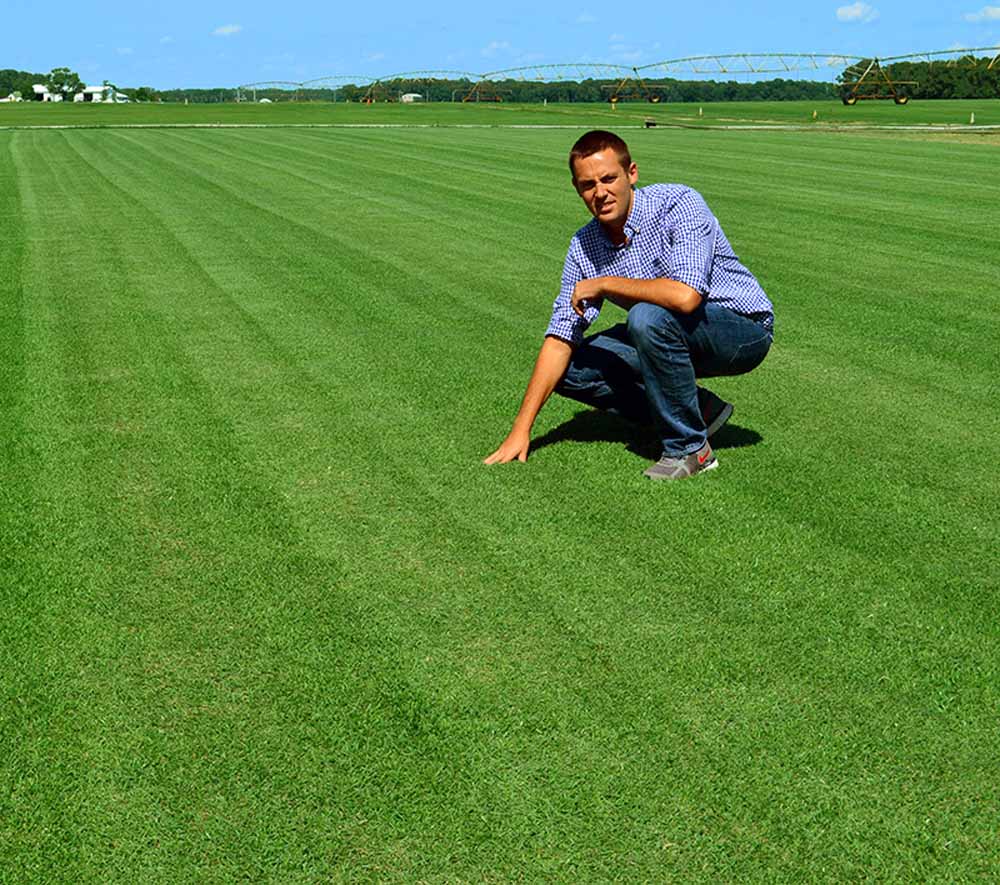
Zoysia grass is a popular choice for many lawns. It is known for its thick, green appearance. This grass grows slowly and forms a dense carpet. Many homeowners prefer it for its durability and low maintenance. Understanding the basics of Zoysia grass helps in deciding if it suits your lawn needs.
Below are key points about Zoysia grass types, growth habits, and climate needs.
Types Of Zoysia Grass
Zoysia grass has several common types. Each type has unique features and uses. Meyer Zoysia is thick and coarse. It handles cold better than others. Emerald Zoysia is fine and soft. It looks lush but needs more care. Zenith Zoysia grows quickly and resists pests well. Knowing these types helps pick the right one.
Growth Patterns
Zoysia grows by spreading from runners and seeds. It forms dense mats that block weeds. The grass grows slowly compared to other types. This slow growth means less mowing is needed. It spreads evenly, making lawns look smooth and full. The thick growth also helps hold soil in place.
Climate Suitability
Zoysia grass thrives in warm and temperate climates. It handles heat and drought better than many grasses. It can survive mild winters but may go dormant in cold. It prefers full sun but tolerates some shade. This grass works well in many regions, especially in the southern states.

Credit: www.willislawnservices.com
Benefits Of Zoysia Grass
Zoysia grass offers many benefits that make it a popular choice for lawns. It grows thick and green, creating a beautiful yard. This grass adapts well to different climates and soil types, making it reliable for many homeowners.
Besides its attractive look, Zoysia grass has qualities that save time and money. It needs less water and care than many other grass types. This makes it a smart option for busy people or those who want to reduce yard work.
Drought Resistance
Zoysia grass can survive long dry periods without damage. Its roots grow deep to find water underground. This helps the grass stay green, even during hot summers or little rain. It reduces the need to water often, saving water and effort.
Low Maintenance
Zoysia grass grows slowly, so it needs less mowing. It also resists weeds well, meaning fewer chemicals are needed. Fertilizing can be done less often too. These features make caring for Zoysia easier than many other grasses.
Wear Tolerance
Zoysia grass stands up well to heavy foot traffic. It recovers quickly from damage caused by playing or walking. This makes it ideal for yards with children or pets. The grass stays lush and healthy, even with regular use.
Challenges With Zoysia Grass
Zoysia grass has many benefits, but it also faces some challenges. Knowing these issues helps decide if Zoysia is right for your lawn. This grass needs care and patience to thrive well.
Slow Establishment
Zoysia grass grows slowly compared to other types. It can take several months to fill in bare spots. This slow start means you must wait longer for a thick lawn. Early care is important to avoid weeds taking over.
Shade Tolerance Limits
Zoysia prefers sunlight and does not do well in heavy shade. Areas with dense tree cover may see thin, patchy grass. Without enough sun, Zoysia struggles to stay green and healthy. Choosing a sunnier spot helps this grass grow better.
Pest And Disease Issues
Zoysia grass can attract pests like chinch bugs and armyworms. These insects can damage the grass and cause brown spots. Some fungal diseases also affect Zoysia in wet conditions. Regular lawn care and monitoring reduce these problems.
Credit: plantsod.com
Comparing Zoysia To Other Lawns
Zoysia grass stands out for many reasons. It has unique traits that differ from other popular lawn types. Comparing Zoysia to Bermuda, Fescue, and Kentucky Bluegrass reveals its strengths and weaknesses. This helps you decide if Zoysia fits your lawn’s needs.
Zoysia Vs Bermuda Grass
Zoysia grows slower than Bermuda grass. This means less mowing. Zoysia handles cold better and stays green longer in cooler months. Bermuda grass thrives in hot weather but goes dormant in cold. Zoysia is thicker and softer, making it comfortable for walking. Bermuda grass spreads faster, covering bare spots quickly.
Zoysia Vs Fescue
Zoysia tolerates heat better than Fescue. Fescue stays greener in shade, while Zoysia prefers sun. Zoysia forms a dense carpet that resists weeds well. Fescue needs more watering and care. Zoysia is drought-resistant, saving water during dry times. Fescue grows faster but can thin out under heavy use.
Zoysia Vs Kentucky Bluegrass
Zoysia requires less water than Kentucky Bluegrass. Bluegrass looks lush and bright green in spring. It struggles in hot, dry weather. Zoysia handles heavy foot traffic better. Bluegrass recovers quickly from damage but needs more fertilizer. Zoysia’s thick blades reduce weed growth naturally. Bluegrass can become patchy without proper care.
Planting And Care Tips
Planting and caring for Zoysia grass requires specific steps to ensure a healthy lawn. The right soil, watering, mowing, and fertilization are key. This section breaks down simple tips for each part of the process. Follow these to keep Zoysia grass lush and green.
Soil Preparation
Start by testing the soil pH. Zoysia grows best in soil with pH between 6.0 and 7.0. Remove rocks and weeds from the area. Loosen the soil to a depth of 4 to 6 inches. Add organic matter like compost to improve soil texture. Level the ground to avoid water pooling.
Watering Practices
Water the grass deeply but less often. Aim for about 1 inch of water per week. Early morning watering reduces evaporation. Avoid watering in the evening to prevent disease. During hot weather, increase watering frequency slightly.
Mowing Guidelines
Set the mower blade to 1 to 2 inches high. Mow regularly to keep grass healthy. Never cut more than one-third of the grass height at once. Use sharp mower blades to avoid tearing the grass. Leave grass clippings on the lawn for natural nutrients.
Fertilization Schedule
Fertilize Zoysia grass 3 to 4 times per year. Use a balanced fertilizer with nitrogen, phosphorus, and potassium. Apply fertilizer in spring, early summer, late summer, and fall. Follow product instructions for the correct amount. Avoid over-fertilizing, which can harm the grass.
Cost And Availability
Cost and availability play a big role in choosing the right grass for your lawn. Zoysia grass often stands out because of its unique price points and where you can find it. Knowing these details helps you decide if it fits your budget and location.
Initial Investment
Zoysia grass usually costs more to buy than common grass types. The price varies by region and type of Zoysia. Installing Zoysia may need more work and care at the start. This higher upfront cost can pay off with its durability and beauty.
Long-term Expenses
Once established, Zoysia grass needs less water and fertilizer. It resists weeds and pests well, lowering maintenance bills. Mowing happens less often because Zoysia grows slowly. These factors reduce your lawn care costs over time.
Where To Buy Zoysia
Zoysia grass is available at many garden centers and nurseries. Some online stores sell Zoysia plugs or sod for home delivery. Buying from local suppliers might save shipping costs and ensure fresher grass. Check availability early, especially in colder regions.
Common Mistakes To Avoid
Zoysia grass is popular for its thick, lush look and durability. Many homeowners choose it for their lawns. Yet, some common mistakes can harm its health and beauty. Avoiding these errors helps your grass stay green and strong.
Overwatering
Zoysia grass needs less water than other types. Too much water causes roots to rot. It also invites fungi and weeds. Water only when the soil feels dry. Early morning watering reduces evaporation. Proper watering keeps Zoysia healthy and vibrant.
Improper Mowing Height
Cutting Zoysia too short stresses the grass. It weakens roots and slows growth. Set your mower blade between 1 and 2 inches. Mow often but never remove more than one-third of the blade. Correct mowing keeps the lawn thick and green.
Ignoring Soil Health
Good soil is the key to strong Zoysia grass. Poor soil causes weak roots and patchy growth. Test your soil regularly to check pH and nutrients. Add lime or fertilizer as needed. Healthy soil supports a lush, long-lasting lawn.

Credit: theturfgrassgroup.com
Frequently Asked Questions
What Makes Zoysia Grass Better Than Other Types?
Zoysia grass is drought-tolerant and requires less water than many grasses. It grows densely, reducing weeds and soil erosion. Its slow growth means less mowing. Plus, it adapts well to various climates, making it an excellent choice for many lawns.
How Does Zoysia Grass Perform In Different Climates?
Zoysia grass thrives in warm climates but can tolerate cold winters. It grows well in USDA zones 5-10. Its adaptability helps it survive drought and heat. However, it may go dormant and brown in extreme cold or heat.
Is Zoysia Grass Low Maintenance For Homeowners?
Yes, Zoysia grass is low maintenance. It needs less watering and mowing compared to other grasses. It also resists pests and diseases well. However, its slow growth means it may take time to fill in bare spots.
Can Zoysia Grass Handle Heavy Foot Traffic?
Zoysia grass is highly durable and tolerates heavy foot traffic. Its dense growth helps withstand wear and tear. This makes it ideal for lawns, sports fields, and playgrounds where regular use occurs.
Conclusion
Zoysia grass offers many benefits for lawns. It grows thick and resists weeds well. It needs less water than some other grasses. This grass can handle heat and cold. It also stays green for a long time. Still, it grows slowly and takes effort to plant.
Consider your climate and lawn needs carefully. Choose the grass that fits your yard best. Zoysia might be the right choice for you. Keep your lawn healthy and enjoy its beauty.