
The best time to fertilize Zoysia grass is during its active growing season, starting in spring after it begins to green up, and again in summer. Avoid fertilizing in late fall or winter when growth slows, as feeding at the wrong time can harm the grass or waste nutrients.
Are you wondering when the best time is to fertilize your Zoysia grass? Getting this right can make a huge difference in how lush and green your lawn looks.
Fertilizing at the wrong time might waste your effort and money, leaving your grass weak and patchy. But don’t worry—once you know the perfect timing, you’ll see your lawn thrive like never before. Keep reading to discover exactly when and how to feed your Zoysia grass for a healthy, vibrant yard all season long.
Best Time To Fertilize Zoysia Grass
Knowing the best time to fertilize Zoysia grass is key to a healthy lawn. Fertilizing at the right time helps the grass grow thick and green. Zoysia grass grows mostly in warm weather. Feeding it during active growth gives the best results. Timing fertilizer applications can save money and prevent damage.
Seasonal Fertilizing Schedule
Spring is the first good time to fertilize Zoysia grass. Apply fertilizer after the grass starts turning green. This helps roots grow strong. Summer needs another feeding to keep grass healthy. Use a fertilizer with nitrogen for green color. Avoid fertilizing in late fall or winter. The grass grows slowly or not at all then. Fertilizing in cold months can harm the grass.
Signs Zoysia Needs Fertilizer
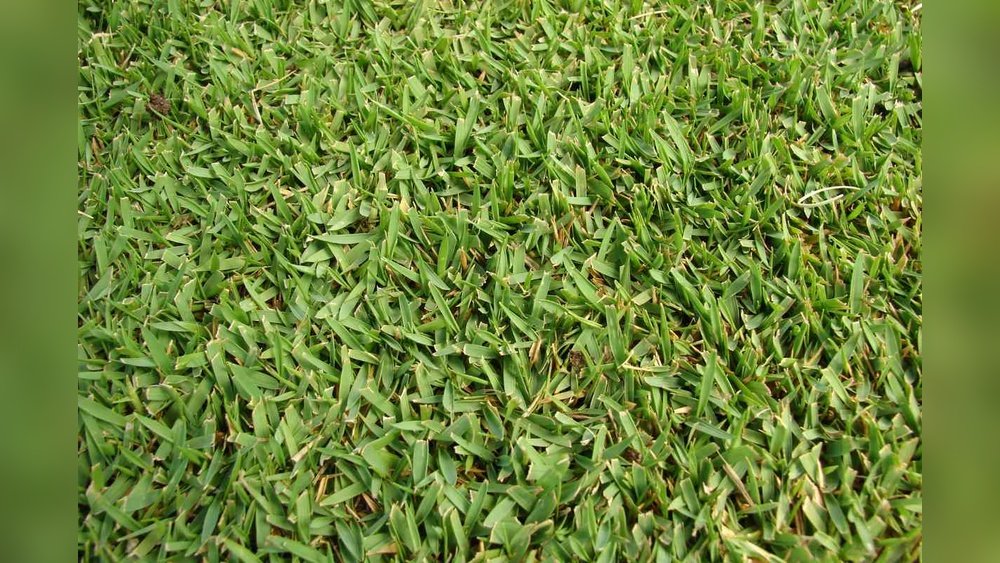
Look for pale or yellow grass blades. These show a lack of nutrients. Slow growth or thin patches also mean fertilizer is needed. If weeds start to take over, the grass may be weak. Grass that feels soft or weak likely lacks food. Fertilizer helps restore color and strength to the lawn. Watch the grass closely to catch these signs early.

Credit: lawnsynergy.com
Choosing The Right Fertilizer
Choosing the right fertilizer is key for healthy Zoysia grass. The grass needs specific nutrients to grow thick and green. Using the wrong fertilizer can harm the lawn or waste your money. Understanding what your Zoysia needs helps you pick the best fertilizer. This section explains the nutrients Zoysia requires and the types of fertilizers that work best.
Nutrient Requirements For Zoysia
Zoysia grass mainly needs nitrogen, phosphorus, and potassium. Nitrogen helps the grass grow fast and stay green. Phosphorus supports root development and strengthens the grass. Potassium improves the grass’s resistance to drought and disease. Most lawns get enough phosphorus from the soil. Nitrogen is usually the most important nutrient to add. Too much fertilizer can burn the grass or cause weak growth. Test your soil to know what nutrients it lacks.
Types Of Fertilizers To Use
Choose fertilizers that release nutrients slowly over time. Slow-release fertilizers feed the grass for weeks. They reduce the risk of burning and save time. Look for fertilizers with a balanced ratio of nitrogen, phosphorus, and potassium. Organic fertilizers improve soil health and add nutrients naturally. Synthetic fertilizers work fast but need careful application. Use fertilizers labeled for warm-season grasses like Zoysia. Always follow the instructions on the package for best results.
Application Tips For Healthy Growth
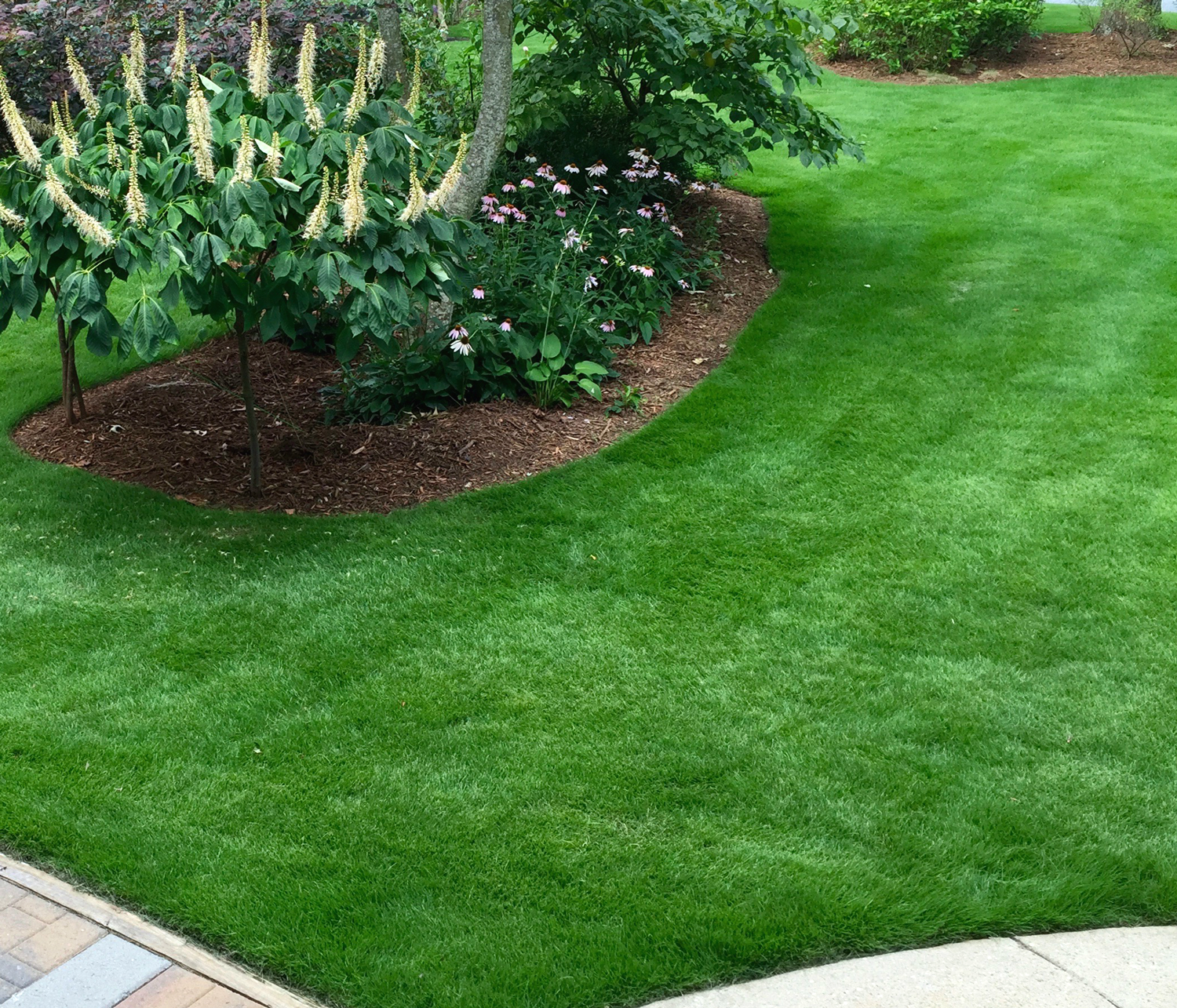
Applying fertilizer correctly helps Zoysia grass grow thick and green. Follow these tips to keep your lawn healthy. Proper application saves money and prevents damage. Use the right amount and spread it evenly for best results.
Proper Amounts And Frequency
Use about 1 pound of nitrogen per 1,000 square feet each time. Fertilize Zoysia grass every 6 to 8 weeks during the growing season. Avoid too much fertilizer; it can burn the grass. Stop fertilizing when the grass stops growing in fall.
Techniques For Even Distribution
Use a spreader to apply fertilizer evenly across the lawn. Walk at a steady pace to avoid clumps or missed spots. Overlap slightly with each pass to cover all areas. Water the lawn lightly after fertilizing to help nutrients soak in.
Credit: hgic.clemson.edu
Avoiding Common Fertilizing Mistakes
Fertilizing Zoysia grass can boost its health and color. Yet, mistakes during fertilizing often harm the lawn instead. Knowing common errors helps keep your grass green and strong. Avoiding these mistakes saves time and money. It also prevents damage to the soil and roots.
Over-fertilizing Risks
Too much fertilizer causes fast, weak growth. Grass becomes more likely to get diseases. Over-fertilizing can burn the grass blades and roots. It wastes fertilizer and pollutes nearby water. Applying the right amount is key to healthy Zoysia.
Timing Errors To Watch For
Fertilizing at wrong times slows grass growth. Early spring or late fall are poor choices. Zoysia grows best with fertilizer in late spring. Avoid fertilizing during drought or extreme heat. Proper timing helps the grass absorb nutrients fully.
Maintaining Zoysia Lawn After Fertilizing
Maintaining a Zoysia lawn after fertilizing is key to keeping it healthy and green. Proper care helps the grass absorb nutrients better and grow strong. Without the right steps, the fertilizer might not work well, and your lawn could suffer.
Following good watering and mowing habits will support the new growth. These practices help the grass recover and stay lush through the season.
Watering Practices
Water the lawn soon after fertilizing. This helps the nutrients reach the roots. Use a gentle spray to avoid washing fertilizer away. Water deeply but less often. This encourages roots to grow deeper. Early morning is the best time to water. It reduces evaporation and keeps leaves dry. Avoid watering late in the evening to prevent disease.
Mowing And Care Tips
Wait a few days before mowing after fertilizing. This prevents stressing the grass. Set the mower blade high to keep the grass longer. Longer grass shades the soil and keeps moisture in. Use sharp mower blades for clean cuts. Avoid cutting more than one-third of the grass height. Remove grass clippings to prevent build-up. Regularly check for weeds and pests. Treat problems quickly to protect your lawn’s health.

Credit: www.youtube.com
Frequently Asked Questions
When Is The Best Time To Fertilize Zoysia Grass?
The best time to fertilize Zoysia grass is in late spring to early summer. This timing supports active growth and root development. Avoid fertilizing in early spring or late fall to prevent stress and disease.
How Often Should I Fertilize Zoysia Grass Annually?
Fertilize Zoysia grass 2 to 3 times per year. Space applications evenly during the growing season. Over-fertilizing can harm the lawn and increase maintenance needs.
What Type Of Fertilizer Is Ideal For Zoysia Grass?
Use a balanced fertilizer with nitrogen, phosphorus, and potassium for Zoysia grass. A slow-release nitrogen fertilizer is preferred. This promotes steady growth and a healthy, green lawn.
Can I Fertilize Zoysia Grass In The Fall?
Fertilizing in fall is not recommended for Zoysia grass. It slows growth and can increase winter damage risk. Focus on spring and summer fertilization for best results.
Conclusion
Fertilizing Zoysia grass at the right time helps it grow strong and green. Early spring and late summer work best for feeding the lawn. Avoid fertilizing during hot, dry months to protect the grass. Regular care keeps your yard healthy and lush all year.
Remember, good timing makes a big difference for Zoysia grass. Follow these simple tips to enjoy a beautiful lawn every season.
