
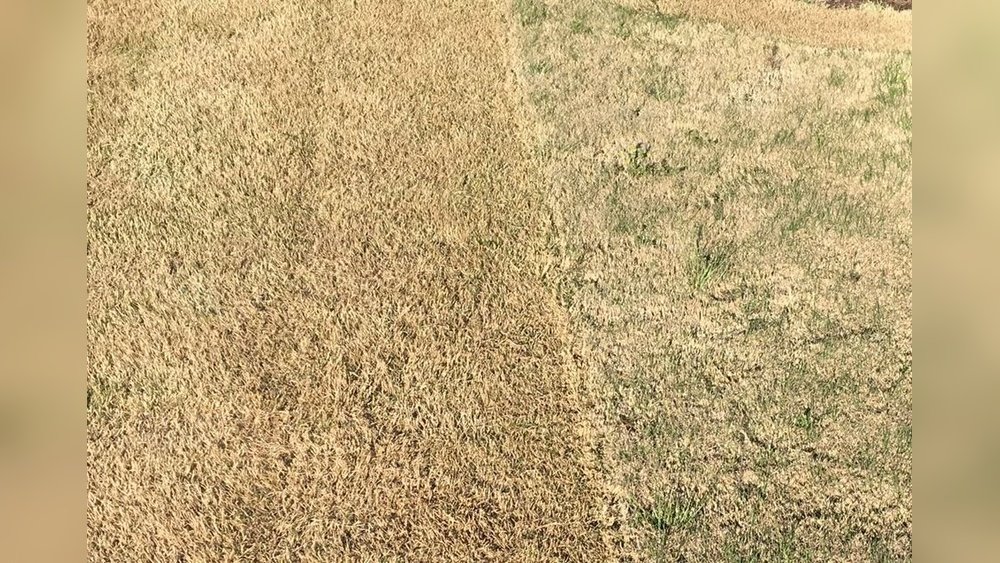
If you want a lush, healthy lawn, knowing how to scalp Bermuda grass is key. Scalp your Bermuda grass at the right time and in the right way, and you’ll encourage fresh growth, reduce weeds, and get that perfect green carpet you’ve been dreaming of.
But if you scalp it wrong, you could harm your lawn instead of helping it. You’ll discover simple, step-by-step tips that make scalping easy and effective. Keep reading to learn how to give your Bermuda grass the fresh start it needs to thrive all season long.
Benefits Of Scalp Bermuda Grass
Scalping Bermuda grass means cutting it very short. This simple step helps the grass grow healthier and stronger. It removes old, dead leaves and allows sunlight to reach new shoots. Many gardeners use scalping to keep their lawns neat and green.
Scalping also prepares Bermuda grass for the growing season. It encourages fresh growth and helps the grass recover from winter stress. The practice can improve the lawn’s overall look and health.
Improves Grass Growth
Scalping removes dead grass and debris. This makes room for new grass to grow. Sunlight reaches the soil easier. The grass can grow thick and green faster.
Reduces Thatch Buildup
Thatch is a layer of dead grass on top of soil. Scalping cuts this layer down. It stops thatch from blocking water and nutrients. The lawn stays healthier and stronger.
Prepares Lawn For Fertilizing
After scalping, fertilizers reach the soil better. This helps the grass absorb nutrients quickly. The lawn grows more evenly and looks fresh.
Controls Weeds And Pests
Scalping removes hiding spots for pests. It also stops weeds from growing tall. A clean lawn is harder for weeds and bugs to survive.
Enhances Lawn Appearance
Scalping gives the lawn a smooth, even look. The grass looks clean and well cared for. It makes outdoor spaces more inviting.

Credit: www.youtube.com
Best Time For Scalping
Scalping Bermuda grass at the right time helps it grow healthy and strong. Timing affects how well the grass recovers and how thick it becomes.
Choose a time when the grass is actively growing. This allows the grass to bounce back quickly after scalping.
Scalp In Early Spring
Early spring is the top choice for scalping Bermuda grass. The grass starts to wake up from winter dormancy. Scalping now removes old, dead grass and lets new shoots grow easily.
Wait Until Grass Shows Growth
Scalp only after green shoots appear. Cutting too early can harm the grass. Look for bright green tips before scalping.
Avoid Scalping In Fall Or Winter
Scalping during cold months slows growth. The grass may stay weak and patchy. Wait for warmer weather to scalp again.
Choose A Dry Day
Scalp Bermuda grass on a dry day. Wet grass can clog mowers and cause uneven cuts. Dry conditions help the grass heal faster.
Tools Needed For Scalping
Scalping Bermuda grass requires the right tools for a clean, even cut. Proper equipment makes the process easier and helps the grass grow back healthy. Choosing the right tools saves time and effort. Here are the essential tools needed for scalping Bermuda grass.
Lawn Mower with Adjustable DeckA lawn mower with an adjustable deck is a must. It allows you to set the blade height very low for scalping. Make sure the mower blades are sharp. Dull blades tear the grass instead of cutting it.
String Trimmer
A string trimmer is useful for edges and hard-to-reach spots. It helps scalp areas where the mower cannot reach. Use it carefully to avoid damaging the grass.
Rake Or Leaf Blower
After scalping, remove dead grass and debris. A rake or leaf blower clears the lawn quickly. This helps air and sunlight reach the new grass blades.
Protective Gear
Wear gloves and safety glasses. This protects your hands and eyes from debris. Proper gear keeps the scalping process safe.
Step-by-step Scalping Process
Scalping Bermuda grass helps renew your lawn. It removes old, dead grass and lets new shoots grow. Follow these simple steps to scalp your lawn properly. This process keeps your Bermuda grass healthy and green.
Prepare Your Lawn
Start by watering your lawn a day before scalping. Wet grass cuts cleaner and reduces stress on plants. Remove any debris like sticks or leaves. This keeps your mower safe and avoids uneven cuts.
Adjust Mower Height
Set your mower to the lowest height. Bermuda grass usually grows well at 0.5 to 1 inch after scalping. Check your mower settings carefully. Lower mower height helps remove dead grass and thatch.
Mowing Techniques
Cut the grass slowly and steadily. Use overlapping passes for an even cut. Avoid mowing too fast to prevent damage. Change mowing direction each time to encourage upright growth.
Clean Up After Scalping
Rake or use a leaf blower to remove cut grass. This clears the lawn surface for new shoots. Dispose of the clippings properly to avoid disease. Water your lawn lightly to help recovery.
Post-scalping Lawn Care
Scalping Bermuda grass helps remove dead blades and promotes fresh growth. After scalping, the lawn looks bare and stressed. Proper care is essential to help it recover quickly and stay healthy. Follow these steps to support your lawn after scalping.
Watering Tips
Water the lawn gently and deeply right after scalping. This helps the soil stay moist and encourages root growth. Avoid overwatering, which can cause disease and root rot. Water early in the morning to reduce evaporation. Keep watering regularly but reduce frequency as grass starts growing again.
Fertilizing Schedule
Apply a balanced fertilizer about two weeks after scalping. Use one with nitrogen to boost green growth. Avoid fertilizing immediately after scalping to prevent stress. Follow label instructions for the right amount. Repeat fertilization every six to eight weeks during the growing season to keep the lawn strong.
Weed Control
Scalping can expose weeds, so watch for unwanted plants. Use a weed control product safe for Bermuda grass. Apply it after the grass has started to grow back. Pull out any large weeds by hand to avoid spreading seeds. Keep the lawn thick to prevent weeds from taking over.
Credit: www.howtowithdoc.com
Common Mistakes To Avoid
Scalping Bermuda grass can bring great benefits to your lawn’s health and appearance. Avoiding common mistakes during this process ensures the grass grows back strong. Many people scalp too short or at the wrong time, which can harm the grass instead of helping it. Understanding these errors helps keep your lawn green and healthy.
Cutting Bermuda Grass Too Short
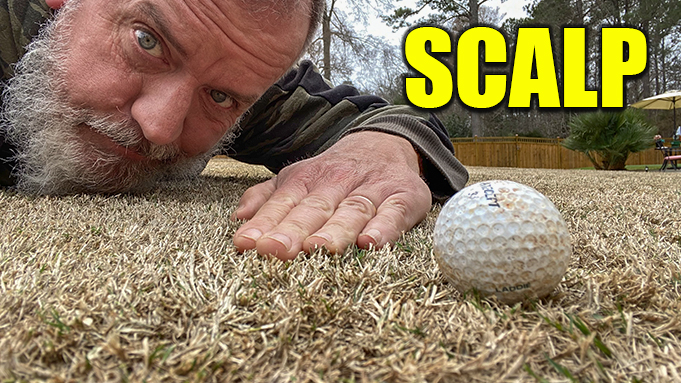
Cutting Bermuda grass too short stresses the plant. It weakens roots and slows growth. Leave at least one inch of grass to protect the crown. Short cuts expose the soil and increase weed growth.
Scalping At The Wrong Time
Scalp only during the growing season, usually late spring or early summer. Scalping in cold or dormant seasons damages the grass. Wait until Bermuda grass is actively growing and healthy.
Ignoring Lawn Moisture Before Scalping
Dry soil and grass make scalping harder and less effective. Water the lawn a day before scalping for easier cutting. Moist grass lays flat, making it easier to cut evenly.
Using Dull Mower Blades
Dull blades tear grass instead of cutting it cleanly. This causes brown tips and stress. Sharpen mower blades before scalping for a smooth cut and healthier grass.
Scalping Without Removing Thatch
Thatch is a layer of dead grass that blocks water and nutrients. Scalping without dethatching traps this layer, harming growth. Remove thatch before scalping for better results.
Signs Your Lawn Needs Scalping
Knowing when your Bermuda grass lawn needs scalping saves time and keeps it healthy. Scalping removes old, dead grass and helps new growth start strong. Some clear signs tell you it is time to scalp.
Thick Layer Of Dead Grass
A thick layer of dead grass, called thatch, blocks water and nutrients. The lawn feels spongy or uneven. Grass blades look dull and brown under the dead layer. This buildup stops the lawn from growing well.
Slow Or Patchy Growth
The grass grows slowly or in patches. New green shoots are few or weak. The lawn looks thin and worn out. Scalping helps remove old grass and encourages fresh growth to fill bare spots.
Grass Is Too Long Or Matted
Long, matted grass traps moisture and dirt. It feels heavy and clumps together. This causes diseases and pests. Cutting the lawn very short with scalping clears the mat and improves air flow.
Uneven Color And Texture
Parts of the lawn look yellow, brown, or faded. The texture feels rough or coarse. These signs mean the grass is stressed or unhealthy. Scalping removes old blades and lets new, healthy grass grow.
Scalping Frequency For Healthy Growth
Scalping Bermuda grass helps prepare it for new growth. The right scalping frequency keeps the lawn healthy and green. Too often or too rarely scalping can harm the grass. Finding a good schedule is key for strong roots and thick turf.
Seasonal Scalping Schedule
Scalp Bermuda grass at the start of spring. This clears old grass and dead leaves. It allows sunlight to reach new shoots. In late fall, scalp again to remove summer buildup. Avoid scalping during winter dormancy to protect the grass.
Frequency During Growing Season
Scalping every 4 to 6 weeks works well. This timing helps the grass stay vigorous. It prevents thatch buildup and encourages air flow. Avoid scalping too often, which can stress the turf. Watch how fast your grass grows to adjust timing.
Signs To Adjust Scalping Frequency
Look for slow growth or discoloration. These signs mean scalping might be too frequent. Also scalp if the lawn looks thick and matted. Thin or patchy areas suggest scalping is needed more often. Adjust based on weather and grass health.

Credit: www.youtube.com
Frequently Asked Questions
What Is The Best Time To Scalp Bermuda Grass?
The best time to scalp Bermuda grass is in early spring. This helps remove winter debris and encourages healthy new growth. Scalp when the grass is dormant but the soil is dry to avoid damage.
How Short Should You Scalp Bermuda Grass?
Scalp Bermuda grass to about 0. 5 to 1 inch tall. This low height removes dead grass and stimulates vigorous growth. Avoid cutting too low to prevent stressing the grass.
Why Is Scalping Important For Bermuda Grass Lawn?
Scalping removes old, dead grass and thatch, improving sunlight and air circulation. It helps Bermuda grass recover faster in spring and promotes a lush, green lawn.
Can You Scalp Bermuda Grass In Summer?
It’s best to avoid scalping Bermuda grass in summer. Scalping in hot, dry conditions can stress the grass and cause damage. Spring or early fall scalping is safer.
Conclusion
Scalping Bermuda grass helps keep your lawn healthy and neat. Cut the grass low to remove dead blades and encourage growth. Do this carefully to avoid hurting the grass roots. Water and fertilize after scalping for best results. Regular scalping prevents weeds and allows sunlight to reach the soil.
Keep checking your lawn and scalp when needed. A well-scalped Bermuda lawn looks fresh and green all season. Simple steps, good care, and patience bring a strong, beautiful yard. Try these tips to enjoy a tidy, healthy lawn.
