

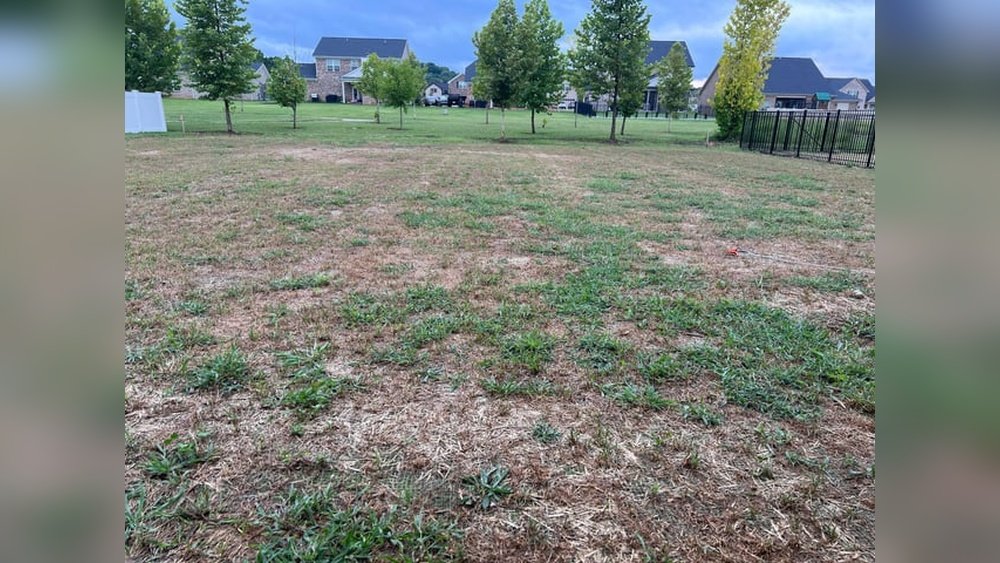
Are you ready to have a lush, green lawn that stands out in your Tennessee neighborhood? Knowing exactly when to plant Bermuda grass is the secret to achieving that vibrant, healthy yard you’ve always wanted.
Plant too early or too late, and you might face patchy growth or slow results. But don’t worry—this guide will help you pinpoint the perfect time to plant Bermuda grass in Tennessee, so your lawn thrives all season long. Keep reading, and discover how to make your grass the envy of the block.
Credit: theturfgrassgroup.com
Climate And Soil Needs
Understanding the climate and soil needs is key to growing healthy Bermuda grass in Tennessee. This grass thrives in warm weather and well-drained soil. Knowing the local weather and soil conditions helps you choose the best planting time. It also allows you to prepare your soil to support strong growth.
Tennessee Weather Patterns
Tennessee has hot summers and mild winters. Bermuda grass grows best in temperatures above 65°F. The grass needs full sun for at least 6 to 8 hours daily. Spring and early summer offer the best conditions to plant Bermuda grass. Avoid planting too early, as cold soil slows growth. Late spring provides warm soil and longer days, perfect for sprouting.
Soil Preparation Tips
Good soil supports deep roots and thick grass. Test your soil to check pH and nutrients. Bermuda grass prefers soil with a pH between 5.8 and 7.0. Add lime if the soil is too acidic. Loosen the soil to a depth of 4 to 6 inches. Remove rocks, roots, and debris for smooth planting. Mix in organic matter like compost to improve soil texture. Firm the soil lightly before planting to avoid air pockets.

Credit: theturfgrassgroup.com
Ideal Planting Seasons
Choosing the right season to plant Bermuda grass in Tennessee helps ensure strong growth. The grass thrives best when temperatures are warm and soil is ready. Planting at the right time can reduce problems with weeds and pests. Understanding the ideal planting seasons sets the stage for a healthy lawn that fills in quickly and stays green longer.
Two main seasons work well for planting Bermuda grass in Tennessee. Each season has its own benefits and fits different gardening schedules.
Spring Planting Benefits
Spring is a top choice for planting Bermuda grass. The soil warms up, creating a perfect environment for seeds to sprout. Warmer days and longer sunlight help the grass grow fast. Planting in spring gives Bermuda grass plenty of time to establish before the hot summer months arrive. Early planting also helps the grass compete with weeds.
Late Summer Options
Late summer is another good time for planting Bermuda grass. Soil temperatures stay warm, encouraging quick seed germination. Planting now helps the grass recover from summer stress. It also allows roots to grow strong before cooler weather. Late summer planting works well if spring planting was missed or if you want to repair bare spots.
Temperature Guidelines
Temperature plays a key role in growing healthy Bermuda grass in Tennessee. Knowing the right temperature helps you plant at the best time. This section explains important temperature guidelines for planting Bermuda grass.
Optimal Soil Temperatures
Bermuda grass grows best in warm soil. The soil temperature should be above 65°F. Soil temperatures between 70°F and 85°F are ideal. At these temperatures, seeds sprout quickly and roots grow strong. Planting in cooler soil slows growth and weakens the grass.
Frost Risk Periods
Frost can kill young Bermuda grass plants. Avoid planting before the last frost date in Tennessee. Frost risk usually ends by mid-April in most areas. Wait until the soil stays warm and frost chances are low. Planting after this period ensures better grass survival.
Planting Methods
Choosing the right planting method for Bermuda grass in Tennessee is important for a healthy lawn. The soil type, budget, and time all affect your choice. Two popular methods are planting seeds or using sod. Another option is sprigging, which is a bit different but effective.
Each method has its strengths. Knowing them helps you pick the best way to grow strong Bermuda grass. Let’s look at these methods closely.
Seed Vs. Sod
Planting Bermuda grass by seed is less costly. Seeds cover large areas easily. But grass from seed takes longer to grow fully. It needs more care in the early weeks. Watering often is key for seed growth.
Sod is grass already grown on soil mats. It gives instant green cover and stops soil erosion. Sod costs more than seed. It also needs quick planting after delivery to stay fresh. Sod lawns establish faster and show quick results.
Sprigging Techniques
Sprigging involves planting small grass pieces called sprigs. These come from healthy Bermuda plants. Sprigs root into soil and grow new grass blades. This method works well for large areas.
Sprigging needs less water than seeds. It takes time for sprigs to fill in completely. Proper soil preparation helps sprigs grow better. Use a rake to spread sprigs evenly across the lawn.
Watering And Maintenance
Watering and maintenance are key to growing healthy Bermuda grass in Tennessee. Proper care helps the grass establish roots and stay green through hot weather. Regular attention keeps the lawn thick and weed-free.
Initial Watering Schedule
Right after planting, water the Bermuda grass daily. Keep the soil moist but not soaked. Water for about 10 to 15 minutes each time. Do this for the first two weeks. After two weeks, reduce watering to every other day. This helps roots grow deeper. Avoid letting the soil dry out completely.
Long-term Care Tips
Once established, water Bermuda grass once or twice a week. Water early in the morning to reduce evaporation. Give the lawn about one inch of water each week. Mow the grass regularly, keeping it about 1 to 2 inches tall. Remove weeds to prevent competition for nutrients. Fertilize in late spring and summer for best growth. Aerate the soil yearly to improve root health.
Common Challenges
Bermuda grass is popular in Tennessee for its tough and green lawn. Growing it well needs care and attention. Some common challenges can affect its growth. Knowing these helps keep your grass healthy and strong.
Challenges like pests, weeds, and drought can cause problems. These issues need quick action to avoid damage. Learning how to handle them makes your planting efforts successful.
Pest And Weed Control
Bermuda grass faces many pests such as armyworms and grubs. These insects eat grass leaves and roots, causing bare spots. Watch your lawn often for any signs of pests.
Weeds also compete with Bermuda grass for water and nutrients. They can spread fast and take over your lawn. Use herbicides designed for Bermuda grass to fight weeds. Pull out weeds by hand if they are few.
Regular mowing and watering help keep pests and weeds away. A healthy lawn is less likely to suffer from these problems.
Dealing With Drought
Tennessee can have dry spells that stress Bermuda grass. Without enough water, grass turns brown and weak. Water your lawn deeply but not too often to reach the roots.
Early morning is the best time to water. It reduces water loss due to evaporation. Mulching around the grass can keep moisture in the soil longer.
Use drought-resistant varieties of Bermuda grass for better survival. Proper soil care also helps the grass hold water well.
Credit: www.lawnstarter.com
Frequently Asked Questions
When Is The Best Time To Plant Bermuda Grass In Tennessee?
The best time to plant Bermuda grass in Tennessee is late spring to early summer. Soil temperatures should be consistently above 65°F. This timing ensures strong root growth and helps the grass establish before colder weather arrives.
How Long Does Bermuda Grass Take To Grow In Tennessee?
Bermuda grass typically takes 2 to 3 weeks to germinate in Tennessee. Full establishment can take 6 to 8 weeks. Warm soil and proper watering speed up growth and help the grass fill in dense and healthy.
Can I Plant Bermuda Grass In Tennessee During Fall?
Planting Bermuda grass in Tennessee during fall is not recommended. Cooler temperatures slow growth and root development. Fall planting risks poor establishment before winter frost, leading to weak lawns the following spring.
What Soil Conditions Suit Bermuda Grass In Tennessee?
Bermuda grass thrives in well-drained, sandy to loamy soils in Tennessee. The soil should be slightly acidic to neutral, with a pH between 6. 0 and 7. 0. Proper soil preparation improves nutrient uptake and overall grass health.
Conclusion
Planting Bermuda grass at the right time helps it grow strong. In Tennessee, spring and early summer offer the best conditions. Soil warms up, and the grass takes root quickly. Avoid planting too early when frost might harm it. Water regularly and give it sunlight.
Healthy Bermuda grass creates a green, soft lawn. Patience is key, as growth takes time. Follow these tips for a beautiful yard all season. Start planting at the right moment and enjoy your lawn’s full potential.
