
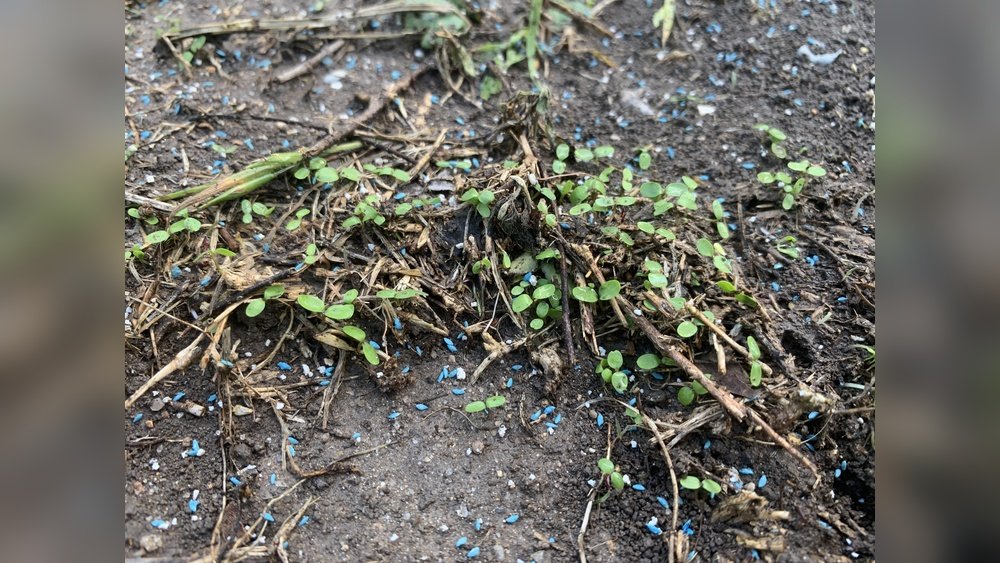
Are you planting Bermuda grass and wondering what the seedlings look like? Recognizing your Bermuda grass seedlings early can save you time and effort.
When you know what to expect, you can spot healthy growth and catch problems before they get worse. You’ll discover exactly how Bermuda grass seedlings appear, so you can feel confident in nurturing your lawn from the very start. Keep reading to learn the key signs that show your Bermuda grass is off to a great start.
Bermuda Grass Seedling Basics
Bermuda grass seedlings start small but grow fast. They have thin green blades that sprout from tiny seeds. At first, these seedlings look delicate and fragile. Observing their early growth helps gardeners care for them well. Understanding their appearance aids in spotting healthy grass from weeds.
Seedlings need sunlight, water, and warm soil to thrive. They spread quickly under good conditions. Knowing what to expect during growth makes lawn care easier.
Seedling Growth Stages
Seedlings first show thin green shoots. These shoots emerge from the soil about 7 to 14 days after planting. At this stage, the blades are narrow and soft. As they grow, the blades become darker green and stronger.
By the second week, seedlings start to develop more leaves. Roots also grow deeper to absorb nutrients. Around the third week, the grass begins to fill in patches. The growth speed depends on temperature and moisture.
Typical Size And Shape
Young Bermuda grass seedlings are usually 1 to 3 inches tall. Their blades are slender and pointed. The grass grows in small clumps at first. Each blade is flat and smooth with a bright green color.
Seedlings look like tiny green blades standing upright. They do not have thick stems yet. Over time, these blades grow longer and denser. This creates a thick, carpet-like lawn surface.
Leaf Characteristics
Bermuda grass seedlings have distinct leaf traits. These traits help identify the grass early. Understanding leaf characteristics is key for gardeners and landscapers. Let’s explore the color, texture, and shape of these young leaves.
Color And Texture
The leaves of Bermuda grass seedlings show a bright green color. This green is fresh and vibrant, signaling healthy growth. The texture feels soft but slightly rough to touch. Young leaves have tiny hairs that add a subtle fuzziness. This texture helps the grass hold moisture better.
Leaf Blade Shape
The blades are narrow and long, resembling thin ribbons. Each blade tapers to a pointed tip, making them look sharp. They grow upright, standing tall from the base. The edges are smooth, with no jagged cuts. These slim blades help Bermuda grass spread quickly across the ground.
Root Development
Root development is vital for healthy Bermuda grass seedlings. Strong roots help the grass absorb water and nutrients. They also anchor the grass firmly in the soil. Watching the root growth gives clues about the seedling’s overall health.
Early Root Structure
Bermuda grass seedlings start with a small, white root called the primary root. It grows straight down into the soil. Thin, hair-like roots soon appear around this main root. These tiny roots increase the surface area for water absorption. Early roots are fragile but grow quickly.
Root Growth Patterns
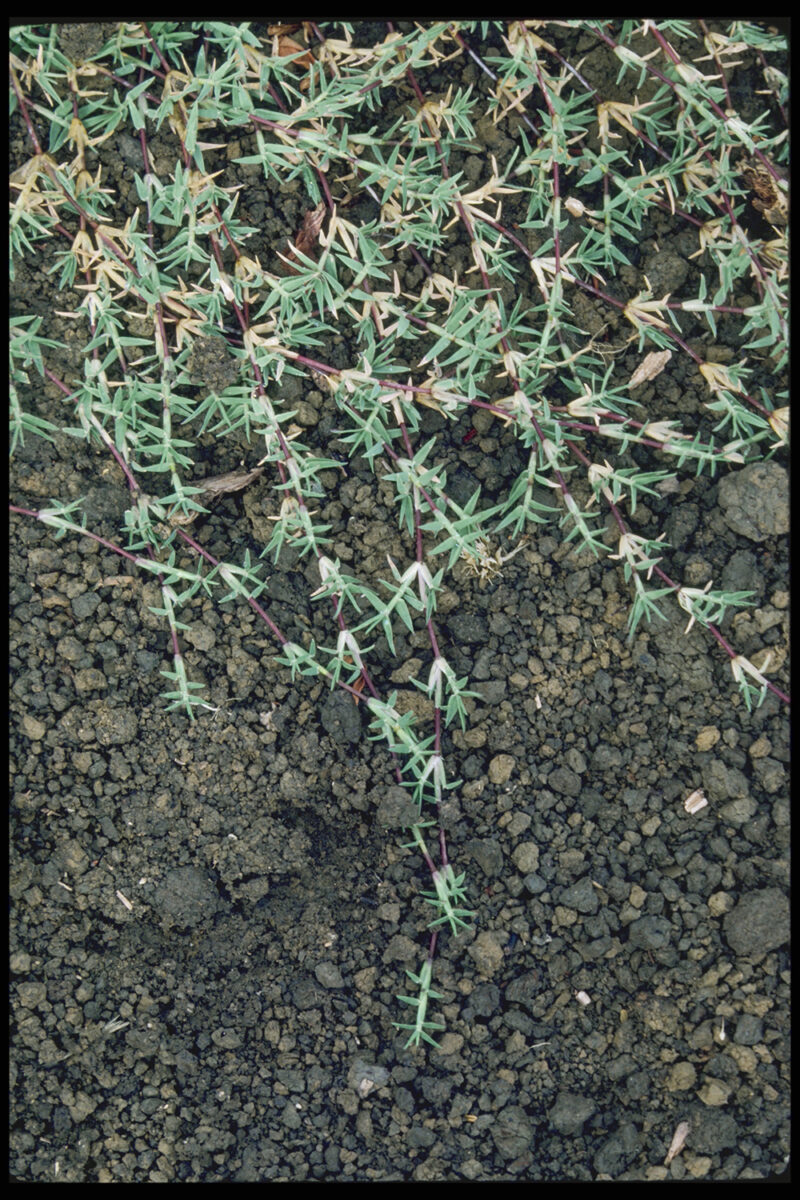
The roots spread out in a dense network below the seedling. They grow both downward and sideways. This pattern helps the grass find water deep and wide in the soil. Over time, roots thicken and become stronger. Healthy root growth supports thick, green grass blades above ground.
Credit: www.sare.org
Distinguishing Features
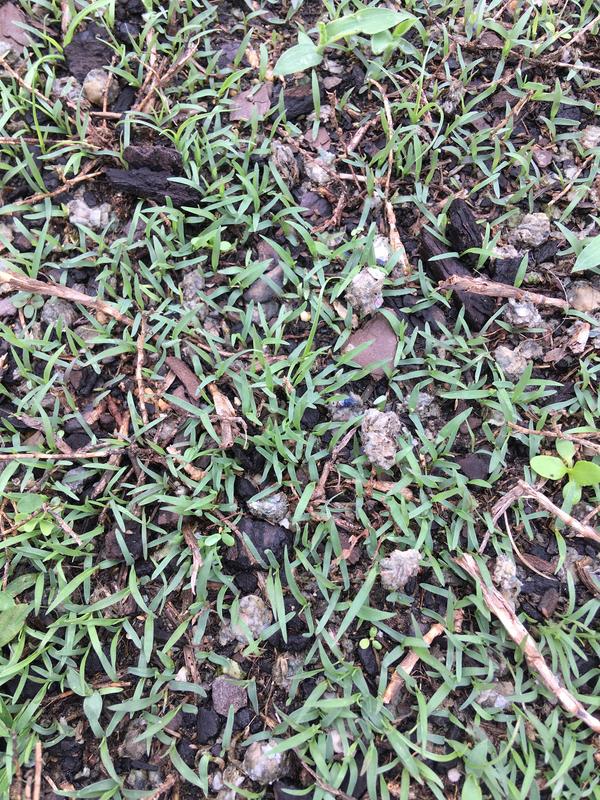
Bermuda grass seedlings are thin, bright green, and grow close to the ground. They have narrow, pointed leaves that spread quickly. Young shoots often appear in small clusters, forming a dense, soft carpet.
Bermuda grass seedlings have unique traits that help identify them. They grow thin, bright green blades that are soft to touch. The leaves are narrow and pointed at the tip. Seedlings usually show a fine texture with a dense appearance.
The stems are slender and may have tiny hairs. Young Bermuda grass often spreads close to the ground. It forms a tight mat, which helps prevent weeds. This grass also shows a fast growth rate in warm weather.
Differences From Similar Grass Types
Bermuda grass seedlings differ from other grasses by blade shape. The blades are thinner than those of St. Augustine or Zoysia. Bermuda grass has a lighter green color compared to many others. It grows faster and feels softer underfoot.
Unlike Kentucky bluegrass, Bermuda has a more spreading growth. The seedlings have a finer texture than tall fescue. The leaf edges are smooth, while some grasses show rough edges. These features make it easier to spot Bermuda seedlings early.
Common Seedling Mistakes
Many confuse Bermuda seedlings with weeds or other grass types. This mistake can slow down lawn care efforts. Some think the seedlings are dying because they look thin. Overwatering or underwatering can harm young Bermuda grass.
Planting seeds too deep causes slow or no growth. Failing to provide enough sunlight weakens the seedlings. Not removing debris can block light and air. Avoid these errors to help Bermuda grass thrive.
Environmental Impact On Appearance
Bermuda grass seedlings show different looks based on their environment. Small changes in sunlight, soil, and water can change their color, height, and thickness. Understanding these effects helps grow healthy grass.
Effects Of Sunlight
Sunlight plays a big role in how Bermuda grass seedlings grow. Bright, direct light makes seedlings green and strong. Without enough sun, they turn pale and weak. Seedlings stretch out to find more light when shaded.
Influence Of Soil Type
Soil quality affects seedling growth too. Sandy soil drains quickly but lacks nutrients. Clay soil holds water but can suffocate roots. Loamy soil balances water and nutrients, helping seedlings stay healthy and green.
Watering And Moisture
Water is key for Bermuda grass seedlings. Too little water makes them dry and brown. Too much water causes root problems and weak growth. Even moisture helps seedlings grow thick and vibrant.
Credit: www.thelawnforum.com
Tips For Healthy Seedling Growth
Growing Bermuda grass seedlings needs care and attention. Healthy seedlings lead to a strong lawn. Follow simple steps to help your seedlings grow well and stay green.
Good growth starts with the right environment and proper care. These tips make the process easier and improve results.
Optimal Planting Conditions
Bermuda grass grows best in warm, sunny spots. Seedlings need at least six hours of sunlight daily. The soil should be well-drained and loose. Avoid heavy clay or very sandy soils. Ideal soil temperature is between 65°F and 75°F. Plant seeds evenly and cover lightly with soil. Keep the soil moist but not soggy. Water gently to avoid washing seeds away. Start planting in late spring or early summer for best results.
Maintenance Practices
Water seedlings regularly, especially during dry days. Avoid overwatering to stop root rot. Mow only when grass reaches about 2 inches tall. Use a sharp mower blade to prevent damage. Fertilize with a balanced product after four weeks. Remove weeds to reduce competition for nutrients. Keep foot traffic low to protect young grass. Watch for pests and treat early if needed. Regular care ensures strong and healthy Bermuda grass.
Credit: www.thelawnforum.com
Frequently Asked Questions
What Do Bermuda Grass Seedlings Look Like Initially?
Bermuda grass seedlings appear as thin, green blades about 1 to 2 inches tall. They have a bright green color and a soft texture. Seedlings grow in clusters and show fine, narrow leaves during early stages.
How Fast Do Bermuda Grass Seedlings Grow?
Bermuda grass seedlings typically sprout within 7 to 14 days. They grow quickly, reaching several inches in height within 3 to 4 weeks. Growth depends on temperature, sunlight, and soil moisture.
Can Bermuda Grass Seedlings Survive Cold Weather?
Bermuda grass seedlings are sensitive to cold and frost. They thrive best in warm climates with temperatures above 65°F. Cold weather can stunt growth or kill young seedlings.
How To Identify Healthy Bermuda Grass Seedlings?
Healthy Bermuda grass seedlings have bright green color, uniform blade size, and steady growth. They feel soft and resilient when touched. Avoid yellowing or patchy seedlings, as these indicate poor health.
Conclusion
Bermuda grass seedlings have a thin, bright green look. They grow quickly in warm weather and need good sunlight. You will see fine blades that spread close to the ground. Knowing what seedlings look like helps you care for your lawn well.
Watch for their color and size as they grow. Healthy seedlings mean a strong, green lawn ahead. Keep the soil moist but not wet. Patience is key; the grass will fill in over time. This simple guide helps you recognize Bermuda grass seedlings easily.
