

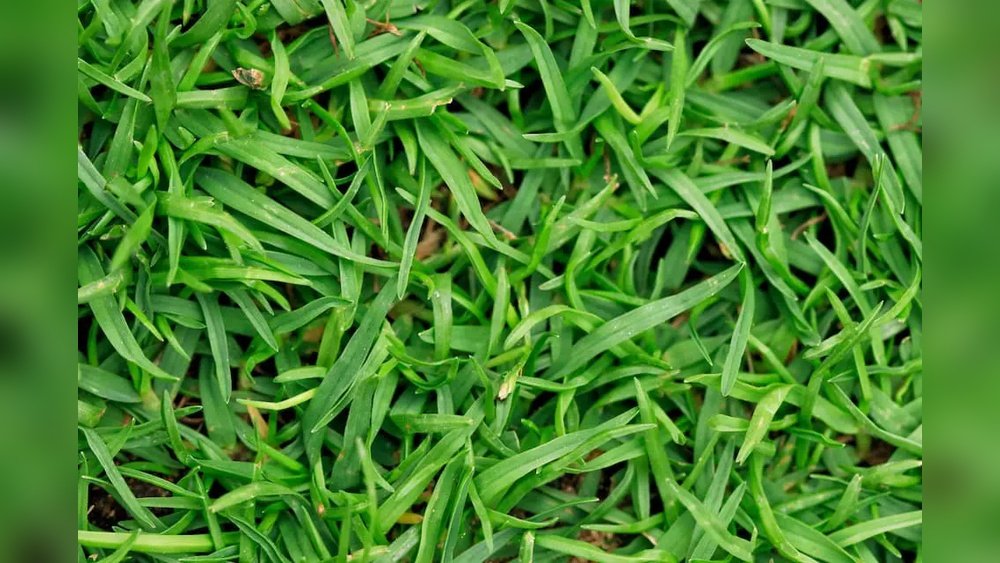
Are you struggling to keep your Bermuda grass looking lush and green? The secret to a healthy lawn isn’t just watering—it’s knowing exactly when to fertilize Bermuda grass.
Fertilizing at the wrong time can waste your effort and money, or worse, damage your lawn. But get it right, and your grass will thrive, turning your yard into the envy of the neighborhood. You’ll discover the perfect timing and tips to feed your Bermuda grass for the best results all year round.
Keep reading to unlock the key to a vibrant, healthy lawn that you’ll be proud of.
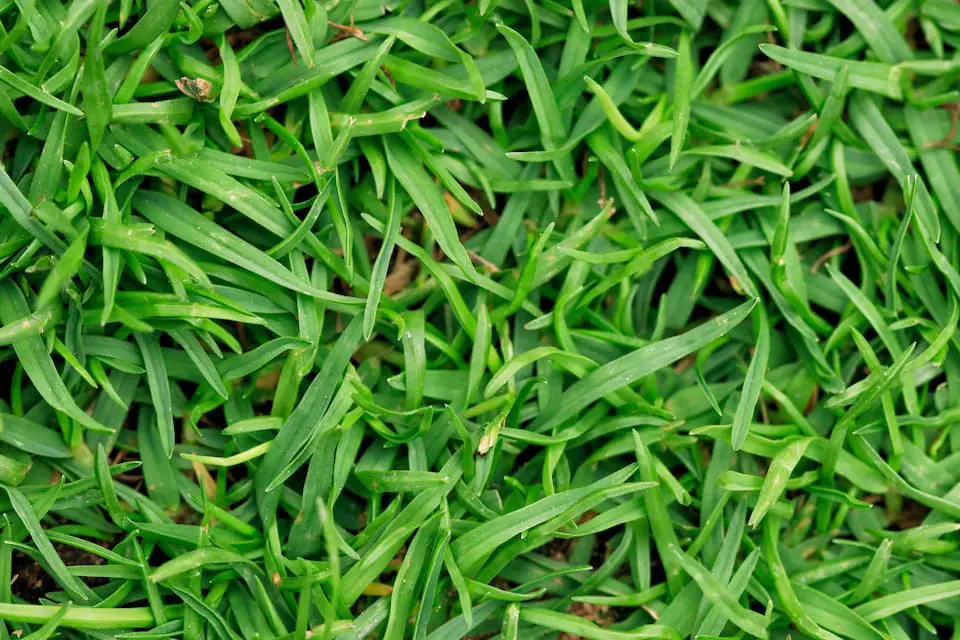
Credit: fortsmithlandscaping.com
Best Time To Fertilize
Fertilizing Bermuda grass at the right time helps it grow thick and green. Timing matters because the grass needs nutrients during its active growth. Applying fertilizer too early or late can harm the lawn or waste fertilizer. Knowing the best time to fertilize keeps your Bermuda grass healthy all year.
Spring Fertilization Tips
Start fertilizing Bermuda grass in early spring. The soil warms up, and the grass begins to grow. Use a fertilizer with nitrogen to boost growth. Apply it after the last frost date. Water the lawn lightly after fertilizing to help nutrients soak in. Avoid heavy fertilizing in very cold weather.
Summer Feeding Schedule
Summer is the peak growth time for Bermuda grass. Feed the lawn every 6 to 8 weeks. Use a balanced fertilizer with nitrogen, phosphorus, and potassium. Water the lawn deeply after each feeding. Avoid fertilizing in extreme heat to prevent stress. Mornings are the best time to fertilize in summer.
Fall Fertilizing Advice
Fertilize Bermuda grass in early fall to prepare it for winter. Use a fertilizer lower in nitrogen but higher in potassium. This strengthens roots and improves cold tolerance. Stop fertilizing by late fall as the grass slows growth. Keep watering the lawn to help absorb nutrients before dormancy.

Credit: lawnlove.com
Choosing The Right Fertilizer
Choosing the right fertilizer for Bermuda grass is key to a healthy lawn. Fertilizer provides the nutrients grass needs to grow strong and green. Different fertilizers work best at different times and conditions. Understanding the types of fertilizers helps you pick the best one for your lawn.
Nitrogen’s Role
Nitrogen is the most important nutrient for Bermuda grass. It helps the grass grow fast and stay green. Without enough nitrogen, the grass looks yellow and thin. Most fertilizers for Bermuda grass have a high nitrogen content. Applying nitrogen at the right time gives your lawn a vibrant color and thick growth.
Balanced Vs. Specialized Formulas
Balanced fertilizers have equal amounts of nitrogen, phosphorus, and potassium. They help overall lawn health. Specialized formulas focus on one or two nutrients. For example, some fertilizers have extra nitrogen for fast growth. Others have more potassium to improve drought resistance. Choose a formula based on your lawn’s specific needs.
Organic Vs. Synthetic Options
Organic fertilizers come from natural sources like compost or manure. They improve soil health and release nutrients slowly. Synthetic fertilizers are made from chemicals and act quickly. They provide fast nutrient boosts but can harm soil over time. Use organic fertilizers for long-term health. Use synthetic for quick fixes.
Signs Your Bermuda Grass Needs Fertilizer
Bermuda grass shows clear signs when it needs fertilizer. Recognizing these signs helps keep your lawn healthy and green. Watch for changes in color and growth. These are the easiest clues that your grass lacks nutrients. Soil testing offers deeper insight into what your lawn needs. Understanding these signs ensures timely fertilizing for a vibrant yard.
Color And Growth Indicators
Dull, pale green grass often means nutrient deficiency. Healthy Bermuda grass is bright green and thick. Slow growth or thinning patches also signal a need for fertilizer. Grass that turns yellow or brown lacks essential nutrients. Pay attention to these color and growth changes regularly. They tell you when your lawn needs extra care.
Soil Testing Insights
Soil testing reveals nutrient levels and pH balance. It shows if your soil lacks nitrogen, phosphorus, or potassium. Testing guides you on the type and amount of fertilizer to use. Regular soil checks prevent over-fertilizing or under-fertilizing your lawn. Testing every year or two keeps your Bermuda grass in top shape.
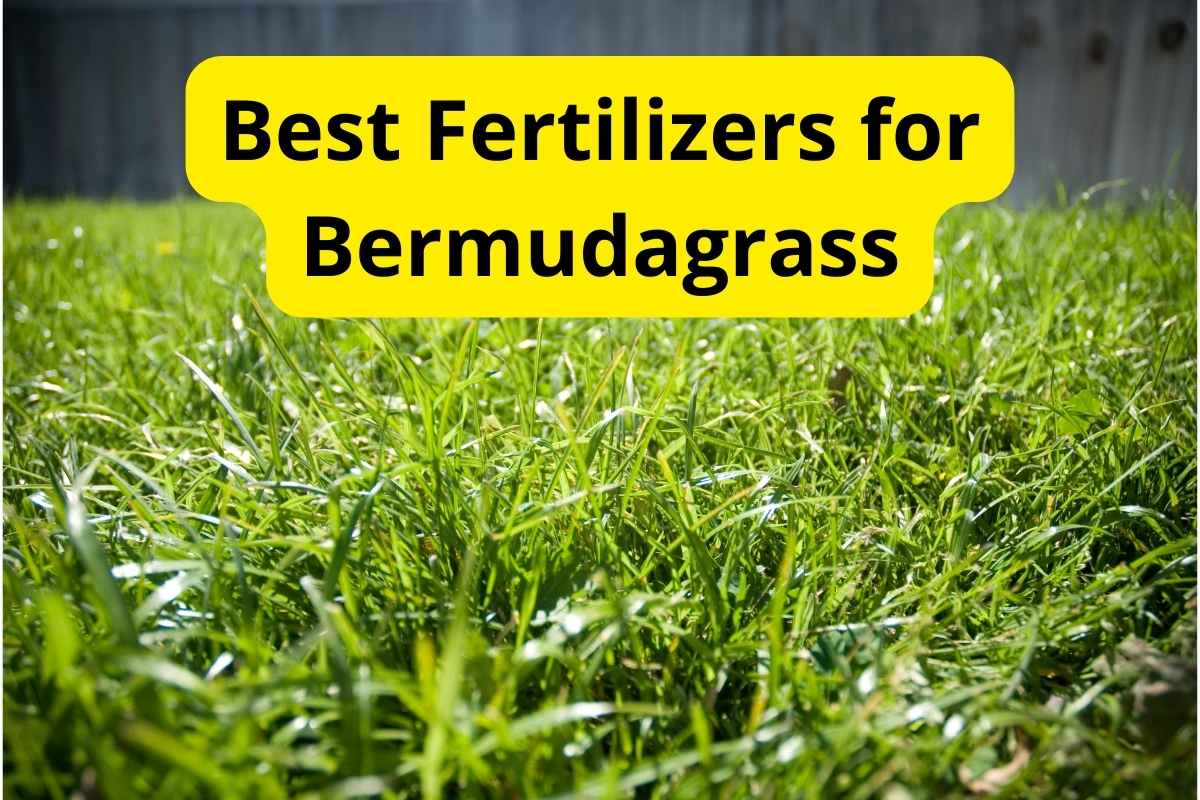
Credit: www.lawnstarter.com
How To Apply Fertilizer
Applying fertilizer to Bermuda grass needs care and attention. Proper application helps the grass grow thick and green. It also prevents waste and damage to the lawn. Follow the right steps to spread fertilizer evenly. Water the lawn correctly after spreading. Take safety measures to protect yourself and the environment.
Methods For Even Distribution
Choose a spreader for best results. A broadcast spreader covers large areas quickly. A drop spreader works well for small lawns. Walk at a steady pace to avoid clumps. Spread fertilizer in two directions for full coverage. Avoid overlapping to prevent burning the grass.
Watering After Fertilization
Water the lawn soon after applying fertilizer. This helps the nutrients soak into the soil. Use a gentle spray to avoid washing away fertilizer. Water deeply but not too often. Keep the soil moist for several days after fertilizing.
Safety Precautions
Wear gloves and a mask during application. Keep fertilizer away from children and pets. Store fertilizer in a dry, safe place. Avoid applying on windy days to reduce drift. Clean equipment after use to prevent contamination.
Common Mistakes To Avoid
Fertilizing Bermuda grass is important for a healthy lawn. Many people make mistakes that harm their grass instead of helping it. Avoiding these common errors saves time, money, and keeps your lawn green and strong.
Overfertilizing Risks
Applying too much fertilizer can burn your grass roots. It causes yellow patches and weak growth. Excess nutrients can also wash away, polluting nearby water sources. Stick to recommended amounts for safe feeding.
Timing Errors
Fertilizing at the wrong time slows grass growth. Early spring or late fall feeding can stress Bermuda grass. The best time is during active growth in late spring and summer. Feed too late or too early and your lawn won’t absorb nutrients well.
Ignoring Soil Health
Good soil is the base for healthy grass. Fertilizer won’t work well in poor soil. Test your soil before fertilizing to check pH and nutrient levels. Adding organic matter improves soil structure and helps grass absorb nutrients better.
Maintaining A Healthy Bermuda Lawn Year-round
Maintaining a healthy Bermuda lawn all year requires careful care. Bermuda grass thrives with the right balance of mowing, watering, and pest control. Each step helps keep the grass green and strong through every season.
Mowing Best Practices
Cut Bermuda grass regularly to keep it neat and healthy. Set your mower to a height of about one to two inches. Mow often enough so you never remove more than one-third of the leaf blade. This helps the grass grow thicker and prevents stress.
Irrigation Tips
Water deeply but infrequently. Give your lawn about one inch of water per week. Early morning watering reduces evaporation and fungal growth. Avoid shallow watering that encourages weak roots. Proper irrigation helps Bermuda grass stay green in dry times.
Pest And Weed Control
Check your lawn often for pests like grubs and chinch bugs. Use safe treatments to stop infestations quickly. Remove weeds by hand or use selective herbicides. Healthy grass competes well against weeds and pests. Regular care keeps your lawn clean and strong.
Frequently Asked Questions
When Is The Best Time To Fertilize Bermuda Grass?
The best time to fertilize Bermuda grass is late spring through summer. Apply fertilizer after the grass starts actively growing. Avoid fertilizing in early spring or fall to prevent stress and poor nutrient uptake.
How Often Should Bermuda Grass Be Fertilized Annually?
Bermuda grass should be fertilized 3 to 5 times per year. Space applications every 6 to 8 weeks during the growing season. This schedule supports healthy growth and vibrant green color.
What Type Of Fertilizer Is Ideal For Bermuda Grass?
Use a high-nitrogen fertilizer with a ratio like 3-1-2 or 4-1-2. Nitrogen promotes lush, green growth essential for Bermuda grass. Choose slow-release formulas to provide steady nutrients and avoid burning.
Can Bermuda Grass Be Fertilized In Fall Or Winter?
Avoid fertilizing Bermuda grass in fall or winter. The grass enters dormancy and does not absorb nutrients well. Fertilizing during dormancy can cause damage and waste fertilizer.
Conclusion
Fertilizing Bermuda grass at the right time keeps it healthy and green. Apply fertilizer in spring when grass starts growing fast. Avoid fertilizing in cold or dormant months. Use balanced fertilizer to give nutrients grass needs. Water your lawn well after applying fertilizer.
This helps nutrients soak into the soil. Regular care leads to a thick, strong lawn. Watch your grass for signs it needs feeding. Timing and care make your Bermuda grass thrive all year.
