
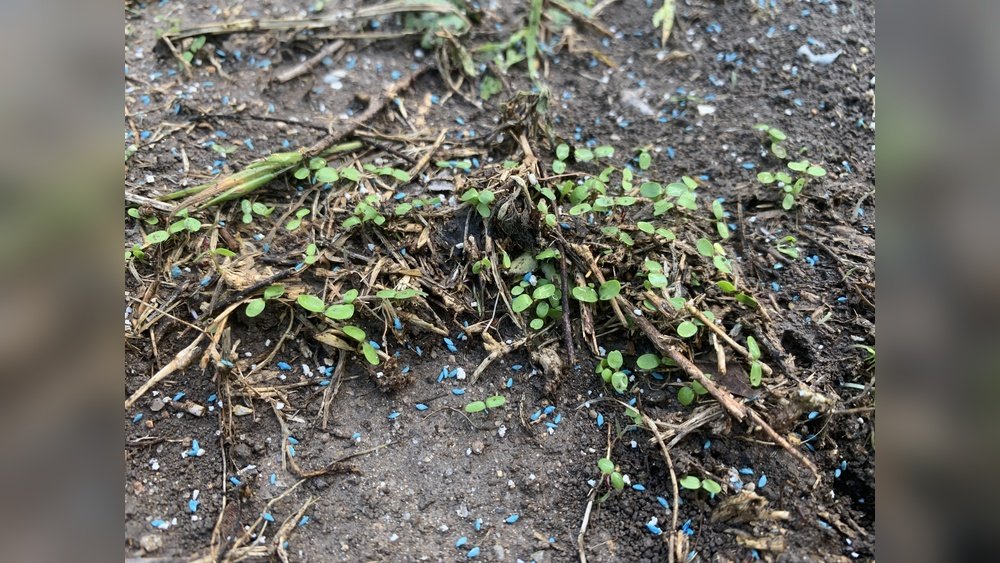
Are you watching your Bermuda grass start to grow and wondering what those first tiny sprouts should look like? Knowing exactly what to expect can help you spot healthy growth and catch any problems early.
You’ll discover how Bermuda grass looks when it first sprouts, so you can feel confident about your lawn’s progress. Keep reading to learn the simple signs of fresh Bermuda grass growth and how to care for it during those crucial early days.

Credit: www.reddit.com
Early Appearance Of Bermuda Grass
Bermuda grass has a distinct look as it first sprouts. Its early growth shows clear signs of a healthy lawn to come. Understanding these signs helps in identifying Bermuda grass quickly.
The young grass appears fresh and lively. It has unique features in color and texture. The initial leaves also have a certain size and shape. These traits make Bermuda grass easy to spot in early stages.
Color And Texture At First Sprout
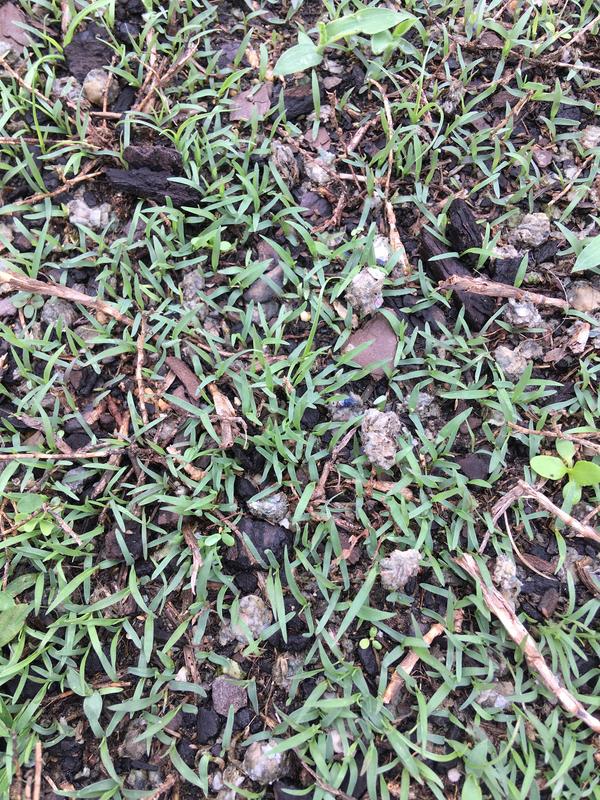
The first color of Bermuda grass is a bright green. It looks fresh and vibrant against the soil. The texture feels soft but slightly coarse to touch. The blades have a fine, narrow look. This texture helps the grass handle heat well. Early sprouts do not have a thick appearance yet. The green shade deepens as the grass grows.
Size And Shape Of Initial Leaves
Initial leaves of Bermuda grass are thin and pointed. They grow in small clusters from the base. Each leaf is about 1 to 2 inches long. The shape is narrow with a sharp tip. The edges of the leaves may appear slightly rough. These early leaves stand upright and spread out gently. Their size and form help the grass trap sunlight efficiently.
Credit: www.thelawnforum.com
Growth Patterns To Watch
Bermuda grass shows clear growth patterns in its early stages. Watching these patterns helps you understand how the grass spreads. It also gives clues about how healthy your lawn will become. Knowing what to expect makes lawn care easier and more effective.
Growth starts with tiny shoots and roots. These shoots move in different directions. This movement affects the grass’s overall look and coverage. Recognizing horizontal and vertical growth helps you track progress.
Horizontal Vs. Vertical Growth
Bermuda grass grows both horizontally and vertically. Horizontal growth happens through runners called stolons. These runners spread across the soil surface. They help the grass cover a larger area fast. Vertical growth comes from shoots growing upward. These shoots form the blades you see. Early growth shows more horizontal spread to claim space. Vertical growth increases as the grass matures.
Rate Of Spread In Early Stages
The early spread of Bermuda grass is quite fast. It can cover small patches within weeks. Warm soil and proper moisture boost this rate. Cold or dry conditions slow down growth. Fast spread helps the grass crowd out weeds. Watching this rate helps spot problems early. Slow spread may mean poor soil or lack of nutrients.
Common Mistakes In Identifying New Sprouts
Identifying Bermuda grass sprouts can be tricky for many gardeners. New sprouts look very delicate and small. Mistakes happen often, causing confusion and wrong care. Understanding common errors helps in spotting healthy grass early. This knowledge saves time and effort in lawn care.
Confusing Bermuda With Other Grasses
Many grasses share a similar look when young. Bermuda grass sprouts are thin and light green. Some weeds or other grass types may appear the same. These false sprouts can cause wrong identification. Mistaking weeds for Bermuda leads to poor lawn health. Check the leaf shape carefully. Bermuda leaves are narrow with pointed tips. Other grasses might have wider or rounder leaves. Look closely to avoid mixing up your sprouts.
Signs Of Healthy Vs. Unhealthy Sprouts
Healthy Bermuda sprouts stand upright and show bright green color. They grow steadily and feel soft to touch. Unhealthy sprouts look yellow, brown, or limp. Dry or patchy areas signal trouble. Poor soil or lack of water often causes this. Healthy sprouts have smooth edges on leaves. Unhealthy ones may have spots or tears. Early detection helps fix problems fast. Watch the sprouts daily for any changes.
Environmental Factors Influencing Appearance
Bermuda grass shows different looks as it begins to grow. Its early appearance depends on the environment. Several factors in nature change how Bermuda grass sprouts and grows. These factors affect color, texture, and size of the new shoots.
Soil And Moisture Effects
Healthy soil helps Bermuda grass sprout well. Soil full of nutrients gives the grass what it needs. Moist soil is best for new shoots. Dry soil can make grass thin and pale. Too much water causes roots to rot. Balanced moisture keeps the grass strong and green.
Impact Of Temperature And Light
Warm temperatures help Bermuda grass grow fast. Cold weather slows down sprouting. Grass looks dull and small in cold. Bright sunlight helps leaves grow wide and green. Shade makes grass grow thin and light. Good light and warm heat give the best start.
Tips For Promoting Strong Early Growth
Strong early growth sets the stage for a healthy Bermuda grass lawn. Young sprouts need care and attention to thrive. Proper watering and fertilizing support root development and green color. Avoiding common mistakes prevents damage and weak growth. Follow simple steps to help your Bermuda grass grow thick and lush from the start.
Watering And Fertilizing Techniques
Water the soil gently but deeply to reach roots. Keep the soil moist but not soaked. Early morning watering reduces evaporation and fungus risk. Use a balanced fertilizer with nitrogen for green leaves. Apply fertilizer in small amounts to avoid burning roots. Repeat feeding every two to three weeks during sprouting. Proper water and nutrients boost strong root and shoot growth.
Avoiding Common Pitfalls
Do not overwater; standing water causes root rot. Avoid walking on fresh sprouts to prevent damage. Do not apply too much fertilizer; it can burn grass. Watch for pests and diseases that harm young grass. Remove weeds quickly to reduce competition for nutrients. Keep soil loose and aerated for better root spread. Careful steps protect young Bermuda grass and help it thrive.
Credit: www.thelawnforum.com
Frequently Asked Questions
What Does Bermuda Grass Look Like When It Sprouts?
Bermuda grass sprouts as thin, bright green blades. The new shoots are fine and soft, resembling tiny grass strands. They grow quickly in warm weather and form a dense carpet.
How Long Does Bermuda Grass Take To Sprout?
Bermuda grass typically sprouts within 7 to 14 days after planting. Warm soil temperatures speed up germination. Proper watering and sunlight help ensure faster sprouting.
What Color Is Bermuda Grass When It First Appears?
New Bermuda grass shoots are light to medium green. The color deepens as the grass matures. Healthy seedlings are vibrant and uniform in color.
How Tall Is Bermuda Grass At Initial Growth?
When first sprouted, Bermuda grass blades are usually 1 to 2 inches tall. They grow rapidly and fill in the lawn within a few weeks.
Conclusion
Bermuda grass sprouts look like tiny green threads at first. They grow quickly under warm sunlight and regular watering. The young grass is soft and bright green. With care, it becomes thick and healthy. Watching it grow helps you know when to mow or water.
Knowing its early look makes lawn care easier. Start early, keep it simple, and enjoy your green lawn.
