

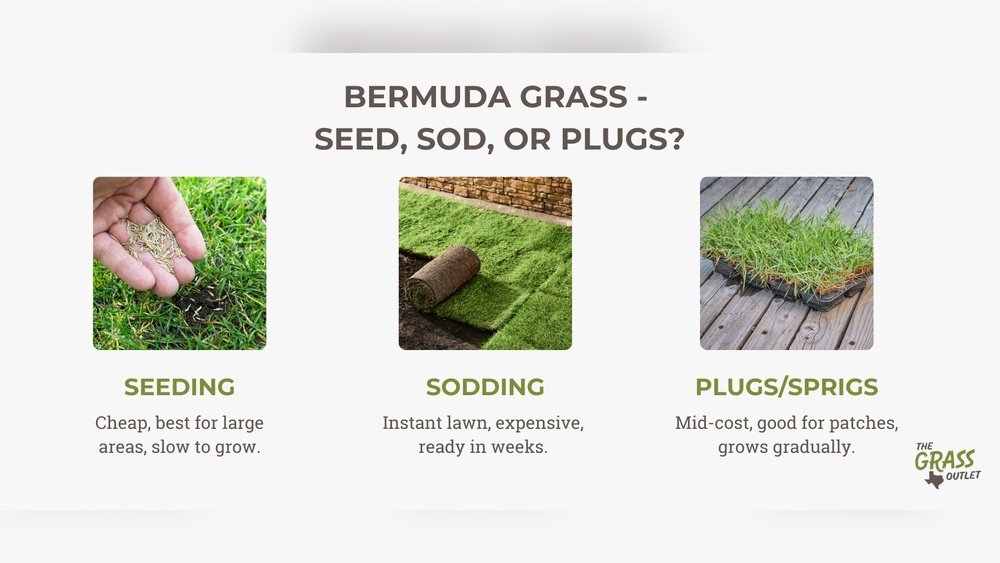
Bermuda grass typically begins to germinate within 7 to 14 days when planted in warm soil, ideally between 75°F and 85°F. Consistent moisture, good soil quality, and proper sunlight are essential for faster sprouting. Cooler or dry conditions can delay germination up to three weeks.
Are you eager to see your lawn come to life with lush, green Bermuda grass? Knowing how long Bermuda grass takes to germinate can save you time and frustration.
If you’re wondering when those tiny seeds will start to sprout and transform your yard, you’re in the right place. You’ll discover the exact timeline for Bermuda grass germination and the key factors that can speed up or slow down the process.
Keep reading to get the answers you need and take the first step toward a beautiful, healthy lawn you’ll love.

Credit: www.wikihow.com
Bermuda Grass Germination Time
Bermuda grass is a popular choice for lawns and sports fields. Knowing its germination time helps in planning your planting schedule. The grass grows from seeds that sprout under certain conditions. Understanding how long it takes to germinate can set the right expectations. This section explains the typical germination period and what affects the speed of sprouting.
Typical Germination Period
Bermuda grass seeds usually start to sprout within 7 to 14 days. Warm soil temperatures speed up this process. Ideal soil temperature is between 75°F and 85°F (24°C to 29°C). Cooler soil delays germination. In perfect conditions, you may see grass shoots in just one week. Dry or cold soil can extend this period to three weeks.
Factors Affecting Germination Speed
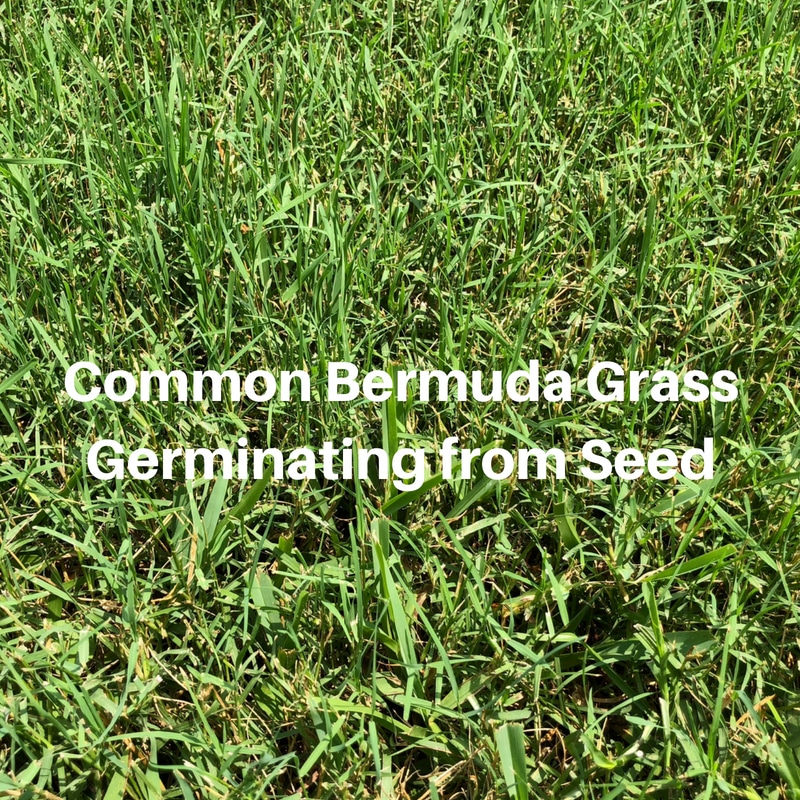
Soil temperature plays a major role in germination speed. Warm soil encourages quick sprouting. Water availability is another key factor. Seeds need consistent moisture, but not waterlogging. Poor soil quality can slow germination. Compacted or rocky soil makes it hard for roots to grow. Seed quality matters too. Old or damaged seeds take longer or fail to sprout. Proper seed planting depth also affects speed. Planting too deep slows growth; shallow planting helps quick sprouting.
Credit: houstonturfgrass.com
Ideal Conditions For Germination
Growing Bermuda grass from seed needs the right conditions. These conditions help seeds sprout quickly and grow strong. Knowing what the grass needs can save time and effort. It also helps the grass cover your lawn evenly. Below are the key factors for ideal germination.
Soil Temperature
Bermuda grass seeds start to grow best when soil is warm. The ideal temperature is between 65°F and 75°F (18°C to 24°C). Soil colder than this slows germination. If soil is too hot, seeds may dry out. Keep soil warm for faster sprouting.
Soil Moisture
Seeds need moist soil to swell and break their shell. The soil should stay damp but not soaked. Too much water can cause seeds to rot. Too little water will stop growth. Water the soil lightly every day for the best results.
Sunlight Requirements
Bermuda grass needs plenty of sunlight to grow well. It prefers full sun, at least 6 to 8 hours daily. Shade slows down germination and weakens grass. Open, sunny spots help grass spread fast and look healthy.
Preparing Soil For Planting
Preparing the soil is the first step to growing healthy Bermuda grass. Good soil helps seeds sprout fast and grow strong. Without proper preparation, seeds may struggle to germinate or grow unevenly.
Start by checking the soil’s condition and making changes if needed. This gives the grass a good place to grow. Next, work the soil to make it loose and smooth. This helps seeds settle in and take root easily.
Soil Testing And Amendment
Test the soil to know its nutrients and pH level. Bermuda grass prefers soil with a pH between 5.8 and 7.0. Use a simple test kit or send soil to a lab. Based on results, add lime to raise pH or sulfur to lower it.
Add compost or fertilizer to improve soil nutrients. This feeds the young grass and boosts growth. Mix amendments well into the top 4 to 6 inches of soil. Balanced soil encourages faster seed germination.
Tilling And Leveling
Till the soil to break up hard clumps. This creates a soft bed for seeds to settle in. Use a rototiller or garden fork to loosen the soil. Remove rocks, roots, and debris that block growth.
Level the soil surface after tilling. A flat area helps water spread evenly and prevents puddles. Use a rake to smooth the soil gently. Proper leveling supports even seed coverage and strong roots.
Planting Bermuda Grass Seed
Planting Bermuda grass seed starts with choosing the right seed and proper seeding methods. This process affects how fast the grass grows and how healthy it becomes. Good preparation helps the seed germinate quickly and grow strong roots. The soil should be warm and moist for the best results. Timing and care during planting also matter a lot.
Seed Selection Tips
Choose Bermuda grass seed that suits your climate and soil type. Look for high-quality seed with good purity and germination rates. Certified seeds have fewer weeds and better growth chances. Pick seed varieties that resist disease and tolerate heat well. Buy fresh seed to ensure faster germination. Avoid old or poor-quality seed as it slows growth.
Seeding Methods
Spread the seed evenly over prepared soil. Use a broadcast spreader or hand spreader for even coverage. Lightly rake the soil to cover the seed with a thin layer of soil. Press the soil gently to improve seed contact. Water the area lightly but often to keep soil moist. Avoid heavy watering that can wash seeds away. Use mulch to keep moisture and protect seeds from birds.
Watering Techniques After Seeding
Proper watering is key after planting Bermuda grass seeds. It helps seeds stay moist and start to grow strong roots. Watering must be done right to avoid problems like seed rot or dry patches. Learning the right watering ways makes your lawn healthy and green quickly.
Frequency And Amount
Water your Bermuda grass seeds lightly but often. Watering 2 to 3 times a day works best. Each time, use just enough water to keep the top soil damp. Avoid soaking the soil deeply at first. Seeds need moisture on the surface to germinate well. After about two weeks, reduce watering to once a day. Then water deeply to encourage roots to grow down.
Avoiding Overwatering
Too much water can harm Bermuda grass seeds. It can cause seeds to wash away or rot. Watch for puddles or soggy soil. If you see these, water less next time. Let the soil dry a little between watering. Good drainage helps prevent water buildup. Keep soil moist, not wet, for best growth.
Speeding Up Germination
Speeding up the germination of Bermuda grass can save time and help your lawn grow faster. Several simple steps can boost seed growth. These methods create the perfect environment for seeds to sprout quickly. Follow these tips to see faster results in your Bermuda grass lawn.
Pre-soaking Seeds
Pre-soaking Bermuda grass seeds softens their hard outer shell. This helps water reach the seed faster. Soak seeds in warm water for 12 to 24 hours before planting. This quickens germination by jump-starting the seed’s natural growth process. Do not soak seeds longer than 24 hours to avoid rotting.
Using Starter Fertilizers
Starter fertilizers provide essential nutrients right at the seed stage. Use a fertilizer high in phosphorus to encourage root growth. Apply fertilizer evenly on the soil before planting. This helps seedlings develop strong roots and grow faster. Follow the package directions to avoid over-fertilizing, which can harm seeds.
Maintaining Optimal Soil Conditions
Soil temperature and moisture greatly affect germination speed. Keep soil moist but not waterlogged. Water lightly and regularly to maintain consistent moisture. The ideal soil temperature for Bermuda grass is between 70°F and 85°F. Ensure soil is loose and well-drained to help roots grow easily. Avoid compacted or heavy clay soils that slow seed growth.
Common Germination Problems
Growing Bermuda grass from seed is not always easy. Many gardeners face problems that slow down or stop germination. Knowing these common issues helps to fix them fast. It improves your chance of a green, healthy lawn.
Below are common problems that affect Bermuda grass seed germination.
Seed Dormancy
Seed dormancy means the seed does not grow right away. Some Bermuda grass seeds need time or special conditions to break dormancy. This can delay germination by days or weeks. Cold or dry weather often causes this delay. Soaking seeds in water before planting can help. Also, buy fresh seeds to avoid old, dormant ones.
Pest And Disease Issues
Pests like insects and birds can eat or damage the seeds. This lowers the number of seeds that grow. Diseases like fungi can infect seeds or young sprouts. They cause the seeds to rot or the shoots to die. Treat the soil and seeds with safe products to protect them. Keep the lawn clean and dry to reduce disease risks.
Environmental Challenges
Temperature affects how fast Bermuda grass seeds grow. Too cold or too hot slows germination. Seeds need warm soil, usually between 70°F and 95°F. Poor soil quality or lack of water also stops seeds from sprouting. Heavy rain can wash seeds away. Wind can dry the soil too fast. Plant seeds in good soil and water them gently to help them grow.
Post-germination Care
After Bermuda grass seeds sprout, proper care is key to strong growth. Post-germination care helps grass develop deep roots and a lush green color. It also reduces the risk of weeds and diseases. Follow simple steps to keep your lawn healthy and thick.
Mowing Guidelines
Wait until Bermuda grass grows to about 2 to 3 inches tall before mowing. Cut only the top third of the grass blades. Use a sharp mower blade for clean cuts. Mowing too short can stress young grass. Keep mowing regularly to encourage dense growth.
Fertilization Schedule
Feed Bermuda grass with a balanced fertilizer after the first mowing. Use nitrogen-rich fertilizer for green, healthy blades. Apply fertilizer every 6 to 8 weeks during the growing season. Avoid over-fertilizing, as it can harm the grass. Water the lawn after fertilizing to help nutrients absorb.
Weed Control
Keep an eye out for weeds as Bermuda grass grows. Remove weeds by hand or use a selective herbicide safe for Bermuda. Apply herbicides only after the grass is well established. Healthy, thick Bermuda grass naturally crowds out many weeds. Regular lawn care reduces weed problems over time.

Credit: www.sierravistagrowers.net
Frequently Asked Questions
How Long Does Bermuda Grass Take To Germinate?
Bermuda grass seeds typically germinate within 7 to 14 days under optimal conditions. Warm soil temperatures between 65°F and 85°F speed up the process. Proper watering and sunlight also promote faster germination.
What Soil Temperature Is Best For Bermuda Grass Germination?
The ideal soil temperature for Bermuda grass germination ranges from 65°F to 85°F. Soil below 60°F slows germination significantly. Warm soil ensures seeds sprout quickly and establish healthy roots.
How Often Should I Water Bermuda Grass Seeds?
Water Bermuda grass seeds lightly and frequently to keep the soil moist. Water 2 to 3 times daily during germination. Avoid overwatering to prevent seed rot and encourage strong root growth.
When Will Bermuda Grass Seeds Sprout After Planting?
Bermuda grass seeds usually sprout within 7 to 14 days after planting. Sprouting depends on soil warmth, moisture, and seed quality. Consistent care speeds up visible growth.
Conclusion
Bermuda grass usually starts to grow within 7 to 21 days. Warm soil and proper watering help seeds sprout faster. Patience is key during this time. Keep the soil moist but not soaked. Avoid heavy foot traffic on new grass.
Regular care leads to a healthy, green lawn. Remember, good conditions speed up germination. Your effort will soon show in lush Bermuda grass. Enjoy the process and watch your lawn thrive.
