

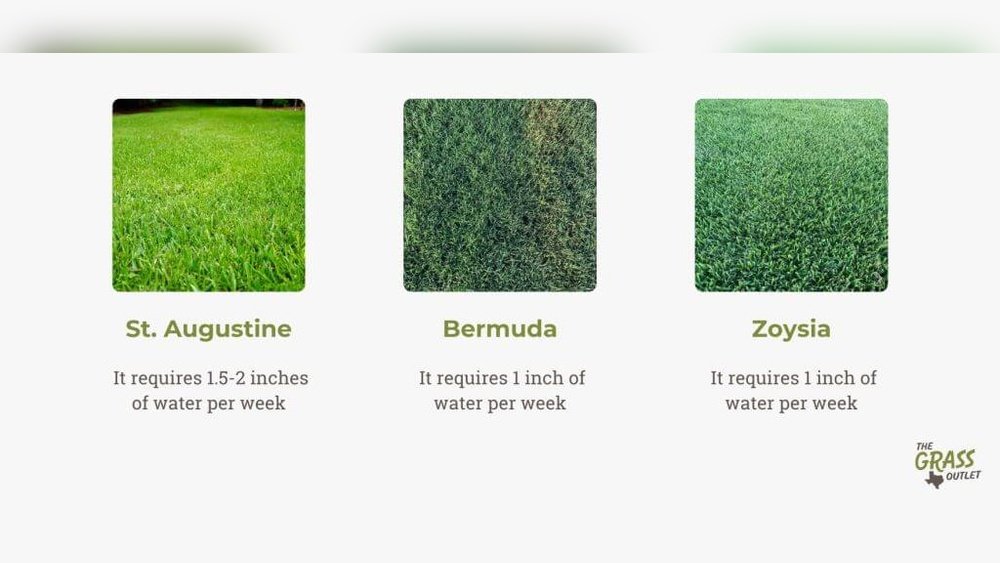
Bermuda grass should be watered deeply about once or twice a week during hot months, reducing to once a week in cooler seasons. Adjust frequency based on soil type, climate, and rainfall to avoid overwatering or underwatering, ensuring a healthy, green lawn without wasting water.
Are you wondering how often you should water your Bermuda grass to keep it healthy and green? Getting the right watering schedule can make all the difference between a vibrant lawn and one that looks dry and tired.
If you water too little, your grass could suffer; water too much, and you might be wasting time and resources. You’ll discover simple, practical tips to help you find the perfect balance. Keep reading to unlock the secrets to a lush Bermuda grass lawn that will make your yard the envy of the neighborhood.
Credit: www.gilbertaz.gov
Water Needs Of Bermuda Grass
Bermuda grass needs the right amount of water to stay green and healthy. Water helps the grass grow strong roots and fight stress. Too much water can cause problems like disease. Too little water makes the grass dry and brown. Understanding how much water Bermuda grass needs helps you keep your lawn fresh and lush.
Seasonal Water Requirements
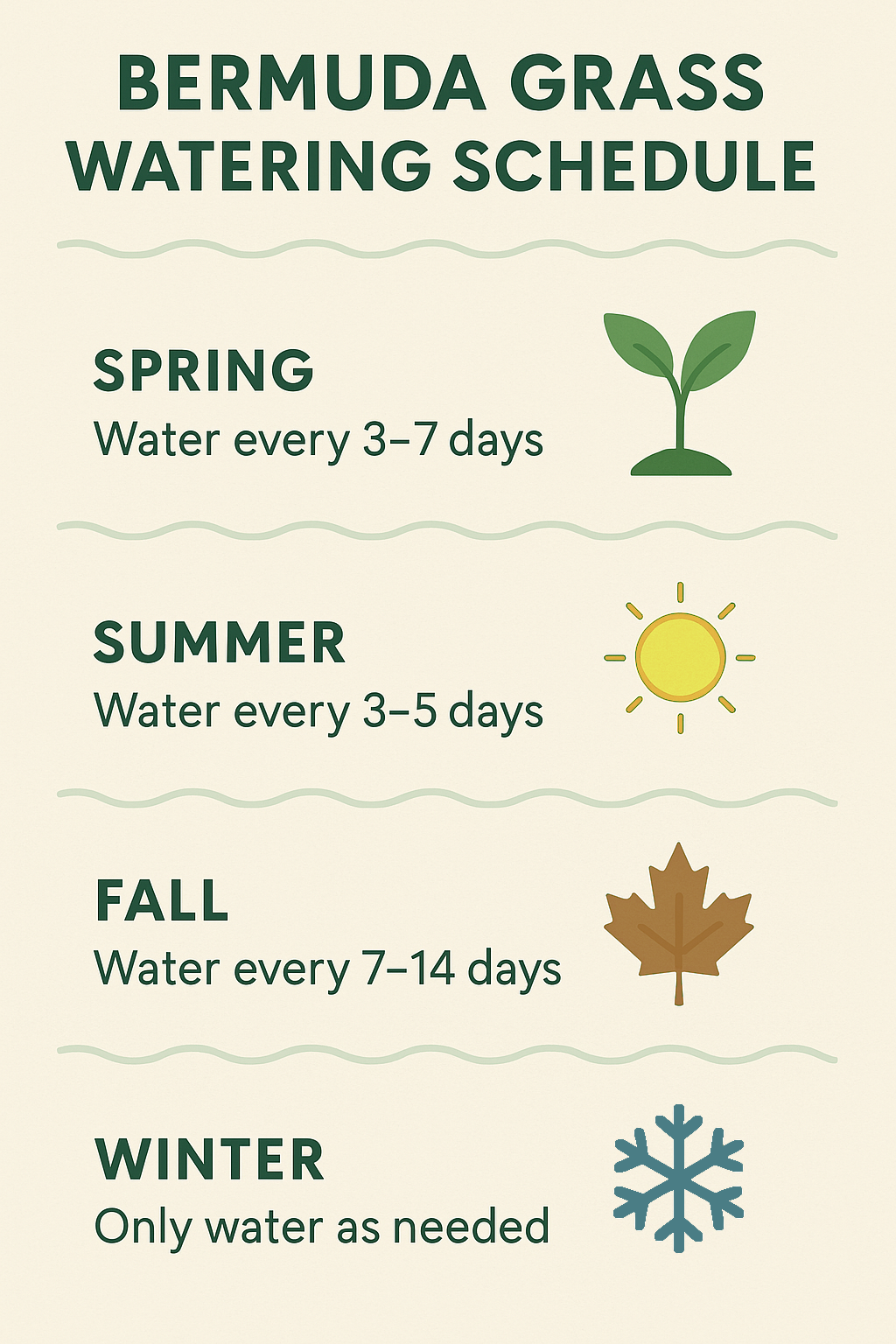
Bermuda grass needs more water in hot summer months. The heat makes the soil dry faster. Water deeply once or twice a week in summer. In spring and fall, reduce watering to once a week. During winter, Bermuda grass goes dormant and needs very little water. Adjust watering based on the season to save water and keep grass healthy.
Impact Of Soil Type
Sandy soil drains water quickly. Bermuda grass in sandy soil needs more frequent watering. Clay soil holds water longer, so water less often. Loamy soil is best, holding moisture and draining well. Check your soil type to set the right watering schedule. Proper watering prevents water waste and root damage.
Effects Of Climate
Dry climates make Bermuda grass need more water. High heat and wind cause quick evaporation. Humid climates reduce water needs because moisture stays in the soil longer. Rainfall also affects watering frequency. Watch the weather and adjust watering to match climate conditions. This keeps Bermuda grass strong and green.
Credit: www.visitsosoutdoor.com
Signs Of Underwatering And Overwatering
Knowing the signs of underwatering and overwatering helps keep Bermuda grass healthy. Both conditions can harm your lawn. They affect the grass’s color, texture, and growth. Detecting problems early saves time and effort in lawn care.
Wilting And Discoloration
Wilting grass blades often show underwatering. The leaves curl and feel dry. The color turns light green or brown. Overwatered Bermuda grass looks dull and yellow. The blades may stay flat and soft. Both signs mean stress in the grass.
Pest And Disease Risks
Dry grass attracts pests that feed on weak plants. It can also develop brown patches. Too much water creates a damp environment. This promotes fungal diseases like mold and mildew. Lawn damage increases if pests or diseases spread.
Soil Moisture Indicators
Check soil moisture to find watering needs. Dry soil feels hard and crumbly below the surface. Wet soil stays soft and muddy for long. Use a soil probe or finger test. Proper moisture keeps Bermuda grass strong and green.
Best Times To Water
Watering Bermuda grass at the right time helps it grow strong and green. The timing affects how much water the grass can absorb. Watering too late or too early can waste water or harm the grass. Let’s see the best times to water and why they matter.
Morning Vs Evening Watering
Morning is the best time to water Bermuda grass. The air is cooler and the sun is not too strong. Water stays on the grass longer, soaking deep into the soil. This helps roots grow well.
Evening watering can leave the grass wet overnight. This can cause fungus and diseases. The cooler night air slows water drying. So, avoid watering late in the day.
Avoiding Evaporation Loss
Water evaporates fast under hot sun. Watering early in the morning reduces evaporation. More water reaches the roots. Watering during midday wastes water. The sun heats the water before it soaks in.
Use a sprinkler that delivers water slowly. This helps reduce runoff and evaporation loss.
Adjusting For Weather Changes
Hot, dry days need more frequent watering. Bermuda grass dries quickly in heat. After rain, skip watering to avoid overwatering. Cooler days need less water.
Check the soil before watering. If it feels moist, wait a day before watering again. Adjust watering times based on weather to keep grass healthy and save water.
Watering Techniques For Healthy Growth
Proper watering techniques are essential for Bermuda grass to grow healthy and strong. Watering affects root depth, grass color, and disease resistance. Using the right method helps save water and keeps your lawn green. Below are key watering techniques to help Bermuda grass thrive.
Deep Vs Shallow Watering
Deep watering means soaking the soil to a depth of 6 to 8 inches. This encourages roots to grow deeper and makes the grass more drought-resistant. Shallow watering wets only the top 1 to 2 inches of soil. It causes roots to stay near the surface, making grass weak and dry quickly. Deep watering less often is better than shallow watering often.
Using Sprinklers And Irrigation Systems
Sprinklers spread water evenly over the lawn. Choose sprinklers that cover the right area without wasting water. Irrigation systems can be set to water at specific times and amounts. This keeps the lawn moist without overwatering. Both methods help maintain consistent moisture for Bermuda grass.
Manual Vs Automated Watering
Manual watering uses a hose or watering can. It gives control but takes time and effort. Automated watering uses timers and sensors to water automatically. It saves time and ensures regular watering. Automated systems reduce the chance of forgetting to water the lawn. Both methods work well if done correctly.
Maintaining A Lush Bermuda Lawn
A lush Bermuda lawn stands out with its rich green color and thick growth. Maintaining this vibrant look needs more than just watering. Consistent care helps Bermuda grass stay healthy and strong. Healthy roots hold water better and resist drought stress. Let’s explore ways to keep your Bermuda lawn lush and green all year.
Complementary Lawn Care Practices
Regular mowing keeps Bermuda grass dense and neat. Cut at the right height, about 1 to 2 inches. Remove weeds to reduce competition for water and nutrients. Aerate the soil to improve water absorption and root growth. Aeration allows air and moisture to reach deep roots. These simple steps support healthy grass and better water use.
Fertilization And Watering Synergy
Fertilizing Bermuda grass boosts growth and color. Use a balanced fertilizer with nitrogen, phosphorus, and potassium. Apply fertilizer right before watering. Water helps dissolve nutrients and carry them to roots. Avoid over-fertilizing as it can harm the grass. Proper fertilization and watering together improve lawn health and water efficiency.
Seasonal Adjustments
Bermuda grass needs more water during hot, dry months. Reduce watering frequency in cooler seasons to prevent overwatering. Adjust mowing height seasonally to match growth patterns. Fall and winter require less fertilization and watering. Seasonal care changes keep Bermuda grass healthy year-round.

Credit: www.youtube.com
Frequently Asked Questions
How Often Should Bermuda Grass Be Watered Weekly?
Bermuda grass typically needs watering 2-3 times a week. Adjust frequency based on weather and soil type. Water deeply to encourage strong roots. Avoid shallow watering to prevent weak growth and disease.
What Is The Best Time To Water Bermuda Grass?
Water Bermuda grass early morning, between 6 AM and 10 AM. This timing reduces evaporation and fungal growth. It helps grass absorb moisture efficiently before the heat of the day.
How Much Water Does Bermuda Grass Need Per Session?
Bermuda grass requires about 1 inch of water per session. This amount moistens the soil to around 6 inches deep. Use a rain gauge or container to measure water accurately.
Can Overwatering Harm Bermuda Grass Health?
Yes, overwatering can cause root rot and fungal diseases. It leads to shallow roots and weak grass. Ensure soil dries slightly between watering sessions to keep Bermuda grass healthy.
Conclusion
Bermuda grass grows best with regular watering, not too much or little. Water deeply but less often to keep roots strong. Early morning is the best time to water. This helps the grass stay green and healthy. Watch the weather and adjust watering during rain or heat.
Proper watering saves water and keeps your lawn lush. Simple care makes Bermuda grass look great all season. Keep it steady and enjoy a beautiful yard every day.
