
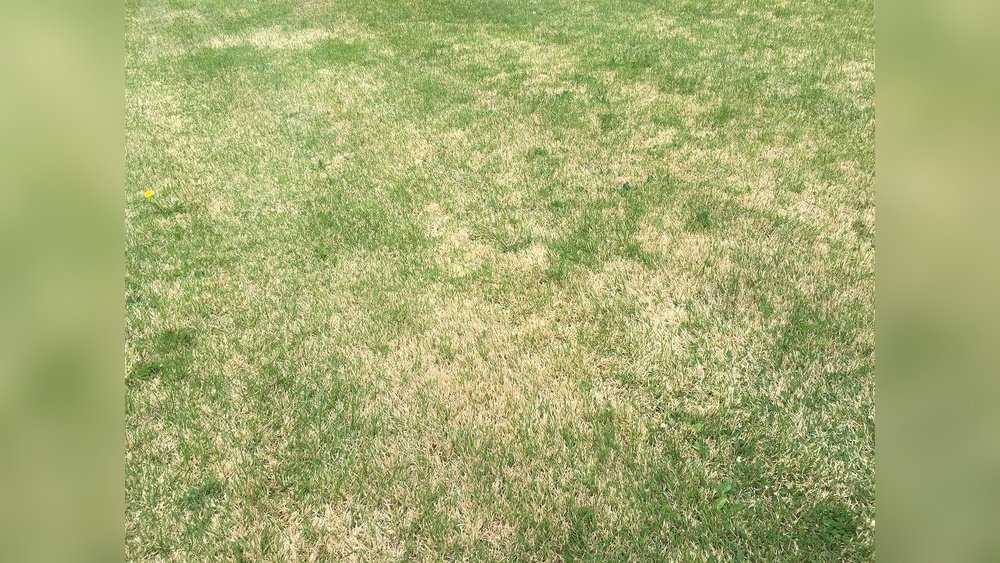
Is your beautiful green lawn suddenly showing yellow patches? You might be wondering, “Why is my Zoysia grass turning yellow?”
It’s frustrating to see your yard lose its vibrant color, especially when you’re not sure what’s causing it. But don’t worry—understanding the reasons behind this change can help you fix the problem fast. You’ll discover the common causes of yellowing Zoysia grass and learn simple steps to bring your lawn back to life.
Keep reading to restore that lush, green carpet you’ve been dreaming of.
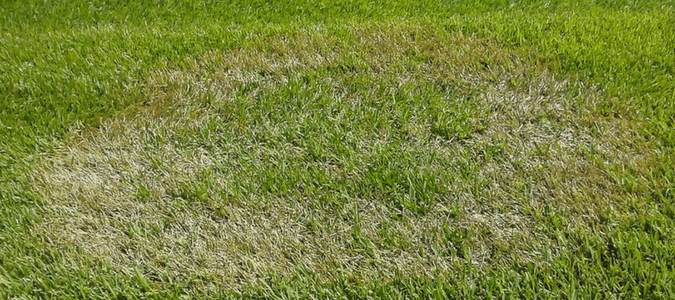
Credit: blog.abchomeandcommercial.com
Common Causes Of Yellowing Zoysia Grass
Zoysia grass is a popular choice for lawns because it is tough and beautiful. Still, it can turn yellow for many reasons. Knowing these causes helps you fix the problem fast. Yellowing means the grass is not healthy and needs attention.
Several common issues lead to yellow Zoysia grass. These problems affect the grass’s color, growth, and strength. Understanding each cause helps keep your lawn green and lush.
Nutrient Deficiencies
Zoysia grass needs nutrients like nitrogen, iron, and potassium. Without these, the grass turns yellow and weak. Lack of nitrogen often causes a pale, yellow look. Iron deficiency leads to yellow leaves with green veins. Regular fertilizing can prevent nutrient shortages.
Watering Issues
Both too much and too little water cause yellowing. Overwatering drowns roots and stops oxygen flow. Underwatering makes the grass dry and yellow. Water your lawn deeply but less often for best health.
Pest Infestations
Insects like chinch bugs and grubs harm Zoysia grass. They eat roots and leaves, causing yellow spots. Check your lawn for pests regularly. Treat infestations early to save your grass.
Soil Compaction
Compacted soil blocks air and water from reaching roots. This stress turns grass yellow and thin. Aerate your lawn to loosen the soil. This helps roots grow strong and healthy.
Improper Mowing
Cutting grass too short shocks Zoysia and makes it yellow. Mowing with dull blades tears grass and invites disease. Set mower height to 1-2 inches and sharpen blades often.
Disease Problems
Fungal diseases like brown patch cause yellowing and dead spots. Warm, wet conditions spread these diseases quickly. Use fungicides if needed and keep the lawn clean.
Environmental Stress
Heat, cold, and drought stress Zoysia grass and cause yellowing. Extreme weather weakens grass and slows growth. Protect your lawn with proper care during tough seasons.
Diagnosing The Yellowing Problem
Yellowing Zoysia grass can signal several problems. Early diagnosis helps save your lawn quickly. Look closely at the soil, pests, watering, and care habits. Each factor affects grass health differently.
Checking Soil Nutrient Levels
Soil needs the right nutrients for green grass. Test soil to find nutrient shortages. Nitrogen is key; low levels cause yellow leaves. Add fertilizer based on test results. Avoid over-fertilizing, which can harm grass.
Inspecting For Pests And Diseases
Pests like grubs or chinch bugs damage roots and leaves. Check grass blades and soil for insects. Diseases such as fungal infections also cause yellow patches. Spot irregular spots or mold on grass. Treat problems early to prevent spread.
Assessing Watering Patterns
Zoysia grass needs consistent watering. Too little water causes stress and yellow color. Too much water leads to root rot and yellowing. Water deeply but less often for best results. Adjust watering during rainy or dry seasons.
Evaluating Lawn Care Practices
Mowing too short weakens grass and causes yellow tips. Use a sharp mower blade to avoid damage. Aerate soil to improve air and water flow. Remove thatch buildup to help roots breathe. Follow proper care routines for healthy grass.
Fixes For Nutrient-related Yellowing
Yellowing in Zoysia grass often signals nutrient problems. Fixing these issues helps bring back its rich green color. Proper care and attention to soil health are key. Nutrients must be balanced for the grass to thrive. Below are practical steps to correct nutrient-related yellowing.
Fertilizer Recommendations
Use a fertilizer with a balanced ratio of nitrogen, phosphorus, and potassium. Nitrogen boosts green growth, so apply it carefully. Too much nitrogen can harm the grass. Choose a slow-release fertilizer to feed the lawn steadily. Apply fertilizer during the growing season for best results. Follow package instructions to avoid over-fertilizing. Regular feeding supports healthy, green Zoysia grass.
Soil Amendment Tips
Amend soil to improve nutrient uptake and structure. Add organic matter like compost to enrich the soil. This helps retain moisture and nutrients longer. Aerate compacted soil to allow roots to grow better. Sand or peat moss can improve drainage and texture. Healthy soil leads to stronger, greener grass. Test soil before adding amendments for best results.
Ph Adjustment
Zoysia grass prefers slightly acidic to neutral soil (pH 6.0-7.0). Test soil pH with a simple kit. Lime raises pH if soil is too acidic. Sulfur lowers pH if soil is too alkaline. Adjust pH slowly and retest after a few weeks. Proper pH ensures nutrient availability to the grass roots. Balanced pH supports vibrant, green growth and prevents yellowing.

Credit: www.youtube.com
Correcting Watering And Drainage Problems
Yellowing Zoysia grass often signals watering or drainage issues. Fixing these problems helps your lawn stay green and healthy. Proper water care and good soil drainage prevent stress and damage to the grass.
Proper Watering Techniques
Water Zoysia grass deeply but less often. This encourages strong roots that grow deep into the soil. Avoid shallow watering, which makes roots weak and yellow grass more likely. Early morning watering reduces evaporation and helps grass absorb water better. Use a sprinkler that spreads water evenly to avoid dry spots.
Improving Soil Drainage
Poor drainage causes water to pool and suffocate grass roots. To improve drainage, aerate the soil with a lawn aerator. This creates small holes allowing air and water to reach roots. Add organic matter like compost to loosen heavy soil. Avoid compacting the soil by limiting foot traffic on wet grass.
Managing Pests And Diseases
Yellowing Zoysia grass often signals pest or disease problems. Managing these issues early helps keep your lawn healthy. Understanding pests and diseases aids quick action. This section explains how to identify pests, treat issues, and prevent future problems.
Identifying Common Pests
Look for small insects like chinch bugs and grubs. These pests feed on grass roots and blades. Signs include yellow patches and thinning grass. Check for tiny bugs moving on the grass surface. Also, inspect soil for white grubs. Spotting pests early reduces lawn damage.
Treatment Options
Use insecticides targeting specific pests. Apply treatments according to product instructions. Natural options include neem oil or insecticidal soap. For severe infestations, consider professional pest control. Treat affected areas promptly to stop spread. Water lawn after applying chemicals to help absorption.
Preventive Measures
Keep your lawn healthy with proper mowing and watering. Avoid overwatering, which attracts pests. Aerate soil to improve root health. Remove dead grass and debris regularly. Use pest-resistant grass varieties for new lawns. Regular lawn care reduces risk of pests and diseases.
Improving Lawn Care Practices
Improving your lawn care habits can help fix yellow Zoysia grass. Simple changes in how you cut, aerate, and manage thatch can boost grass health. These steps improve root growth and help the grass get water and nutrients. Healthy grass stays green and strong.
Mowing Guidelines
Cut Zoysia grass at the right height, about 1 to 2 inches tall. Avoid cutting too short. Short cuts stress the grass and cause yellow patches. Mow often enough so you only trim one-third of the blade each time. Use sharp mower blades to prevent tearing. Clean cuts heal faster and reduce disease risk.
Aeration Benefits
Aerate your lawn to relieve soil compaction. This process makes holes in the soil. Holes allow air, water, and nutrients to reach roots better. Aeration helps roots grow deeper and stronger. It also reduces water runoff and puddles. Aerate at least once a year in spring or fall for best results.
Thatch Control
Thatch is a layer of dead grass and roots on the soil surface. Too much thatch blocks water and nutrients. This causes yellow grass and weak growth. Remove thatch by raking or using a dethatcher machine. Keep thatch under half an inch thick. Regular control helps grass breathe and absorb food better.
Preventing Future Yellowing
Preventing future yellowing of your Zoysia grass keeps your lawn green and healthy all year. Simple care steps make a big difference. Consistent attention helps your grass stay strong against stress and disease. Follow these tips to maintain a vibrant lawn without yellow patches.
Seasonal Maintenance
Seasonal care helps your Zoysia grass thrive. In spring, aerate the soil to improve root growth. Apply fertilizer to boost nutrients. During summer, water deeply but less often. This encourages deep roots and reduces yellowing. In fall, remove dead leaves to prevent mold. Winter care includes avoiding heavy traffic on dormant grass.
Choosing The Right Grass Variety
Select a Zoysia variety suited to your climate and soil. Some types handle heat better, others resist cold. Picking the right variety lowers stress on your lawn. It reduces chances of yellowing caused by unsuitable conditions. Consult local garden centers to find the best match for your area.
Monitoring Lawn Health Regularly
Check your lawn often for early signs of yellowing. Look for patches, thinning, or pests. Test soil pH to ensure it stays balanced. Adjust watering and feeding based on grass needs. Early action stops yellow spots from spreading. Regular care keeps your lawn lush and green.
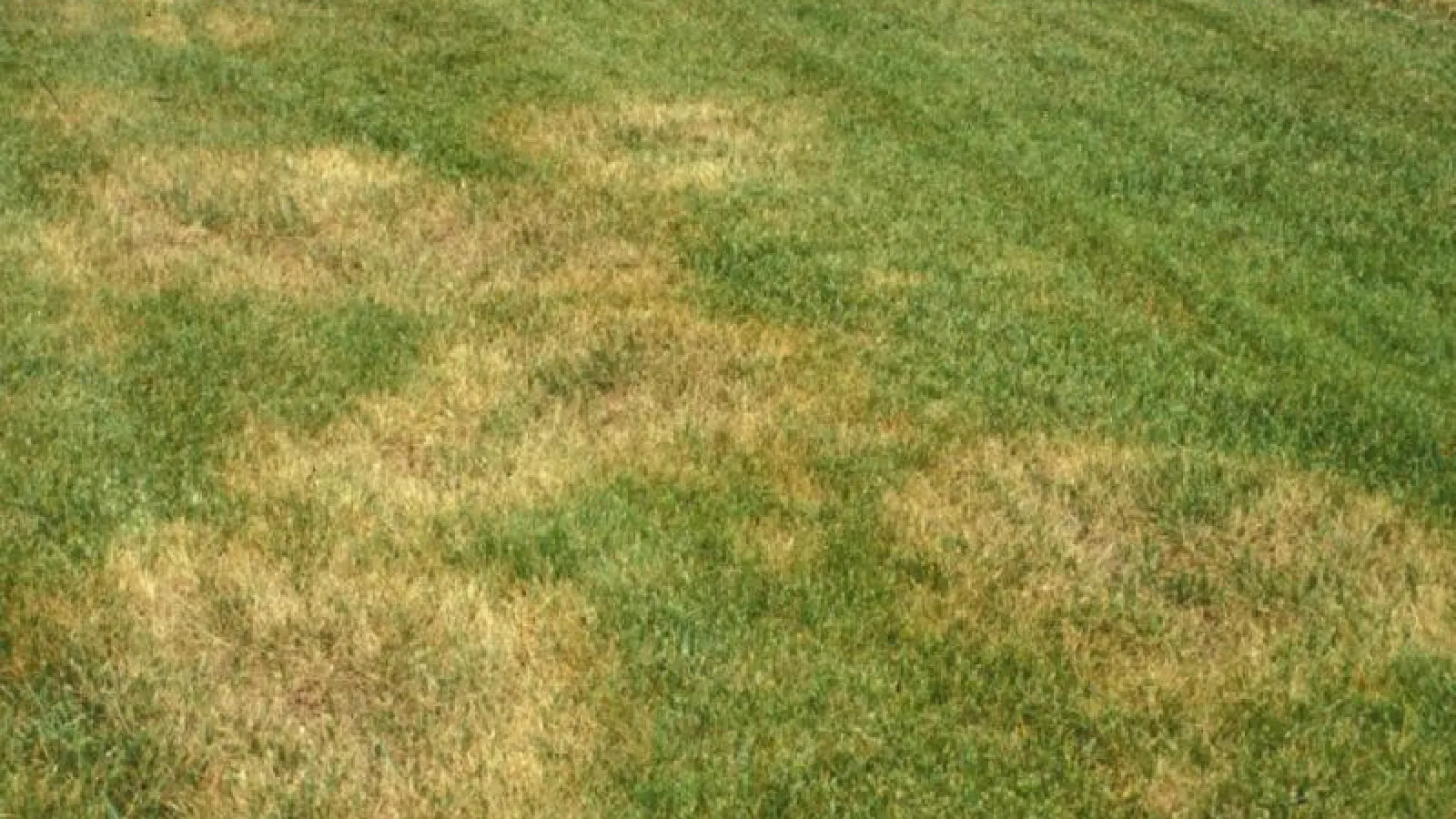
Credit: turfmasterslawncare.com
Frequently Asked Questions
Why Is My Zoysia Grass Turning Yellow In Summer?
Zoysia grass often yellows in summer due to heat stress or drought. Lack of water and intense sun cause chlorophyll loss, leading to yellowing. Proper watering and occasional shade help maintain its green color during hot months.
Can Overwatering Cause Zoysia Grass To Turn Yellow?
Yes, overwatering can drown roots, causing yellowing. Excess water reduces oxygen in soil, promoting root rot and nutrient deficiency. Water Zoysia grass deeply but infrequently for best results.
Does Nutrient Deficiency Make Zoysia Grass Yellow?
Nutrient shortages, especially nitrogen, cause yellowing in Zoysia grass. Fertilize with a balanced lawn fertilizer in growing seasons to restore its green color and health.
How Does Soil Ph Affect Zoysia Grass Color?
Improper soil pH can limit nutrient uptake, causing yellow grass. Zoysia prefers slightly acidic to neutral soil (pH 6-7). Test soil and adjust pH to maintain vibrant green grass.
Conclusion
Yellow Zoysia grass signals a problem in your lawn care. Poor watering or lack of nutrients often causes this issue. Check soil moisture and feed your grass with balanced fertilizer. Watch for pests or diseases that harm grass health. Proper care helps Zoysia regain its green color.
Stay patient and consistent with your lawn routine. Your grass will look healthy and vibrant again soon.
