
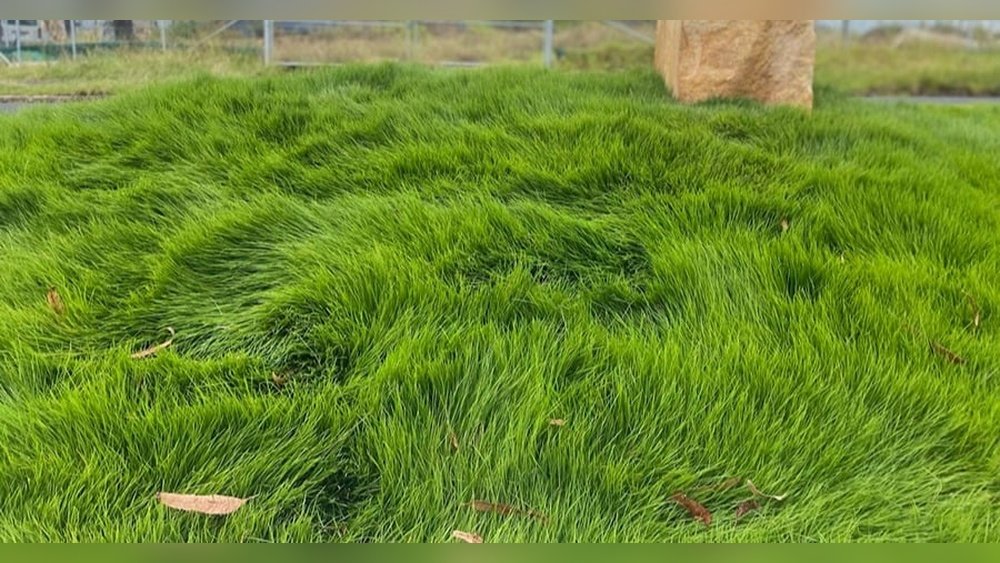
Are you looking to create a lush, green lawn that stays beautiful all year round? Zoysia grass might be the perfect choice for you.
But before you grab a bag of seeds or sod, you need to know exactly where to plant it to get the best results. Planting Zoysia in the right spot can save you time, effort, and money while giving your yard that thick, soft carpet you’ve always wanted.
Keep reading to discover the ideal conditions and locations for planting Zoysia grass, so your lawn becomes the envy of the neighborhood.

Credit: www.jclandscapingllc.com
Ideal Climate For Zoysia Grass
Zoysia grass grows best in certain climates. Knowing the right climate helps your lawn stay healthy and green. This grass type thrives where temperatures, sunlight, and rainfall suit its needs. Understanding these factors ensures strong growth and fewer problems.
Temperature Preferences
Zoysia grass prefers warm temperatures. It grows well between 75°F and 95°F. It can survive mild winters but may go dormant in cold weather. Extreme cold or frost can damage the grass. It is perfect for regions with hot summers and mild winters.
Sunlight Requirements
Zoysia grass needs plenty of sunlight. It grows best with at least 6 hours of sun daily. It can tolerate some shade but grows slower there. Too much shade causes thin, weak grass. Choose a spot that gets good sun most of the day.
Rainfall Needs
Zoysia grass likes moderate rainfall. It grows well with 1 to 1.5 inches of water weekly. Too much water can cause root problems. Too little water makes the grass turn brown and dry. Regular watering helps keep it green and healthy.
Credit: www.melindamyers.com
Choosing The Right Soil
Choosing the right soil is very important for planting Zoysia grass. This grass grows best in certain soil types and conditions. The soil affects how well the grass roots develop and how healthy the lawn looks. Understanding soil needs helps ensure a thick, green lawn that lasts.
Soil Type Compatibility
Zoysia grass prefers sandy loam or clay loam soils. These soils hold moisture but also drain well. Heavy clay soils can be tough for Zoysia roots to grow in. Loose, well-aerated soils make it easier for roots to spread. Avoid soils that are too rocky or compacted.
Soil Ph Levels
Zoysia grows best in soil with a pH between 6.0 and 7.0. This range is slightly acidic to neutral. Soils outside this range can affect nutrient uptake. Test the soil pH before planting. Adjust the pH by adding lime to raise it or sulfur to lower it. Balanced pH helps the grass absorb nutrients well.
Drainage Considerations
Good drainage is crucial for Zoysia grass health. Water should not pool or stay on the surface for long. Poor drainage causes root rot and weak grass. Check the soil’s drainage by digging a small hole and filling it with water. If the water drains within a few hours, the soil drains well. Improve drainage by mixing organic matter into heavy soils.
Perfect Lawn Locations
Zoysia grass grows best in certain lawn locations. Choosing the right spot helps it thrive and stay green. This grass likes warm soil and good sunlight. It is tough but needs proper conditions to look its best. Knowing where to plant Zoysia grass can save effort and give a lush lawn.
Sunny Areas
Zoysia grass loves full sun. It grows thick and strong in these spots. Sunlight helps the grass make food and stay healthy. Pick places that get at least six hours of direct sun each day. Lawns in open yards or areas without tall trees are perfect.
Partial Shade Spots
Zoysia can handle some shade but not too much. It does well in spots with 3 to 6 hours of sun daily. Light shade from trees or buildings is okay. These areas keep the grass cooler in hot weather. It might grow slower but still stay green.
Avoiding Heavy Shade
Heavy shade is bad for Zoysia grass. Thick shade blocks sunlight and weakens the grass. It can cause thin growth and bare patches. Avoid planting under large trees or near tall buildings that block sun. Choose brighter spots for a healthy lawn.

Credit: commons.wikimedia.org
Zoysia Grass In High-traffic Zones
Zoysia grass thrives in areas where many feet walk daily. It stands up well to heavy use without turning brown fast. This makes it a smart choice for paths, playgrounds, and sports fields. The grass forms a thick mat that handles pressure and recovers quickly. It stays green longer than many other grasses under stress. Choosing Zoysia for busy spots gives you a lawn that looks good and lasts through wear.
Durability Factors
Zoysia has dense blades that protect soil from damage. Its roots grow deep, holding soil tight and reducing dirt patches. The grass grows slowly, so it does not get worn out quickly. It resists drought better than many other grasses. These traits help Zoysia survive trampling and stay healthy. Sunlight helps Zoysia grow strong in busy places. It needs good soil with proper drainage to stay tough.
Maintenance Tips
Cut Zoysia grass to about one to two inches tall. Mow often to keep blades fresh and thick. Water deeply but less often to encourage strong roots. Remove weeds that compete for space and nutrients. Aerate soil yearly to allow air and water to reach roots. Fertilize lightly in spring and summer for steady growth. Avoid heavy traffic after rain to prevent soil compaction. These steps help Zoysia stay green and resilient in busy areas.
Planting Near Garden Features
Planting Zoysia grass near garden features requires careful thought. The grass should blend well and not damage other plants or structures. Proper placement helps maintain a healthy lawn and a beautiful garden.
Around Trees And Shrubs
Plant Zoysia grass a few feet away from tree trunks. This space prevents root competition for water and nutrients. The grass grows well under the shade of trees if trimmed regularly. Avoid thick mulch rings that block sunlight to the grass. Keep the area clean to reduce pests and disease risks.
Close To Walkways And Patios
Zoysia grass thrives near walkways and patios with good sunlight. Leave a small gap between the grass and hard surfaces. This gap stops the grass from encroaching onto walkways. Edging helps keep the lawn neat and prevents damage. Regular mowing keeps the grass from growing too tall near patios.
Managing Water And Irrigation
Managing water and irrigation is key to growing healthy Zoysia grass. This grass type needs the right water amount to stay green and strong. Too little water makes it dry and thin. Too much water can cause root problems. Proper watering helps Zoysia develop a deep root system that lasts through dry periods.
Watering Frequency
Zoysia grass needs less water than many other grasses. Water deeply but less often. About once or twice a week is enough. Water early in the morning to reduce evaporation. During hot, dry weather, increase watering slightly. Watch the grass color. Brown spots mean it needs water. Avoid watering every day. Shallow watering leads to weak roots.
Irrigation Methods
Choose irrigation methods that deliver water evenly and slowly. Sprinklers work well for large areas. Use drip irrigation or soaker hoses for small patches. These methods save water and reduce runoff. Avoid watering in strong wind to prevent water loss. Check your irrigation system often for leaks or clogs. Proper irrigation keeps Zoysia grass healthy and saves water.
Common Challenges In Placement
Planting Zoysia grass can bring a beautiful, green lawn. Yet, placing it well comes with challenges. These problems affect growth and health. Knowing common issues helps prepare for success.
Dealing With Pests
Pests can harm Zoysia grass quickly. Grubs, armyworms, and chinch bugs are common threats. They eat grass blades and roots. This causes brown patches and weak spots. Regular checks for pests keep damage low. Use natural or chemical treatments to control them. Early action saves your lawn from serious harm.
Handling Soil Compaction
Soil compaction stops Zoysia roots from growing deep. Hard soil blocks water, air, and nutrients. The grass looks thin and stressed. Avoid heavy traffic on the lawn to reduce compaction. Aerate soil by poking small holes regularly. This lets roots breathe and grow stronger. Good soil helps Zoysia thrive and stay green.
Frequently Asked Questions
Where Is The Best Location To Plant Zoysia Grass?
Zoysia grass thrives in full sun but tolerates partial shade. Choose well-drained soil with moderate fertility. Avoid heavy shade or waterlogged areas for optimal growth and durability.
Can Zoysia Grass Grow In Shaded Areas?
Zoysia grass tolerates light shade but grows best with at least 4-6 hours of sunlight. Excessive shade reduces growth and density, leading to thinning and weed invasion.
What Soil Type Suits Zoysia Grass Planting?
Zoysia grass prefers sandy loam to clay soils with good drainage. It adapts to various pH levels but thrives best in slightly acidic to neutral soil (pH 6-7).
Is Zoysia Grass Suitable For High-traffic Areas?
Yes, Zoysia grass is durable and tolerates moderate foot traffic. Its dense growth recovers quickly, making it ideal for lawns, parks, and sports fields.
Conclusion
Zoysia grass grows best in warm, sunny places with good soil. It needs space to spread and enough water to stay green. Choose areas that get plenty of sunlight and avoid heavy shade. Planting on well-drained soil helps roots grow strong and healthy.
This grass works well in yards, parks, and sports fields. Care for it by watering and mowing regularly. With the right spot, Zoysia grass creates a soft, green lawn that lasts long. Simple steps lead to a beautiful, easy-to-maintain yard.
