

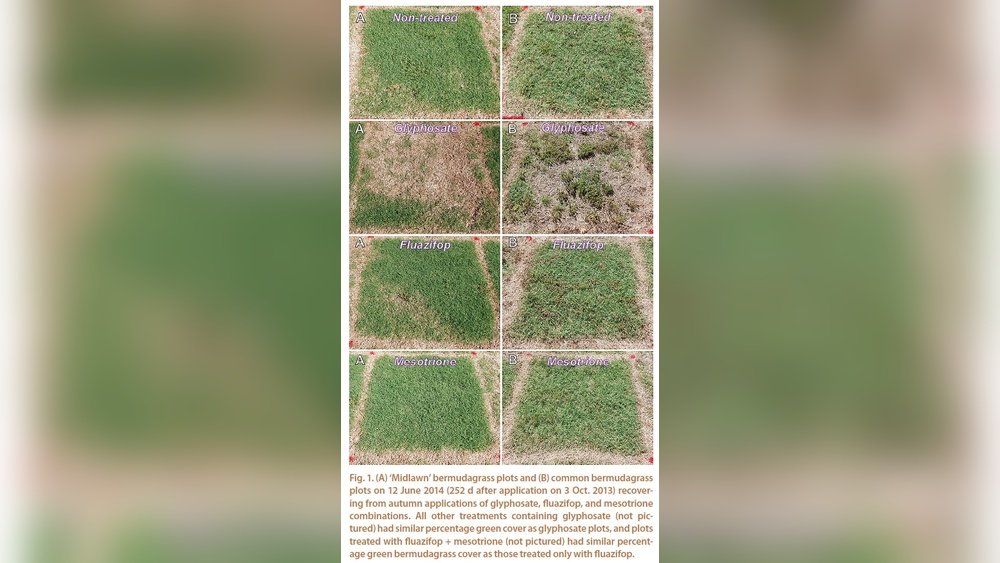
To treat Bermuda grass effectively, start by identifying it and understanding its growth habits. Control its spread with targeted mowing, proper watering, and selective herbicides if needed. Maintaining soil health and using the right lawn care tools also helps keep Bermuda grass healthy and manageable.
Are you struggling with stubborn Bermuda grass taking over your lawn or garden? You’re not alone.
Bermuda grass can be tough to control, but with the right approach, you can manage it effectively. You’ll discover simple, proven methods to treat Bermuda grass and keep your outdoor space looking its best. Whether you want to remove it completely or just keep it in check, the tips ahead will help you take charge and see real results.
Keep reading to find out exactly what you need to do.
Identifying Bermuda Grass
Identifying Bermuda grass is the first step in treating it effectively. This grass type has distinct features that help spot it quickly. Knowing its look, growth, and common areas helps control its spread.
Physical Characteristics
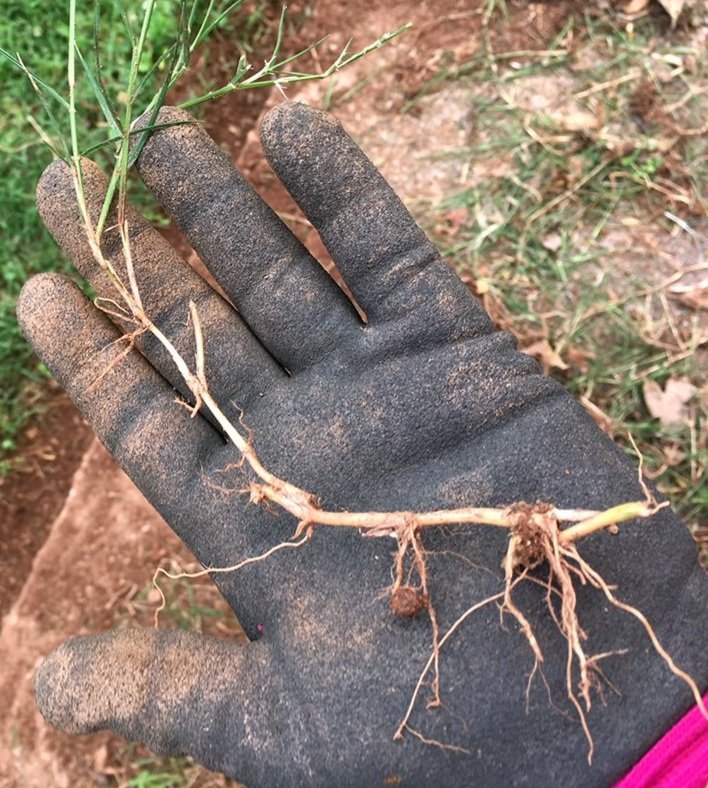
Bermuda grass has thin, green blades. The leaves are rough and pointed. It grows close to the ground in dense mats. The stems are hairy and often have small runners. These runners help the grass spread fast.
Growth Patterns
This grass grows quickly in warm weather. It spreads through underground stems called rhizomes. Above ground, it sends out runners called stolons. These allow Bermuda grass to cover large areas fast. It can survive drought and recovers well from damage.
Common Regions
Bermuda grass thrives in warm, sunny places. It is common in southern United States and tropical areas. It grows well in sandy or clay soils. Homeowners often find it in lawns, sports fields, and roadsides. It can invade gardens and compete with other plants.
Preparing Your Lawn
Preparing your lawn is the first step to treat Bermuda grass effectively. Proper preparation helps the grass grow strong and healthy. It also stops weeds and pests from taking over your yard. Follow these simple steps to get your lawn ready.
Soil Testing
Test your soil before planting or treating Bermuda grass. Soil testing shows the pH and nutrient levels. This helps decide what fertilizer to use. You can buy a soil test kit or send a sample to a lab. Testing ensures your lawn gets the right care.
Clearing Existing Weeds
Remove weeds before planting Bermuda grass. Weeds compete for water and nutrients. Pull out weeds by hand or use a weed killer. Be careful to choose a product safe for Bermuda grass. Clearing weeds gives your lawn space to grow.
Choosing The Right Tools
Select tools that make lawn care easier. A lawn mower with sharp blades cuts Bermuda grass cleanly. Use a rake to remove dead grass and leaves. A spreader helps apply fertilizer evenly. Good tools save time and improve lawn health.
Planting Bermuda Grass
Planting Bermuda grass creates a strong, green lawn that stands up to heat and heavy use. This grass type spreads quickly and fills in bare spots well. Proper planting helps it grow thick and healthy. Follow simple steps to ensure your Bermuda grass thrives.
Selecting Seeds Or Sod
Choose high-quality Bermuda grass seeds or sod for best results. Seeds cost less and cover large areas easily. Sod offers instant green but costs more. Check seed labels for disease resistance and climate suitability. Fresh sod should be moist and green without dry patches.
Optimal Planting Time
Plant Bermuda grass in late spring or early summer. Warm soil helps seeds sprout quickly. Avoid planting during cold or rainy seasons. Sod also establishes best in warm weather. Water often after planting to keep soil moist and encourage root growth.
Seeding Techniques
Spread seeds evenly over prepared soil for uniform growth. Use a seed spreader for large areas. Lightly rake soil to cover seeds with a thin layer of dirt. Press soil gently to improve seed contact. Water daily until grass starts growing. Avoid heavy foot traffic during this time.
Watering Practices
Watering is key to keeping Bermuda grass healthy and green. Proper watering helps the grass grow deep roots. This makes it strong and drought-resistant. Knowing how often and how much to water saves water and prevents lawn problems.
Irrigation Frequency
Bermuda grass usually needs watering two to three times a week. Each session should give about 1 inch of water. This helps the soil stay moist but not soaked. During hot, dry days, increase watering to keep the grass alive. In cooler weather, reduce watering to avoid water waste.
Watering Methods
Use sprinklers or drip irrigation for even watering. Sprinklers cover large areas and mimic natural rain. Drip systems deliver water directly to roots, reducing evaporation. Water early in the morning to lower water loss. Avoid watering at night to prevent fungus growth.
Avoiding Overwatering
Too much water makes Bermuda grass weak. It can cause root rot and fungus problems. Check the soil moisture before watering again. Let the top 1 to 2 inches dry out between waterings. Proper drainage also stops water from pooling on the lawn.
Fertilizing Tips
Fertilizing Bermuda grass is key to keeping it green and healthy. Proper nutrients boost growth and help the grass fight pests and weeds. Knowing what fertilizer to use, when to apply it, and how to manage soil nutrients makes a big difference. These tips help you care for your lawn with ease.
Best Fertilizer Types
Choose fertilizers high in nitrogen for Bermuda grass. Nitrogen helps the grass grow thick and lush. Look for products labeled as lawn fertilizers with balanced nutrients. Slow-release fertilizers feed the grass evenly over time. This reduces the risk of burning and keeps the lawn healthy longer.
Application Schedule
Start fertilizing in spring as the grass begins to grow. Apply fertilizer every 6 to 8 weeks during the growing season. Stop feeding in late fall to let the grass rest in winter. Use smaller amounts often, instead of a large dose at once. This keeps the grass strong and green throughout the year.
Soil Nutrient Management
Test your soil to know its nutrient levels. This helps you avoid over-fertilizing or missing key nutrients. Add lime if the soil is too acidic to improve nutrient uptake. Water the lawn after fertilizing to help nutrients reach the roots. Healthy soil supports better grass growth and reduces disease risks.
Credit: www.organicgrowersschool.org
Mowing Guidelines
Mowing Bermuda grass properly helps keep it healthy and thick. Proper mowing stops weeds and disease. It also helps the grass grow strong and green. Follow these simple mowing tips to care for your Bermuda grass.
Ideal Cutting Height
Cut Bermuda grass to about 1 to 1.5 inches tall. This height lets sunlight reach the roots. It also helps the grass grow evenly. Cutting too short can hurt the grass. Too tall can make it weak and patchy.
Mowing Frequency
Mow Bermuda grass often during the growing season. Usually, mow once a week. In hot weather, mow twice a week if needed. Never remove more than one-third of the grass blade at once. This keeps the grass healthy and stops stress.
Equipment Recommendations
Use a sharp mower blade for clean cuts. Dull blades tear the grass and cause brown tips. A reel mower works well for Bermuda grass. Gas or electric mowers are fine, but keep blades sharp. Clean mower decks to avoid spreading disease.
Controlling Pests And Diseases
Controlling pests and diseases is key to keeping Bermuda grass healthy. Pests and diseases can damage the grass quickly. They reduce the grass’s growth and green color. Early detection helps save your lawn. Regular checks and prompt actions keep the grass strong.
Common Pests
Several pests attack Bermuda grass. Grubs eat the roots, causing dead patches. Armyworms feed on leaves, leaving holes. Chinch bugs suck the plant’s sap, making the grass dry and yellow. Mites and aphids also harm the grass. Knowing these pests helps in taking quick action.
Disease Symptoms
Diseases show clear signs on Bermuda grass. Brown patches appear on the lawn. The grass may look wilted or thin. Fungal spots or mold can form on leaves. Some diseases cause the grass to die in small areas. Spotting these symptoms early stops spread.
Treatment Options
Treat pests with insecticides made for lawns. Use the right amount to avoid damage. For diseases, fungicides work well if applied early. Water the lawn correctly to prevent fungus. Aerate the soil to improve air flow. Remove dead grass to stop disease growth. Healthy care reduces pest and disease problems.
Seasonal Care
Seasonal care is key to keeping Bermuda grass healthy all year. Each season needs specific steps to support growth and prevent damage. Follow simple tips to maintain a lush, green lawn.
Spring Maintenance
Start by cleaning the lawn from winter debris. Rake dead grass and leaves to clear the surface. Apply a balanced fertilizer to help roots grow strong. Aerate the soil to improve air and water flow. Mow the grass regularly, but keep the blade high. Water deeply but less often to encourage deep roots.
Summer Strategies
Cut Bermuda grass shorter in summer to reduce heat stress. Water early in the morning to avoid evaporation. Check for pests like grubs or chinch bugs and treat quickly. Use a slow-release fertilizer to provide steady nutrients. Avoid heavy foot traffic during hot, dry days. Keep an eye on brown spots and fix them fast.
Fall Preparation
Lower the mower blade gradually to prepare for winter. Apply a fertilizer high in potassium for root strength. Rake fallen leaves to prevent mold and disease. Overseed bare spots to fill in the lawn. Water less frequently but deeply to maintain moisture. Clear thatch buildup to help nutrients reach roots.
Troubleshooting Common Issues
Troubleshooting common issues with Bermuda grass helps keep your lawn healthy. Knowing how to spot problems early saves time and effort. Many problems show clear signs. Fixing them quickly brings your grass back to life.
Patchy Growth
Patchy growth happens when some lawn areas are thin or bare. It can come from poor soil, pests, or uneven watering. Check the soil for hardness or dryness. Aerate the soil if it feels compacted. Water the lawn deeply but less often to encourage roots. Reseed bare spots with Bermuda grass seed for quick repair.
Discoloration
Discoloration means your grass changes color from green to yellow or brown. It often signals stress from drought, disease, or nutrient lack. Water the lawn regularly, especially during hot months. Apply fertilizer with nitrogen to restore green color. Remove diseased patches to stop spread. Keep foot traffic low on weak grass areas.
Thatch Build-up
Thatch is a layer of dead grass and roots above the soil. Too much thatch blocks water and nutrients from reaching roots. Rake the lawn to remove excess thatch. Use a dethatching machine for thick layers. Aerate the soil to improve air flow. Regular lawn care reduces thatch and keeps Bermuda grass healthy.

Credit: liquidlawn.com
Credit: www.youtube.com
Frequently Asked Questions
How Do I Control Bermuda Grass In My Lawn?
To control Bermuda grass, use selective herbicides or manual removal. Maintain healthy turf to prevent its spread. Regular mowing and watering also help keep it in check.
What Is The Best Treatment For Bermuda Grass Weeds?
The best treatment involves applying post-emergent herbicides designed for Bermuda grass. Apply during active growth for effective weed control. Follow label instructions carefully to avoid damaging your lawn.
Can Bermuda Grass Be Removed Naturally?
Yes, you can remove Bermuda grass naturally by smothering it with mulch or plastic. Repeatedly cutting and digging out roots also helps. Persistence is key for natural removal methods.
When Is The Best Time To Treat Bermuda Grass?
Treat Bermuda grass during its active growing season, typically late spring to early summer. This timing ensures herbicides work effectively and helps prevent its spread.
Conclusion
Treating Bermuda grass takes patience and regular care. Keep your lawn well-watered but not soaked. Mow it often to keep grass healthy and strong. Use fertilizers to help it grow green and thick. Remove weeds quickly to stop them from spreading.
With these simple steps, your Bermuda grass will look great. A healthy lawn makes your outdoor space more enjoyable. Stay consistent, and you will see good results. Keep your lawn care routine simple and steady. Your Bermuda grass will reward you with a lush, green yard.
