
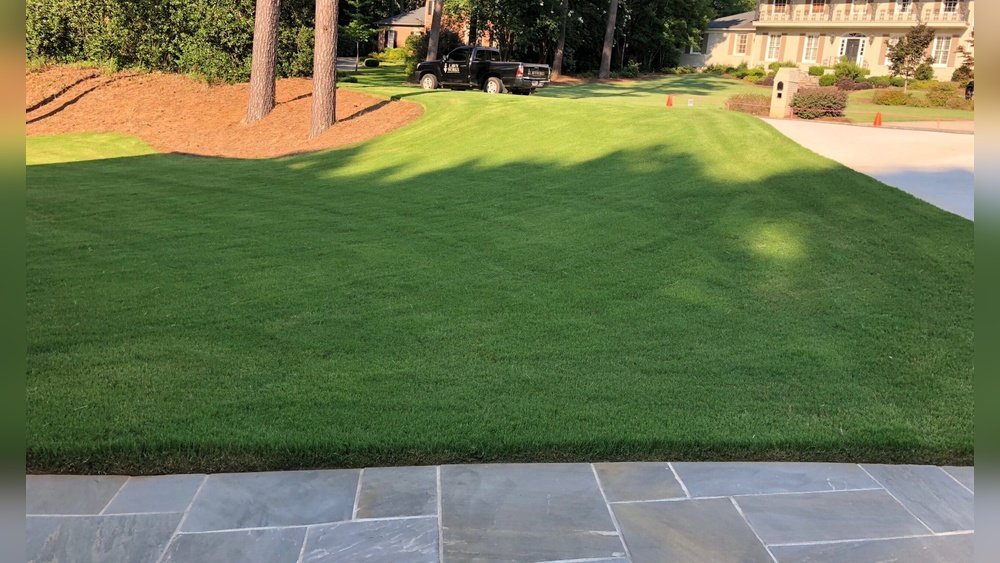
Bermuda grass is a solid choice for warm, sunny lawns due to its durability, fast growth, and drought tolerance. It handles heavy use well and recovers quickly from damage, making it ideal for active yards. However, it may require more maintenance in cooler climates or shaded areas.
Are you wondering if Bermuda grass is the right choice for your lawn? Choosing the perfect grass can feel overwhelming, but knowing what works best for your yard can save you time, money, and effort.
Bermuda grass is popular in many places, but is it the best fit for your lawn’s needs? You’ll discover the key benefits and potential drawbacks of Bermuda grass. By the end, you’ll have a clear idea if this grass can give your lawn the healthy, green look you’ve been dreaming of.
Keep reading to make the best choice for your outdoor space!

Credit: theturfgrassgroup.com
Benefits Of Bermuda Grass
Bermuda grass offers many benefits that make it a top choice for lawns. It grows well in warm climates and provides a lush, green look. This grass is strong and can handle tough conditions. It recovers fast from damage and stays healthy with little care.
These traits make Bermuda grass a smart option for families, sports fields, and public parks. It creates a beautiful lawn that lasts through the seasons. Understanding its benefits helps you decide if it fits your yard’s needs.
Durability And Wear Resistance
Bermuda grass stands up to heavy use and foot traffic. It handles kids playing and pets running without wearing out quickly. This grass forms a thick, dense mat that protects soil from erosion. Its tough blades resist damage, keeping the lawn looking good longer.
Heat And Drought Tolerance
Bermuda grass thrives in hot, sunny areas. It tolerates dry spells better than many other grasses. This grass uses water efficiently and stays green during heat waves. It needs less water, saving money and effort on lawn care.
Rapid Growth And Recovery
Bermuda grass grows fast, covering bare spots quickly. It spreads through runners and seeds, filling in gaps. After damage, this grass recovers within days. Fast growth keeps the lawn even and healthy all year round.
Types Of Bermuda Grass
Bermuda grass is popular for lawns because it grows fast and stays green. It has different types that suit various lawn needs. Knowing these types helps you pick the best one for your yard.
Each type has unique features like texture, color, and growth habits. Some types need more care, while others are easier to maintain. Let’s explore the main types of Bermuda grass.
Common Bermuda
Common Bermuda is the basic type. It spreads quickly and grows thick. This type is tough and can handle heat and drought well. It works great for large lawns and sports fields. But it can be a bit coarse in texture.
Hybrid Bermuda
Hybrid Bermuda is made by crossing different varieties. It looks finer and greener than common Bermuda. This type is stronger and recovers faster from damage. It needs more care and watering. Many golf courses and high-end lawns use hybrid Bermuda.
Seeded Vs. Sod Varieties
Seeded Bermuda comes from seeds and is cheaper to plant. It takes longer to fill in and may have weeds at first. Sod Bermuda is grown as grass mats. It gives a full lawn quickly and controls weeds better. Sod costs more but saves time and effort.
Planting And Establishment
Planting and establishing Bermuda grass is key to a strong, green lawn. This grass type needs proper care from the start. Good preparation helps roots grow deep and spread wide. The right steps make your lawn healthy and lush fast.
Soil Preparation
Start by clearing the lawn area of weeds and rocks. Use a rake to smooth the soil surface. Test the soil pH; Bermuda grass prefers 5.8 to 7.0. Add lime or sulfur to adjust pH if needed. Loosen the soil to at least 4 inches deep. This helps roots grow easily. Fertilize the soil with a balanced, slow-release fertilizer. Water the area lightly before planting.
Seeding And Sodding Techniques
For seeding, spread Bermuda grass seeds evenly across the soil. Lightly rake the seeds into the top ¼ inch of soil. Water gently to keep soil moist until seeds sprout. For sodding, lay the sod pieces tightly together. Stagger the seams like bricks for better coverage. Press the sod down firmly to remove air pockets. Water the sod right after installation to help roots settle.
Optimal Planting Times
Plant Bermuda grass in late spring or early summer. Soil temperatures should reach at least 65°F for best growth. Avoid planting during cold or very hot months. Warm weather helps seeds and sod grow quickly. Planting at the right time reduces stress on grass. This leads to a greener and stronger lawn sooner.

Credit: www.littlejohnslawns.com
Care And Maintenance Tips
Bermuda grass is a popular choice for lawns because it grows fast and looks green. Taking care of it properly helps keep your lawn healthy and thick. Good care stops weeds and dry patches. Here are easy tips to care for Bermuda grass.
Watering Guidelines
Bermuda grass needs water but not too much. Water deeply once or twice a week. This helps roots grow strong. Water early in the morning to avoid disease. Avoid watering every day. Too much water can make the grass weak.
Mowing Practices
Cut Bermuda grass often. Keep the grass height between 1 and 2 inches. Do not cut more than one-third of the blade at a time. Sharp mower blades make clean cuts and reduce stress. Leave grass clippings on the lawn. They add natural nutrients back to the soil.
Fertilization Schedule
Feed Bermuda grass to keep it green and thick. Use a balanced fertilizer with nitrogen. Apply fertilizer every 6 to 8 weeks during the growing season. Avoid fertilizing in cold weather. Follow package instructions to prevent burning the grass. Proper feeding helps the lawn stay strong.
Pest And Disease Management
Pest and disease management is key for a healthy Bermuda grass lawn. Pests and diseases can damage the grass quickly. Early care helps keep your lawn green and strong. Simple steps can prevent many problems. Understanding common pests and how to treat diseases saves time and money.
Common Pests Affecting Bermuda Grass
Bermuda grass often faces pests like armyworms, mole crickets, and chinch bugs. These insects chew on grass blades and roots. Signs include brown patches and thinning grass. Regular lawn checks catch pests early. Use natural predators or insecticides for control. Avoid overwatering to reduce pest attraction. Healthy grass recovers faster from damage.
Disease Prevention And Treatment
Bermuda grass is prone to diseases such as dollar spot, leaf spot, and rust. These diseases cause yellow or brown spots on the grass. Proper mowing height and good air flow prevent many diseases. Water the lawn early in the day to let it dry quickly. Fungicides work well if disease spreads. Remove infected grass clippings to stop spread. Maintain soil health with balanced fertilization.
Comparing Bermuda Grass With Other Lawns
Choosing the right grass for your lawn impacts its look and care. Bermuda grass is popular, but many wonder how it compares to other types. Understanding these differences helps pick the best grass for your yard.
This section compares Bermuda grass with St. Augustine and Zoysia grasses. It also looks at cost and maintenance differences. These points guide you to a healthy, beautiful lawn.
Bermuda Vs. St. Augustine
Bermuda grass grows fast and handles heat well. It likes full sun and does not do well in shade. St. Augustine grass grows slower but tolerates shade better. It has wider blades and a softer feel. Bermuda is better for sunny areas. St. Augustine suits yards with some shade.
Bermuda Vs. Zoysia
Zoysia grass grows slower than Bermuda but spreads thickly. Zoysia handles cold better and has a dense texture. Bermuda recovers quickly from damage and wears well. Zoysia needs less mowing but takes longer to fill bare spots. Both are good for warm climates but have different growth habits.
Cost And Maintenance Differences
Bermuda grass costs less to plant and spreads fast. It needs regular mowing and watering in summer. St. Augustine requires more water and fertilizer. Zoysia costs more initially but needs less mowing. Maintenance depends on lawn size and local climate. Bermuda is a budget-friendly choice for active lawns.
Ideal Conditions For Bermuda Grass
Bermuda grass thrives best under certain conditions that support its growth and health. Knowing these ideal conditions helps you maintain a lush, green lawn. The grass prefers warm climates, specific soil types, and plenty of sunlight.
Climate Compatibility
Bermuda grass grows well in warm and sunny areas. It loves temperatures between 75°F and 95°F. The grass can survive heat and drought better than many other types. It goes dormant in cold weather, so it is not great for very cold regions. It thrives in southern states and tropical zones.
Soil Requirements
This grass prefers well-drained soil with a sandy or loamy texture. It does not do well in heavy clay soils. A soil pH between 5.8 and 7.0 is best. Good drainage helps prevent root diseases and keeps the grass healthy. Adding organic matter can improve poor soils.
Sunlight Needs
Bermuda grass needs full sun to grow thick and strong. It requires at least 6 to 8 hours of direct sunlight daily. Shade can cause thinning and weak growth. Planting in sunny spots ensures a dense, green lawn. Avoid shady areas for best results.

Credit: www.pennington.com
Frequently Asked Questions
Is Bermuda Grass Suitable For All Lawn Types?
Bermuda grass thrives best in warm climates and full sun. It is ideal for lawns needing drought tolerance and durability but less suited for shady or cooler areas.
How Much Maintenance Does Bermuda Grass Require?
Bermuda grass needs regular mowing, watering, and fertilizing. It requires moderate maintenance to stay healthy, especially during peak growing seasons.
Does Bermuda Grass Resist Pests And Diseases?
Yes, Bermuda grass has good resistance to many common pests and diseases. Proper care further reduces the risk of infestations and damage.
Can Bermuda Grass Withstand Heavy Foot Traffic?
Bermuda grass is very durable and recovers quickly from heavy use. It’s an excellent choice for lawns with frequent foot traffic and activity.
Conclusion
Bermuda grass grows fast and handles heat well. It stays green most of the year. This grass works best in sunny places. It needs regular watering and some care. Small weeds find it hard to grow here. It suits active yards and sports fields.
Yet, it may not do well in shade. Consider your lawn’s sunlight and use needs. Bermuda grass can keep your lawn healthy and neat. Choose it if you want a tough, green lawn.
