


Bermuda grass thrives with about 1 to 1.25 inches of water per week, applied deeply once or twice to encourage strong roots. Watering too often or too little can harm the lawn, so adjust based on weather, soil type, and grass maturity for the best results.
Are you wondering how much water your Bermuda grass really needs to stay green and healthy? Getting the watering just right can make all the difference between a lush lawn and a dry, patchy yard.
Too little water, and your grass will struggle; too much, and you could waste water and invite disease. You’ll discover simple tips to find the perfect watering balance for your Bermuda grass. Keep reading to learn how to save time, money, and effort while giving your lawn the care it deserves.
Water Requirements For Bermuda Grass
Bermuda grass needs the right amount of water to stay green and healthy. Water helps the grass grow deep roots. It also keeps the lawn strong against heat and drought. Knowing how much water Bermuda grass needs can save you time and money.
Water needs change with the weather and soil type. Understanding these needs helps you water smarter. Too much water can cause problems just like too little water.
Daily Vs Weekly Water Needs
Bermuda grass does not need water every day. It grows best with deep, less frequent watering. Watering once or twice a week is usually enough. This encourages roots to grow deeper in the soil.
Daily watering can keep the grass wet but weak. Shallow roots form and the lawn suffers in dry times. Watering deeply once a week is better for strong roots.
Factors Influencing Water Demand
Sunlight, temperature, and soil type affect water needs. Hotter days mean the grass uses more water. Sandy soil drains water quickly and needs more watering.
Grass age also matters. New grass needs more frequent watering. Established lawns can handle less water. Checking soil moisture can guide your watering schedule.

Credit: theturfgrassgroup.com
Signs Of Underwatering And Overwatering
Knowing the signs of underwatering and overwatering helps keep Bermuda grass healthy. Both problems affect grass appearance and growth. Detecting issues early saves your lawn from serious damage. Watch your grass closely for these common signs.
Wilting And Browning Tips
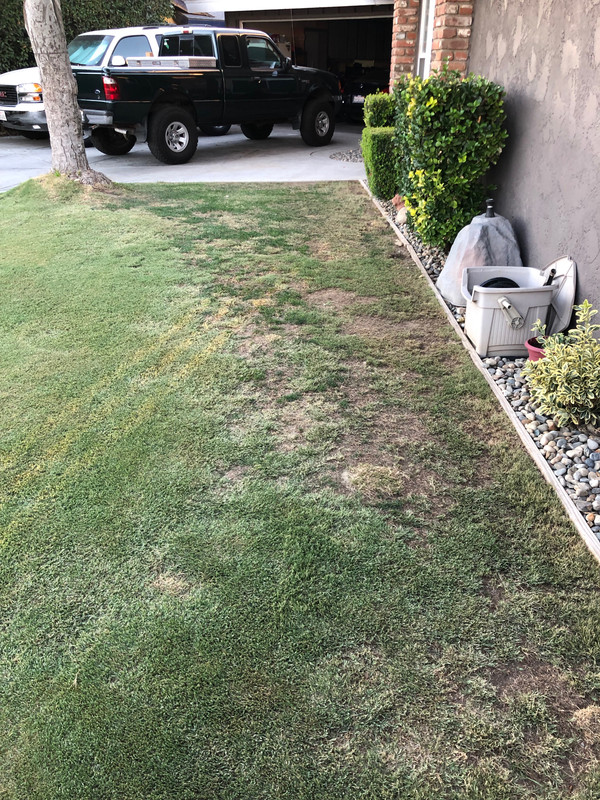
Wilting grass blades show a lack of water. They curl and look dry. Brown tips appear when the grass does not get enough moisture. The soil feels hard and dry to touch. Wilting happens because the grass cannot take in water. This condition gets worse if watering stays low.
Overwatered grass also shows browning tips but for different reasons. Too much water drowns roots, making tips turn yellow or brown. The grass looks weak and soft. Patches may look soggy or muddy. Grass gets stressed and stops growing well.
Mold And Root Issues
Mold on the grass surface points to overwatering. It grows in wet, shady spots. Mold appears as white or gray fuzz. Mold harms grass and spreads fast.
Roots suffer from both underwatering and overwatering. Dry soil stops root growth and weakens grass. Roots shrink and die without water. Too much water causes roots to rot. Rotten roots cannot feed the grass. Root problems lead to patchy and thin lawns.
Best Time To Water Bermuda Grass
Knowing the best time to water Bermuda grass helps it grow strong and green. Watering at the right time saves water and keeps the lawn healthy. This grass needs deep watering but not too often. Timing affects how much water the grass absorbs and how much is lost.
Morning Vs Evening Watering
Morning watering is the best choice for Bermuda grass. The sun is low, so water has time to soak into the soil. Grass blades dry fast in the morning, which lowers disease risk. Evening watering leaves grass wet overnight. This can cause fungus and other problems. Morning water also cools the lawn before the heat arrives.
Avoiding Evaporation Loss
Watering during the heat of the day wastes water. The sun makes water evaporate quickly. Early morning watering reduces this loss. Soil stays moist longer, helping roots grow deep. Watering late in the evening may seem good but increases moisture on leaves. This invites pests and diseases to the grass. Choose times with lower sun and wind for best results.
Irrigation Methods For Optimal Growth
Irrigation plays a key role in the healthy growth of Bermuda grass. Choosing the right method helps the grass absorb water efficiently. Proper watering saves water and keeps the lawn green and strong. Understanding different irrigation options guides better lawn care decisions.
Sprinklers Vs Drip Systems
Sprinklers spray water over a large area, covering the entire lawn. They mimic natural rainfall and are easy to install. Sprinklers work well for Bermuda grass because they provide even water spread.
Drip systems release water slowly and directly to the soil near the roots. They reduce water waste and prevent wet leaves. Drip irrigation suits gardens with mixed plants but is less common for Bermuda grass lawns.
Deep Vs Shallow Watering
Deep watering means soaking the soil deeply, encouraging roots to grow down. This method helps Bermuda grass develop strong roots and survive dry periods. Watering deeply but less often is best for lasting lawn health.
Shallow watering wets only the top layer of soil. It can cause weak roots and dry patches. Frequent shallow watering wastes water and may invite weeds and diseases. Avoid watering too lightly or too often.
Adjusting Watering Based On Seasons
Water needs for Bermuda grass change with the seasons. Adjusting your watering schedule helps the grass stay healthy all year. Overwatering wastes water and can harm the grass. Underwatering makes it dry and weak.
Summer Watering Strategies
Summer heat makes Bermuda grass thirsty. Water deeply but less often. Aim for about 1 to 1.5 inches of water per week. Early morning watering helps reduce evaporation. Avoid watering in the evening to prevent fungus. Check soil moisture to guide watering times.
Winter Dormancy Care
Bermuda grass grows slowly in winter. It enters dormancy and needs less water. Water only if the soil is dry. Reduce watering to 0.25 to 0.5 inches per week. Keep watering shallow to avoid root rot. Stop watering if rain is frequent. This helps the grass rest and stay healthy.

Credit: www.youtube.com
Soil And Drainage Impact On Watering
Soil type and drainage play key roles in watering Bermuda grass. They affect how much water the grass needs and how often you should water. Proper soil and drainage ensure grass roots get enough moisture without staying too wet. Poor drainage can cause water to pool, leading to root problems. Understanding your soil helps you water smarter and keep grass healthy.
Clay Vs Sandy Soil Needs
Clay soil holds water longer than sandy soil. It feels heavy and dense. Bermuda grass in clay soil needs less frequent watering. Too much water can cause roots to rot. Sandy soil drains quickly and feels loose. It dries out faster, so Bermuda grass there needs more frequent watering. Check your soil type to avoid over or under watering.
Improving Drainage For Healthier Grass
Poor drainage causes water to sit on the surface. This suffocates grass roots and invites disease. Improve drainage by adding organic matter like compost. It loosens clay soil and helps sandy soil hold water better. Aerate your lawn to create air pockets. This allows water to reach roots more easily. Good drainage supports strong, healthy Bermuda grass.
Additional Tips For Healthy Bermuda Lawns
Healthy Bermuda grass needs more than just water. Proper care helps it grow thick and green. Follow these tips to keep your lawn looking great all season.
Mulching And Fertilizing
Mulching helps keep soil moist and cool. It also stops weeds from growing. Use grass clippings as mulch after mowing. Fertilize your Bermuda lawn in spring and summer. Use a balanced fertilizer with nitrogen. This supports strong growth and deep roots. Avoid over-fertilizing; it can harm the grass.
Mowing And Aeration Practices
Cut Bermuda grass regularly to keep it healthy. Set your mower blade to 1 to 2 inches. Mowing too short stresses the grass. Aerate the lawn once or twice a year. Aeration lets air, water, and nutrients reach roots. Use a core aerator for best results. These practices help the lawn stay green and thick.
Credit: www.thelawnforum.com
Frequently Asked Questions
How Much Water Does Bermuda Grass Need Weekly?
Bermuda grass typically requires about 1 to 1. 25 inches of water per week. This amount helps maintain healthy growth and green color, especially during hot seasons. Adjust watering based on rainfall and soil moisture levels to avoid overwatering or drought stress.
When Is The Best Time To Water Bermuda Grass?
The best time to water Bermuda grass is early morning, between 6 AM and 10 AM. Morning watering reduces evaporation and allows grass blades to dry during the day, minimizing disease risk. Avoid watering at night or midday for optimal results.
Can Bermuda Grass Survive With Less Water?
Yes, Bermuda grass is drought-tolerant and can survive with less water. However, reduced watering may slow growth and cause browning. For a healthy lawn, maintain regular watering during dry periods, especially in summer months.
How Does Soil Type Affect Bermuda Grass Watering?
Soil type impacts how often Bermuda grass needs watering. Sandy soils drain quickly and require more frequent watering. Clay soils retain moisture longer, so they need less frequent watering. Test your soil and adjust watering schedules accordingly for best results.
Conclusion
Bermuda grass needs regular watering to stay green and healthy. Water deeply but not too often to help roots grow strong. Too much water can cause problems like disease or weak roots. Watch the weather and adjust watering during rain or heat.
Use these simple tips to keep your Bermuda grass lush all year. Care and attention make a big difference. Keep your lawn happy and enjoy a beautiful yard every day.
