

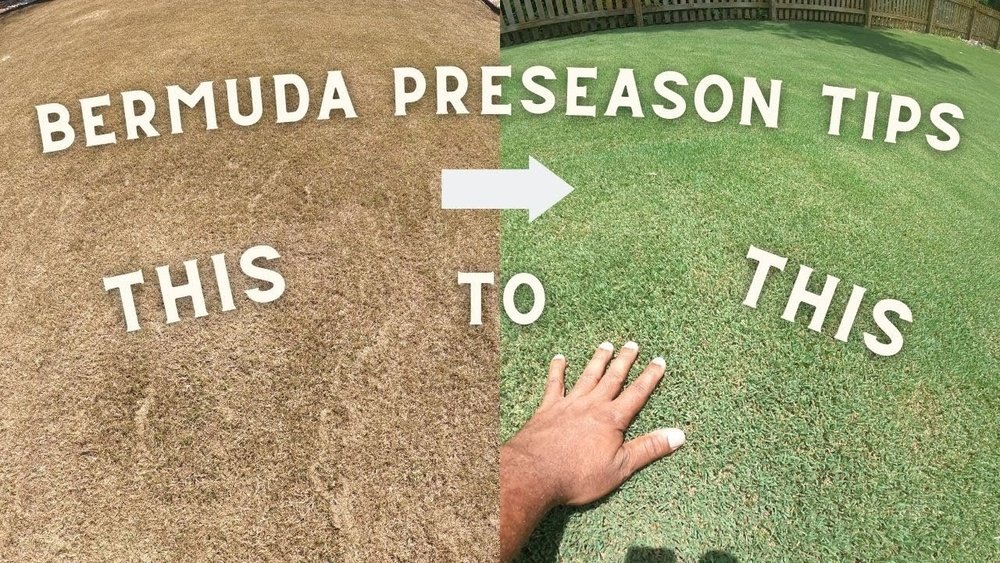
To keep Bermuda grass green in winter, focus on proper preparation before the cold hits. Mow the grass a bit longer, apply a low-nitrogen fertilizer, and water deeply but less frequently as temperatures drop. Use mulch or covers to protect roots and avoid walking on frosty grass to prevent damage.
Are you tired of seeing your beautiful Bermuda grass turn brown and lifeless when winter arrives? Keeping your lawn green during the colder months can seem impossible, but it doesn’t have to be.
Imagine stepping outside to a vibrant, lush yard all year round—yes, even in winter. You’ll discover simple, effective tips that anyone can follow to keep your Bermuda grass healthy and green when temperatures drop. Ready to transform your lawn and impress your neighbors?
Let’s dive in!
Credit: tucson.com
Preparing Bermuda Grass For Winter
Preparing Bermuda grass for winter helps keep it healthy and green. The right care before cold weather arrives protects your lawn. You must take specific steps to get your grass ready. These steps include mowing, fertilizing, and watering. Each step plays a key role in winter survival.
Timing The Last Mowing
Cut your Bermuda grass before the first frost. Keep the grass a bit longer than usual. This length protects roots from cold damage. Avoid cutting too short. Stop mowing when the grass stops growing. A clean, even cut helps the lawn stay healthy.
Applying Fertilizer
Use fertilizer with low nitrogen in late fall. This type supports root growth, not leaf growth. Strong roots help grass survive cold weather. Apply fertilizer about 4 to 6 weeks before frost. Follow the package instructions for the best results. Avoid heavy feeding as it can harm the grass.
Watering Strategies
Water your Bermuda grass deeply before winter. Moist soil keeps roots alive during cold days. Reduce watering as temperatures drop. Do not let the soil dry out completely. Stop watering if the ground freezes. Proper watering keeps your lawn healthy through winter.

Credit: www.youtube.com
Protecting Grass From Cold Damage
Protecting Bermuda grass from cold damage is key to keeping it green in winter. Cold weather can harm grass blades and roots. Taking steps to shield your lawn helps it survive low temperatures and frost. Simple actions can reduce stress on the grass and keep it healthy.
Using Mulch And Covers
Mulch acts as a blanket for grass roots. It keeps the soil warm and moist. Spread a thin layer of organic mulch over the lawn. Avoid thick layers that block sunlight. Covers like frost blankets protect grass from freezing air. Place covers at night and remove them by day. This prevents overheating and allows sunlight.
Avoiding Frost Injury
Frost can make grass blades brittle and brown. Avoid walking on frozen grass to prevent damage. Water the lawn before a cold night; moist soil holds heat better. Do not mow grass too short before winter. Longer blades protect the crown and reduce frost damage. Watch the weather forecast to prepare for frost events.
Managing Soil Temperature
Soil temperature affects root health in cold seasons. Mulching helps keep soil temperature stable. Avoid heavy foot traffic that compacts soil and lowers temperature. Aerate the lawn in fall to improve air and water flow. Proper soil care helps Bermuda grass stay alive and green.
Maintaining Soil Health
Maintaining soil health is key to keeping Bermuda grass green during winter. Healthy soil supports strong roots and better nutrient absorption. It also improves the grass’s ability to survive cold weather. Focus on soil care to help your lawn stay lush and green all winter long.
Soil Testing Tips
Start with a soil test to know your soil’s needs. Collect samples from different lawn spots. Send them to a local lab for analysis. The results show nutrient levels and pH balance. Use this information to choose the right fertilizers and amendments. Test soil every 2-3 years for best results.
Improving Drainage
Good drainage prevents water from pooling around the roots. Standing water can cause root rot and kill grass. Fix low spots by adding soil or sand to level the ground. Aerate your lawn to open compacted soil. This lets water drain better and roots breathe. Avoid heavy watering in winter to reduce soggy soil.
Adding Organic Matter
Organic matter improves soil texture and nutrient content. Spread compost or well-rotted manure on your lawn. Work it into the topsoil lightly. Organic matter helps soil hold moisture and nutrients. It feeds helpful microbes that keep soil healthy. Apply organic matter once or twice a year for best effects.

Credit: theturfgrassgroup.com
Winter Watering Practices
Keeping Bermuda grass green in winter needs careful watering. The grass grows slower and needs less water. Watering too much or too little can harm it. Follow smart watering habits to keep your lawn healthy during cold months.
Adjusting Irrigation Frequency
Reduce watering frequency in winter. Bermuda grass does not need daily watering now. Water once every 10 to 14 days. This helps prevent water waste and root damage. Check weather and soil before watering again.
Monitoring Soil Moisture
Soil moisture tells you when to water. Use a moisture meter or dig a small hole. If soil feels dry below the surface, water the grass. If soil is still wet, wait longer. This keeps roots healthy without overwatering.
Preventing Overwatering
Overwatering causes root rot and weak grass. Avoid watering if rain is expected. Water early in the morning to reduce evaporation. Make sure water soaks deep into soil. Shallow watering leads to weak roots and brown patches.
Dealing With Winter Weeds And Pests
Winter weeds and pests can harm Bermuda grass. They steal nutrients and water, making the grass weak. Managing these problems helps keep your lawn green and healthy during cold months. Knowing how to spot and control weeds and pests protects your Bermuda grass all winter long.
Identifying Common Winter Weeds
Winter weeds like chickweed, henbit, and annual bluegrass often invade Bermuda grass. These weeds grow fast and spread easily. Their leaves are usually green and soft, different from Bermuda’s texture. Spotting weeds early stops them from taking over your lawn. Check your grass regularly for unusual plants or patches.
Safe Weed Control Methods
Use herbicides made for winter weeds and safe for Bermuda grass. Apply them carefully to avoid damage. Pull small weeds by hand before they spread seeds. Mulching bare spots prevents weed growth and keeps soil warm. Avoid overusing chemicals. Follow product instructions to protect your lawn and the environment.
Preventing Pest Infestations
Winter pests like grubs and chinch bugs damage Bermuda grass roots. Healthy grass resists pests better. Water your lawn properly and avoid over-fertilizing. Mow at the right height to keep grass strong. Inspect your lawn for signs of pests, such as brown patches or holes. Treat infestations quickly with pest control safe for winter use.
Reviving Bermuda Grass In Early Spring
Reviving Bermuda grass in early spring sets the stage for a lush, green lawn all season. After winter, the grass rests under a layer of dead material and soil compaction. These barriers slow growth and block sunlight. Taking steps early helps Bermuda grass bounce back strong and healthy.
Cleaning Up Dead Grass
Start by removing dead grass and debris from the lawn. Use a rake or dethatcher to clear old leaves and dead blades. This cleanup lets sunlight reach new grass shoots. It also improves air flow in the soil. Clearing the lawn helps Bermuda grass grow fresh and green.
Aerating The Lawn
Aerate the soil to reduce compaction and improve root growth. Use a lawn aerator to create small holes in the ground. These holes allow water, air, and nutrients to reach grass roots. Aeration helps Bermuda grass absorb what it needs to thrive. It also prevents water runoff and soil erosion.
Starting Early Fertilization
Apply fertilizer early in the spring to boost growth. Choose a balanced fertilizer with nitrogen, phosphorus, and potassium. Spread it evenly across the lawn for best results. Fertilizer feeds the grass and encourages strong, green blades. Early feeding prepares Bermuda grass for a healthy growing season.
Frequently Asked Questions
How Can I Protect Bermuda Grass In Winter?
To protect Bermuda grass in winter, apply a winter fertilizer with low nitrogen. Keep the lawn mowed higher and avoid heavy foot traffic. Water deeply but less frequently to maintain moisture without promoting disease.
Does Bermuda Grass Go Dormant In Winter?
Yes, Bermuda grass typically goes dormant in winter. It turns brown and stops growing due to cold temperatures. Proper care during dormancy helps it green up quickly in spring.
What Is The Best Fertilizer For Bermuda Grass Winter?
Use a fertilizer high in potassium and phosphorus but low in nitrogen. This strengthens roots and increases cold tolerance. Apply it in late fall before the first frost.
Can I Overseed Bermuda Grass In Winter?
Overseeding Bermuda grass in winter is not effective. Bermuda grass grows best in warm weather. Consider overseeding with ryegrass for winter green color instead.
Conclusion
Keeping Bermuda grass green in winter takes simple care and attention. Water your lawn enough but avoid overwatering. Mow the grass at the right height to keep it healthy. Use fertilizer with the right nutrients during colder months. Protect the grass from frost and heavy foot traffic.
Small efforts now will help your lawn stay green longer. Enjoy a healthy, green lawn even in chilly weather. Stay consistent and patient for the best results. Your Bermuda grass can look great all year round.
