

The best time to aerate Bermuda grass is during the spring or early summer when the soil is warm and moist. Aerating at this stage helps relieve soil compaction and promotes strong root growth, allowing the grass to heal quickly and stay healthy throughout the growing season.
Are you wondering when to aerate your Bermuda grass for the best results? Knowing the right time to aerate can make a huge difference in how healthy and green your lawn looks.
If your grass feels tough, looks patchy, or water just doesn’t soak in well, aeration might be exactly what your lawn needs. You’ll discover the perfect timing to give your Bermuda grass the breath of fresh air it craves. Keep reading to learn how to boost your lawn’s growth and keep it thriving all season long.
Credit: theturfgrassgroup.com
Best Time To Aerate Bermuda Grass
Aerating Bermuda grass helps keep your lawn healthy and green. It improves soil air, water, and nutrient flow. Choosing the right time to aerate is key for best results. Aerating at the wrong time can harm the grass or slow growth. Below are details to help find the best time to aerate Bermuda grass.
Ideal Seasons For Aeration
Spring and early summer are the best seasons to aerate Bermuda grass. This grass grows fast in warm weather. Aerating during this time lets the grass heal quickly. Avoid aerating in fall or winter. The grass slows down and won’t recover well then.
Temperature And Soil Conditions
Soil temperature should be above 65°F for aeration. Warm soil helps roots grow after aeration. Aerate when the soil is moist but not wet. Wet soil can become compacted and hard to work with. Dry soil makes aeration less effective.
Signs Your Lawn Needs Aeration
Look for thick, hard soil that water does not soak in. Patches of brown or thin grass also show the need for aeration. Lawn footprints that stay visible mean soil compaction. Aerate if your lawn gets heavy use or shows slow growth.
Benefits Of Aerating Bermuda Grass
Aerating Bermuda grass helps keep your lawn healthy and green. It creates small holes in the soil. These holes allow air, water, and nutrients to reach the roots better. Aeration improves the overall health of your Bermuda grass. It helps the grass grow thick and strong.
Improved Nutrient Absorption
Aeration makes it easier for roots to absorb nutrients. The holes let fertilizer and water sink deep into the soil. This helps the grass get the food it needs. Stronger nutrient absorption leads to healthier grass blades. Your lawn will look greener and more vibrant.
Enhanced Root Growth
Roots grow deeper and spread out after aeration. This gives the grass better support and strength. Deep roots help the grass survive dry or hot weather. Aeration encourages the roots to expand and fill the soil. A strong root system means a tougher lawn.
Reduced Soil Compaction
Soil can get hard and packed over time. Compacted soil blocks air and water from reaching roots. Aeration loosens the soil and breaks up clumps. This creates space for roots to breathe and grow. Less soil compaction means a healthier growing environment for grass.
Types Of Aeration Methods
Aerating Bermuda grass helps improve soil health and lawn growth. It reduces soil compaction and allows air, water, and nutrients to reach the roots. There are several aeration methods you can choose from. Each method works differently and suits different lawn needs.
Core Aeration
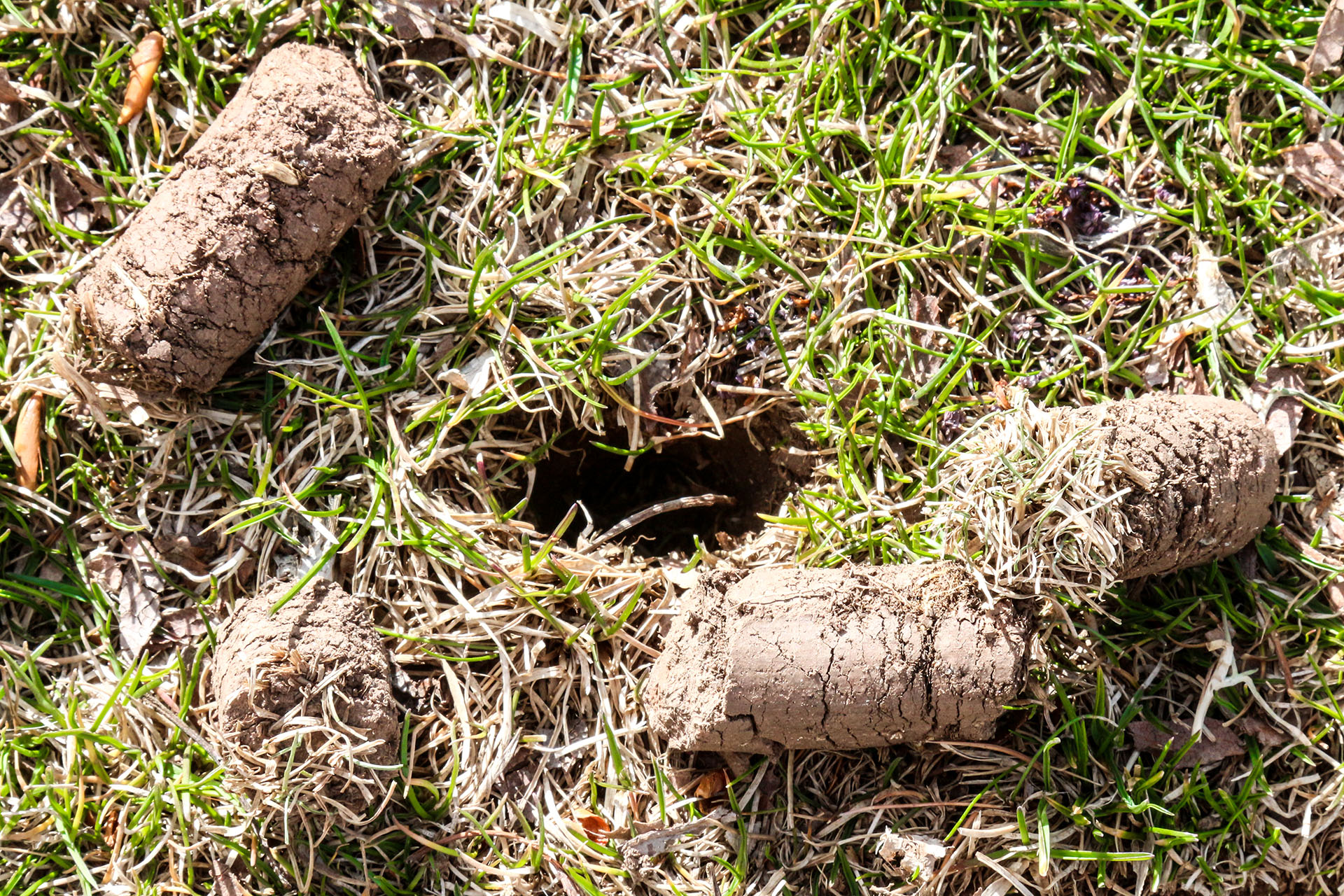
Core aeration removes small plugs of soil from the lawn. These plugs break down and add organic matter to the soil. This method helps reduce soil compaction deeply. It improves water drainage and root growth. Core aeration is the most effective method for thick, compacted Bermuda grass.
Spike Aeration
Spike aeration uses a tool that pokes holes into the soil. It does not remove soil plugs but creates small openings. This method is less invasive and faster than core aeration. Spike aeration works well for mildly compacted lawns. It helps air and water reach the roots but may not reduce compaction as well as core aeration.
Liquid Aeration
Liquid aeration uses a special solution sprayed on the lawn. The solution breaks down hard soil and improves its texture. It does not create holes but helps loosen the soil chemically. Liquid aeration suits lawns that cannot be aerated physically. It supports root growth and nutrient absorption gently and evenly.
Credit: blog.evergreenturf.com
Step-by-step Aeration Process
Aerating Bermuda grass improves soil health and lets air, water, and nutrients reach roots. The process helps your lawn grow thick and green. Follow these simple steps to aerate your Bermuda grass effectively. Each step ensures your lawn gets the best care.
Preparing Your Lawn
Start by mowing your Bermuda grass short. Remove any debris like leaves and sticks. Water the lawn a day before aeration. The soil should be moist but not wet. This makes it easier to pull out plugs from the ground.
Choosing The Right Equipment
Use a core aerator for the best results. This tool removes small plugs of soil. Avoid spike aerators as they can compact the soil. Rent or buy an aerator depending on your lawn size. Make sure the equipment is clean and sharp.
Post-aeration Care
Leave soil plugs on the lawn to break down naturally. Water the lawn deeply after aeration. Avoid heavy foot traffic for a few days. Apply fertilizer to help grass recover quickly. Regular mowing keeps the lawn healthy after aeration.
Common Mistakes To Avoid
Aerating Bermuda grass helps keep your lawn healthy and green. Avoid mistakes to get the best results. Many people don’t know when or how to aerate properly. This can harm the grass instead of helping it. Here are common mistakes to avoid.
Aerating At The Wrong Time
Aerate during Bermuda grass’s active growing season. This is usually late spring or early summer. Aerating too early or too late stresses the grass. The roots may not recover well. Avoid aerating in cold or dormant seasons. The soil can stay compacted longer. Your lawn won’t improve much.
Over-aerating
Too much aeration causes damage. Aerating more than once or twice a year is too much. This breaks the soil structure and weakens roots. Grass can become thin and patchy. Space out aeration to give soil time to heal. Follow recommended schedules for best results.
Ignoring Lawn Maintenance
Aeration alone does not fix all problems. Keep watering, mowing, and fertilizing on track. Skip these tasks and your lawn suffers. Aeration helps nutrients reach roots better. Without good care, the benefits fade quickly. Maintain your lawn for a strong, green Bermuda grass.
Complementary Lawn Care Tips
Aerating Bermuda grass opens the soil and helps air, water, and nutrients reach roots. Proper care after aeration supports strong growth and a healthy lawn. These tips help you keep your Bermuda grass green and thick.
Proper Watering Techniques
Water your lawn deeply but less often. This encourages roots to grow deeper. Right after aeration, water the lawn lightly. Keep the soil moist but not soaked. Avoid watering in the heat of the day to reduce evaporation. Early morning is the best time to water.
Fertilizing After Aeration
Apply fertilizer soon after aeration. The holes let nutrients reach roots easily. Use a fertilizer with nitrogen, phosphorus, and potassium. Follow the instructions on the package for the right amount. Fertilizing helps the grass recover faster and grow strong.
Mowing Best Practices
Wait a few days after aeration before mowing. Keep your mower blades sharp for clean cuts. Set the mower height higher than usual at first. This reduces stress on the grass. Gradually lower the height as your lawn gets healthier.

Credit: sodsolutions.com
Frequently Asked Questions
When Is The Best Time To Aerate Bermuda Grass?
The best time to aerate Bermuda grass is late spring to early summer. This period supports active growth and quick recovery. Aerating during this time helps relieve soil compaction and improves water and nutrient absorption.
How Often Should Bermuda Grass Be Aerated?
Bermuda grass should be aerated once or twice a year. Aerating annually in the growing season is ideal. If the soil is heavily compacted, consider aerating twice for better lawn health and growth.
What Are The Signs Bermuda Grass Needs Aeration?
Signs include water pooling, thinning grass, and hard soil. If your lawn feels firm or shows poor growth, it likely needs aeration. These symptoms indicate soil compaction, which aeration can effectively relieve.
Can I Aerate Bermuda Grass In Fall?
Aerating Bermuda grass in fall is less effective. The grass slows growth and recovers poorly in cooler temperatures. It’s best to aerate during warm seasons when Bermuda grass is actively growing.
Conclusion
Aerating Bermuda grass helps it grow strong and healthy. Do this during its active growing season, usually late spring to early summer. Aeration improves air, water, and nutrient flow to roots. This process reduces soil compaction and promotes a greener lawn.
Remember, timing matters for best results. Regular care keeps your Bermuda grass thick and lush. A healthy lawn adds beauty and value to your home. Simple steps like aeration make a big difference over time. Start planning your aeration now for a vibrant lawn later.
