


To thicken Bermuda grass, focus on choosing the right variety for your climate, preparing the soil properly with testing and amendments, ensuring good drainage and aeration, and following a consistent, deep watering schedule. These steps encourage strong roots and dense growth for a lush, healthy lawn.
Are you tired of looking at patchy, thin Bermuda grass in your yard? You want a lush, thick lawn that stands out and feels soft under your feet.
But getting your Bermuda grass to grow dense and healthy isn’t always easy. The good news is, with the right steps, you can transform your lawn into a vibrant green carpet. You’ll discover simple, effective ways to thicken your Bermuda grass and keep it thriving all season long.
Keep reading, and your lawn will thank you!

Credit: www.reddit.com
Choosing The Right Bermuda Grass
Choosing the right Bermuda grass is key to a thick, healthy lawn. Different types grow well in different places. Picking the right variety helps your grass grow strong and green. Consider your climate and soil before planting. This will save time and effort later. The right choice means less watering and care. Your lawn will look better and last longer.
Popular Bermuda Varieties
Bermuda grass comes in many types. Common ones include Common Bermuda, Tifway 419, and Celebration. Common Bermuda is tough and grows fast. It works well for large yards and sports fields. Tifway 419 is popular for its fine texture and dark green color. It stays green longer and handles heavy use. Celebration Bermuda has good drought resistance. It stays green in hot, dry weather. Choose a variety that fits your lawn’s needs.
Climate And Soil Preferences
Bermuda grass loves warm weather. It grows best in temperatures from 75 to 95 degrees Fahrenheit. It needs full sun to grow thick and green. Shade slows its growth and thins the lawn. Soil type matters too. Bermuda prefers sandy or loamy soil with good drainage. Heavy clay soils can cause problems. Test your soil before planting. Adjust soil pH to 5.8-7.0 for best results. Proper climate and soil help your grass thrive.
Soil Preparation Techniques
Soil preparation plays a key role in thickening Bermuda grass. Healthy soil helps grass roots grow strong and spread wide. Proper soil care creates the best environment for grass to thrive. This section explains simple soil preparation techniques. Follow these steps to improve your lawn’s health and density.
Testing And Amending Soil
Start by testing your soil’s pH and nutrient levels. Soil testing kits are easy to find and use. Knowing the soil condition helps you add the right amendments. Bermuda grass prefers a pH between 5.8 and 7.0. Add lime to raise pH or sulfur to lower it. Use fertilizer based on test results to supply needed nutrients. Good soil balance supports thick, green grass growth.
Improving Drainage And Aeration
Poor drainage causes water to pool and roots to rot. Check your lawn for soggy spots after rain. Improve drainage by adding organic matter like compost. This helps soil absorb water better. Aeration reduces soil compaction and lets air reach roots. Use a lawn aerator tool to make small holes in the soil. Aeration and drainage work together to create healthier grass roots and thicker turf.
Effective Watering Practices
Water is key to thickening Bermuda grass. Proper watering helps grass roots grow deep and strong. It also keeps the lawn green and healthy. Poor watering can make the grass weak or patchy. Follow the right watering methods to see better results in your yard.
Optimal Watering Schedule
Water Bermuda grass early in the morning. This allows the grass to dry during the day. Dry grass reduces the risk of disease. Water deeply but less often. Aim for about one inch of water each week. Spread this amount over two or three watering sessions. Deep watering encourages roots to grow deeper. Shallow watering leads to weak roots.
Avoiding Overwatering
Too much water can harm Bermuda grass. Overwatering causes roots to rot and grass to weaken. It also invites pests and fungus. Check soil moisture before watering again. The soil should feel dry an inch below the surface. Avoid watering in the evening to prevent fungal growth. Stop watering if heavy rain is expected. Use a rain gauge to track water amounts.
Fertilizing For Density
Fertilizing Bermuda grass properly helps it grow thick and healthy. A well-fed lawn fills in bare spots and resists weeds better. Choosing the right fertilizer and applying it at the right time are key steps. These steps support strong roots and lush green blades.
Choosing Fertilizer Types
Pick a fertilizer with a balanced mix of nitrogen, phosphorus, and potassium. Nitrogen is important for leaf growth and color. Phosphorus supports root development. Potassium helps the grass handle stress and disease. Look for fertilizers labeled for Bermuda grass or warm-season lawns. Slow-release fertilizers feed the grass evenly over time. Avoid fertilizers high in phosphorus unless soil tests show a need. This protects nearby water sources from pollution.
Timing And Application Tips
Apply fertilizer during Bermuda grass’s active growing season, typically late spring through summer. Early spring feeding wakes up the grass after winter dormancy. Avoid fertilizing in fall or winter when the grass rests. Water the lawn before and after applying fertilizer to help nutrients soak in. Spread fertilizer evenly to prevent burn spots and patchy growth. Follow the product’s instructions for the right amount. Repeating feeding every 6 to 8 weeks maintains density and health.
Mowing Strategies
Mowing is a key part of thickening Bermuda grass. Proper mowing helps the grass grow strong and dense. It controls the height and encourages new shoots.
Wrong mowing can stress the grass and make it thin. Using the right strategies keeps Bermuda grass healthy and full.
Ideal Mowing Height
Keep Bermuda grass between 1 to 2 inches tall. This height lets sunlight reach the soil. Sunlight helps roots grow deep and thick.
Cutting too short can damage the grass. Cutting too high lets weeds grow. Maintain this height for the best lawn.
Frequency And Equipment
Mow Bermuda grass often, about once a week in summer. Frequent mowing helps the grass stay even and healthy. It stops the grass from growing too long.
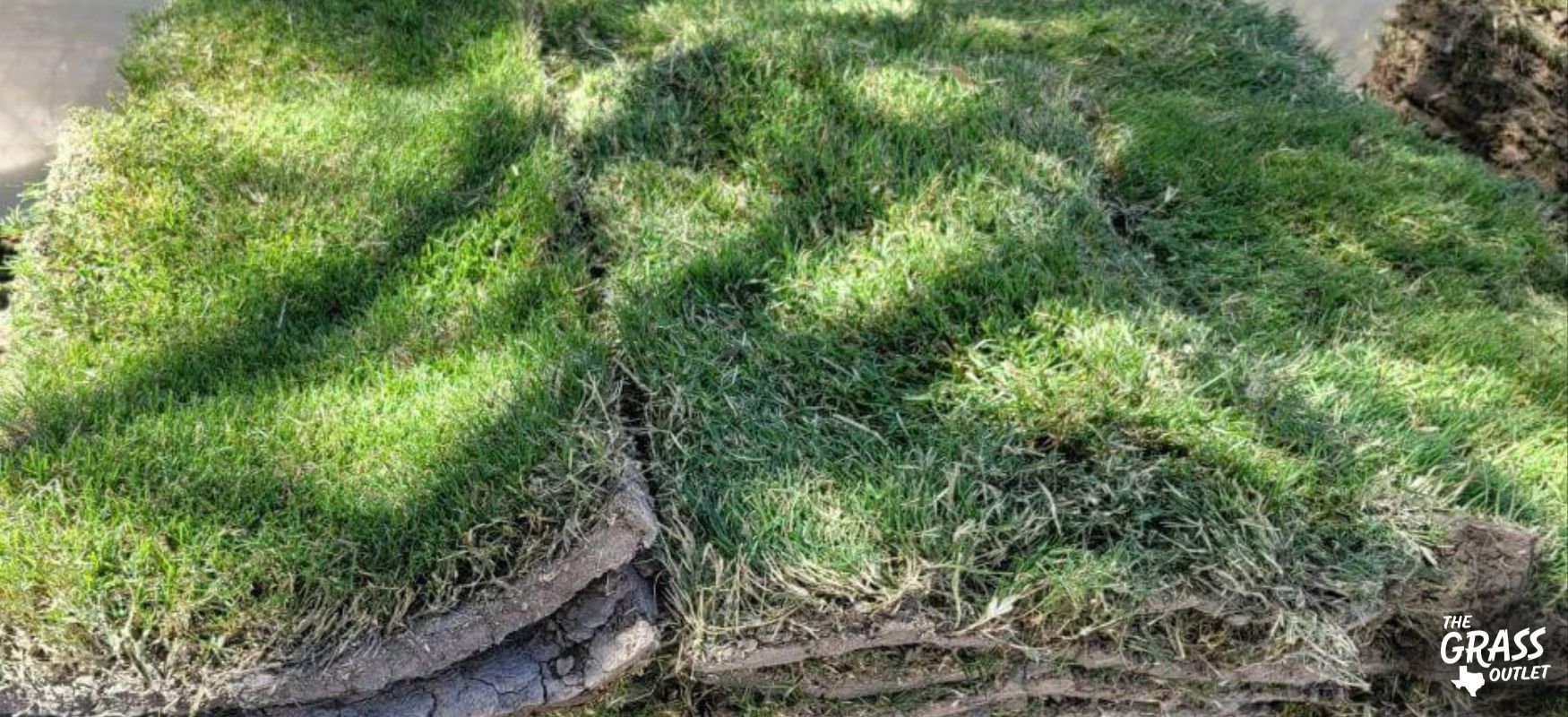
Use a sharp mower blade for clean cuts. Dull blades tear the grass and cause stress. A reel mower or rotary mower both work well.
Credit: thegrassoutlet.com
Controlling Weeds And Pests
Controlling weeds and pests is key to thickening Bermuda grass. Weeds take nutrients and water from your grass. Pests damage grass blades and roots. Both slow down grass growth and make it thin. Healthy Bermuda grass needs a clean, pest-free lawn.
Common Bermuda Grass Weeds
Crabgrass and nutsedge are common weeds in Bermuda lawns. They grow fast and spread quickly. Dandelions and clover also appear often. These weeds compete for sunlight and space. Removing them early stops them from taking over. Pull weeds by hand or use weed killers made for Bermuda grass.
Safe Pest Management
Keep pests under control without harming your grass. Use natural methods like beneficial insects that eat pests. Apply pest control products made for lawns carefully. Follow instructions to avoid damage to Bermuda grass. Water your lawn properly to keep grass strong. Strong grass resists pests better. Check your lawn often for signs of insects or damage.
Overseeding And Repairing Thin Spots
Overseeding helps fill bare or thin patches in Bermuda grass. It improves lawn density and creates a lush green surface. Repairing thin spots is key to keeping your lawn healthy and strong. Small bare areas invite weeds and pests. Adding new grass seed promotes thicker growth and prevents lawn damage.
Best Seed Selection
Choose Bermuda grass seed that matches your current lawn. Look for high-quality, pure Bermuda seed. Certified seed ensures strong, healthy grass. Select seed with good germination rates. Avoid mixed or low-quality seed blends. This keeps your lawn uniform and vibrant.
Preparation And Care
Clear the thin spots by removing dead grass and debris. Loosen the soil gently to help seed contact the ground. Spread the seed evenly over the area. Lightly rake to cover seeds with soil. Water the area daily to keep soil moist. Avoid heavy watering that causes seed washout. Mow the new grass when it reaches 2 inches tall. Keep foot traffic low until the grass is strong.
Seasonal Care Tips
Seasonal care is key to thick, healthy Bermuda grass. Each season needs specific steps to keep your lawn strong. Following simple seasonal tips helps your grass grow thick and lush. It also protects the grass from stress and damage.
Spring And Summer Maintenance
Start spring by removing dead grass and debris. This clears space for new growth. Mow your lawn regularly but keep blades high. Taller grass shades roots and holds soil moisture. Water deeply once or twice a week to reach roots. Avoid shallow, frequent watering that weakens roots.
Fertilize in late spring with a nitrogen-rich fertilizer. This feeds your Bermuda grass for fast growth. Check for weeds and remove them quickly. Use a safe herbicide if needed. Aerate the soil if it feels hard or compacted. This helps air and water reach roots.
Fall And Winter Preparations
Reduce mowing height gradually as temperatures drop. This prepares grass for cooler weather. Rake fallen leaves to avoid smothering grass. Apply a balanced fertilizer in early fall. This boosts root growth before winter. Water less often but keep soil moist.
Stop fertilizing late in the season to avoid weak growth. Consider aeration again if soil is compacted. Avoid heavy foot traffic on wet or frozen grass. These steps help Bermuda grass survive cold months. Ready your lawn for spring growth.

Credit: www.youtube.com
Frequently Asked Questions
How Do I Thicken Bermuda Grass Quickly?
To thicken Bermuda grass fast, mow regularly and fertilize with nitrogen-rich fertilizer. Water deeply and aerate the soil to promote root growth. Overseed bare spots with Bermuda grass seed for a denser lawn.
What Fertilizer Is Best For Thickening Bermuda Grass?
Use a high-nitrogen fertilizer, such as 16-4-8 or 21-0-0, to thicken Bermuda grass. Apply it during the growing season to promote lush, green growth and improve turf density.
How Often Should I Water Bermuda Grass To Thicken It?
Water Bermuda grass deeply once or twice a week, providing about 1 inch of water each time. Avoid daily shallow watering to encourage deep root growth and a thicker lawn.
Can Overseeding Help Thicken Bermuda Grass?
Yes, overseeding with Bermuda grass seed fills bare spots and encourages thicker turf. Do it in late spring or early summer for best germination and growth results.
Conclusion
Thick Bermuda grass creates a healthy, green lawn that lasts. Regular watering and proper mowing help grass grow strong. Feeding your lawn with the right fertilizer supports thick growth. Removing weeds stops them from stealing nutrients. Over time, these simple steps make your Bermuda grass lush.
Patience and care bring great results in lawn health. A thick lawn also helps stop soil erosion and dust. Keep up these habits, and your yard will look great year-round. Enjoy a soft, green space for outdoor fun and relaxation.
