


Bermuda grass typically grows quickly when conditions are right, spreading several inches per week during warm months. It thrives in full sun with well-drained soil and regular watering. Growth slows in cooler weather, and proper care can maximize its speed and density for a healthy, vibrant lawn.
Are you wondering how fast Bermuda grass grows and what that means for your lawn? Whether you want a lush, green yard quickly or need to plan your garden care, knowing the growth speed of Bermuda grass is key.
You’ll discover exactly how fast this popular grass spreads, what affects its growth, and how you can make the most of it for your outdoor space. Keep reading to unlock the secrets of growing Bermuda grass efficiently and enjoy a vibrant lawn sooner than you think!
Bermuda Grass Growth Basics
Bermuda grass is a popular choice for lawns and sports fields. It grows quickly and recovers fast from damage. Understanding its growth basics helps in maintaining a healthy lawn. This grass thrives in warm climates and needs proper care for best results.
Knowing how Bermuda grass grows and what it needs can save time and effort. It spreads through both seeds and runners. This makes it effective at covering bare spots quickly.
Growth Cycle
Bermuda grass starts growing actively in spring as temperatures rise above 65°F (18°C). It reaches full growth in summer when warm weather lasts. During this time, it grows fast and thick. Growth slows down in fall and stops in winter. The grass goes dormant in cold weather, turning brown but alive.
It spreads through stolons and rhizomes. Stolons grow above ground, while rhizomes grow underground. Both help the grass fill in gaps and recover from damage. This cycle repeats every year with the seasons.
Ideal Conditions
Bermuda grass grows best under full sunlight. It needs at least 6 to 8 hours of direct sun daily. Shade slows down its growth and weakens the grass. Well-drained soil is important. Water should not stand on the lawn after rain or irrigation.
The grass prefers warm soil with a pH between 5.8 and 7.0. Regular watering helps during dry spells but avoid overwatering. Fertilizing with nitrogen-rich products boosts growth in spring and summer. Proper mowing also encourages healthy blades and dense coverage.

Credit: theturfgrassgroup.com
Factors Affecting Growth Speed
Bermuda grass grows at different speeds depending on many things. Knowing what affects growth helps keep your lawn healthy. Some factors make Bermuda grass grow faster. Others slow it down. Understanding these factors is key to better lawn care.
Temperature Impact
Bermuda grass grows best in warm weather. It likes temperatures between 75°F and 95°F. When it is too cold, growth slows or stops. Frost can damage the grass and delay growth. Warm seasons help Bermuda grass spread quickly.
Soil Quality
Good soil makes a big difference in growth speed. Bermuda grass needs well-drained soil with good nutrients. Poor soil can cause weak roots and slow growth. Adding organic matter improves soil health. Healthy soil helps Bermuda grass grow strong and fast.
Watering Frequency
Water is vital for Bermuda grass growth. It needs regular watering but not too much. Overwatering can drown roots and cause disease. Too little water makes grass dry and slow to grow. Water deeply and less often for best results.
Sunlight Exposure
Bermuda grass needs full sun to grow fast. It requires at least 6 to 8 hours of direct sunlight daily. Shade reduces its growth rate and causes thinning. Planting Bermuda grass in sunny spots helps it spread quickly and stay healthy.
Fertilizer Use
Fertilizer supplies nutrients Bermuda grass needs. Using the right type and amount boosts growth. Too little fertilizer makes grass weak and slow. Too much can burn the grass and harm growth. Follow recommended fertilizer schedules for best growth speed.
Growth Rates In Different Seasons
Bermuda grass grows at different speeds through the year. The change in temperature and sunlight affects how fast it grows. Knowing the growth rates helps you care for your lawn better. You can plan watering, mowing, and fertilizing at the right time. This keeps your lawn healthy and green all year.
Spring Growth
Spring brings warmer weather and longer days. Bermuda grass starts to grow faster now. It moves from a resting state to active growth. New shoots appear quickly. The grass fills in bare spots well. This season needs regular watering and light feeding. Growth speed can reach up to 3 inches per week.
Summer Peak
Summer is the fastest growth time for Bermuda grass. Warm soil and plenty of sunlight boost growth. The grass can grow 3 to 5 inches weekly. It needs frequent mowing to keep it neat. Proper watering is important to avoid drought stress. Fertilizing in summer helps maintain vibrant green color.
Fall Slowdown
Fall brings cooler temperatures and shorter days. Bermuda grass growth slows down noticeably. The grass stops growing as fast as before. It needs less mowing and watering. Fertilizing should be reduced or stopped. The grass prepares to enter a resting phase.
Winter Dormancy
Winter is the slowest growth period for Bermuda grass. Cold weather causes it to go dormant. The grass turns brown and stops growing. Watering can be minimal during this time. No mowing is needed until spring. Dormancy helps the grass survive cold temperatures.
Speed Comparison With Other Grass Types
Understanding how fast Bermuda grass grows helps you choose the right lawn type. Different grasses grow at different speeds. This affects how often you mow and care for your lawn. Comparing Bermuda grass with other types shows its unique growth rate and benefits.
St. Augustine Grass
St. Augustine grass grows slower than Bermuda grass. It spreads by above-ground runners called stolons. This grass forms thick mats but takes more time to cover ground. Its growth suits shaded areas better than Bermuda grass.
Zoysia Grass
Zoysia grass grows much slower than Bermuda grass. It spreads by both stolons and underground rhizomes. This makes it dense but slow to fill empty spots. Zoysia’s slow growth means less frequent mowing but longer lawn establishment.
Fescue Grass
Fescue grass grows slower compared to Bermuda grass. It grows in clumps, not runners. This grass requires more water and cooler temperatures. Its growth rate is steady but not as fast as Bermuda grass in warm climates.
Tips To Accelerate Growth
Growing Bermuda grass quickly needs care and smart steps. Simple actions can help your lawn look lush and green faster. Follow these tips to boost growth effectively.
Proper Mowing Techniques
Cut Bermuda grass regularly but not too short. Keep blades at about 1 to 2 inches tall. Mowing too low stresses the grass and slows growth. Use sharp mower blades for clean cuts. Remove no more than one-third of the grass height at once. This keeps the grass healthy and growing fast.
Soil Aeration
Aerate the soil to let air, water, and nutrients reach roots. Use a spike or plug aerator for best results. Aeration reduces soil compaction and helps roots spread. Do this once or twice a year, especially in heavy soil. Better soil means faster Bermuda grass growth.
Pest And Weed Control
Keep pests away to prevent damage to your grass. Use natural or chemical treatments carefully. Remove weeds quickly as they steal water and nutrients. Regular inspection helps catch problems early. Healthy Bermuda grass grows faster without pests or weeds.
:max_bytes(150000):strip_icc()/GettyImages-1257704064-bc64303b209d440da1660384b6cb60a8.jpg)
Credit: www.thespruce.com
Common Growth Issues
Bermuda grass is popular for its fast growth and durability. Still, some common problems can slow its progress or harm its look. Knowing these issues helps keep your lawn healthy and green.
Many homeowners face challenges with Bermuda grass. These include brown patches, thinning areas, and overgrowth. Each problem has simple causes and easy solutions.
Brown Patches
Brown patches appear when parts of the grass die or dry out. Too little water or too much heat often causes this. Pests and diseases also create brown spots. Proper watering and pest control help fix this quickly.
Thinning Lawns
Thinning lawns happen when Bermuda grass grows weak or sparse. Poor soil, lack of nutrients, or heavy foot traffic are common reasons. Aerating the soil and adding fertilizer can make the grass thicker again.
Overgrowth Problems
Overgrowth means the grass grows too tall or thick. This can block sunlight and trap moisture. Mowing regularly and at the right height keeps the grass healthy and neat. Overgrowth can also invite pests and diseases.
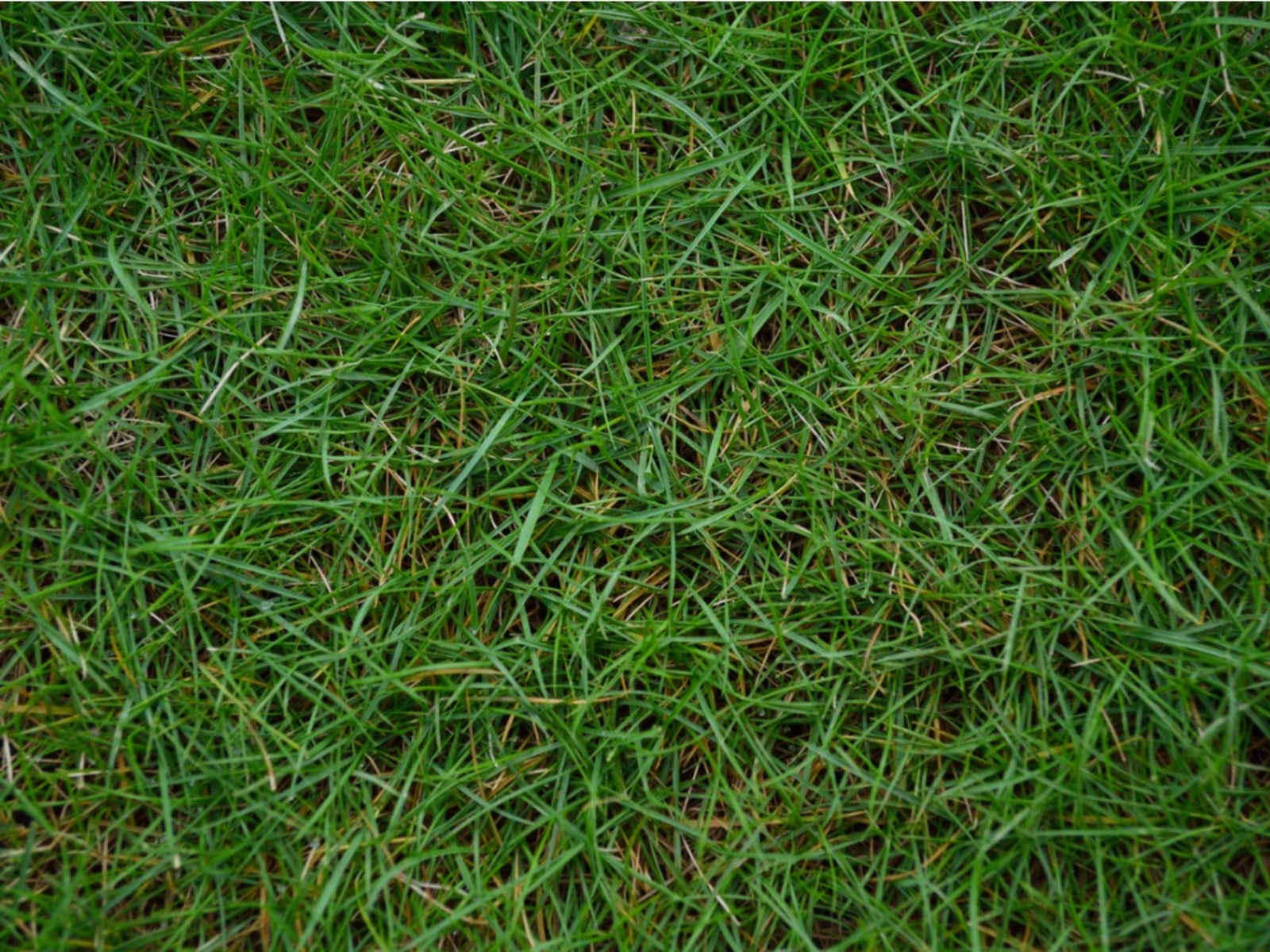
Credit: www.gardeningknowhow.com
Frequently Asked Questions
How Fast Does Bermuda Grass Grow In Ideal Conditions?
Bermuda grass can grow 1 to 3 inches per week in ideal warm and sunny conditions. It spreads quickly through stolons and rhizomes, covering bare spots fast.
What Factors Affect Bermuda Grass Growth Speed?
Temperature, sunlight, soil quality, and water availability greatly impact Bermuda grass growth. Warm temperatures and full sun speed up growth, while poor soil or drought slow it down.
How Long Does Bermuda Grass Take To Fully Establish?
Bermuda grass typically takes 2 to 3 months to fully establish from seed or sod under optimal conditions. Regular watering and fertilizing speed up this process.
Can Bermuda Grass Grow Fast In Shady Areas?
No, Bermuda grass grows slowly or poorly in shady areas. It requires at least 6 to 8 hours of direct sunlight daily to thrive and grow quickly.
Conclusion
Bermuda grass grows quickly, especially in warm weather. It can fill your lawn in just a few weeks. Regular watering and sunlight help it grow faster. Mowing often keeps it healthy and neat. This grass suits many climates and soil types.
You can enjoy a green, thick lawn with proper care. Growing Bermuda grass takes some effort but pays off well. A fast-growing lawn makes your outdoor space look great. Keep these tips in mind for best results.
