

To kill Johnson grass without harming Bermuda grass, use selective herbicides containing sethoxydim or fluazifop. These target Johnson grass specifically, allowing your Bermuda grass to thrive. Timing applications during active growth and spot-treating can improve results while preserving your lawn’s health.
Are you struggling with stubborn Johnson grass invading your yard, while your Bermuda grass stays strong? You’re not alone.
Many gardeners and lawn lovers face this exact problem. Finding a way to kill Johnson grass without harming your Bermuda can feel impossible. But what if there’s a method that targets Johnson grass specifically, leaving your Bermuda grass healthy and green?
Keep reading, because you’re about to discover effective solutions that protect your lawn and take control of those unwanted weeds for good.
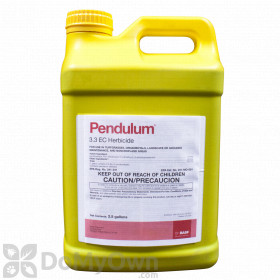
Credit: www.domyown.com
Johnson Grass Vs Bermuda Grass
Johnson grass and Bermuda grass often grow in the same areas, but they are very different plants. Many people want to control Johnson grass without harming Bermuda grass. Knowing how these grasses differ helps in choosing the right herbicide. Understanding their growth and why control is important can protect your lawn or field.
Key Differences
Johnson grass is a tall, fast-spreading weed. It grows thick and can take over fields quickly. Bermuda grass is shorter and stays close to the ground. It spreads by runners and forms a dense, green carpet. Johnson grass has wider leaves and a rough texture. Bermuda grass leaves are narrow and smooth. These differences make some herbicides kill Johnson grass but not Bermuda grass.
Growth Patterns
Johnson grass grows from deep roots called rhizomes and from seeds. It grows tall, sometimes over five feet. This grass can survive droughts and poor soil. Bermuda grass spreads by above-ground runners called stolons and underground rhizomes. It stays low and grows fast in warm weather. Bermuda grass recovers well after damage. Johnson grass is harder to control because it grows taller and spreads quickly.
Why Control Matters
Johnson grass can harm crops and lawns. It competes for water, sunlight, and nutrients. If left unchecked, it spreads fast and chokes other plants. Bermuda grass is often used for lawns and pastures. Keeping Johnson grass out helps Bermuda grass stay healthy. Using the right herbicide targets Johnson grass without hurting Bermuda grass. Control keeps your green space clean and strong.
Effective Herbicides For Johnson Grass
Effective herbicides are key to controlling Johnson grass without harming Bermuda grass. Johnson grass spreads quickly and can take over fields and lawns. Choosing the right herbicide helps keep Bermuda grass safe while killing Johnson grass.
Selective Herbicide Options
Selective herbicides target Johnson grass but leave Bermuda grass unharmed. Products with sethoxydim or fluazifop are common choices. These herbicides work by stopping Johnson grass from making food. They kill Johnson grass leaves and roots over time. Apply them carefully to avoid damage to other plants.
Non-selective Herbicide Use
Non-selective herbicides kill all plants they touch. Glyphosate is a popular non-selective herbicide for Johnson grass control. Use it only on Johnson grass patches, avoiding Bermuda grass areas. Spot treatment is best to prevent damage. Non-selective herbicides work fast but need careful handling.
Application Timing
Timing affects herbicide success against Johnson grass. Apply herbicides when Johnson grass is actively growing. Early summer is often the best time. Avoid spraying during drought or extreme heat. Proper timing improves herbicide absorption and kills Johnson grass more effectively.
Cultural Control Methods
Cultural control methods offer natural ways to manage Johnson grass without harming Bermuda grass. These methods focus on changing the environment to make it harder for Johnson grass to grow. They help maintain healthy soil and strong crops, which can outcompete Johnson grass. Using cultural control can reduce the need for chemicals and protect your land.
Mowing Strategies
Mowing Johnson grass regularly stops it from producing seeds. Cut it low before it flowers to weaken the plant. Frequent mowing reduces Johnson grass energy stored in roots. Bermuda grass recovers quickly from mowing and stays healthy. This method helps control Johnson grass spread naturally.
Soil Management
Healthy soil supports Bermuda grass and limits Johnson grass growth. Test soil to check nutrient levels and pH balance. Add organic matter like compost to improve soil health. Good soil drainage prevents Johnson grass from thriving. Balanced soil favors Bermuda grass, making it stronger against weeds.
Crop Rotation Benefits
Rotating crops disrupts Johnson grass growth cycles. Different plants use nutrients differently, reducing weed advantages. Crop rotation can starve Johnson grass by changing light and moisture. This method supports soil health and boosts Bermuda grass growth. Rotating crops helps keep Johnson grass under control over time.
Mechanical Control Techniques
Mechanical control techniques offer a practical way to manage Johnson grass while sparing Bermuda grass. These methods physically remove or disrupt Johnson grass growth. They help reduce the weed population without chemicals. Mechanical control requires regular effort and attention. It suits gardens, farms, and lawns where selective control is needed.
Tilling Practices
Tilling breaks up soil and cuts Johnson grass roots. Deep tilling exposes roots to air and sun, which weakens them. Repeated tilling prevents the weed from regrowing. Avoid tilling too close to Bermuda grass roots. Use shallow tilling around Bermuda to protect it. Tilling also helps prepare soil for planting new grass or crops.
Manual Removal
Manual removal involves pulling Johnson grass by hand or with tools. It works best for small patches or young plants. Pull the entire root system to stop regrowth. Use gloves to protect your hands. Remove plants before they produce seeds. Manual removal is labor-intensive but effective in sensitive areas.
Equipment Recommendations
Use a rototiller or cultivator for effective tilling. Hand tools like hoes and weed pullers help with manual removal. Choose sharp, sturdy tools for easy cutting. A spade or shovel helps lift deep roots. For large areas, consider mechanical mowers that cut Johnson grass low. Always clean equipment after use to prevent spreading seeds.
Preventing Johnson Grass Spread
Stopping Johnson grass from spreading saves time and money. It helps keep Bermuda grass healthy and thriving. Preventing its spread is easier than removing it later. Simple steps can control seeds and rhizomes. Watching your land closely helps catch problems early. Clean tools and machines reduce spreading risks.
Seed And Rhizome Control
Johnson grass spreads through seeds and underground rhizomes. Pull weeds before they produce seeds. Cut plants before flowering to stop seed growth. Rhizomes grow underground and create new plants. Dig up rhizomes carefully to prevent regrowth. Cover bare soil to block seed germination.
Monitoring And Early Detection
Check your yard or field often. Early detection stops Johnson grass from taking over. Look for new shoots and unusual patches. Use maps or photos to track problem areas. Catching Johnson grass early makes control easier. Report new growth to neighbors or local authorities.
Sanitation Tips
Clean tools and equipment after use. Johnson grass seeds can hide on mower blades. Wash boots and tires to avoid spreading seeds. Avoid moving soil from infected areas. Dispose of plant waste carefully. Keeping areas clean reduces Johnson grass chances.
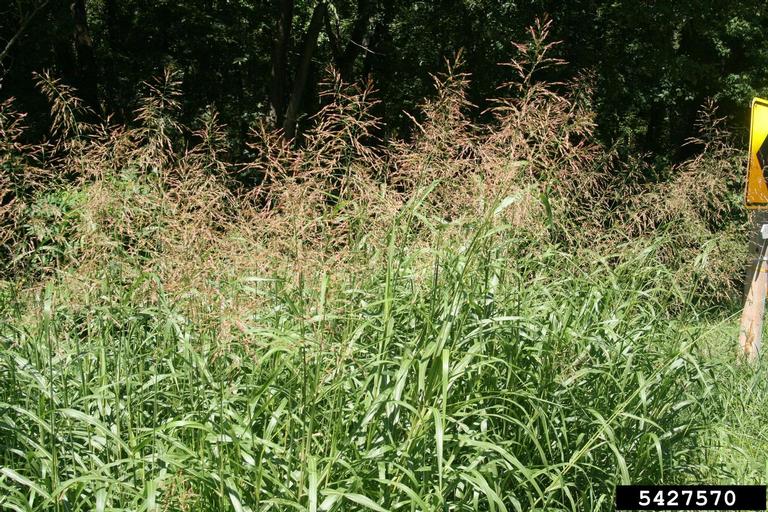
Credit: www.aces.edu
Protecting Bermuda Grass
Bermuda grass is popular for lawns and sports fields. It grows fast and stays green in warm weather. Protecting Bermuda grass is important when killing Johnson grass. Johnson grass is a weed that spreads quickly and harms Bermuda grass. Choosing the right methods keeps Bermuda healthy and strong. This section explains how to protect Bermuda grass while removing Johnson grass.
Safe Herbicide Choices
Select herbicides that kill Johnson grass but spare Bermuda grass. Look for products labeled safe for Bermuda. Glyphosate-based herbicides kill many weeds but can harm Bermuda. Use selective herbicides designed for grassy weeds. Apply carefully to avoid drift on Bermuda areas. Follow all label instructions for safe use. Spot treat Johnson grass patches instead of spraying wide areas.
Maintaining Healthy Turf
Healthy Bermuda grass resists weeds better. Water Bermuda deeply but not too often. Mow regularly at the right height, about 1 to 2 inches. Fertilize with balanced nutrients to boost growth. Remove thatch buildup to improve air and water flow. Aerate soil to help roots grow stronger. Keep lawn clean of debris to reduce stress on grass.
Recovery After Treatment
Monitor Bermuda grass after herbicide use. New growth shows the lawn is recovering. Water the lawn well to help healing. Avoid heavy foot traffic on treated areas. Apply fertilizer after two weeks to support growth. Reseed bare spots if needed for full coverage. Patience helps Bermuda grass regain its strength and color.

Credit: www.youtube.com
Frequently Asked Questions
What Herbicides Kill Johnson Grass But Not Bermuda?
Selective herbicides like Sethoxydim and Fluazifop target Johnson grass without harming Bermuda grass. These post-emergent herbicides inhibit grass-specific enzymes, controlling Johnson grass effectively. Always follow label instructions for safe and effective use.
Can I Use Glyphosate On Johnson Grass Without Harming Bermuda?
Glyphosate is non-selective and kills both Johnson grass and Bermuda grass. It is not recommended if you want to preserve Bermuda. Use selective herbicides instead for targeted control of Johnson grass.
How To Control Johnson Grass In Bermuda Lawns Naturally?
Mowing regularly and improving soil health can reduce Johnson grass spread. Hand-pulling young shoots before seed formation helps. Solarization with clear plastic sheets during hot months also weakens Johnson grass rhizomes naturally.
Is Pre-emergent Herbicide Effective Against Johnson Grass?
Pre-emergent herbicides have limited effect on Johnson grass since it spreads mainly via rhizomes. Post-emergent selective herbicides are more effective for controlling established Johnson grass without damaging Bermuda grass.
Conclusion
Controlling Johnson grass without harming Bermuda grass is possible. Use herbicides that target Johnson grass specifically. Always follow the product instructions carefully. Spot treating Johnson grass helps protect your Bermuda grass lawn. Regular monitoring keeps Johnson grass from spreading fast.
Combining methods gives better control results. Patience and persistence are key for success. Keep your lawn healthy and strong. This approach keeps Bermuda grass safe and beautiful.
