

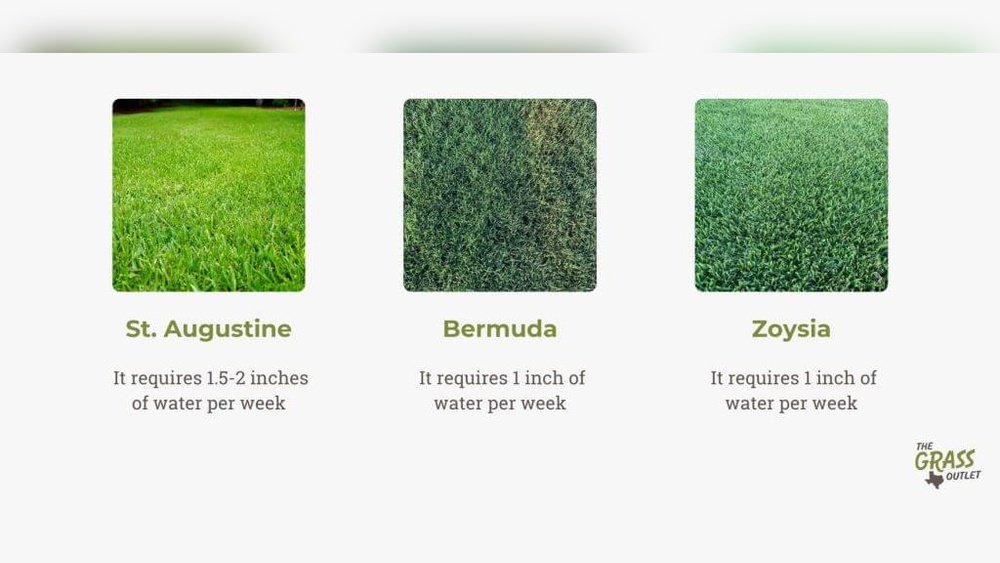
Are you struggling to keep your Bermuda grass healthy and green? One of the biggest questions turf lovers ask is, “How often should I water Bermuda grass?” Watering too little can leave your lawn dry and patchy, while overwatering wastes water and can damage the roots.
Finding the right balance is key to a lush, vibrant lawn that stands out in your neighborhood. You’ll discover simple, effective tips to master your watering routine and make your Bermuda grass thrive all season long. Keep reading, because your perfect lawn is just a few smart watering decisions away.
Credit: www.gilbertaz.gov
Bermuda Grass Basics
Bermuda grass is a popular choice for lawns and sports fields. It is tough and grows quickly. Understanding its basics helps in proper care and watering. This section covers key facts about Bermuda grass.
Characteristics Of Bermuda Grass
Bermuda grass has fine, dense blades. It spreads fast through runners and shoots. It stays green in warm weather. It goes dormant and turns brown in cold months. This grass can handle heavy foot traffic. It recovers quickly from damage. It needs full sun to grow well.
Ideal Growing Conditions
Bermuda grass thrives in warm climates. It prefers temperatures between 75 and 95 degrees Fahrenheit. It grows best in well-drained soil with a pH of 5.8 to 7.0. It needs at least six hours of sunlight daily. It does not do well in shade or wet soil. Proper watering supports healthy growth and color.
Water Needs Throughout The Year
Bermuda grass has different water needs throughout the year. Understanding these needs helps keep your lawn healthy and green. Watering too much or too little can harm the grass. Adjust watering based on the season and weather. Let’s explore how often to water Bermuda grass in different seasons.
Spring And Early Summer
During spring, Bermuda grass starts growing actively. It needs regular water to develop strong roots. Water the lawn about 2 to 3 times a week. Each session should provide about 1 inch of water. Early summer requires similar watering. The soil should stay moist but not soggy.
Peak Summer Months
Summer heat makes Bermuda grass thirsty. Water more often to prevent dryness. Aim for 3 to 4 watering sessions weekly. Increase water amount slightly if the weather is very hot. Morning watering is best. It reduces evaporation and helps grass absorb water well.
Fall And Dormant Periods
In fall, water needs decrease as growth slows down. Water once or twice a week. Reduce watering as temperatures drop. During dormancy, Bermuda grass needs very little water. Only water if the soil is very dry. Overwatering can cause problems during this time.
Factors Influencing Water Frequency
Watering Bermuda grass correctly depends on many factors. These factors affect how often you need to water your lawn. Understanding them helps keep your grass healthy and green. Each lawn is different. Learning about these key points will guide your watering routine.
Soil Type And Drainage
Soil type changes how water moves and stays in the ground. Sandy soil drains water quickly. It needs more frequent watering. Clay soil holds water longer. It requires less watering to avoid soggy roots. Good drainage helps prevent water buildup. Poor drainage can cause root problems and disease.
Climate And Weather Patterns
Hot, dry weather makes grass need more water. Cool, rainy conditions reduce watering needs. Seasonal changes affect water frequency. During summer, water more often. In cooler months, water less. Windy days can dry out soil faster. Watch the weather to adjust watering times.
Lawn Size And Usage
Large lawns need more water than small ones. Lawns used often, like for play, need extra care. Heavy foot traffic stresses grass and soil. This increases water needs. Less-used lawns can survive with less water. Adjust watering based on how you use your lawn.

Credit: www.youtube.com
Signs Of Overwatering And Underwatering
Watering Bermuda grass correctly is key to a healthy lawn. Both too much and too little water cause problems. Knowing the signs helps you adjust watering habits. Spotting these signs early keeps your grass green and strong.
Symptoms Of Too Much Water
Grass blades may turn yellow or pale. Soil feels soggy or muddy underfoot. Patches of grass die even with wet soil. Fungal growth like mold or mildew appears. Roots may rot, causing grass to pull up easily. Water puddles form on the lawn surface.
Symptoms Of Too Little Water
Grass turns brown or dry, especially at the tips. Blades curl or fold inward. Soil feels hard and dry below the surface. Lawn looks thin and patchy in some areas. Footprints stay visible for a long time. Grass grows slowly or stops growing altogether.
Best Practices For Watering Bermuda Grass
Proper watering is key to a healthy Bermuda grass lawn. Best practices help save water and keep grass green. Follow simple steps to water your Bermuda grass well.
Optimal Time Of Day
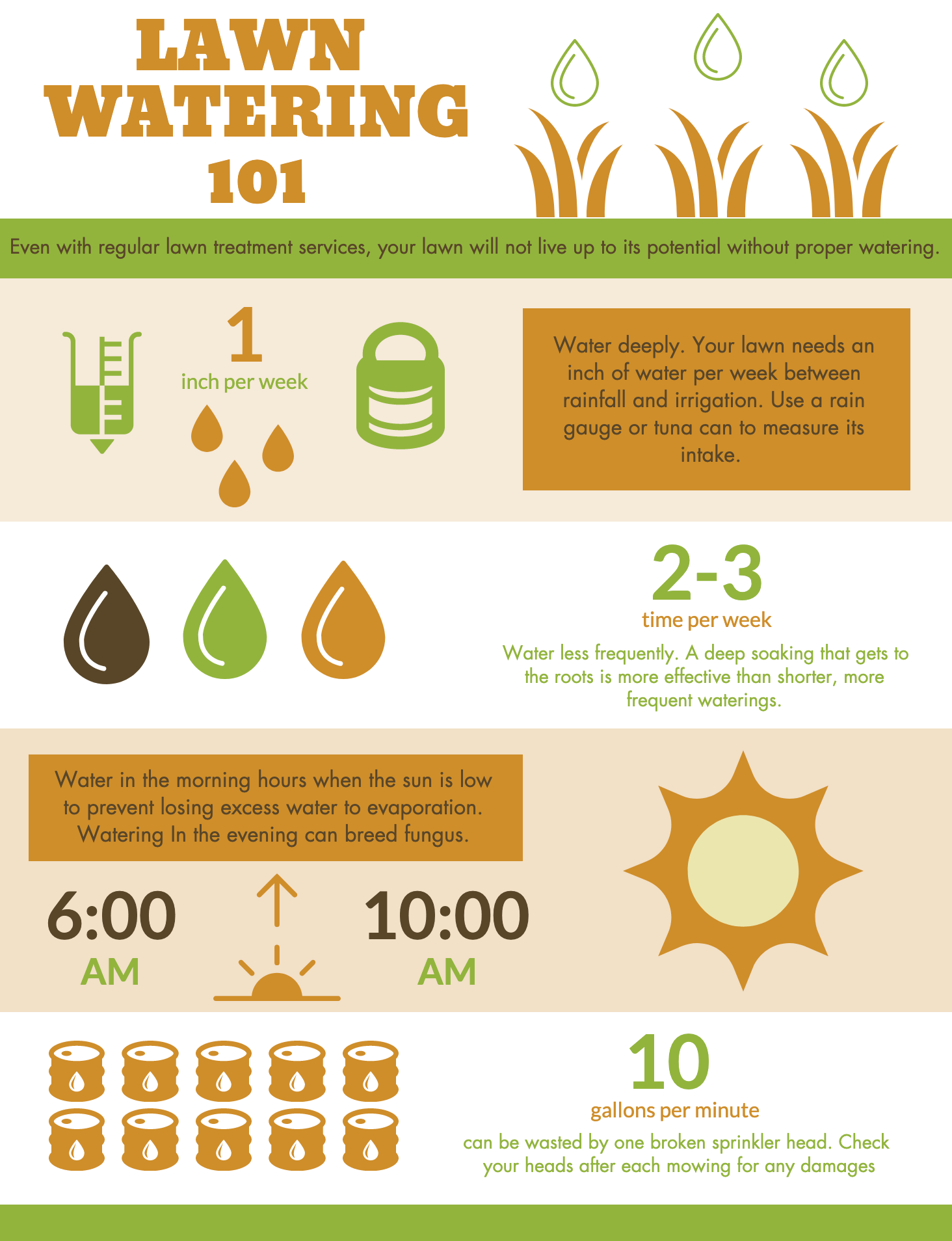
Early morning is the best time to water Bermuda grass. The sun is low, so less water evaporates. Watering before 10 a.m. helps grass absorb moisture. Avoid watering at night to stop fungus growth.
Watering Techniques
Water deeply but less often for strong roots. Aim for about one inch of water each week. Use a sprinkler to spread water evenly. Avoid watering too fast to prevent runoff. Check soil moisture before watering again.
Using Irrigation Systems
Irrigation systems save time and water. Use timers to water at the right time and amount. Adjust sprinklers to cover all lawn areas. Regularly check for leaks or broken heads. Smart systems can adjust based on weather.
Credit: southernlawns.net
Tips For Maintaining A Healthy Lawn
Keeping Bermuda grass healthy needs more than just watering. Regular care helps the grass grow thick and green. Follow these simple tips to keep your lawn fresh and strong all year long.
Mowing And Fertilizing
Cut Bermuda grass often to keep it neat. Set your mower blade to about 1 to 2 inches high. Avoid cutting too short, which can stress the grass. Fertilize during the growing season using a balanced fertilizer. This supports growth and improves color. Spread fertilizer evenly to avoid brown spots.
Aeration And Soil Health
Aerate the soil once or twice each year. This helps air, water, and nutrients reach the roots. Use a lawn aerator or a garden fork for small areas. Check soil pH and keep it near 6 to 7 for best growth. Healthy soil means stronger grass and better water use.
Pest And Weed Control
Watch for weeds and pests that harm Bermuda grass. Remove weeds by hand or use safe herbicides. Treat pest problems quickly to avoid damage. Keep the lawn thick to prevent weeds from growing. Healthy grass naturally fights off many pests and weeds.
Frequently Asked Questions
How Often Should Bermuda Grass Be Watered Weekly?
Bermuda grass typically needs about 1 to 1. 5 inches of water weekly. Water deeply 2-3 times per week for healthy roots. Adjust frequency based on weather, soil, and grass condition to avoid overwatering or drought stress.
What Time Of Day Is Best To Water Bermuda Grass?
Early morning is the best time to water Bermuda grass. Watering before sunrise reduces evaporation and allows grass to dry during the day. Avoid watering in the evening to prevent fungal diseases and promote healthier turf.
How Does Soil Type Affect Bermuda Grass Watering?
Sandy soils drain quickly and need more frequent watering. Clay soils retain moisture longer, so water less often but deeply. Knowing your soil type helps optimize watering schedules, preventing water waste and promoting strong Bermuda grass growth.
Can Overwatering Harm Bermuda Grass Health?
Yes, overwatering can lead to shallow roots and fungal diseases. Excess water reduces oxygen in soil, weakening Bermuda grass. Water only when the top 1-2 inches of soil feel dry to keep your lawn healthy and vibrant.
Conclusion
Water Bermuda grass deeply but not too often. Let the soil dry slightly between waterings. Too much water can harm roots and cause disease. Adjust watering based on weather and soil type. Early morning is the best time to water.
Watch your grass for signs of thirst or overwatering. A healthy lawn needs balance and care. Keep these tips in mind for green, strong Bermuda grass all season. Simple steps make a big difference. Your lawn will thank you.
