

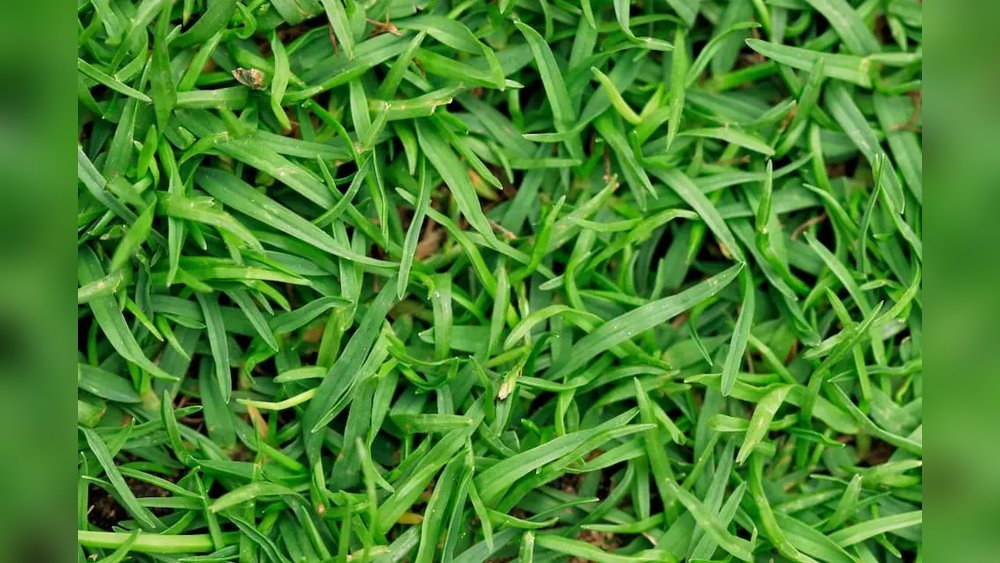
If you have Bermuda grass in your yard, you probably want it to look its best all year round. But do you know exactly when to start watering it?
Watering too early or too late can harm your grass and waste water. Getting the timing just right helps your Bermuda grass grow strong, stay green, and resist weeds. You’ll discover the perfect time to begin watering your Bermuda grass and how to keep it healthy with simple watering tips.
Keep reading to make sure your lawn gets exactly what it needs!
Ideal Time To Begin Watering
Knowing the ideal time to begin watering Bermuda grass helps keep it healthy and green. Watering too early or too late can harm the grass or waste water. Start watering when the grass really needs it, based on weather, soil, and growth. This section explains how to find the best time to start watering Bermuda grass.
Seasonal Considerations
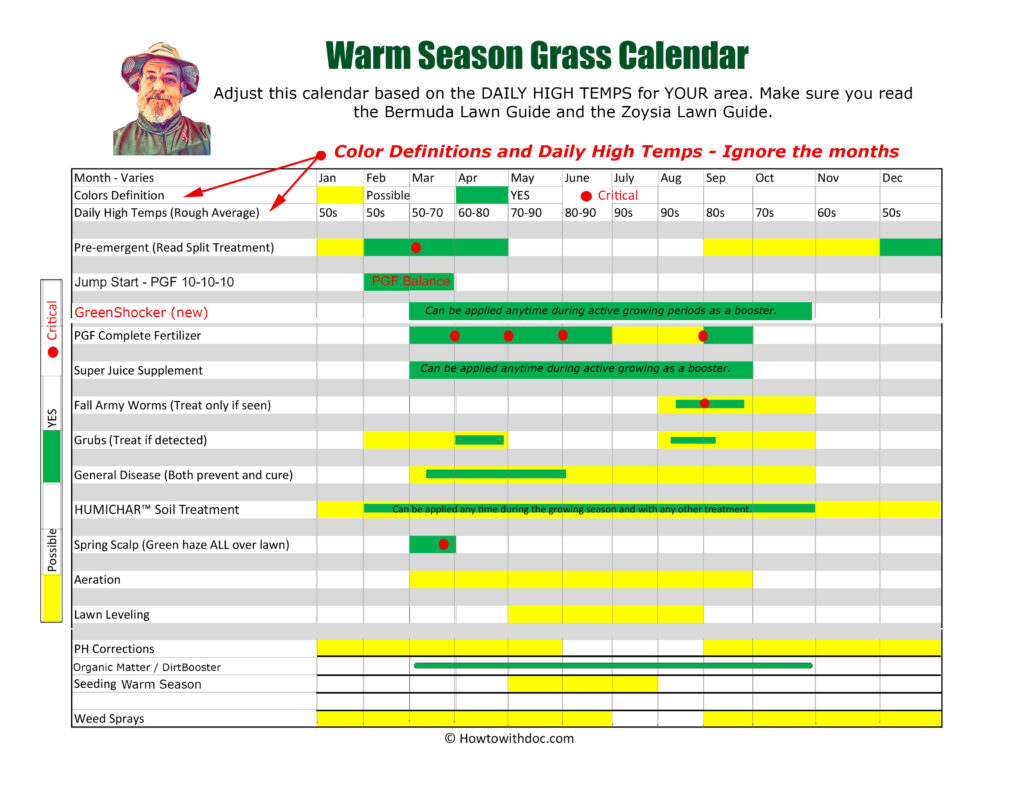
Bermuda grass grows best in warm weather. Watering should start in spring, after winter ends. The air and ground begin to warm up. Avoid watering during cold spells or frost. Grass stays dormant in winter and needs less water. Watch for warmer days and longer sunlight. These signs show the growing season has begun.
Soil Temperature Indicators
Soil temperature is a clear sign to water Bermuda grass. Water when soil reaches about 65°F (18°C). Use a soil thermometer to check. Warm soil helps grass roots absorb water well. Cold soil keeps roots slow and weak. Watering too early in cold soil can cause damage. Check soil at 2 to 4 inches deep for best results.
Grass Growth Stages
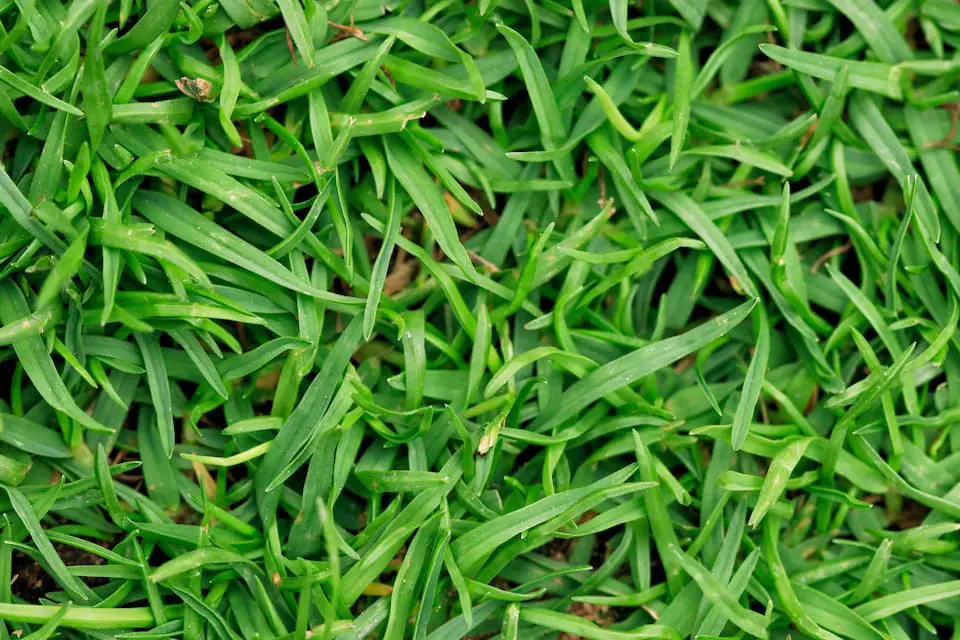
Begin watering when Bermuda grass starts growing new shoots. This shows the grass is active and needs moisture. Watch for green shoots breaking through the soil. Seedlings and young grass need more water than mature grass. Water to keep the soil moist but not soggy. Stop watering as the grass enters dormancy in fall.
Credit: fortsmithlandscaping.com
Watering Frequency And Amount
Knowing the right watering frequency and amount is key to growing healthy Bermuda grass. Water too little, and the grass may dry out. Water too much, and roots can rot or grow weak. This section explains how often and how much to water during different growth stages.
Early Growth Phase
Start watering Bermuda grass lightly after planting. Keep soil moist but not soggy. Water once or twice a day for short periods. This helps seeds or new grass sprigs to settle. Avoid deep watering at this stage. The goal is to keep the topsoil damp for root growth.
Active Growing Season
Increase watering as the grass grows strong. Water deeply about 2 to 3 times per week. Each session should wet the soil 6 to 8 inches deep. Deep watering encourages roots to grow downward. Let the soil dry slightly between watering to prevent disease. Morning watering is best to reduce evaporation.
Dormant Period Adjustments
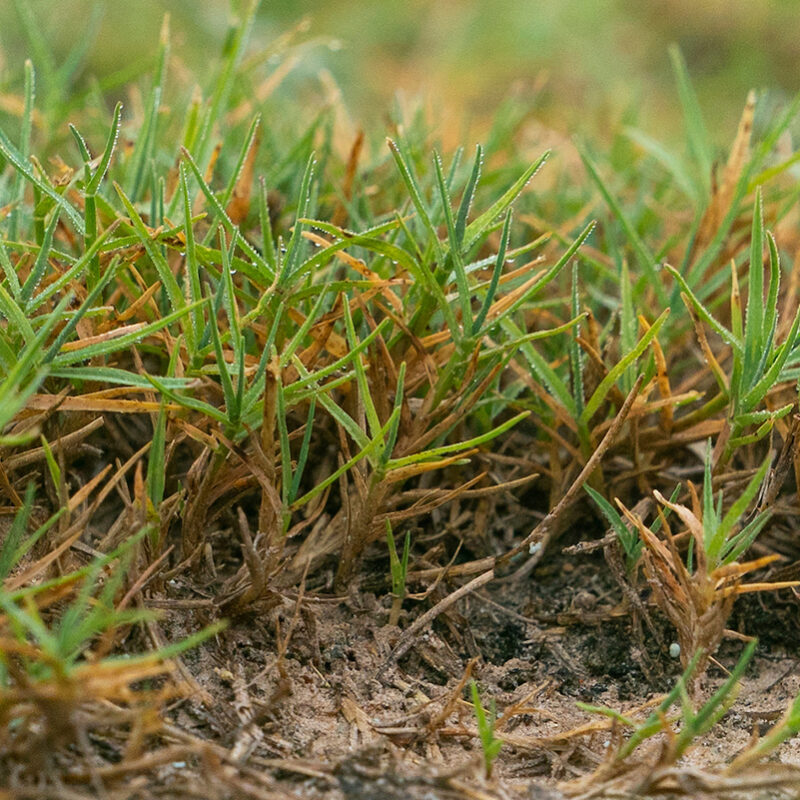
Bermuda grass slows growth in cold months. Reduce watering to once every 2 to 3 weeks. Water only enough to keep the soil from drying out completely. Overwatering in dormancy can cause mold or fungus. Monitor weather and soil moisture to adjust watering correctly.
Best Watering Techniques
Proper watering is key to keeping Bermuda grass healthy and green. Using the right techniques helps the grass absorb water well. It also saves water and prevents disease. Understanding the best ways to water can make a big difference in your lawn’s health.
Morning Vs Evening Watering
Watering in the morning is usually best. The sun helps dry the grass quickly. This stops fungus and mold from growing. Evening watering keeps the grass wet for longer. That can lead to disease and root problems. Morning watering gives the roots a good start for the day.
Deep Vs Shallow Watering
Deep watering encourages strong root growth. It means watering less often but for longer. Shallow watering wets only the surface. That causes weak roots and dry patches. Deep watering helps Bermuda grass survive heat and drought. It also improves the lawn’s overall strength.
Using Irrigation Systems
Irrigation systems save time and water. Sprinklers cover large areas evenly. Timers help water at the best times. Drip systems water roots directly and reduce waste. Check your system regularly to avoid leaks. Proper setup ensures your Bermuda grass gets the right water amount.
Credit: agrilifeextension.tamu.edu
Signs Of Overwatering And Underwatering
Knowing the signs of overwatering and underwatering helps keep Bermuda grass healthy. Water is vital, but too much or too little harms the lawn. Spotting early signs saves your grass from damage and stress.
Both overwatering and underwatering show different symptoms. Recognizing these symptoms helps adjust your watering schedule. Keep your Bermuda grass green and strong by watching closely.
Common Symptoms
Overwatered Bermuda grass looks soggy and has yellow patches. The soil feels wet for a long time. Grass blades may become soft and thin. Fungal diseases can appear due to excess moisture.
Underwatered Bermuda grass turns brown and dry. It feels hard underfoot and may curl up. Grass stops growing well and looks dull. You might see bare spots where grass dies.
Preventive Measures
Water only when the top inch of soil feels dry. Use a timer or moisture sensor for accuracy. Water early in the morning to reduce evaporation. Avoid watering late in the day to prevent disease.
Adjust watering based on weather and soil type. Aerate the soil to improve water absorption. Mow Bermuda grass at the right height for better health. Check the lawn regularly to catch problems early.
Soil And Weather Factors
Understanding soil and weather factors is key to knowing when to start watering Bermuda grass. These factors affect how much water your lawn needs. They also influence how often you should water. Paying attention to them helps keep your grass healthy and green.
Soil Type Impact
Different soils hold water differently. Sandy soil drains water quickly. It needs more frequent watering. Clay soil holds water for longer. It requires less frequent watering. Knowing your soil type helps set the right watering schedule. It prevents overwatering or underwatering your grass.
Rainfall Influence
Natural rainfall reduces the need to water. Track local rain amounts before watering. After heavy rain, your lawn may not need water for days. During dry spells, increase watering frequency. Watching rainfall patterns saves water and protects your grass.
Temperature Effects
High temperatures increase water loss from soil and grass. Hot days mean your Bermuda grass needs more water. Cooler weather slows down water use. Adjust watering times to early morning or late evening. This reduces evaporation and helps water reach roots.
Additional Care Tips For Bermuda Grass
Bermuda grass needs more than just watering to stay healthy. Proper care helps it grow thick and green. Follow these tips to keep your lawn in great shape all season long.
Fertilization Timing
Feed Bermuda grass during its growing season. Start fertilizing in late spring when the grass begins to grow. Use a balanced fertilizer every six to eight weeks. Avoid fertilizing in cooler months. It can harm the grass and waste nutrients.
Mowing Practices
Keep your mower blades sharp for a clean cut. Mow Bermuda grass regularly to a height of 1 to 2 inches. Cutting too short can stress the grass. Remove only one-third of the grass blade at a time. This helps the lawn stay healthy and recover quickly.
Pest And Disease Management
Check your lawn often for signs of pests or diseases. Treat problems early with proper pesticides or natural remedies. Avoid overwatering to reduce disease risk. Good air flow and sunlight help prevent many issues. Healthy grass resists pests and recovers faster.
Credit: www.howtowithdoc.com
Frequently Asked Questions
When Is The Best Time To Start Watering Bermuda Grass?
Start watering Bermuda grass in early spring once soil temperatures reach 65°F. This encourages healthy growth and root development. Avoid watering too early to prevent fungal diseases.
How Often Should Bermuda Grass Be Watered Initially?
Water Bermuda grass deeply 2-3 times per week during establishment. This helps roots grow strong and deep. Adjust frequency based on rainfall and soil moisture.
Can I Water Bermuda Grass In Cooler Months?
Bermuda grass enters dormancy in cooler months and requires less water. Water sparingly to keep soil slightly moist but avoid overwatering that promotes disease.
What Signs Indicate Bermuda Grass Needs Watering?
Look for dull color, dry soil, and footprints remaining visible. These signs show the grass is stressed and needs watering to recover.
Conclusion
Starting to water Bermuda grass at the right time helps it grow strong. Wait until the soil feels warm and dry before watering. Early watering keeps the grass green and healthy through hot months. Too much water can harm roots and cause problems.
Watch the weather and adjust watering to save water and keep grass happy. Healthy Bermuda grass adds beauty and comfort to your yard. Careful watering makes a big difference in lawn success. Simple steps lead to a lush and green lawn all season.
