

Are you wondering if you can mix Zoysia grass with other lawn types to create a lush, vibrant yard? You’re not alone.
Many homeowners want the best of both worlds—combining the durability of Zoysia with the quick growth or color of other grasses. But is it a good idea? Will different grasses compete or thrive together? You’ll discover the truth about mixing Zoysia grass with other lawn types, so you can make smart choices for your lawn that save you time, money, and effort.
Keep reading to find out what works and what doesn’t for your perfect lawn.
Zoysia Grass Basics
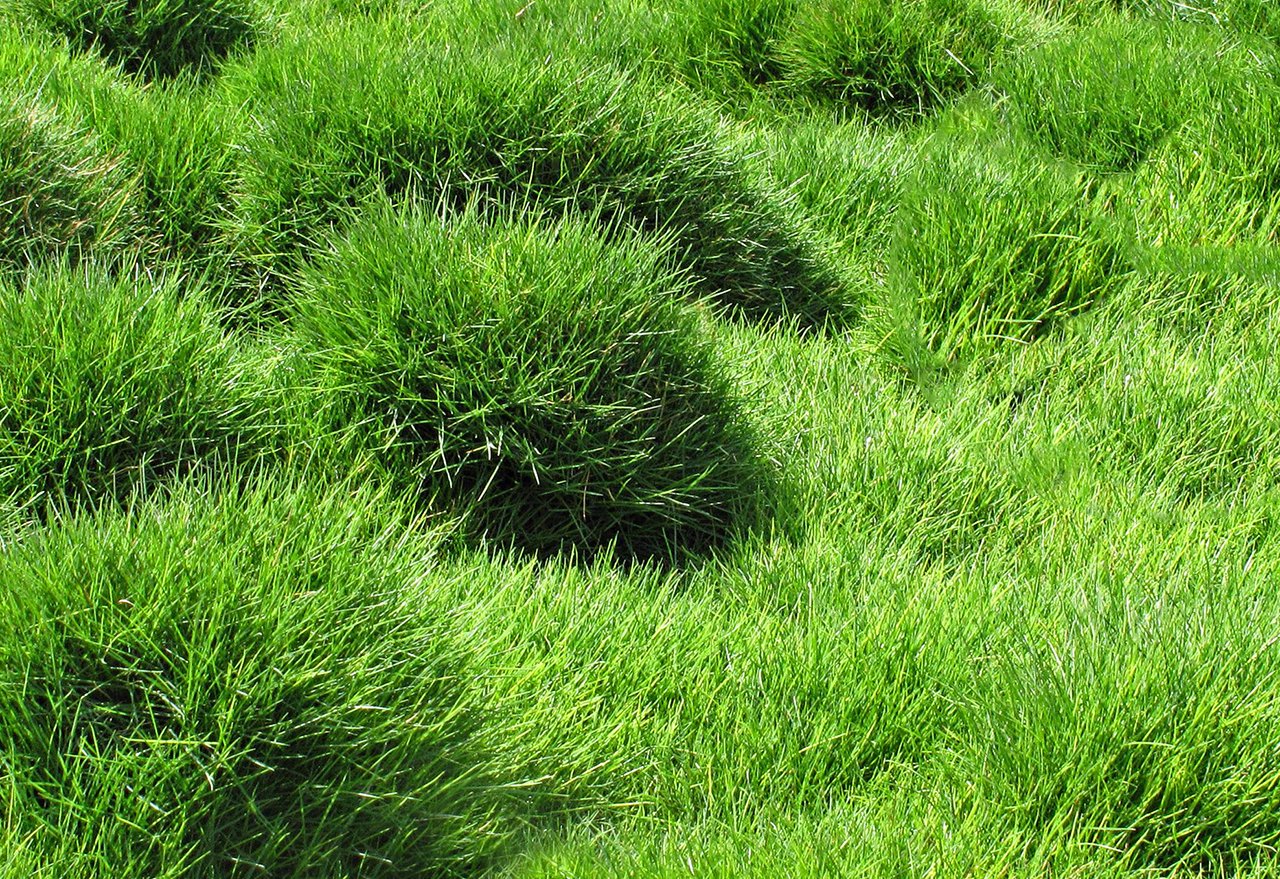
Zoysia grass is a popular choice for lawns. It is known for its thick, soft texture and deep green color. This grass type grows slowly but forms a dense carpet that resists weeds well. Understanding Zoysia grass basics helps in deciding if it fits your lawn needs.
Knowing its features, growth habits, and climate preferences is important before mixing it with other grass types. This knowledge can guide you in creating a healthy, beautiful lawn.
Characteristics Of Zoysia
Zoysia grass has fine to medium blades. It feels soft underfoot and looks lush. The grass is dense, which helps block weeds naturally. Zoysia is drought-tolerant and recovers well after damage. It also handles foot traffic better than many other grasses.
Growth Patterns
Zoysia spreads slowly through stolons and rhizomes. This growth type helps it fill bare spots over time. The slow growth means less frequent mowing. However, it takes time to establish fully. Once grown, it creates a tight, uniform lawn surface.
Ideal Climate
Zoysia thrives in warm climates but can handle cooler temperatures. It grows best in USDA zones 6 to 10. The grass tolerates heat and humidity well. It also survives mild winters without much damage. Zoysia prefers full sun but can grow in some shade.
Common Lawn Grass Types
Many people want to know about common lawn grass types. These grasses have different looks and needs. Knowing about them helps you choose the best lawn for your home. Each grass type has its own strengths and grows well in certain places.
Here are three popular lawn grass types to consider. They have different textures, colors, and care requirements. Understanding these can help you decide if Zoysia grass can mix with them.
Bermuda Grass
Bermuda grass is very tough and grows fast. It has a deep green color and a fine texture. It likes warm weather and lots of sun. This grass recovers quickly from damage. It is often used on sports fields and lawns. Bermuda grass does not like shade or cold weather.
Fescue Grass
Fescue grass grows well in cool climates. It has a soft texture and a medium green color. It can grow in shade better than Bermuda grass. Fescue needs less water but more care in hot weather. It stays green during the winter season. It is good for lawns with some shade.
Kentucky Bluegrass
Kentucky Bluegrass looks lush and dark green. It grows best in cooler areas with some sun. This grass has a fine texture and spreads slowly. It needs regular watering and fertilizing. It can go dormant in dry times but returns when it rains. Kentucky Bluegrass is popular for its beauty.
Compatibility Factors
Mixing Zoysia grass with other lawn types requires careful thought. Compatibility depends on key factors like soil, sunlight, and watering. These factors affect how well different grasses grow together. Understanding each helps create a healthy, green lawn that looks uniform and thrives.
Soil Requirements
Zoysia grass grows best in well-drained soil. It prefers sandy or loamy soil with good nutrients. Other grass types might need different soil textures or pH levels. Matching soil needs prevents one grass from outgrowing the other. Testing your soil before planting helps you choose compatible grasses.
Sunlight Needs
Zoysia grass thrives in full sun but tolerates some shade. Some lawn grasses need full sun all day, while others survive in shade. Mixing grasses with very different sunlight needs can cause uneven growth. Choose grasses with similar sun exposure preferences for a balanced lawn.
Watering Preferences
Zoysia grass is drought-tolerant and needs moderate watering. Other grasses may require more frequent watering. Overwatering or underwatering affects grass health and appearance. Select grasses with similar watering needs to keep your lawn green and reduce maintenance efforts.

Credit: www.youtube.com
Mixing Zoysia With Other Grasses
Zoysia grass is popular for its thick, green appearance and drought resistance. Mixing it with other grass types can create a unique lawn with varied textures and strengths. This approach suits lawns that face different weather and soil conditions. Understanding how Zoysia interacts with other grasses helps maintain a healthy yard.
Benefits Of Mixing
Combining Zoysia with other grasses can improve lawn durability. Different grasses bring varied resistance to pests and diseases. Mixing grasses can fill bare spots faster than a single type. It also offers a balanced look with diverse shades of green. This diversity helps the lawn survive in changing climates and soil types.
Potential Challenges
Different grasses grow at different speeds. Zoysia grows slowly, which may cause uneven patches. Some grasses need more water or sunlight than Zoysia. Competition for nutrients can weaken one type over time. Mismatched grasses may require different mowing heights. These issues need careful planning and regular care.
Best Grass Combinations
Combining Zoysia with Bermuda grass works well in warm areas. Bermuda grows fast and fills gaps quickly. Tall fescue pairs with Zoysia in cooler climates. It adds shade tolerance and stays green longer. Kentucky bluegrass can complement Zoysia for a lush look. Choose grasses that match your climate and soil for best results.
Planting And Maintenance Tips
Planting and maintaining a lawn with Zoysia grass mixed with other types needs care and attention. Each grass type has its own needs. Understanding these needs helps create a healthy, green lawn. Follow simple tips for planting and maintenance to keep your lawn looking good all year.
Seeding Techniques
Choose seeds that grow well together. Sow Zoysia grass seeds with compatible grass types. Spread seeds evenly over the soil. Lightly rake the soil to cover seeds. Water gently to keep seeds moist. Avoid overwatering, which can wash seeds away. Plant in early spring or late summer for best results.
Mowing Practices
Set mower blades to the right height for each grass. Zoysia grass grows well at 1 to 2 inches. Mow regularly to keep grass healthy. Avoid cutting more than one-third of the blade at once. Use sharp mower blades for clean cuts. Mow when grass is dry to prevent damage.
Fertilizing Strategies
Use fertilizer suited for Zoysia and other grasses. Apply fertilizer in small, even amounts. Feed your lawn during the growing season. Avoid over-fertilizing, which can harm grass roots. Water after fertilizing to help nutrients soak in. Test soil to know what nutrients it needs most.
Troubleshooting Mixed Lawns
Mixed lawns with Zoysia grass and other types can look beautiful. They also bring challenges. Different grasses need different care. Problems like patchiness, pests, and diseases may occur. Fixing these issues is key to a healthy lawn.
Dealing With Patchiness
Patchiness happens when grass types grow unevenly. Zoysia spreads slowly but thickly. Other grasses may grow faster or slower. To fix patches, water the lawn deeply and regularly. Use a lawn spreader for even seed distribution. Mow at the right height for all grass types. Avoid cutting too short. This keeps the grass strong and green.
Pest Management
Mixed lawns attract different pests. Zoysia is tough but not pest-proof. Watch for insects like grubs and armyworms. Use natural pest controls like nematodes or beneficial insects. Apply insecticides only if needed. Check the lawn often to catch pests early. Healthy grass resists pests better.
Disease Control
Diseases can spread quickly in mixed lawns. Zoysia can get fungal infections if wet too long. Remove thatch and aerate soil to improve airflow. Avoid overwatering, especially in shady areas. Use fungicides if disease appears. Keep lawn tools clean to prevent spreading disease.
Expert Recommendations
Experts advise careful planning when mixing Zoysia grass with other lawn types. The goal is a healthy, attractive lawn that thrives. Understanding the right timing and care is key to success.
When To Mix Grasses
Mix grasses during the growing season. Spring or early summer works best for Zoysia. This timing helps the grass establish roots before cooler weather. Avoid mixing in late fall or winter. Grass growth slows, and new plants may not survive.
Professional Lawn Care Tips
Choose grasses with similar water and sunlight needs. This prevents one grass from dominating the other. Keep soil well-drained and fertile. Regular mowing helps maintain a uniform look. Watch for signs of stress or disease. Treat problems early to protect all grasses.

Credit: www.youtube.com
Credit: www.whygoodnature.com
Frequently Asked Questions
Can Zoysia Grass Grow Well With Other Grass Types?
Yes, Zoysia can grow with some grass types like Bermuda and fescue. Choose compatible grasses to avoid competition and uneven growth.
What Are The Benefits Of Mixing Zoysia Grass?
Mixing Zoysia improves lawn durability, appearance, and disease resistance. It helps create a lush, green lawn with varied textures.
Are There Drawbacks To Mixing Zoysia With Other Grasses?
Yes, mixed lawns may have uneven color and growth rates. Different watering and mowing needs can also complicate lawn care.
How To Maintain A Mixed Lawn With Zoysia Grass?
Use balanced watering, mowing, and fertilizing suited for all grass types. Regular monitoring helps manage growth differences and prevent weed issues.
Conclusion
Mixing Zoysia grass with other lawn types can work well with care. Choose grasses with similar water and sun needs. Watch for growth speed differences to keep a neat lawn. Regular mowing helps blend the grass types smoothly. Soil quality matters for all grasses to thrive.
Mixing can add color and texture variety. Keep an eye on your lawn’s health often. With patience, you can enjoy a beautiful, mixed grass lawn. Simple care makes a big difference in lawn success.
