
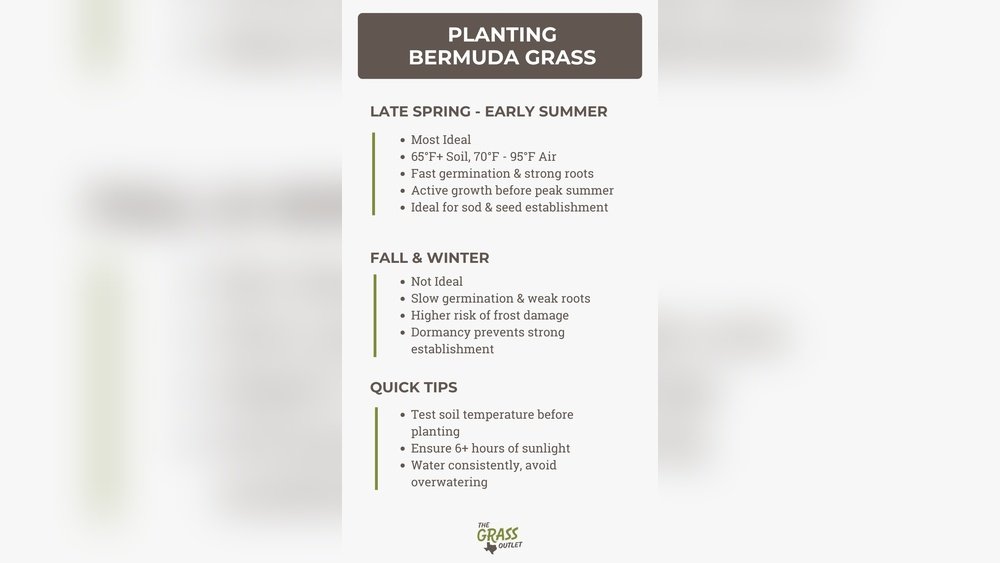
Are you thinking about planting Bermuda grass but wondering if fall is the right time? You want a lush, green lawn that lasts, and choosing the right season to plant is key.
Planting at the wrong time can mean slow growth or patchy grass, and nobody wants that. You’ll discover whether fall is a good season for Bermuda grass, what to watch out for, and how to get the best results. Keep reading to learn how to make your lawn thrive, no matter the season.
Bermuda Grass Basics
Bermuda grass is a popular lawn choice in warm climates. It grows fast and handles heat well. Many gardeners want to know if they can plant it in the fall. To answer this, understanding Bermuda grass basics helps. Learn about its ideal growing conditions and growth cycle first.
Ideal Growing Conditions
Bermuda grass prefers warm weather and lots of sun. It grows best in temperatures between 75°F and 95°F. It needs full sunlight for at least six hours daily. The soil should drain well and be slightly acidic to neutral. Bermuda grass can survive drought but grows better with regular water. It does not like shade or cold weather.
Growth Cycle
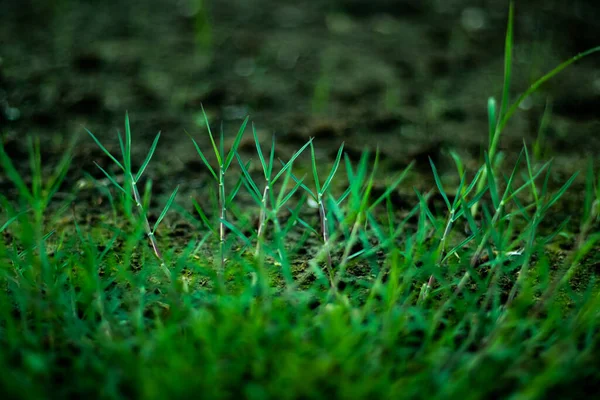
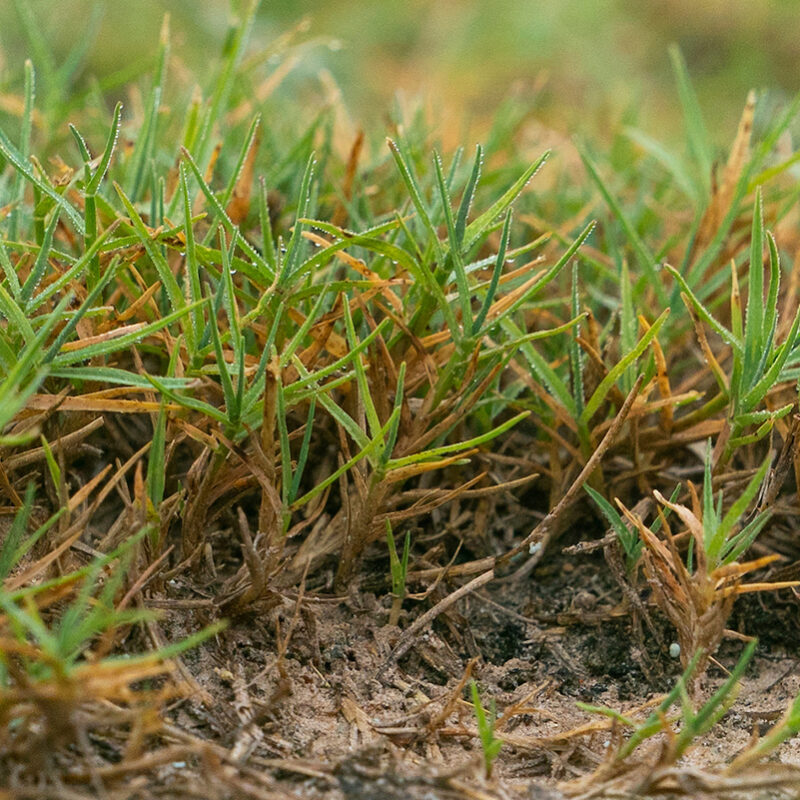
Bermuda grass starts growing in spring as temperatures rise. It grows rapidly through summer and stays green. When fall comes, growth slows down. In winter, Bermuda grass goes dormant and turns brown. It wakes up again when warm weather returns. This cycle helps it survive hot summers and cold winters.
Credit: theturfgrassgroup.com
Fall Planting Challenges
Planting Bermuda grass in the fall brings unique challenges. The season’s changing weather affects the grass’s growth. Understanding these challenges helps improve your planting success. Two main factors to consider are temperature and daylight. Both influence how well Bermuda grass will establish itself before winter.
Temperature Considerations
Bermuda grass grows best in warm soil. Fall temperatures can drop too low for good growth. Cold soil slows seed germination and root development. If temperatures fall below 50°F, the grass may struggle. Frost can damage young seedlings. Planting too late in fall risks poor grass health.
Daylight Impact
Shorter days mean less sunlight for the grass. Bermuda grass needs plenty of sunlight to grow strong. Reduced daylight slows photosynthesis, limiting energy for growth. This can weaken the grass before cold weather. Planting earlier in fall helps the grass get enough light. This gives the grass a better chance to thrive.
Benefits Of Fall Planting
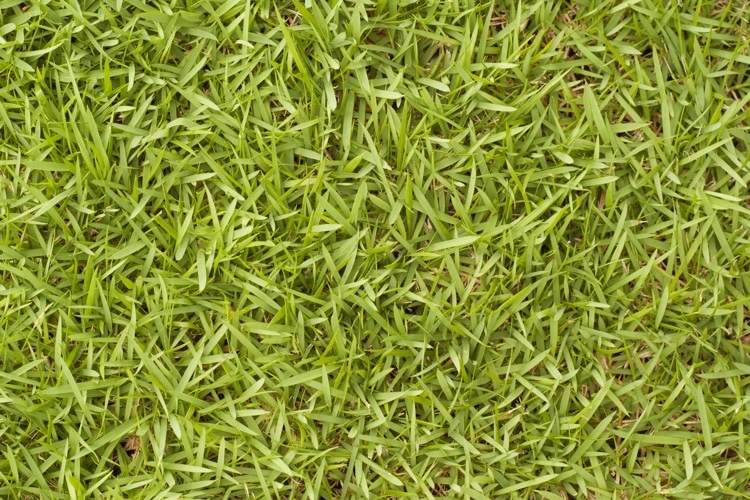
Planting Bermuda grass in the fall offers many benefits. The cooler weather helps young grass grow strong roots. Soil stays warm enough for seed germination. This gives the grass a good start before winter. Fall planting also reduces stress on new grass compared to hot summer months.
Starting Bermuda grass in fall means better growth in spring. The grass will be ready to spread and fill in your lawn quickly. Fall conditions create an ideal environment for healthy grass development.
Weed Control Advantages
Weeds grow less in fall than in spring or summer. This means fewer weeds compete with Bermuda grass seedlings. Less competition lets your new grass get nutrients and water easily. You spend less time and effort on weed control. Fall planting helps your lawn stay cleaner and healthier from the start.
Soil Preparation Opportunities
Soil is easier to prepare in the fall. Cooler temperatures allow thorough soil tilling and aeration. You can add compost or fertilizers without burning the grass roots. Soil moisture is usually higher, helping seed germinate faster. Fall gives you time to fix soil problems before winter. This sets a strong foundation for Bermuda grass growth.
Credit: www.rynolawncare.com
Step-by-step Planting Guide
Planting Bermuda grass in the fall needs careful steps for best results. Follow this guide to prepare your soil, choose the right seeds, and care for your new lawn. These steps help your grass grow strong before winter. Healthy preparation and proper care lead to a green, lush lawn in spring.
Soil Testing And Preparation
Test your soil to check its pH level and nutrients. Bermuda grass grows best in soil with a pH between 5.8 and 7.0. Use a soil test kit or send a sample to a lab. Remove rocks, weeds, and debris from the area. Loosen the top 2-3 inches of soil with a rake or tiller. Add lime or fertilizer based on your soil test results. Level the soil to create an even surface for planting.
Seed Selection And Sowing
Choose high-quality Bermuda grass seeds suited for your climate. Look for seed varieties that germinate well in cooler temperatures. Spread the seeds evenly over the prepared soil. Use a seed spreader for uniform coverage. Lightly rake the seeds into the soil to protect them. Avoid burying seeds too deep; about 1/8 inch is enough. Cover the area with a thin layer of straw or mulch to keep moisture.
Watering And Maintenance
Water the newly seeded area gently but deeply. Keep the soil moist until the seeds sprout, usually 10-14 days. Avoid overwatering, which can cause seed rot. After germination, reduce watering to once or twice a week. Mow the grass once it reaches 2 inches tall. Remove no more than one-third of the blade length. Watch for weeds and remove them quickly to avoid competition.
Common Mistakes To Avoid
Planting Bermuda grass in the fall can be a smart choice. Avoiding common mistakes helps the grass grow strong. Many gardeners fail because of simple errors. These mistakes can slow growth or harm the grass. Understanding what to avoid leads to better results.
Overwatering Risks
Too much water is a common problem. Overwatering can drown Bermuda grass roots. Wet soil reduces oxygen, which roots need to live. This leads to weak or rotting roots. Overwatered grass also invites fungal diseases. Water deeply but less often for best growth.
Improper Soil Conditions
Bermuda grass needs well-drained soil. Heavy clay or compacted soil blocks root growth. Poor soil stops water from draining properly. The grass will struggle to get nutrients and air. Test soil before planting and add sand or compost. This creates a better environment for roots.
Credit: agrilifeextension.tamu.edu
Post-planting Care Tips
Taking care of Bermuda grass after planting in fall is crucial. Proper care helps the grass grow strong and healthy. It ensures good root development before winter arrives. Follow these key tips to maintain your lawn’s health and appearance.
Fertilizing Schedule
Start fertilizing Bermuda grass about four to six weeks after planting. Use a balanced fertilizer with nitrogen, phosphorus, and potassium. Apply fertilizer every six to eight weeks during the growing season. Avoid over-fertilizing, as it can burn the grass. Stop fertilizing about six weeks before the first frost.
Pest And Disease Management
Check your lawn regularly for pests like grubs and armyworms. Use appropriate insecticides if you spot infestations. Watch for signs of diseases such as brown patch or dollar spot. Apply fungicides early if you see disease symptoms. Keep the lawn clean and avoid overwatering to reduce disease risks.
Alternatives To Fall Planting
Planting Bermuda grass in fall can be tricky. The cooler weather slows down its growth. Choosing the right time and grass type is important for a healthy lawn. There are other options if fall planting is not ideal. These alternatives can help you get better results and a lush lawn.
Spring Planting Benefits
Spring is the best time for planting Bermuda grass. The soil warms up, helping seeds to sprout quickly. Longer days mean more sunlight, which boosts growth. Planting in spring gives grass more time to establish roots before the heat of summer. This leads to a stronger, greener lawn. Spring planting also reduces the risk of frost damage. It creates a better start for Bermuda grass overall.
Warm-season Grass Options
Not all grasses grow well in fall. Some warm-season grasses thrive in late summer and early fall. Zoysia and St. Augustine grass are good alternatives. They tolerate cooler temperatures better than Bermuda grass. These grasses stay green longer in fall. They also recover quickly from foot traffic and wear. Choosing warm-season grass options can keep your lawn healthy through the cooler months.
Frequently Asked Questions
Can Bermuda Grass Be Planted In The Fall?
Yes, Bermuda grass can be planted in early fall. This timing allows roots to establish before winter. Cooler temperatures slow growth, but early fall planting helps ensure a healthy lawn by spring.
Is Fall The Best Time For Bermuda Grass Seeding?
Fall is not the best time for seeding Bermuda grass. Spring or early summer offers warmer soil, promoting faster germination and growth. However, early fall can work if done before temperatures drop.
How Does Fall Planting Affect Bermuda Grass Growth?
Fall planting slows Bermuda grass growth due to cooler temperatures. Grass roots develop but top growth is minimal. This helps the lawn survive winter and flourish in spring with warmer weather.
Should Bermuda Grass Be Fertilized When Planted In Fall?
Yes, apply a balanced fertilizer when planting Bermuda grass in fall. Fertilizer supports root development before dormancy. Use a slow-release formula to avoid nutrient burn and promote steady growth.
Conclusion
Planting Bermuda grass in fall can work with the right care. Cooler temperatures slow growth but do not stop it. Prepare your soil well and water regularly for best results. Expect the grass to establish slowly before winter. Early spring will bring faster growth and fuller lawns.
Patience and attention help your Bermuda grass thrive. Choose your planting time wisely for a healthy yard.
