

Are you wondering if Zoysia grass and Bermuda can grow together in your lawn? You’re not alone.
Many homeowners face this question when trying to create a lush, green yard that looks great all year round. The idea of mixing these two popular grasses sounds promising, but is it really possible? You’ll discover how these grasses interact, what challenges you might face, and smart tips to help you decide if planting them side by side is right for your lawn.
Keep reading to find out how to achieve the best results for your outdoor space.
Zoysia Grass Characteristics
Zoysia grass is a popular choice for lawns and gardens. It has unique features that make it stand out. Understanding its characteristics helps in deciding if it suits your yard. This grass type grows slowly but forms a thick, green carpet. It handles wear and tear well. Its texture is soft and dense, which many people like.
Zoysia grass also adapts to different soils. It stays green in warm seasons and goes dormant in cold. These traits make it a reliable lawn option in many areas.
Growth Patterns
Zoysia grass spreads by sending out runners called stolons and rhizomes. This growth fills in bare spots quickly over time. The slow growth means it needs less mowing than other grasses. It grows best at a moderate pace, creating a tight, even surface. This pattern helps keep weeds away by crowding them out.
Climate Preferences
Zoysia grass thrives in warm and sunny climates. It handles heat and drought better than many grasses. It can survive mild winters but may go brown in cold weather. It prefers temperatures between 75°F and 90°F for best growth. It also tolerates some shade but grows slower in low light.
Maintenance Needs
Zoysia grass requires moderate care to stay healthy. It needs regular watering during dry periods. Fertilize it lightly in spring and summer to promote growth. Mow it to keep the height between 1 and 2 inches. It is resistant to pests and diseases but still needs occasional checks. Good care ensures a lush and green lawn all season.
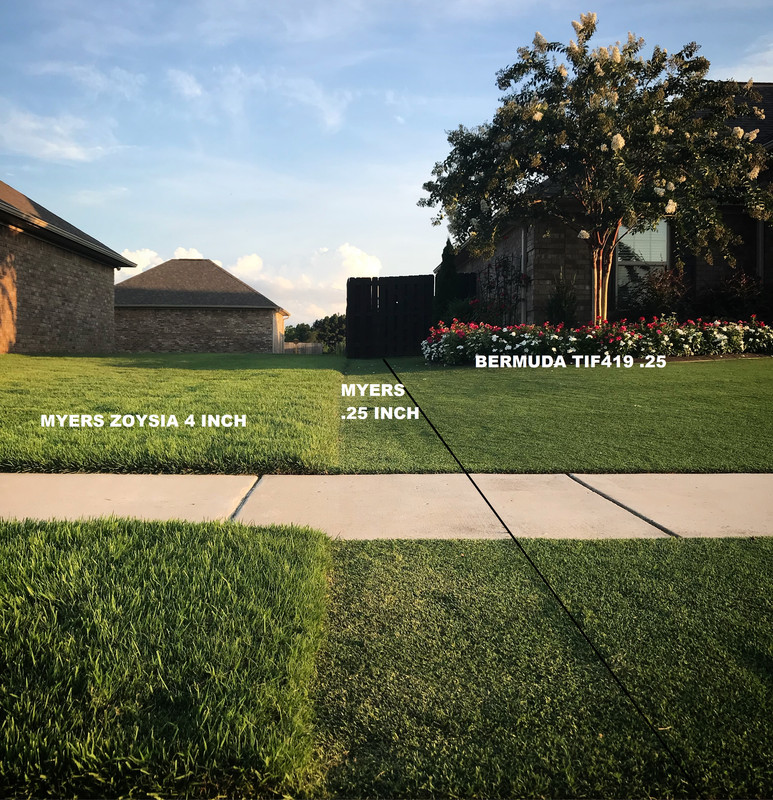
Credit: www.thelawnforum.com
Bermuda Grass Features
Bermuda grass is a popular choice for lawns and sports fields. It grows quickly and covers ground evenly. Its tough nature helps it survive heat and drought. This grass creates a dense, green carpet that many homeowners prefer. Understanding its features helps decide if it fits your yard and climate.
Growth Habits
Bermuda grass spreads fast through runners called stolons and underground stems called rhizomes. It grows low and forms a thick mat that resists weeds. This grass recovers quickly from damage due to its strong growth. It tends to grow more in warm months and may go dormant in cold weather.
Ideal Conditions
Bermuda grass thrives in full sunlight and warm temperatures. It prefers well-drained soil with a pH between 5.8 and 7.0. This grass handles drought better than many types but needs water for best growth. It does not grow well in shade or cold climates.
Care Requirements
Regular mowing keeps Bermuda grass healthy and neat. It benefits from fertilizing, especially with nitrogen, during growing seasons. Water deeply but less often to encourage strong roots. Controlling weeds early helps maintain its dense growth. Aerate soil to improve air and water flow.
Compatibility Factors
Understanding the compatibility factors between Zoysia grass and Bermuda is key for a healthy lawn. Both grasses have unique needs and behaviors. These factors determine if they can grow side by side without problems. Below are the main points to consider.
Soil And Water Needs
Zoysia grass prefers well-drained soils with moderate moisture. It can handle some drought but grows best with regular watering. Bermuda thrives in sandy soils and needs more water to stay green. Both grasses do well in similar soil types but differ slightly in water needs. Balancing watering schedules helps keep both healthy.
Sunlight And Shade Tolerance
Bermuda grass loves full sun and grows quickly in bright light. It struggles in shaded areas and thins out. Zoysia grass tolerates shade better and can grow in partly shaded spots. Mixing these grasses works if the area has varied sunlight. Plant Zoysia in shaded spots and Bermuda in sunny ones for best results.
Growth Rate Comparison
Bermuda grass grows faster and spreads quickly by runners. It can overtake other grasses easily. Zoysia grows slower and forms a dense, thick lawn over time. The growth difference may cause Bermuda to dominate in mixed lawns. Regular mowing and care are needed to control Bermuda’s spread.
Mixing Zoysia And Bermuda
Mixing Zoysia and Bermuda grass in the same lawn is a topic many homeowners consider. Both grasses have strong points that make them popular. Combining them can offer a unique look and feel to your yard. Understanding how they work together helps you make the best choice for your lawn care.
This section explores the benefits and challenges of mixing these grasses. It also gives tips to help you blend them successfully.
Potential Benefits
Zoysia and Bermuda each have traits that add value to a lawn. Zoysia is thick and dense, which helps block weeds. Bermuda grows quickly and recovers fast from damage. Together, they can create a lawn that is both lush and durable. This mix may handle foot traffic better than using one grass alone. It also extends the green season since they grow best at different times.
Challenges And Risks
Zoysia and Bermuda have different growth habits. Bermuda spreads faster and can crowd out Zoysia. They also prefer different soil moisture levels. Zoysia likes more water, while Bermuda tolerates drought better. This difference can cause uneven growth. The grasses may compete for nutrients, leading to weak spots. Mixing them requires careful maintenance to keep both healthy.
Successful Blending Tips
Start with healthy sod or plugs of both grasses. Plant them in separate patches rather than mixing seeds. Use regular watering to meet Zoysia’s needs without overwatering Bermuda. Mow often to control Bermuda’s fast growth. Apply balanced fertilizer to support both grasses. Watch for signs of stress and adjust care as needed. Patience is key since blending takes time to look natural.
Lawn Care Strategies
Growing Zoysia grass and Bermuda grass together requires smart lawn care strategies. Both grasses have different needs but can coexist with proper care. Focus on mowing, watering, and fertilizing to keep your lawn healthy and green.
Understanding the right techniques helps both grasses thrive in the same space. It keeps your lawn looking even and well-maintained. Follow these simple tips to manage your mixed grass lawn effectively.
Mowing Techniques
Set your mower to the right height for both grasses. Zoysia prefers a height of about 1 to 2 inches. Bermuda grows best at 0.5 to 1.5 inches. Choose a middle height around 1.5 inches to suit both.
Cut often but never remove more than one-third of the blade at once. Keep mower blades sharp to avoid tearing the grass. Mowing regularly prevents one grass from outgrowing the other.
Irrigation Practices
Water deeply but less often to encourage strong roots. Both grasses like about one inch of water per week. Early morning watering reduces disease risk and water loss.
Adjust watering based on weather and soil moisture. Avoid overwatering as it can harm roots and invite weeds. Proper irrigation keeps both grasses healthy and green.
Fertilization Guidelines
Apply fertilizer that suits both grass types. Use a balanced fertilizer with nitrogen, phosphorus, and potassium. Fertilize every 6 to 8 weeks during the growing season.
Do not over-fertilize as it can cause fast growth in one grass. This creates uneven patches. Follow label instructions for the best results and a lush lawn.

Credit: georgialandscapingandhardscapingllc.com
Troubleshooting Common Issues
Growing Zoysia grass and Bermuda grass together can create a lush lawn. Both grasses have different needs and traits. This mix may cause some problems. Knowing how to fix these issues helps keep your lawn healthy and green.
Weed Control
Weeds compete with your grass for nutrients and water. Both Zoysia and Bermuda grasses can crowd out many weeds. Still, some weeds may grow between them. Use a weed killer that is safe for both grasses. Pull out weeds by hand if you see them early. Keep your lawn thick to stop weeds from growing.
Pest Management
Insects like armyworms and grubs can damage both grasses. Watch for brown patches or thinning grass. Use natural predators or insecticides made for lawns. Avoid strong chemicals that hurt grass roots. Keep your lawn well-watered and mowed to reduce pests. Healthy grass resists pests better.
Disease Prevention
Both grasses can get fungal diseases like brown patch or dollar spot. These appear as discolored or patchy areas. Do not overwater your lawn. Water early in the morning to let grass dry during the day. Mow at the right height to improve air flow. Remove dead grass and leaves to stop disease spread.

Credit: www.willislawnservices.com
Frequently Asked Questions
Can Zoysia And Bermuda Grass Grow Together Successfully?
Yes, Zoysia and Bermuda grass can grow together but require careful maintenance. Both grasses have different growth habits and water needs. Proper mowing and watering help them coexist without one overtaking the other.
What Are The Benefits Of Mixing Zoysia And Bermuda Grass?
Mixing Zoysia and Bermuda combines drought resistance and durability. Zoysia offers shade tolerance, while Bermuda thrives in full sun. This mix creates a resilient, attractive lawn suitable for various climates and soil types.
How To Maintain A Lawn With Zoysia And Bermuda Grass?
Mow regularly to keep both grasses healthy and prevent spread. Water deeply but infrequently, adjusting for seasonal needs. Fertilize moderately and monitor for pests to ensure balanced growth and a lush lawn.
Do Zoysia And Bermuda Grass Compete For Nutrients?
Yes, they compete for nutrients due to different growth rates. Bermuda grows faster and can dominate. Balanced fertilization and proper lawn care reduce competition and promote coexistence.
Conclusion
Zoysia grass and Bermuda can grow together with care and attention. They have different needs but can share space if managed well. Choose the right spot with good sunlight and soil. Water and mow regularly to keep both healthy. Watch for any signs of stress or crowding.
Mixing these grasses may need extra work but can create a nice lawn. Patience and proper care make it possible. Try small areas first to see how they grow side by side. You can enjoy a green, lush yard with both types.
