
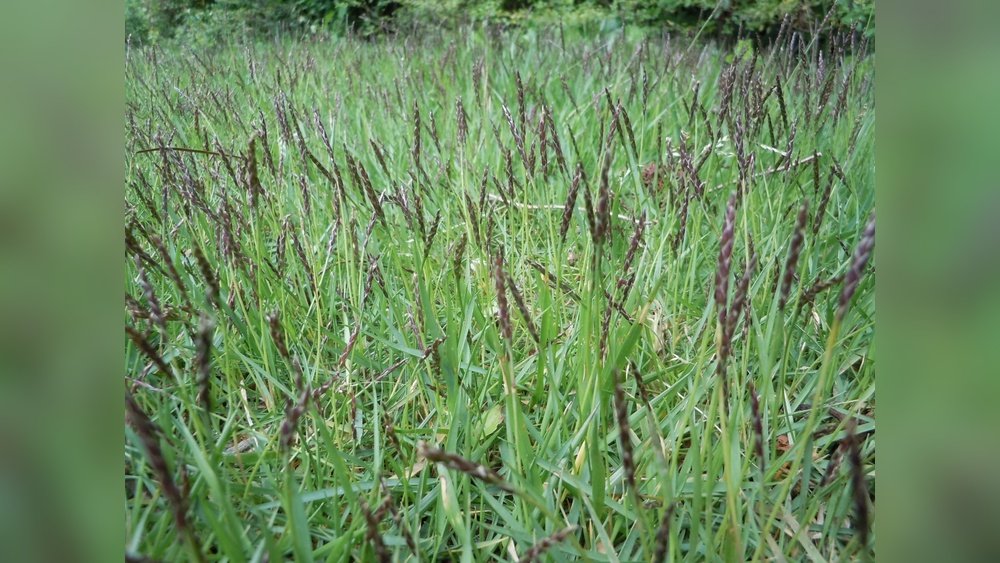
Are you dreaming of a lush, green lawn that stays beautiful all year round? Zoysia grass might be the perfect choice for your yard.
But before you start, you’re probably wondering: can Zoysia grass be grown from seed? Understanding this can save you time, money, and effort. You’ll discover the truth about growing Zoysia grass from seed and learn the best tips to get your lawn looking its absolute best.
Keep reading—your perfect lawn is closer than you think!
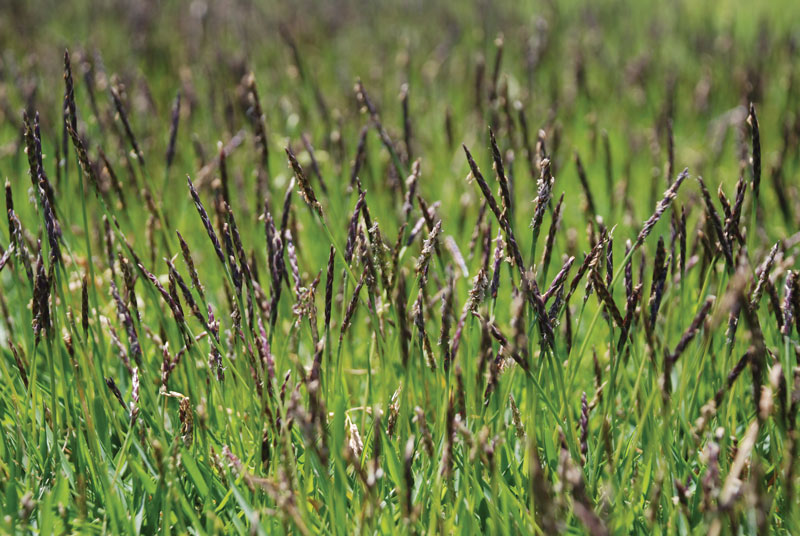
Credit: gcmonline.com
Zoysia Grass Basics
Zoysia grass is a popular choice for many lawns due to its thick texture and rich green color. It grows slowly but forms a dense, soft carpet that feels good underfoot. This grass type handles heat and drought well. It also resists weeds better than many other grasses. Understanding the basics of Zoysia grass helps decide if it fits your lawn needs.
Growing Zoysia grass from seed is possible but takes patience. The grass spreads slowly and needs proper care to establish well. Knowing the types and benefits of Zoysia grass can guide your planting and maintenance decisions.
Types Of Zoysia Grass
Zoysia grass comes in several types, each with unique traits. Common types include Zoysia japonica, Zoysia matrella, and Zoysia tenuifolia. Zoysia japonica grows fast and is hardy. Zoysia matrella has finer blades and looks soft. Zoysia tenuifolia is dense and slow-growing. Choose a type based on your climate and lawn use.
Benefits Of Zoysia Lawns
Zoysia lawns need less water than many other grasses. They handle heat and drought better. The thick growth stops weeds from taking over. Zoysia grass also recovers well from foot traffic. It stays green longer in warm seasons. These benefits make Zoysia a good choice for many homeowners.
Growing Zoysia From Seed
Growing Zoysia grass from seed is possible but takes patience. This grass grows slowly compared to other types. It needs the right conditions to sprout well. Starting with good seeds and planting at the right time helps success.
This method suits large areas and saves money over sod. Careful attention during early growth is important. Proper watering and soil preparation improve the chance of a healthy lawn.
Seed Availability And Quality
Zoysia seeds are harder to find than other grass seeds. Choose seeds from trusted suppliers only. High-quality seeds have better germination rates. Look for seeds that are fresh and clean. Avoid old or damaged seeds. Check the label for seed purity and germination percentage.
Quality seed means fewer weeds and thicker grass. Some sellers offer blends of different Zoysia types. These blends adapt better to various climates and soils. Buying good seeds gives a strong start to your lawn.
When To Plant Seeds
Plant Zoysia seeds in late spring or early summer. Soil temperatures should be above 70°F (21°C). Warm soil helps seeds sprout faster. Avoid planting in cold or wet weather. Seedlings grow slowly in cool conditions.
Prepare the soil by removing debris and loosening it well. Spread seeds evenly and cover lightly with soil. Water gently but keep soil moist until seeds sprout. Proper timing and care lead to better lawn growth.
Preparing The Soil
Preparing the soil is the first step to growing Zoysia grass from seed. Healthy soil helps seeds sprout and roots grow strong. Taking time to prepare the ground gives your lawn the best start. Proper soil preparation improves water drainage and nutrient availability.
Good soil also helps control weeds and pests naturally. This section explains key steps in preparing soil for Zoysia grass seed planting.
Soil Requirements
Zoysia grass grows best in well-drained soil. It prefers sandy or loamy soil types. Clay soil can hold too much water and harm roots. The soil pH should be between 6.0 and 7.0. This range helps the grass absorb nutrients easily. Avoid soils that stay wet or soggy for long.
Clear the area of rocks, weeds, and debris. Break up hard soil clumps to create a loose seedbed. A fine, crumbly texture helps seeds contact the soil. Good soil structure allows roots to spread and breathe.
Soil Testing And Amendments
Test your soil before planting Zoysia grass seed. Soil tests show nutrient levels and pH balance. You can buy a simple test kit or send samples to a lab. Use the test results to decide what amendments to add.
Add lime to raise low pH or sulfur to lower high pH. Mix in organic matter like compost to improve soil texture. Fertilizers can add missing nutrients like nitrogen and phosphorus. Work these amendments into the top 4-6 inches of soil. This helps create a healthy environment for seeds to grow.
Seeding Techniques
Seeding Zoysia grass requires careful planning and technique. The right methods help seeds grow evenly and strong. This section covers key seeding techniques that ensure a healthy Zoysia lawn.
Understanding how to spread seeds and the amount to use improves your chances of success. Follow these simple guidelines for best results.
Seed Spreading Methods
Use a broadcast spreader for large areas. It scatters seeds evenly and saves time. For small patches, hand spreading works well. Spread seeds gently to avoid clumping.
After spreading, lightly rake the soil. This helps seeds settle and makes good contact with soil. Press seeds down gently with a roller or board. This step improves seed-to-soil contact and encourages growth.
Optimal Seeding Rates
Use about 1 to 2 pounds of Zoysia seed per 1,000 square feet. Too many seeds cause crowding and weak grass. Too few seeds leave bare spots and weeds.
Adjust seeding rates based on soil quality and climate. Rich soil may need less seed, while poor soil requires more. Follow seed package instructions for best guidance.
Watering And Care
Growing Zoysia grass from seed needs careful watering and care. Proper water and feeding help the grass grow thick and healthy. This section explains how to water and fertilize Zoysia grass for best results.
Irrigation Schedule
Water the newly seeded area lightly every day. Keep the soil moist but not soaked. After seeds sprout, water deeply twice a week. Each time, give about 1 inch of water. Early morning is the best time to water. Avoid watering at night to stop diseases.
Fertilizing Tips
Use a balanced fertilizer with nitrogen, phosphorus, and potassium. Apply fertilizer when grass is young and every six weeks after. Do not over-fertilize; it can harm the grass. Water the lawn after applying fertilizer to help it soak in. Use slow-release fertilizer for steady feeding.

Credit: www.absolutelawnpros.com
Germination And Growth
Zoysia grass is a popular choice for many lawns because of its thick, green appearance and drought resistance. Growing Zoysia from seed is possible but requires patience and proper care. Understanding germination and early growth helps you get a healthy lawn that lasts for years.
Expected Germination Time
Zoysia grass seeds usually take 14 to 21 days to germinate. The soil temperature should be warm, around 70 to 85 degrees Fahrenheit. Cooler soil slows down germination or stops it completely. Keep the soil moist but not soaked. Avoid letting the soil dry out during this period. Seeds need a steady environment to sprout well.
Early Growth Maintenance
Young Zoysia grass seedlings are delicate. Water them lightly every day to keep the soil damp. Avoid heavy watering that can wash away seeds. Use a light layer of mulch to protect seeds and hold moisture. Do not mow until grass blades reach about 2 inches tall. This helps grass roots grow strong and deep. Remove weeds carefully to reduce competition for nutrients and water.
Common Challenges
Growing Zoysia grass from seed has its own set of challenges. These issues can affect the growth and health of your lawn. Understanding these common problems helps in managing a lush and green yard.
Pests And Diseases
Zoysia grass faces attacks from various pests. Chinch bugs and armyworms cause damage by feeding on the blades. These pests make the grass look patchy and dry.
Diseases like brown patch and dollar spot also harm Zoysia. They create spots and dead areas on the lawn. Proper care and treatment can reduce these risks.
Weed Control
Weeds compete with Zoysia for nutrients and sunlight. They can quickly take over a young lawn from seed. Crabgrass and clover are common weed problems.
Keeping the soil healthy and using proper weed control methods helps. Regular mowing and watering also reduce weed growth. This keeps Zoysia strong and growing well.
Speeding Up Establishment
Speeding up the establishment of zoysia grass can save time and effort. Growing zoysia from seed alone takes patience. The grass grows slowly at first. Using other methods can help the lawn fill in faster. These techniques work well with seeding. They improve coverage and reduce bare spots. Here are some ways to speed up zoysia’s growth.
Using Sod Or Plugs
Using zoysia sod or plugs gives instant green coverage. Sod is grass that is already grown. You lay it down on prepared soil. It starts growing roots right away. Plugs are small pieces of sod spaced apart. They grow and spread to fill gaps. Both methods create a solid lawn faster than seed alone.
These options need less watering than seed. They also reduce weed growth. Sod and plugs cost more but save time. They are great for quick results and heavy use areas.
Combining Seed With Other Methods
Planting seed alongside sod or plugs helps speed growth. Seed fills in spaces between plugs or sod pieces. This combination gives thicker grass faster. Seed alone can take months to cover well.
Mixing methods also lowers the risk of patchy lawns. It spreads out the growth and strengthens the grass. This approach uses the best of both worlds: quick cover plus natural spreading.

Credit: www.youtube.com
Frequently Asked Questions
Can Zoysia Grass Grow Well From Seed?
Yes, Zoysia grass can be grown from seed. It requires warm soil and consistent moisture for germination. However, it grows slowly and may take several weeks to establish fully.
How Long Does Zoysia Grass Seed Take To Germinate?
Zoysia grass seed usually takes 14 to 21 days to germinate. Warm soil temperatures between 70-85°F speed up the process. Patience is essential as growth is slower compared to other grasses.
What Soil Conditions Are Best For Zoysia Grass Seed?
Zoysia grass prefers well-drained soil with a pH between 6. 0 and 7. 0. It thrives in sandy loam but adapts to various soil types. Proper soil preparation improves seed germination and growth.
Is Zoysia Grass Seed More Cost-effective Than Sod?
Zoysia grass seed is generally more cost-effective than sod. Seeds cover larger areas at lower costs, but they require more time to establish. Sod offers quicker lawn coverage but at a higher price.
Conclusion
Zoysia grass can grow from seed, but it takes time and care. Seeds need warm soil and regular watering to sprout well. Patience helps, as growth is slow compared to sod or plugs. Choosing good quality seed improves success. This grass suits many yards and offers a soft, green lawn.
With the right effort, your lawn can thrive using Zoysia seeds. Give it a try and watch your yard change slowly but surely.
