
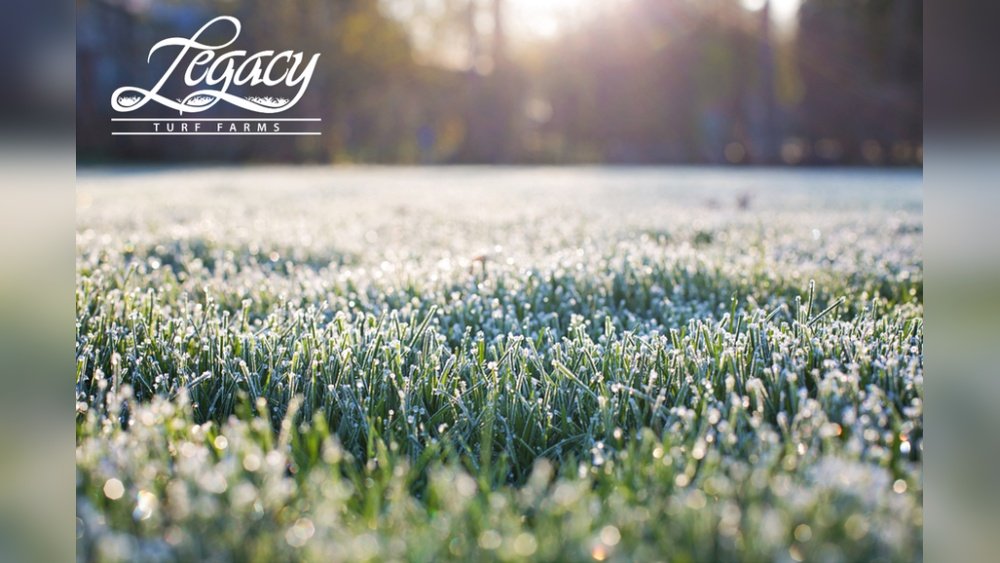
Are you worried about how your Zoysia grass will survive when frost hits? You’re not alone.
Many homeowners wonder if their lush green lawn can handle those cold, icy mornings without turning brown or dying off. Understanding how frost affects Zoysia grass can save you time, money, and frustration. Keep reading to discover what really happens to your lawn when frost arrives—and how you can protect it to keep your yard looking great all year long.
Zoysia Grass Basics
Zoysia grass is a popular lawn choice for many homeowners. It has unique features that make it stand out. Knowing the basics helps you care for it better. Understanding its growth, climate needs, and types is important.
These basics also explain how well it handles frost. This knowledge helps keep your lawn green and healthy.
Growth Patterns
Zoysia grass grows slowly but spreads wide. It forms a dense, thick carpet. This helps stop weeds from growing. It spreads using underground stems called rhizomes. It also grows above ground with stolons. This growth style makes lawns look full and even.
Climate Preferences
Zoysia grass prefers warm weather. It grows best in temperatures between 75°F and 90°F. It handles heat and drought well. It can survive some cold but not extreme frost. Too much cold can make it go dormant. It recovers when warm weather returns.
Common Varieties
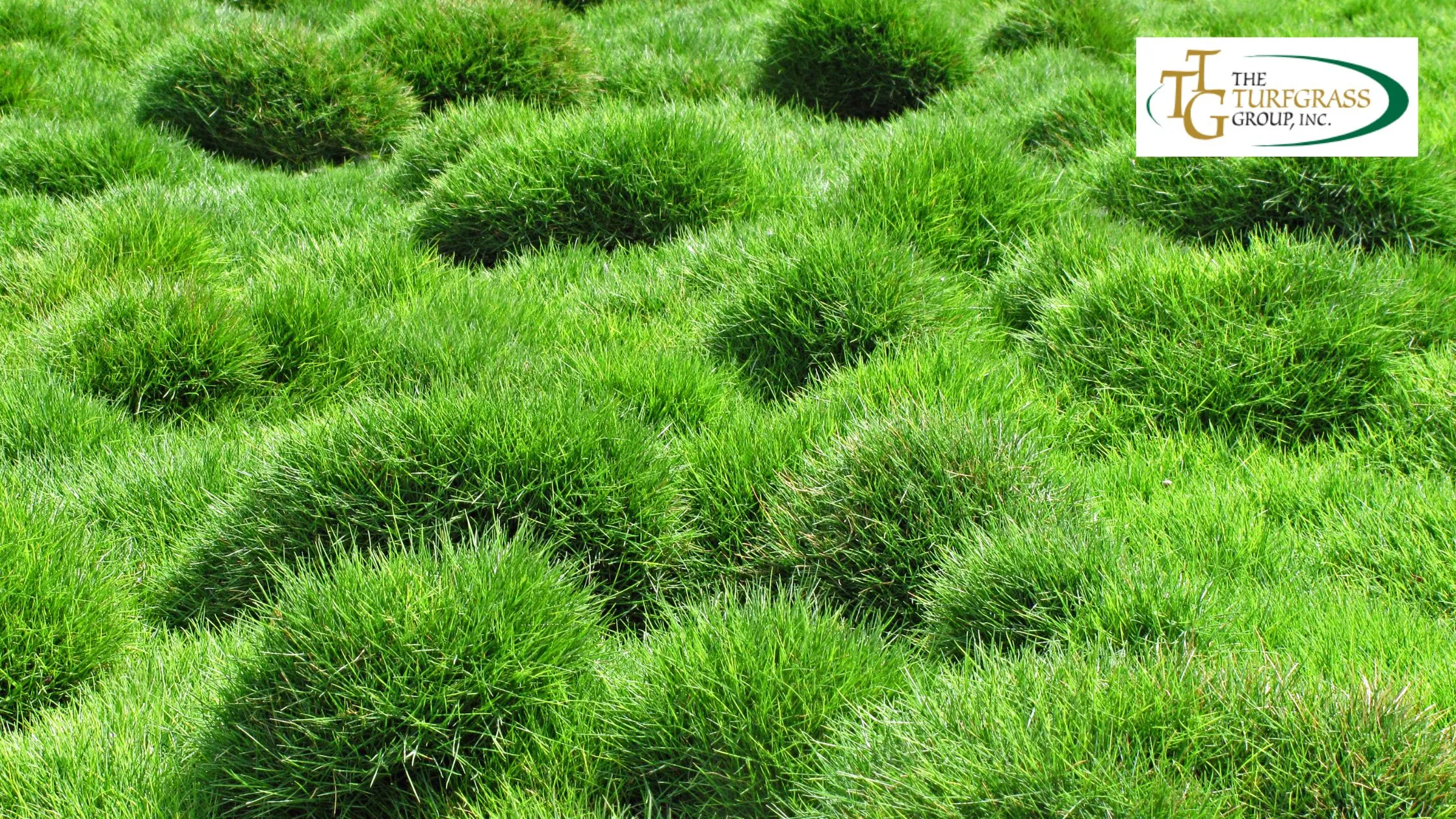
There are several popular Zoysia types. Meyer Zoysia is very common and cold-tolerant. Emerald Zoysia is fine-textured and soft. Zenith Zoysia grows quickly and resists cold well. Each type has strengths for different climates and uses.
Credit: theturfgrassgroup.com
Effects Of Frost On Zoysia Grass
Zoysia grass is a popular choice for warm climates. Its ability to handle frost varies. Frost affects the grass in several ways. Understanding these effects helps in proper care. Knowing what happens during frost prepares you for lawn maintenance.
Frost Damage Symptoms
Frost causes the grass blades to turn brown or black. Leaves may look dry and brittle. You might see patches where the grass dies. The ground can feel hard and frozen. These signs show the grass is stressed by cold.
Dormancy During Cold
Zoysia grass enters dormancy in cold weather. Growth slows down or stops completely. The grass turns brown but stays alive. This is a natural survival process. It protects the grass until warm weather returns.
Recovery Process
After frost, Zoysia grass begins to recover slowly. Green shoots start to appear in spring. Proper watering helps speed up growth. Avoid cutting grass too short during recovery. Patience is key for a healthy lawn.
Cold Weather Survival Tips
Zoysia grass faces challenges in cold weather. Frost can damage its blades and roots. To keep your lawn healthy, use smart care tips during winter. These tips help Zoysia survive frost and grow strong again in spring.
Focus on mowing, watering, and fertilizing at the right times. Each step matters for cold weather survival. Small changes in care make a big difference.
Proper Mowing Techniques
Cut your Zoysia grass a little shorter before frost arrives. Shorter grass reduces frost damage and disease risk. Avoid cutting too short. Leave about 1 to 1.5 inches of grass height. Stop mowing once the grass stops growing. This helps the grass rest and conserve energy.
Watering Strategies
Water Zoysia grass deeply but less often in cold months. Deep watering strengthens roots and prevents dryness. Avoid watering late in the day. Wet grass freezes easily and causes damage. Water early in the morning to let grass dry. Reduce watering as temperatures drop below freezing.
Fertilization Timing
Apply fertilizer before the first frost hits your area. Use a low-nitrogen fertilizer to avoid new growth. New growth is weak and frost-sensitive. Fertilizing too late harms the grass. It stops the grass from storing energy for winter. Proper timing boosts the grass’s ability to survive cold.
Protecting Zoysia Grass From Frost
Protecting Zoysia grass from frost helps keep it healthy through cold weather. Frost can damage the blades and roots, making the lawn look brown and patchy. Taking simple steps can reduce frost damage and keep your grass strong. These methods work best when done before frost arrives.
Using Mulch And Covers
Mulch keeps the soil warm by trapping heat. Use a thin layer of straw or leaves over the grass. Avoid thick layers that block sunlight and air. Covers like frost blankets or old sheets protect grass from freezing air. Place covers in the late afternoon and remove them in the morning.
Soil Preparation
Healthy soil helps grass survive frost. Aerate the soil to improve air and water flow. Add compost to increase nutrients and retain warmth. Avoid fertilizing late in the season; it can make grass more sensitive to cold. Water the lawn before frost to keep roots hydrated.
Avoiding Foot Traffic
Walking on frozen grass can cause damage. The blades become brittle and break easily. Try to stay off the lawn during frost mornings and evenings. Use paths or driveways to protect the grass. Limiting foot traffic lets Zoysia recover faster after frost.
Choosing Frost-resistant Zoysia Varieties
Choosing frost-resistant Zoysia varieties helps your lawn survive cold weather. Some types handle frost better than others. Picking the right variety means a greener lawn longer into the cold season.
This choice can save time and money on lawn care. It also keeps your grass healthy despite chilly nights.
Popular Cold-hardy Types
Emerald Zoysia is a top choice for frost resistance. It stays green and recovers fast after frost. Meyer Zoysia also handles cold well. It grows thick and holds color through winter. Other types like Zenith and El Toro show good frost tolerance. These varieties suit areas with mild to moderate cold.
Benefits Of Selection
Choosing frost-resistant Zoysia reduces lawn damage in winter. It lowers the need for reseeding or repairs. These grasses recover quicker after frost. They keep your yard looking neat and healthy. Also, they reduce water and fertilizer needs during cold months.
Local Climate Considerations
Check your area’s frost patterns before choosing Zoysia. Some regions have harsher winters than others. Select a type that matches your local climate. Consider frost length and lowest temperatures. This helps your grass survive and stay green. Local advice can guide the best choice for your lawn.

Credit: www.youtube.com
Common Mistakes To Avoid
Protecting Zoysia grass from frost requires care. Many make mistakes that harm the lawn during cold months. Avoiding these errors helps keep your grass healthy and green.
Overwatering In Cold
Watering too much in cold weather weakens Zoysia grass. The ground stays wet and cold, causing root damage. Grass becomes more prone to frost injury. Water only when soil feels dry to the touch. Less water helps the grass survive frost better.
Late Season Fertilizing
Applying fertilizer late in the season can harm Zoysia grass. It encourages new growth that frost kills easily. This weakens the grass before winter. Stop fertilizing 6-8 weeks before the first frost date. This helps the grass prepare for cold weather naturally.
Ignoring Soil Health
Healthy soil supports strong grass roots. Neglecting soil leads to poor growth and frost damage. Test soil regularly to check nutrients and pH levels. Add organic matter to improve soil texture and drainage. Good soil helps Zoysia grass handle frost stress better.

Credit: theturfgrassgroup.com
Frequently Asked Questions
Can Zoysia Grass Survive Frost Conditions?
Yes, Zoysia grass can survive light frost. It enters dormancy during cold weather, turning brown but recovers when temperatures rise. Heavy frost may cause temporary damage, but it is generally frost-tolerant and hardy.
How Does Frost Affect Zoysia Grass Growth?
Frost slows Zoysia grass growth by reducing cellular activity. The grass may brown and go dormant but usually recovers fully in warmer weather. Frost damage is mostly cosmetic, not fatal.
Should I Water Zoysia Grass Before Frost?
It’s best to water Zoysia grass before frost to keep roots hydrated. Moist soil helps protect roots from freeze damage and supports quicker recovery after frost.
Can Zoysia Grass Recover After Frost Damage?
Yes, Zoysia grass typically recovers well after frost damage. Once temperatures rise, it resumes growth and regains its green color. Proper lawn care speeds up recovery.
Conclusion
Zoysia grass stands up well to frost and cold weather. It slows growth but usually stays healthy. The grass may look brown during frost but recovers quickly. Proper care helps Zoysia bounce back faster. Watering before frost can protect roots from damage.
Avoid heavy foot traffic on frozen grass. With simple steps, Zoysia grass can handle frost without trouble. This makes it a good choice for cooler climates. Keep an eye on your lawn and treat it gently in cold months. Your Zoysia lawn will stay strong through frost seasons.
