
Are you struggling to get rid of stubborn Bermuda grass in your lawn or garden? You might have heard that 2,4-D is a solution, but does it really work?
Knowing whether 2,4-D can kill Bermuda grass is key to saving your time, money, and effort. You’ll discover how 2,4-D affects Bermuda grass, what to expect when using it, and the best ways to tackle this persistent weed. Keep reading to find out how you can take control of your lawn and finally get the results you want.
Credit: www.reddit.com
What Is 2,4-d?
2,4-D is a common weed killer used in lawns and gardens. It targets broadleaf weeds but may not fully kill Bermuda grass. Many gardeners use it to control unwanted plants without harming grass.
2,4-D is a common herbicide used to control unwanted plants. It targets broadleaf weeds without harming grasses. This chemical has been in use since the 1940s. It helps farmers and gardeners manage weeds effectively.
2,4-D works by mimicking a natural plant hormone. It causes abnormal growth, which kills the weed. The herbicide is absorbed through the leaves and moves inside the plant. This action makes it effective against many types of broadleaf weeds.
It is often found in lawn care products. People use it to keep lawns healthy and free from weeds. The herbicide is popular because it is affordable and easy to apply. Understanding 2,4-D helps in choosing the right weed control method.

Credit: www.reddit.com
Why Bermuda Grass Is Hard To Control
Bermuda grass is one of the toughest grasses to control. It grows fast and spreads quickly. This makes it hard to stop once it takes hold. Many gardeners and homeowners struggle to keep it out of lawns and gardens. Understanding why Bermuda grass is so persistent helps in choosing the right control methods.
Deep Root System
Bermuda grass has a deep root system. Its roots can grow several feet underground. This helps the grass survive drought and damage. Killing the top growth does not kill the roots. The grass can grow back from root pieces left in the soil.
Spreads By Stolons And Rhizomes
The grass spreads through stolons and rhizomes. Stolons grow above ground, while rhizomes grow below ground. Both spread quickly and create new plants. This allows Bermuda grass to cover large areas fast. Removing the grass by hand is difficult due to this spread.
Resistance To Many Herbicides
Bermuda grass shows resistance to many herbicides. Some chemicals only kill the leaves but not the roots. This allows the grass to regrow after treatment. Stronger or special herbicides are often needed to control it fully.
Adaptability To Different Conditions
Bermuda grass adapts to many soil types and climates. It thrives in heat and drought but also grows in moist areas. This flexibility helps it invade many landscapes. It recovers quickly from damage, making control even harder.
How 2,4-d Affects Bermuda Grass
2,4-D is a common herbicide used to control broadleaf weeds. Its effect on Bermuda grass depends on the grass’s growth stage and application method. Understanding how 2,4-D interacts with Bermuda grass helps manage lawns better.
This chemical targets broadleaf plants, but it can also stress Bermuda grass. Careful use is key to avoid damage and keep your lawn healthy.
Selective Herbicide Action
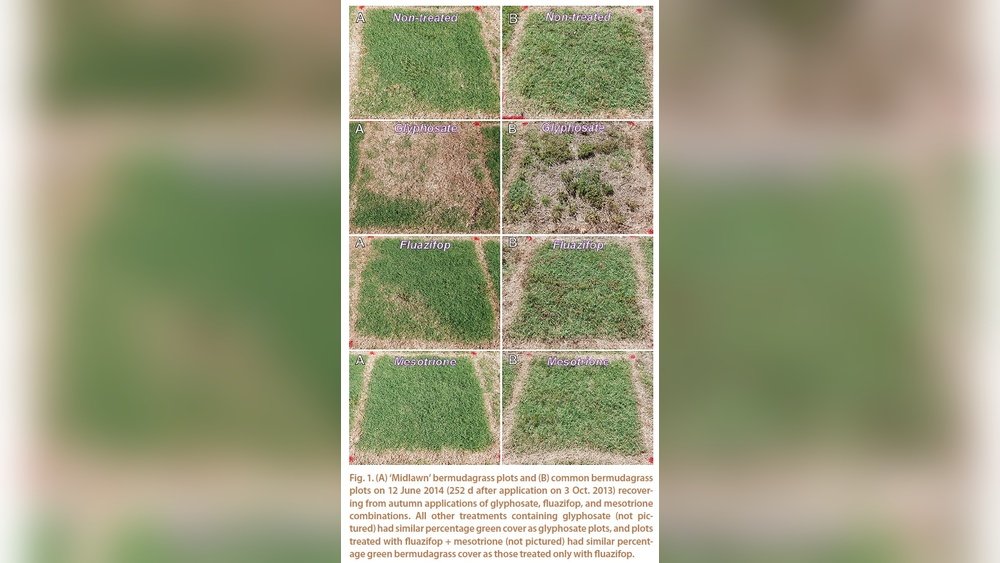
2,4-D acts by mimicking natural plant hormones. It causes uncontrolled growth in broadleaf weeds. Bermuda grass, a grassy weed, usually resists this effect. The herbicide does not kill Bermuda grass directly.
Possible Stress On Bermuda Grass
Some Bermuda grass types may show stress after 2,4-D use. Symptoms include yellowing and leaf curling. These signs do not always mean the grass will die. Stress often fades with proper lawn care.
Factors Influencing Herbicide Impact
Application rate and timing affect 2,4-D impact on Bermuda grass. High doses or frequent use increase risk of damage. Applying during hot, dry weather raises stress. Follow label instructions to minimize harm.
Tips For Safe Use On Bermuda Lawns
Use 2,4-D at recommended rates only. Spray early in the morning or late afternoon. Avoid application during drought or heat waves. Water your lawn after treatment to reduce stress. Monitor grass health regularly after use.
Best Practices For Using 2,4-d On Lawns
Using 2,4-D on lawns requires care and attention. It controls many broadleaf weeds without hurting grass. Following best practices helps keep your lawn healthy and weed-free. Proper use also protects the environment and nearby plants.
Understanding the right methods ensures effective weed control. It also reduces the chance of damaging your Bermuda grass or other lawn types.
Preparing The Lawn Before Application
Mow the lawn a few days before applying 2,4-D. Remove debris and dry the grass. Avoid watering the lawn right before treatment. Dry leaves absorb the chemical better and improve results.
Choosing The Correct 2,4-d Product
Pick a 2,4-D formula made for lawns, not gardens or crops. Read the label carefully. Use the right concentration to avoid harming Bermuda grass. Products with low volatile components reduce drift to nearby plants.
Applying 2,4-d Safely And Effectively
Spray on a calm day to prevent drift. Use a garden sprayer for even coverage. Avoid over-application. Follow label instructions for timing and amount. Keep children and pets off the lawn until dry.
Aftercare And Monitoring
Water the lawn lightly the day after treatment. Check the lawn regularly for signs of damage. Repeat applications only if needed and spaced apart. Maintain regular lawn care to support strong grass growth.
Alternative Methods To Control Bermuda Grass
Controlling Bermuda grass can be tough. This grass grows fast and spreads easily. Many gardeners want to remove it without harming other plants. There are several ways to control Bermuda grass besides using 2,4-D. These methods help manage its growth and keep your lawn healthy.
Solarization
Solarization uses the sun to kill Bermuda grass. Cover the area with clear plastic sheets. The sun heats the soil under the plastic. This heat kills the grass roots and seeds. Leave the plastic for 4 to 6 weeks during hot weather. This method is safe and chemical-free.
Manual Removal
Digging out Bermuda grass is effective but takes time. Use a shovel or hoe to remove the grass and roots. Make sure to remove all rhizomes and stolons. Any remaining pieces can regrow. This method works well for small areas or spots.
Smothering
Smothering blocks sunlight from reaching the grass. Use materials like cardboard, newspaper, or thick mulch. Cover the Bermuda grass completely. Keep the cover in place for several weeks. The grass will weaken and die without light. This method also improves soil health.
Herbicide Alternatives
Some herbicides target Bermuda grass specifically. Glyphosate is one option but kills all plants it touches. Use it carefully to avoid damaging desired plants. There are also selective herbicides made for grassy weeds. Always read labels and follow instructions.
Tips For Maintaining A Healthy Lawn
Maintaining a healthy lawn takes regular care and attention. A strong lawn can resist weeds like Bermuda grass naturally. Simple habits help grass grow thick and green.
Proper lawn care improves soil, reduces pests, and keeps grass healthy. Here are key tips to help you maintain a vibrant lawn all year.
Proper Watering Techniques
Water your lawn deeply but less often. This encourages roots to grow deeper. Early morning watering reduces evaporation. Avoid watering in the heat of the day.
Regular Mowing Practices
Keep your mower blades sharp for clean cuts. Mow at the right height for your grass type. Never cut more than one-third of the grass blade. Leaving grass a bit longer helps shade the soil.
Fertilizing At The Right Time
Apply fertilizer based on the season and grass needs. Use slow-release fertilizers to feed grass gradually. Avoid over-fertilizing, which can harm grass and soil.
Controlling Weeds Effectively
Spot treat weeds early to stop spreading. Use herbicides safely and follow instructions. Healthy grass blocks weeds by crowding them out.
Improving Soil Quality
Test soil to check pH and nutrients. Add lime or sulfur to balance soil acidity. Aerate soil to improve air and water flow. Good soil supports strong root growth.
Credit: www.pomais.com
Frequently Asked Questions
Does 2,4-d Effectively Kill Bermuda Grass?
2,4-D targets broadleaf weeds but is not very effective on Bermuda grass. Bermuda grass is a tough, grassy weed that often resists 2,4-D treatments.
Can 2,4-d Harm My Lawn While Killing Bermuda Grass?
2,4-D can harm desirable broadleaf plants but usually doesn’t kill Bermuda grass. Use it carefully to avoid damaging your lawn or garden plants.
How Long Does 2,4-d Take To Affect Bermuda Grass?
2,4-D shows effects on broadleaf weeds within 1-2 weeks. However, Bermuda grass typically resists 2,4-D, so you may not see much impact.
What Is The Best Method To Control Bermuda Grass?
Effective Bermuda grass control often requires specific herbicides like glyphosate or specialized grassy weed killers. Combining cultural practices improves long-term control.
Conclusion
2,4-D can help control Bermuda grass but may not kill it completely. Using it carefully is important to avoid harm to other plants. Combine 2,4-D with good lawn care practices for better results. Regular mowing, watering, and fertilizing keep Bermuda grass healthy and easier to manage.
Always follow product instructions for safe and effective use. Remember, patience is key when dealing with tough weeds like Bermuda grass.
