

Are you wondering if Bermuda grass seed is the right choice for your lawn? You’re not alone.
Many homeowners want a lush, green yard but aren’t sure how Bermuda grass seed fits into their plans. Understanding how it grows, what it needs, and whether it works well in your area can save you time and money. Keep reading to discover the truth about Bermuda grass seed and how it can transform your outdoor space.

Credit: www.reddit.com
Bermuda Grass Growth Rate
Bermuda grass is popular for its quick growth and durability. Understanding its growth rate helps in planning your lawn care effectively. This grass type spreads fast once it starts growing. It fills bare spots and creates a thick, green carpet. Knowing how fast Bermuda grass grows lets you manage watering, mowing, and fertilizing better.
Typical Germination Time
Bermuda grass seed usually germinates within 7 to 14 days. Warm soil speeds up this process. Ideal soil temperature is between 75 and 85 degrees Fahrenheit. Cooler soil slows germination and growth. Keep the soil moist during this time for best results. Dry soil may delay or stop germination. After sprouting, the grass grows quickly.
Factors Affecting Growth Speed
Sunlight is crucial for Bermuda grass growth. It needs full sun for at least 6 to 8 hours daily. Shade slows growth and weakens the grass. Soil quality also plays a big role. Well-drained, fertile soil promotes faster growth. Poor soil can stunt the grass and cause patchy areas. Water is another key factor. Regular watering helps, but avoid overwatering. Too much water can cause root problems. Temperature matters, too. Warm weather encourages fast growth. Cold or frost will slow or stop it. Proper mowing height keeps Bermuda grass healthy and growing strong.

Credit: turf.purdue.edu
Optimal Planting Conditions
Growing Bermuda grass seed starts with the right conditions. Healthy soil and good timing help the grass grow strong. Choosing the best moment and preparing the soil well can make a big difference. This section explains how to get the best results with Bermuda grass seed.
Soil Preparation Tips
Check the soil pH before planting. Bermuda grass grows best in soil with pH between 5.8 and 7.0. Remove rocks, sticks, and debris from the area. Loosen the soil to a depth of 4 to 6 inches. This helps roots grow deeper and stronger. Add organic matter like compost to improve soil texture. Rake the soil smooth to create a level surface. Water the soil lightly to settle it before planting.
Best Season To Plant
Plant Bermuda grass seed in late spring or early summer. The soil should be warm, at least 65°F (18°C). Warm soil helps seeds sprout quickly. Avoid planting in cold or wet conditions. Hot summer days with regular watering help the grass grow fast. Planting at the right time ensures healthy, green grass all season long.
Watering And Sunlight Needs
Bermuda grass seed grows best with the right amount of water and sunlight. These two factors help the grass develop strong roots and stay green. Understanding how much water and sunlight Bermuda grass needs is key to a healthy lawn. This section explains the watering and sunlight needs for Bermuda grass seed.
Irrigation Guidelines
Bermuda grass seed needs regular watering to start growing. Water the soil lightly but often. Keep the top inch of soil moist. Avoid overwatering, which can cause seed rot. After the grass sprouts, reduce watering to deeper but less frequent sessions. This encourages strong root growth. Early mornings are the best time to water. Watering late in the day can lead to fungal problems.
Sunlight Requirements
Bermuda grass thrives in full sunlight. It needs at least 6 to 8 hours of direct sun daily. Shade slows growth and makes the grass weak. Plant Bermuda grass seed in open areas. Avoid spots with heavy tree cover or buildings blocking the sun. More sunlight means greener and thicker grass. Lack of sun causes thin and patchy lawns.
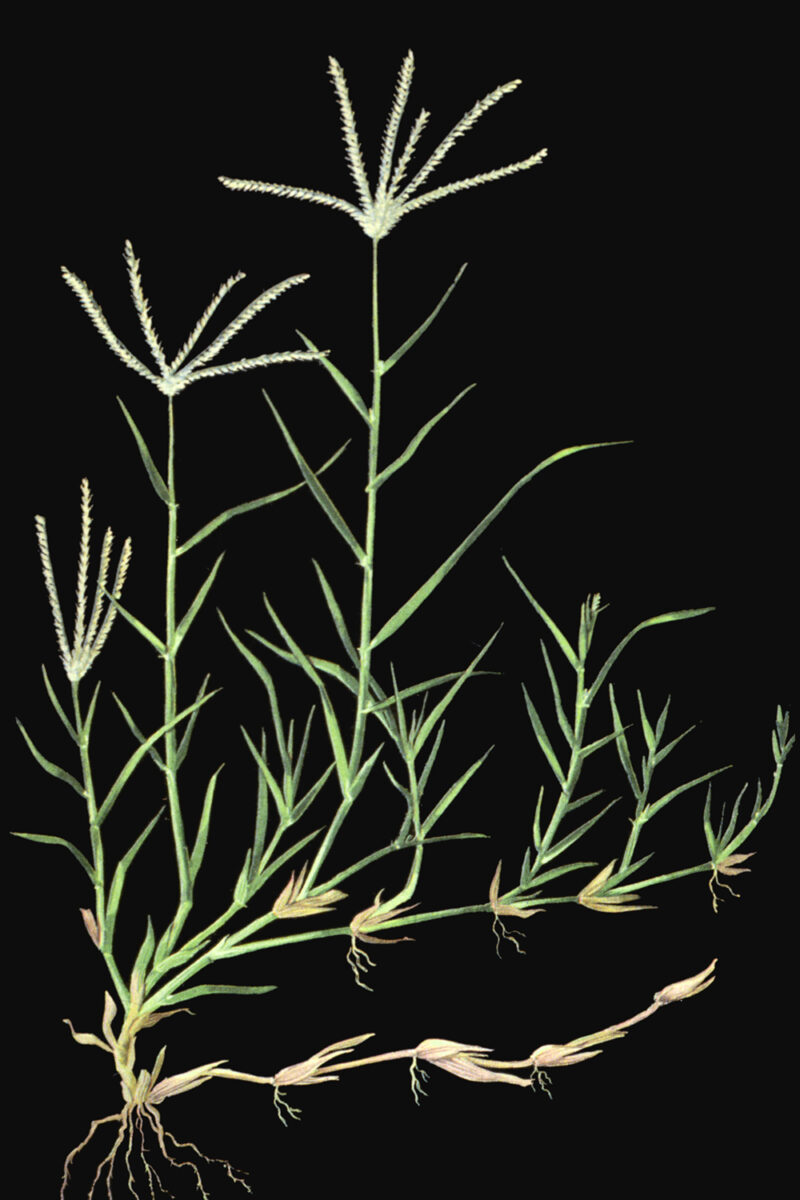
Credit: www.sare.org
Fertilizing For Quick Growth
Fertilizing Bermuda grass seed helps it grow fast and strong. The right fertilizer gives the grass the nutrients it needs. This makes the lawn green and healthy quickly. Follow a good plan for best results.
Choosing The Right Fertilizer
Pick fertilizer with nitrogen as the main nutrient. Nitrogen helps grass grow thick and green. Look for a balanced fertilizer with some phosphorus and potassium too. These nutrients support roots and resist disease. Avoid fertilizers with too much salt. It can harm young grass.
Fertilizing Schedule
Start fertilizing a few weeks after seeding. Use a light dose to avoid burning the grass. Repeat every 4 to 6 weeks during the growing season. Stop fertilizing when the grass stops growing in fall. Over-fertilizing can cause weak growth and pests. Follow the package instructions carefully for best timing.
Common Growth Challenges
Bermuda grass seed faces several common challenges during growth. These challenges can affect the health and appearance of your lawn. Knowing how to handle these problems helps keep your grass strong and green.
Dealing With Weeds
Weeds compete with Bermuda grass for water and nutrients. They can quickly take over if not controlled. Regular weeding is important to protect your lawn’s growth. Use a proper weed killer safe for Bermuda grass. Hand-pulling small weeds also works well in early stages.
Pest And Disease Control
Bermuda grass can suffer from pests like grubs and armyworms. These insects eat the grass roots and blades, causing damage. Check your lawn often for signs of pests. Using natural or chemical treatments helps reduce pest problems. Diseases like leaf spot and dollar spot may also appear. Proper watering and good air flow reduce disease risks.
Maintaining Healthy Bermuda Grass
Maintaining healthy Bermuda grass requires regular care and attention. This grass thrives with proper mowing, aeration, and thatching. These steps help keep your lawn green and strong. Follow simple practices to support your Bermuda grass growth throughout the year.
Mowing Best Practices
Cut Bermuda grass often to keep it healthy. Set your mower blade to 1 to 2 inches high. Avoid cutting more than one-third of the grass blade at a time. Use a sharp blade to prevent tearing. Mowing regularly helps control weeds and encourages thick growth.
Aeration And Thatching
Aerate your lawn once or twice a year. This process lets air, water, and nutrients reach the roots. Use a spike or plug aerator for best results. Remove excess thatch, which is the layer of dead grass and roots. Thatch thicker than half an inch can stop water from reaching soil. Rake or use a dethatching tool to clear it out.
Frequently Asked Questions
Does Bermuda Grass Grow Well From Seed?
Yes, Bermuda grass grows well from seed if planted in warm soil. It requires full sun and regular watering for best results.
How Long Does Bermuda Grass Seed Take To Germinate?
Bermuda grass seed typically takes 7 to 21 days to germinate. Soil temperature should be between 65°F and 75°F for optimal growth.
Can Bermuda Grass Seed Survive Winter Conditions?
Bermuda grass seed is not winter-hardy. It goes dormant in cold weather and regrows when temperatures warm up in spring.
What Soil Conditions Are Best For Bermuda Grass Seed?
Bermuda grass thrives in well-drained, sandy or loamy soil with a pH between 5. 8 and 7. 0. Proper soil preparation improves seed growth.
Conclusion
Bermuda grass seed grows well in warm, sunny places. It needs good soil and regular watering to start. Patience helps, as it takes time to spread. With care, it can create a thick, green lawn. Choose quality seed and prepare the ground first.
This grass fits many yards and handles heat well. Remember, proper care makes your lawn look its best. A healthy Bermuda lawn adds beauty and value to your home.
