
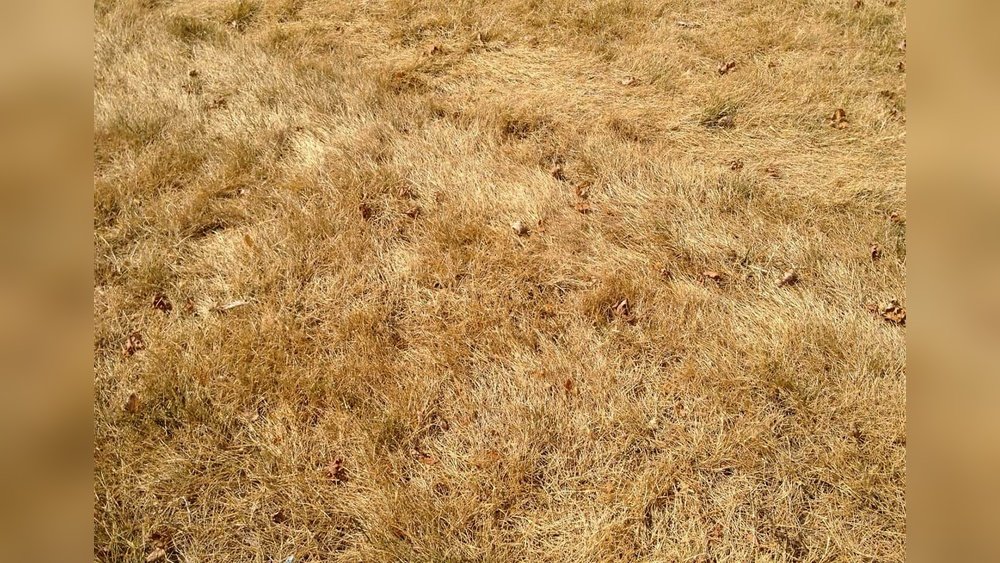
Are you noticing your Bermuda grass turning brown as winter approaches? You’re not alone.
Many homeowners wonder why their lush, green lawn suddenly loses its vibrant color when the temperature drops. Understanding what happens to Bermuda grass in winter can help you take better care of your yard and avoid unnecessary worry. Keep reading to discover why this change happens and what you can do to keep your lawn looking its best year-round.

Credit: bradstropicalparadise.blogspot.com
Bermuda Grass Seasonal Color Changes
Bermuda grass changes color through the year. It stays green in warm months and may turn brown in cooler months. This color change is a natural part of its life cycle. Knowing why helps you care for your lawn better.
Understanding these changes can prevent worry about your grass health. It also helps you plan lawn care tasks at the right time.
Why Bermuda Grass Turns Brown
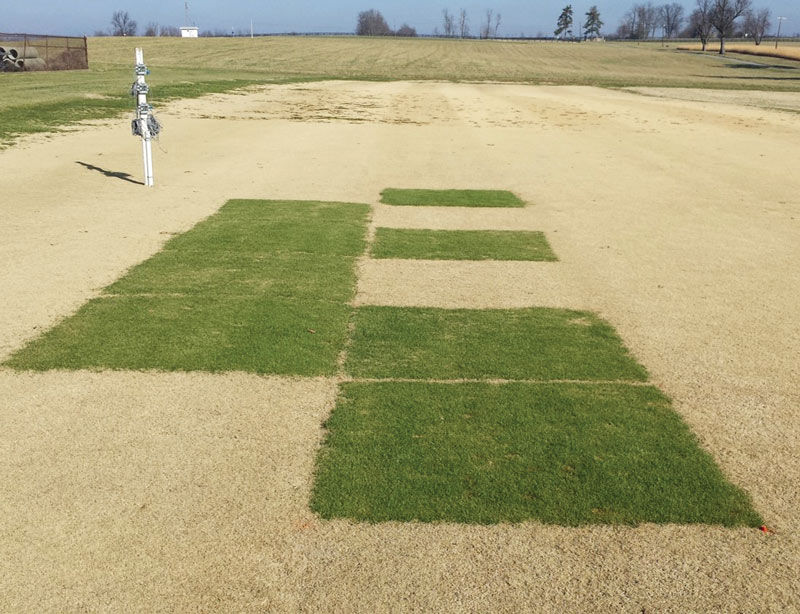
Bermuda grass turns brown because it goes into dormancy. Dormancy is a rest period during cold weather. The grass stops growing and loses its green color. This protects the grass from winter stress.
Brown grass does not mean it is dead. It will green up again when warm weather returns. This cycle repeats every year as temperatures change.
Dormancy And Temperature Effects
Temperature is the main factor in Bermuda grass dormancy. When temperatures drop below 50°F (10°C), dormancy begins. The grass stops making chlorophyll, which gives it green color. Without chlorophyll, the grass turns brown.
Frost and freezing temperatures make dormancy deeper. The grass stays brown until temperatures rise again. Watching weather helps predict when grass will green up.
Winter Care For Bermuda Grass
Bermuda grass is a warm-season grass that changes during winter. It naturally slows growth and may turn brown. Proper winter care helps keep it healthy and ready for spring. Simple steps like watering, mowing, and fertilizing make a big difference.
Watering Practices In Cold Months
Bermuda grass needs less water in winter. Overwatering can harm roots and cause disease. Water only when the soil feels dry. Early morning watering helps reduce moisture loss. Keep the soil moist, not soggy.
Mowing Tips Before Winter
Cut Bermuda grass shorter before winter sets in. Aim for about 1 to 1.5 inches tall. Shorter grass reduces disease risk and prevents pests. Use sharp mower blades for a clean cut. Avoid mowing if the grass is wet or frozen.
Fertilizing Schedule Adjustments
Stop fertilizing Bermuda grass late in the season. Fertilizer encourages growth, which slows in cold weather. Apply fertilizer in early fall for best results. Use a low-nitrogen fertilizer to prepare grass for winter. Resume feeding after the last frost passes.
Preventing Damage During Winter
Winter can be tough on Bermuda grass. Cold weather often stresses the grass, making it more vulnerable. Taking steps to protect your lawn helps keep it healthy and green longer. Preventing damage during winter is key to a strong lawn come spring.
Avoiding Foot Traffic
Walking on Bermuda grass in winter can cause damage. The grass is fragile when dormant. Foot traffic crushes grass blades and compacts soil. Compacted soil stops air and water from reaching roots. Try to keep off the lawn as much as possible. Use paths or walkways to protect the grass.
Protection From Frost And Snow
Frost and snow can harm Bermuda grass. Frost kills grass blades, making them turn brown. Snow cover can trap moisture and cause mold. Clear heavy snow gently to avoid pressing down the grass. Use mulch or straw to shield grass from frost. These layers keep the soil warmer and protect roots. Take action early to reduce winter damage.
Credit: gcmonline.com
Preparing Bermuda Grass For Spring
Preparing Bermuda grass for spring is important to bring back its green color and healthy look. Winter turns this grass brown and dormant. Careful steps help it grow strong again. Early attention makes the lawn ready for warmer months.
Early Spring Lawn Maintenance
Start by removing dead grass and debris. This clears the way for new growth. Rake the lawn gently but thoroughly. Aerate the soil to improve air and water flow. Apply a balanced fertilizer to boost nutrients. Water the lawn lightly but regularly. Avoid heavy watering that may cause disease.
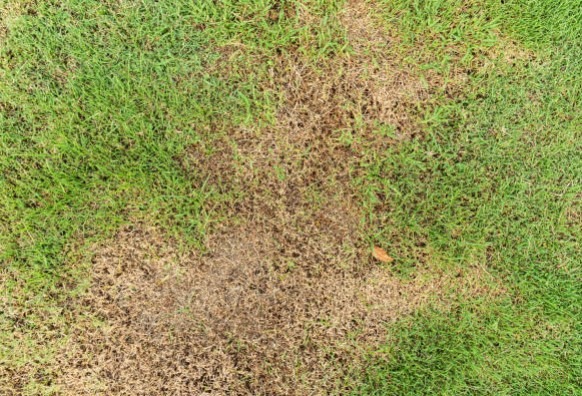
Reviving Brown Patches
Brown patches need special care. Check for pests or fungus causing damage. Remove dead grass from these areas. Spread grass seed or sprigs to fill in gaps. Use a light layer of topsoil to cover seeds. Keep these spots moist to help growth. Patience is key; green will return soon.
Credit: theturfgrassgroup.com
Frequently Asked Questions
Does Bermuda Grass Naturally Turn Brown In Winter?
Yes, Bermuda grass goes dormant in winter due to cold temperatures. It naturally turns brown to conserve energy until warmer weather returns.
How Can I Prevent Bermuda Grass From Browning?
You cannot fully prevent browning in winter. However, proper lawn care like watering and fertilizing in fall helps keep Bermuda grass healthier before dormancy.
When Does Bermuda Grass Usually Recover From Winter Dormancy?
Bermuda grass typically recovers in spring when soil temperatures rise above 60°F. Green color returns as the grass resumes active growth.
Is Brown Bermuda Grass Dead Or Just Dormant?
Brown Bermuda grass is usually dormant, not dead. It regains its green color once temperatures warm up and growth resumes.
Conclusion
Bermuda grass often turns brown in winter due to cold temperatures. This change is normal and does not mean the grass is dead. The grass goes dormant to protect itself from the cold. It will green up again when warm weather returns.
Proper care before winter can help the grass stay healthier. Watering less and avoiding heavy foot traffic can make a difference. Understanding this natural cycle helps you keep your lawn looking good year-round. Patience is key while waiting for spring’s return.
