

Are you wondering if your Zoysia grass really needs dethatching? You’re not alone.
Many homeowners struggle with keeping their lawn healthy and green, but the idea of dethatching can seem confusing or even unnecessary. Understanding when and why dethatching matters can make a huge difference in your lawn’s health. You’ll discover clear answers and simple tips that help your Zoysia grass thrive without wasting time or effort.
Keep reading to find out exactly what your lawn needs to stay lush and strong.
Zoysia Grass Basics
Zoysia grass is a popular choice for many lawns. It is known for its rich green color and soft texture. Understanding the basics helps in keeping it healthy and beautiful. This section covers important features of Zoysia grass and how it grows.
Characteristics Of Zoysia Grass
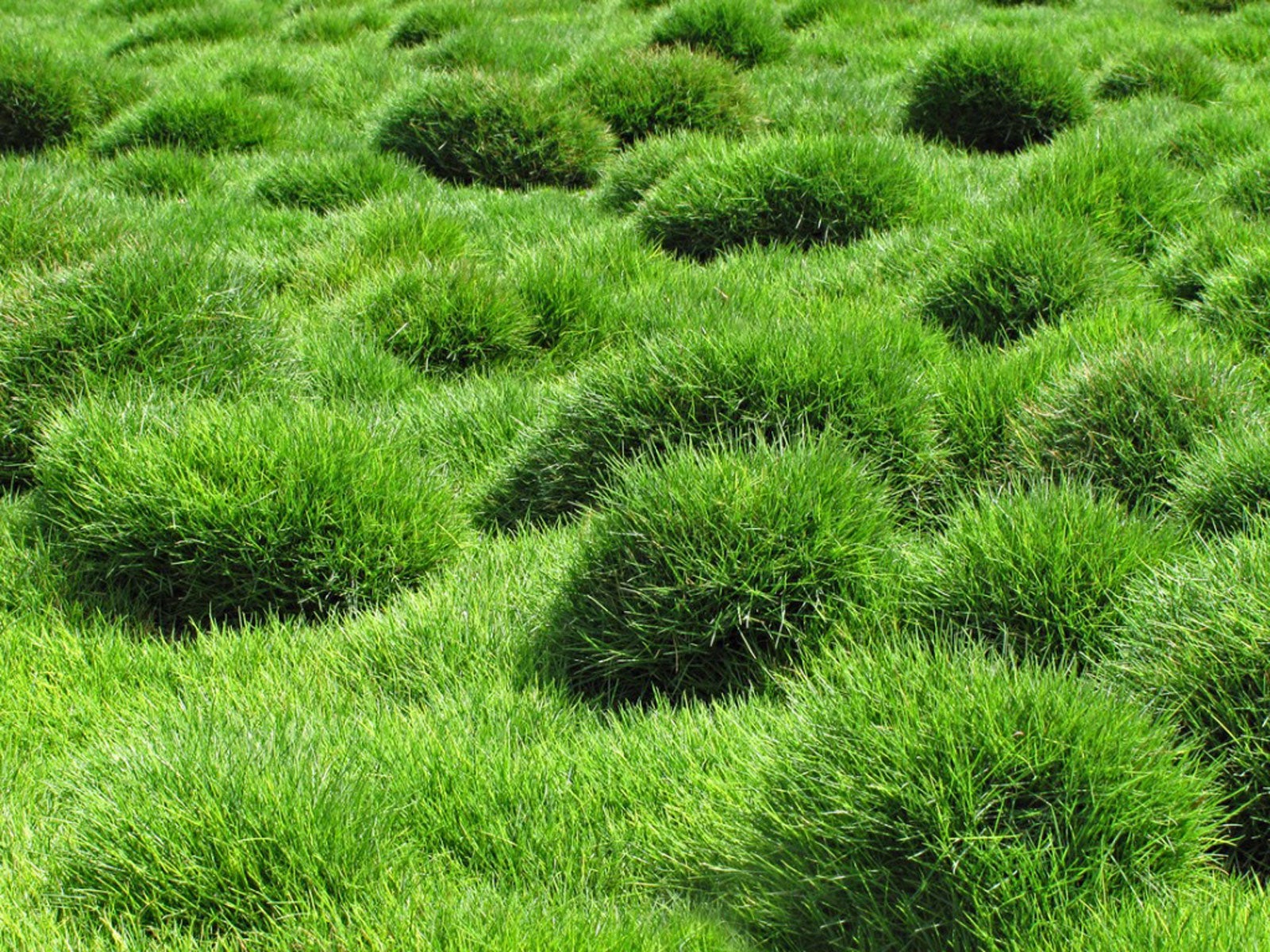
Zoysia grass has thick, fine blades. It grows slowly but forms a dense carpet. It tolerates heat and drought well. Zoysia is resistant to many pests and diseases. Its color stays bright green in warm seasons. This grass prefers full sun but can handle some shade. It has a deep root system, which helps it stay strong.
Growth Patterns And Density
Zoysia spreads through both stolons and rhizomes. Stolons run above the soil surface. Rhizomes grow underground. Together, they create a thick, dense turf. This density helps block weeds from growing. Growth slows during cold months. In warm weather, it spreads quickly. Regular mowing keeps it neat and healthy. Dense growth means less need for dethatching.

Credit: www.youtube.com
What Is Dethatching
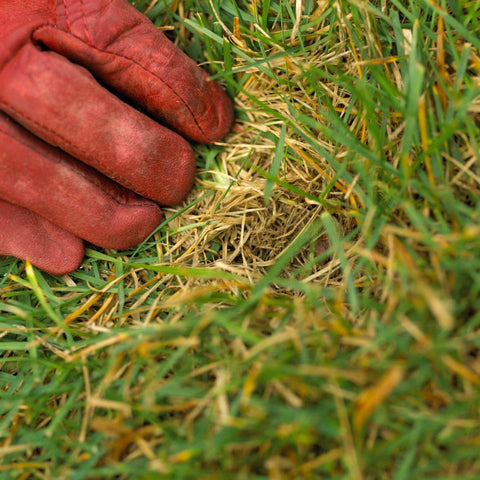
Dethatching is the process of removing a layer of dead grass and roots from your lawn. This layer, called thatch, builds up between the soil and green grass. It blocks water, air, and nutrients from reaching the roots. Dethatching helps your grass grow healthy and strong. It makes the lawn look better and feel softer underfoot.
Causes Of Thatch Buildup
Thatch forms when grass grows faster than it breaks down. Some grasses, like Zoysia, produce more thatch naturally. Overwatering or poor soil can slow down decomposition. Too much fertilizer can also increase thatch. Compacted soil reduces the activity of helpful microbes. These microbes normally break down dead grass material. When they slow down, thatch piles up.
Signs That Dethatching Is Needed
Your lawn may need dethatching if it feels spongy underfoot. Brown patches can appear even with regular watering. Grass roots may look shallow or weak. Water may pool on the surface after rain. The lawn might seem thick and matted. These signs show that thatch is blocking growth and moisture.
Dethatching Zoysia Grass
Zoysia grass is dense and grows thick, which can lead to thatch buildup. Thatch is a layer of dead grass, roots, and debris between the soil and grass blades. This layer can block water, air, and nutrients from reaching the roots. Dethatching Zoysia grass helps keep your lawn healthy and green by removing this layer. It also encourages new growth and improves soil health.
When To Dethatch
Dethatch Zoysia grass in late spring or early summer. The grass should be actively growing for quick recovery. Avoid dethatching in cooler months or during drought. Signs you need dethatching include a spongy lawn feel and water pooling on the surface. If the thatch layer is more than half an inch thick, it is time to dethatch.
Methods For Dethatching
Manual raking is a simple method for small lawns. Use a thatch rake to pull up dead material. For larger areas, power dethatchers or vertical mowers work well. These machines cut through the thatch layer and lift it to the surface. Choose the method based on your lawn size and thatch thickness.
Tools And Equipment
A thatch rake is essential for small jobs. It has sharp tines that pull up debris without damaging grass roots. For bigger lawns, rent or buy a power dethatcher. This tool has blades that slice through thatch quickly. Always wear gloves and protective eyewear when dethatching. Clean tools after use to keep them effective.
Alternatives To Dethatching
Zoysia grass is tough and grows densely. Dethatching is one way to keep it healthy. Yet, it is not the only method. Some methods protect the lawn without harming the grass. These alternatives help the soil breathe and keep roots strong. They reduce the need for harsh lawn care steps.
Core Aeration Benefits
Core aeration removes small plugs of soil from the lawn. This helps air, water, and nutrients reach grass roots. It reduces soil compaction and improves root growth. Aeration also helps break down thatch naturally over time. It makes the lawn stronger and greener. Aeration works best in spring or fall for Zoysia grass.
Regular Lawn Maintenance
Proper mowing keeps Zoysia grass healthy. Cutting it at the right height prevents stress. Watering deeply but less often encourages deep roots. Fertilizing with balanced nutrients supports steady growth. Removing leaves and debris stops thatch buildup. Regular care reduces the need for dethatching. A healthy lawn fights disease and weeds better.
Post-dethatching Care
After dethatching your Zoysia grass, proper care helps it recover fast. This care supports healthy growth and keeps the lawn green and thick. The grass needs water, nutrients, and sometimes new seeds to fill bare spots. Follow these steps to give your lawn the best start.
Watering And Fertilizing
Water the lawn deeply right after dethatching. This helps the soil settle and reduces stress on the grass. Keep watering every day for about a week, but avoid soaking the ground. After that, water less often but deeply to encourage strong roots.
Fertilize your Zoysia grass about two weeks after dethatching. Use a balanced fertilizer with nitrogen, phosphorus, and potassium. This mix supports new growth and strengthens the grass. Avoid fertilizing too soon to prevent burning the grass.
Overseeding Tips
Dethatching can leave bare patches in your lawn. Overseeding fills these gaps with new grass. Choose a Zoysia grass seed that matches your lawn type. Spread the seed evenly over the bare areas.
Lightly rake the soil to cover the seeds. Keep the soil moist until the seeds sprout. Avoid heavy foot traffic on the lawn during this time. Overseeding helps maintain a thick, healthy lawn after dethatching.
Credit: www.gardeningknowhow.com
Common Mistakes To Avoid
Dethatching Zoysia grass can help keep your lawn healthy. Yet, many people make common mistakes that harm the grass. Avoiding these errors will save your lawn from damage and extra work.
Understanding the right way to dethatch is key. Two major areas where mistakes happen are over-dethatching and poor timing. Both can weaken your Zoysia grass.
Over-dethatching Risks
Removing too much thatch weakens the grass roots. It exposes the soil and makes the lawn dry out faster. Over-dethatching also invites weeds and pests. This slows down grass growth and recovery. Be gentle and remove only the necessary amount of thatch.
Timing Errors
Dethatching at the wrong time stresses Zoysia grass. Doing it during dormancy or extreme heat can kill the grass. Early spring or late summer is best for dethatching. Choose a day with mild weather and enough time for recovery. Proper timing keeps your lawn strong and green.
Credit: www.zoysiaplug.com
Frequently Asked Questions
Does Zoysia Grass Require Regular Dethatching?
Yes, Zoysia grass may need dethatching occasionally. However, it produces minimal thatch naturally, so dethatching is rarely necessary.
How Can I Tell If Zoysia Grass Needs Dethatching?
If the thatch layer is over half an inch thick, dethatching is beneficial. It improves water and nutrient absorption.
When Is The Best Time To Dethatch Zoysia Grass?
The best time to dethatch is during late spring or early summer. This timing helps quick recovery and regrowth.
Can Dethatching Damage Zoysia Grass?
Improper dethatching can harm Zoysia grass. Use proper tools and avoid dethatching during dormancy to prevent damage.
Conclusion
Zoysia grass usually does not need frequent dethatching. It grows slowly and thatch builds up very little. Removing thatch only helps if it is thick and stops water or air from reaching roots. Check your lawn each year to see if dethatching is necessary.
Use a rake or dethatcher carefully to avoid damage. Healthy Zoysia grass can often take care of itself. Keep watering and mowing properly for best results. Simple care keeps your lawn green and strong without extra work.
