

Have you ever wondered how deep Bermuda grass roots really go? Understanding this can change the way you care for your lawn and help it thrive like never before.
Whether you want a lush, green yard or need to tackle stubborn patches, knowing how far these roots reach beneath the surface gives you a powerful advantage. Keep reading, and you’ll discover surprising facts that can transform your lawn care routine and save you time and effort.
Ready to dig deeper? Let’s get started.
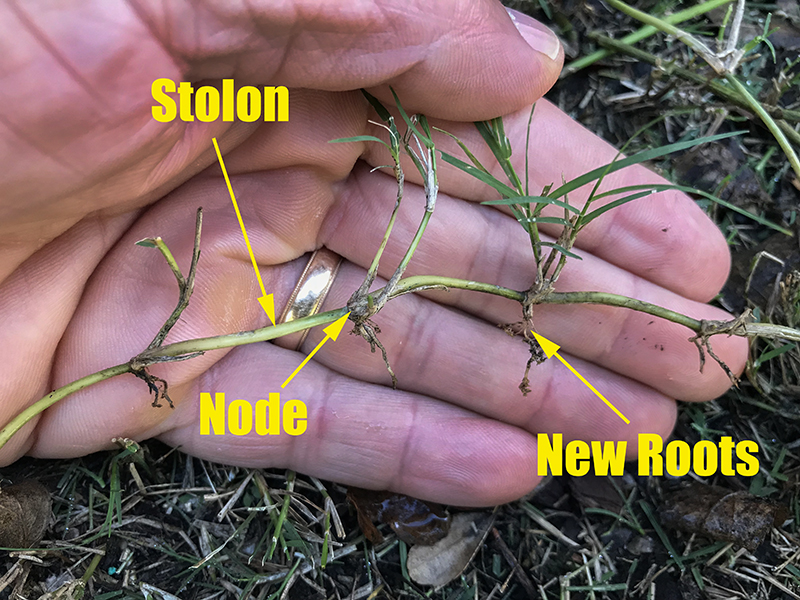
Credit: www.bermudalawnguide.com
Bermuda Grass Basics
Bermuda grass is a popular choice for lawns and sports fields. It grows well in warm climates and recovers quickly from damage. Understanding its basics helps in caring for it better.
This grass type spreads fast and forms a thick, green carpet. Its strong roots make it drought-tolerant and tough against wear. Knowing how it grows and where it is used can guide your lawn care efforts.
Growth Patterns
Bermuda grass grows from seeds, runners, and underground stems. Its roots can reach deep into the soil, often 6 to 12 inches. This deep root system helps the grass get water during dry times. The grass spreads quickly across the ground, filling bare spots fast. It grows best in full sun and warm weather.
Common Uses
Bermuda grass is widely used for lawns, golf courses, and sports fields. Its durability makes it ideal for areas with heavy foot traffic. Farmers also use it for pastures and hay. The grass’s ability to resist drought saves water in dry regions. It creates a soft, green surface that is easy to maintain.
Root System Structure
Bermuda grass has a strong and complex root system. This system helps the grass stay healthy and survive dry times. The roots grow deep into the soil. They spread out wide to find water and nutrients. Understanding this structure shows why Bermuda grass is so tough.
The root system consists of different types of roots. Each type has a specific job. Together, they keep the grass green and growing.
Types Of Roots
Bermuda grass has two main types of roots: fibrous and rhizomes. Fibrous roots are thin and spread out near the surface. They absorb water and nutrients quickly. Rhizomes are thick and grow underground. They help the grass spread and fill bare spots. Both root types work together to support the grass.
Root Growth Factors
Several factors affect how Bermuda grass roots grow. Soil type is very important. Sandy soil lets roots grow deeper. Clay soil may limit root depth. Water availability also matters. Roots grow deeper in dry conditions to find water. Temperature affects growth speed. Warm weather helps roots grow faster. Good care, like proper mowing and watering, supports strong roots.
Typical Root Depth
Bermuda grass has roots that spread beneath the soil. These roots help the grass get water and nutrients. Knowing how deep the roots go helps in caring for the lawn properly.
The root depth can change based on soil type and water availability. Usually, Bermuda grass roots are not very deep but strong enough to support healthy growth.
Surface Roots
Most Bermuda grass roots grow close to the soil surface. These roots stay within the top 2 to 3 inches of soil. They absorb water quickly after rain or watering. Surface roots also help the grass recover fast from damage.
Deeper Root Layers
Bermuda grass roots can go deeper during dry periods. They may reach depths of 12 to 18 inches to find water. Deeper roots make the grass more drought-resistant. They also stabilize the lawn and improve nutrient uptake.
Environmental Impact On Roots
Bermuda grass roots grow differently based on the environment. Various factors affect how deep and strong these roots become. Understanding these factors helps in caring for Bermuda grass better.
Soil Conditions
Soil type affects root depth. Sandy soils drain fast, causing roots to grow deeper searching for water. Clay soils hold water longer, so roots stay closer to the surface. Soil nutrients also influence root health and growth. Rich soil supports thicker, deeper roots. Poor soil limits root expansion and strength.
Water Availability
Bermuda grass roots grow deeper to find water during dry periods. Regular watering keeps roots shallow. Too much water can cause shallow roots and weak grass. Watering less often but deeply encourages strong, deep roots. Deep roots help grass survive drought and heat.
Climate Effects
Warm climates promote fast root growth. Cold weather slows root development. In hot areas, roots dig deeper to avoid heat stress. Humidity levels change how roots absorb water. Dry air can make roots work harder to keep the grass healthy.
Benefits Of Deep Roots
Deep roots in Bermuda grass bring many benefits for the lawn and soil. These roots help the grass grow strong and stay healthy. They reach far into the ground, making the grass tough and long-lasting. Understanding these benefits shows why deep roots matter for your lawn care.
Drought Resistance
Bermuda grass with deep roots can find water below dry soil. This helps the grass survive during hot and dry times. The deep roots keep the grass green longer without much watering. It makes the lawn less likely to dry out or die.
Soil Stability
Deep roots hold soil firmly in place. This stops the soil from washing away during rain or wind. Strong roots reduce soil erosion and keep the lawn even. Soil stays healthy and supports the grass better over time.
Nutrient Absorption
Deep roots reach nutrients deep in the soil. This gives the grass more food to grow well. Nutrients from lower soil layers help the grass stay green and thick. Strong roots mean better nutrient use and healthier grass.
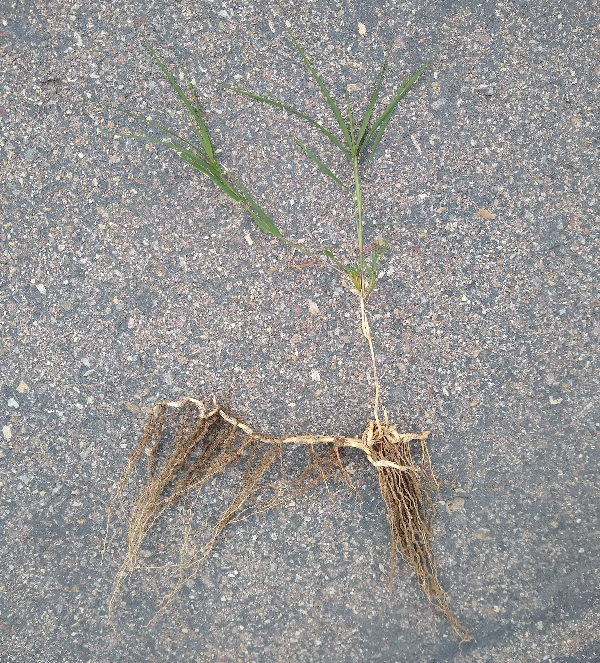
Credit: gregalder.com
Techniques To Promote Deep Roots
Strong roots help Bermuda grass grow thick and green. Deep roots reach water and nutrients better. Use simple techniques to make roots grow deeper. This helps grass survive dry times and stress.
Watering Strategies
Water Bermuda grass deeply but less often. This makes roots grow down to find water. Avoid shallow watering that keeps roots near the surface. Early morning watering reduces water loss. Let soil dry slightly between watering sessions.
Soil Aeration
Aerate soil to improve air and water flow. Use a garden fork or aerator tool. This breaks up compacted soil and helps roots grow freely. Aeration allows nutrients to reach deep roots easier. Do this once or twice a year for best results.
Fertilization Tips
Feed Bermuda grass with balanced fertilizer. Choose formulas with nitrogen, phosphorus, and potassium. Apply fertilizer during active growth periods. Avoid over-fertilizing to prevent shallow root growth. Follow package instructions for safe use and timing.
Signs Of Shallow Roots
Shallow roots in Bermuda grass can cause many problems for your lawn. These roots do not grow deep enough to get enough water or nutrients. As a result, the grass struggles to stay healthy and green. Recognizing signs of shallow roots helps you fix the issue early. This way, your lawn stays strong and beautiful.
Lawn Health Issues
Grass with shallow roots often looks weak and thin. You may see patches of yellow or brown grass. The lawn may wilt quickly during dry periods. Foot traffic can cause damage more easily. The grass might feel dry even after watering. Shallow roots mean the grass cannot hold moisture well.
Soil Problems
Compacted soil stops roots from growing deep. Hard soil layers block root movement downward. Poor soil drainage can also cause shallow roots. Water may pool on the surface instead of soaking in. Sandy soil may not hold enough water for deep roots. Checking soil condition helps find root problems fast.

Credit: www.bermudalawnguide.com
Comparing Bermuda Roots To Other Grasses
Bermuda grass is popular for lawns and sports fields. Its roots play a big role in how it grows and survives. Comparing Bermuda grass roots to other grasses shows key differences. These differences affect water use, strength, and growth speed. Understanding root depth helps in lawn care and irrigation planning.
Root Depth Differences
Bermuda grass roots grow deep, usually 12 to 18 inches. Some grasses, like Kentucky bluegrass, have roots 6 to 12 inches deep. Fescue roots tend to be shallower, around 4 to 8 inches. Deeper roots help Bermuda reach water and nutrients better in dry soil. Shallow roots need more frequent watering and care.
Growth Advantages
Deep roots make Bermuda grass strong and drought-resistant. It recovers faster from damage and stress. Other grasses with shallow roots can weaken quickly in heat or drought. Bermuda roots also store energy, helping the grass spread fast. This growth helps fill bare spots quickly. Strong roots support thick, green lawns for longer periods.
Frequently Asked Questions
How Deep Do Bermuda Grass Roots Typically Grow?
Bermuda grass roots usually grow 6 to 12 inches deep. Under optimal conditions, they can extend up to 18 inches. Deeper roots help the grass access water and nutrients better, improving drought resistance and overall health.
What Affects The Depth Of Bermuda Grass Roots?
Soil type, watering habits, and climate influence Bermuda grass root depth. Well-drained, sandy soils promote deeper roots. Overwatering or compacted soil can limit root growth, causing shallow roots and weaker grass.
Why Is Root Depth Important For Bermuda Grass?
Deep roots make Bermuda grass more drought-tolerant and resilient. They help the grass survive heat and dry spells by reaching moisture deeper in the soil. Strong roots also improve lawn stability and nutrient uptake.
Can Bermuda Grass Roots Grow Deeper With Proper Care?
Yes, proper watering, aeration, and fertilization encourage deeper root growth. Watering deeply but less frequently pushes roots downward. Aerating relieves soil compaction, allowing roots to spread effectively.
Conclusion
Bermuda grass roots grow deep to find water and nutrients. They can reach up to 18 inches underground. This depth helps the grass stay green during dry times. Strong roots also keep the lawn healthy and firm. Knowing root depth helps in watering and lawn care.
Keep soil loose and moist for best root growth. Deep roots mean a strong, long-lasting lawn. Simple care makes a big difference in lawn health. Understanding roots helps you grow better Bermuda grass.
