
Have you ever wondered how deep Bermuda grass roots really go? Understanding the depth of these roots can change the way you care for your lawn, helping you keep it healthy and green all year round.
Whether you’re dealing with dry spells or trying to improve your soil, knowing how far those roots stretch can make a big difference. Keep reading to discover surprising facts about Bermuda grass roots and learn how this knowledge can boost your lawn’s growth and resilience.
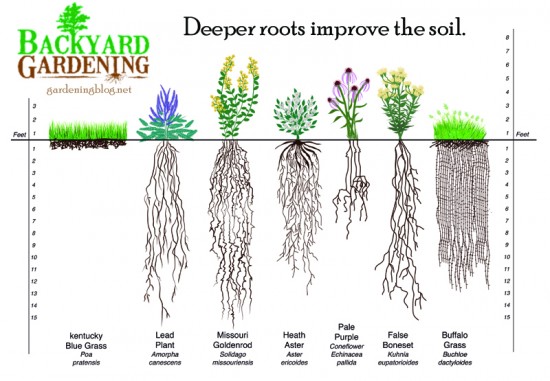
Credit: www.gardeningblog.net
Bermuda Grass Root Characteristics
Bermuda grass is popular for lawns and sports fields. Its roots help it survive dry and hot conditions. Understanding its roots helps in proper lawn care. The roots are strong and spread widely. This makes Bermuda grass tough and long-lasting.
The root system also helps the grass absorb water and nutrients. Deep roots mean the grass can stay green longer during drought. The roots grow fast and repair damage easily. This is why Bermuda grass recovers quickly from wear and tear.
Root Structure And Types
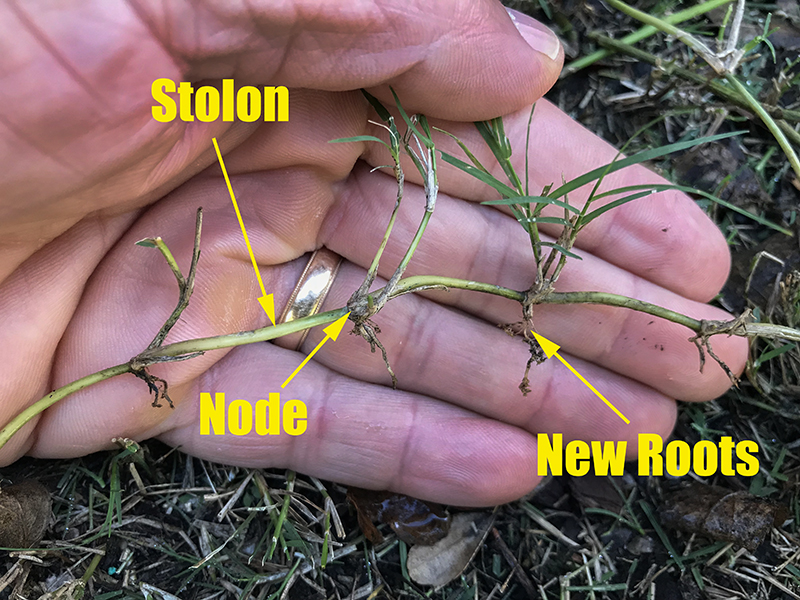
Bermuda grass has two main root types: fibrous roots and stolons. Fibrous roots grow deep into the soil. They anchor the grass firmly and absorb water well. Stolons are horizontal stems that grow above the ground. They spread out and form new shoots. This helps the grass cover bare spots fast.
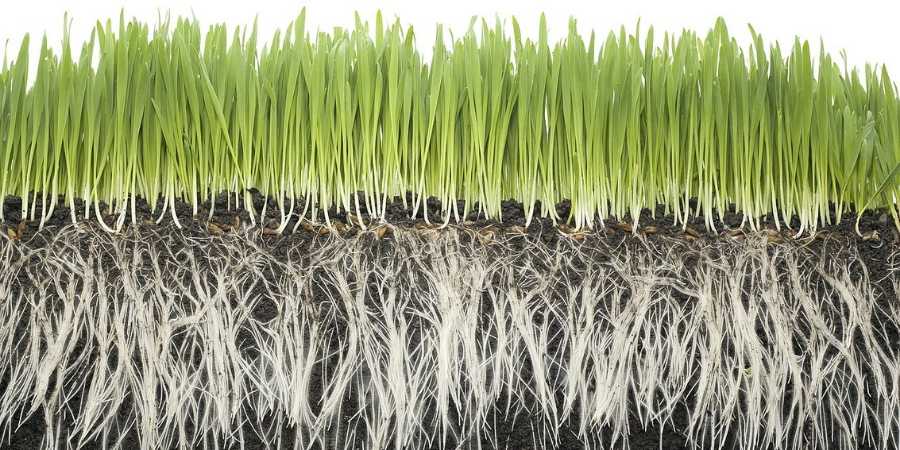
The roots are fine and dense. This creates a thick mat under the soil surface. Such a root structure helps control soil erosion. It also prevents weeds from growing easily. The mix of deep and shallow roots keeps the grass healthy.
Growth Patterns
Bermuda grass roots grow deeper in loose, well-drained soil. They can reach 12 to 18 inches deep. In compacted or dry soil, roots stay shallower. Roots grow faster in warm weather. They slow down in cold or dry seasons.
The grass spreads quickly through its roots and runners. New roots form along stolons and rhizomes. This allows the grass to fill spaces quickly. The root system also helps the grass survive stress. It stores food and energy for growth.
Typical Root Depth
Bermuda grass is popular for its durability and quick growth. Knowing how deep its roots grow helps in proper lawn care. Typical root depth shows how far the grass can reach for water and nutrients. This depth affects how well the grass survives drought and foot traffic.
Average Depth Range
Bermuda grass roots usually grow between 6 and 12 inches deep. In some cases, roots can reach up to 18 inches. This depth allows the grass to find moisture even in dry soil. Shallow roots make the grass weak during dry periods. Deeper roots help the grass stay green longer without watering.
Factors Influencing Depth
Soil type plays a big role in root depth. Sandy soils often let roots grow deeper. Clay soils can limit root growth because they hold water tightly. Water availability also affects root length. Frequent watering keeps roots shallow. Letting the soil dry out encourages deeper roots.
Temperature and sunlight impact root growth too. Warmer weather speeds up root development. Shade can slow down root growth. Fertilizer use changes root depth as well. Proper nutrients help roots grow strong and deep.
Soil And Environmental Impact
Bermuda grass roots grow differently based on soil and environment. These factors shape how deep roots can reach and how healthy the grass stays. Understanding these effects helps maintain a strong lawn.
Soil Type Effects
Soil texture affects root depth significantly. Sandy soils allow roots to grow deeper because water drains fast. Clay soils hold water but may limit root depth due to tight particles. Loamy soil offers the best balance. It holds moisture and lets roots penetrate easily. Nutrient levels in soil also impact root growth. Poor soils can stunt roots and weaken the grass.
Climate Influence
Temperature and rainfall play key roles in root development. Warm climates encourage deeper roots as the grass seeks moisture. Dry conditions push roots down to find water below the surface. In cooler, wetter climates, roots stay closer to the top. Seasonal changes also affect root length. During dry seasons, roots grow longer to survive. In wet seasons, roots spread out more near the soil surface.
Watering And Root Development
Bermuda grass roots grow deeper with proper watering. Watering affects how strong and long the roots become. Shallow watering keeps roots near the surface. Deep watering encourages roots to grow down. Healthy roots help Bermuda grass survive dry times.
Understanding watering and root growth helps maintain a green, thick lawn. The right watering habits make Bermuda grass tough and resilient.
Irrigation Practices
Water Bermuda grass deeply but less often. This practice pushes roots to grow deeper. Shallow, frequent watering weakens roots and causes a thin lawn. Early morning is the best time to water. It reduces evaporation and helps roots absorb water. Use a sprinkler that covers the area evenly. Avoid watering late in the day to prevent fungus.
Drought Response
Bermuda grass survives drought by growing deep roots. During dry periods, reduce watering to encourage root growth. Deep roots reach moisture below the soil surface. The grass goes dormant to save energy. Dormancy helps the grass survive until rain returns. Do not overwater during drought; it weakens the root system.
Nutrient Absorption And Root Health
Bermuda grass roots play a vital role in absorbing nutrients from the soil. Healthy roots help the grass grow strong and green. The depth of these roots affects how well the grass can get water and nutrients. Understanding nutrient absorption and root health is important for keeping Bermuda grass lush and healthy.
Essential Nutrients
Bermuda grass needs several key nutrients to thrive. Nitrogen helps leaves grow thick and green. Phosphorus supports root development and energy transfer. Potassium strengthens the grass against stress and disease. These nutrients must reach the roots for the grass to absorb them. Deep roots can access nutrients deeper in the soil. This access improves the grass’s overall health and growth.
Maintaining Healthy Roots
Healthy roots absorb nutrients efficiently and support strong grass. Avoid overwatering, which can drown roots and reduce oxygen. Aerate the soil to allow air and water to reach roots. Use mulch to keep soil temperature steady. Apply balanced fertilizer to provide essential nutrients. Regular mowing encourages roots to grow deeper. Strong roots help Bermuda grass survive drought and wear.
Credit: www.bermudalawnguide.com
Root Depth And Lawn Care Tips
Bermuda grass roots can grow deep into the soil, reaching 6 to 12 inches. Deep roots help the grass stay healthy during dry times. Strong roots also support thick, green lawns.
Understanding root depth helps in caring for Bermuda grass properly. Proper care keeps roots strong and soil healthy. This section shares simple lawn care tips to help your Bermuda grass thrive.
Mowing Strategies
Cut Bermuda grass to about 1 to 2 inches tall. Mowing too short weakens the roots and stresses the grass. Let the grass blades grow longer to protect roots and soil. Use sharp mower blades for clean cuts. Cut regularly to avoid cutting more than one-third of the grass blade at once.
Aeration Benefits
Aeration helps soil breathe and allows roots to grow deeper. It reduces soil compaction and improves water and nutrient flow. Aerate your lawn once or twice a year, especially in heavy clay soils. Use a core aerator to remove small plugs of soil. This creates space for roots to expand and strengthens your Bermuda grass.
Research And Discoveries
Scientists have studied Bermuda grass roots for many years. Their goal is to find out how deep these roots grow. Knowing root depth helps gardeners and farmers care for their grass better. Research shows that root depth changes based on soil and water conditions.
Scientific Studies
Researchers use field tests to measure Bermuda grass roots. They dig soil samples and check root length. Studies show roots can grow from 6 to 24 inches deep. Roots go deeper in loose, well-drained soil. In compacted soil, roots stay near the surface. Scientists also measure root density. Denser roots mean healthier grass. These studies help improve lawn care methods.
Innovative Techniques
New tools help scientists study roots without digging. Ground-penetrating radar scans the soil to find roots. This method is quick and does not damage grass. Another technique uses imaging technology to see root growth over time. These tools reveal how roots respond to water and nutrients. They show roots grow deeper with regular watering. Technology helps farmers save water and improve grass health.
Credit: www.milorganite.com
Frequently Asked Questions
How Deep Do Bermuda Grass Roots Typically Grow?
Bermuda grass roots usually grow between 6 to 12 inches deep. Under optimal conditions, roots can extend up to 18 inches to access water and nutrients.
Why Is Root Depth Important For Bermuda Grass Health?
Deeper roots help Bermuda grass survive drought and stress. They improve nutrient uptake and make the lawn more resilient and green.
Can Soil Type Affect Bermuda Grass Root Depth?
Yes, sandy soils usually allow deeper root growth than heavy clay soils. Proper soil aeration and drainage also promote healthy root development.
How Does Watering Frequency Influence Bermuda Grass Roots?
Frequent shallow watering encourages shallow roots. Deep, infrequent watering promotes deeper root growth, making the lawn more drought-tolerant.
Conclusion
Bermuda grass roots grow deep to help the plant stay strong. They reach about 6 to 12 inches below the surface. Deep roots help the grass find water during dry times. This makes Bermuda grass very tough and good for warm climates.
Knowing root depth helps you care for your lawn better. Watering deeply but less often supports healthy root growth. Healthy roots mean a greener, thicker lawn all year. Understanding roots is key to growing great Bermuda grass.
