
Are you curious about how deep Bermuda grass roots really grow? Understanding the root depth can change the way you care for your lawn.
Knowing this helps you water smarter, fertilize better, and keep your grass healthy all year round. You’ll discover just how far Bermuda grass roots reach beneath the surface—and why it matters for your lawn’s strength and beauty. Keep reading, and you’ll learn simple tips that can make a big difference in your yard’s health.
Bermuda Grass Root Basics
Bermuda grass is a popular warm-season grass known for its toughness. Its roots play a key role in its ability to survive heat and drought. Understanding the roots helps in better lawn care and maintenance.
The roots grow underground and absorb water and nutrients. They also help the grass stay anchored in the soil. Knowing the root depth and structure helps in watering and fertilizing properly.
Typical Root Depth Range
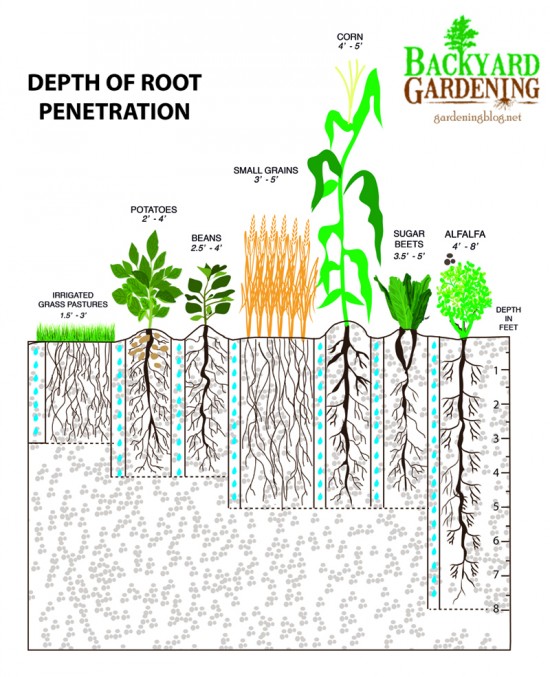
Bermuda grass roots usually grow between 6 and 12 inches deep. In good conditions, roots can reach up to 24 inches. Deep roots help the grass find water during dry times. Shallow roots make the grass weak and dry faster.
Root Structure Characteristics
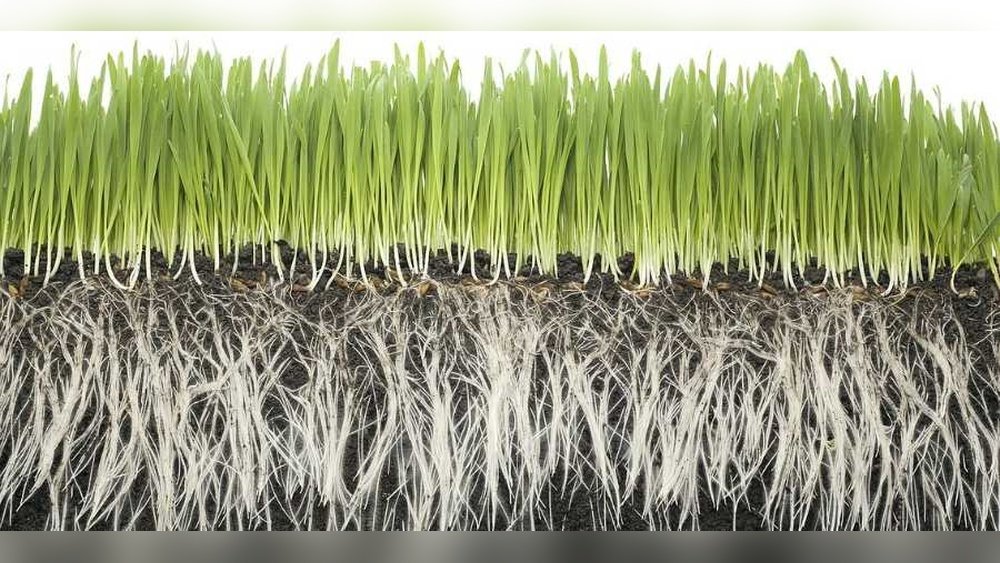
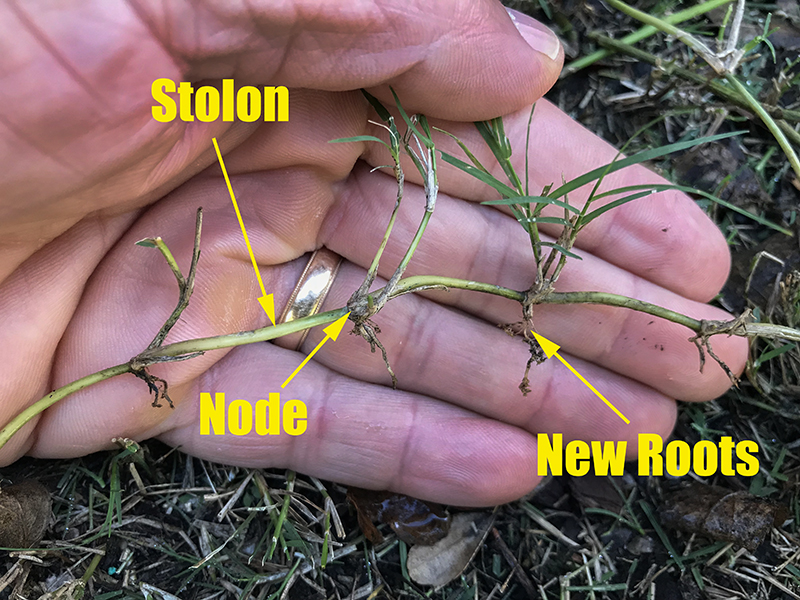
The roots are fibrous and spread out in all directions. They form a dense network close to the soil surface. This structure helps absorb water quickly after rain or watering. The roots also grow new shoots that help the grass spread fast.
Credit: www.bermudalawnguide.com
Factors Affecting Root Growth
Bermuda grass roots do not grow the same in every condition. Various factors affect how deep and strong the roots develop. Understanding these can help you care for your lawn better. Healthy roots mean a healthier lawn that can survive droughts and heat.
Soil Type And Composition
The kind of soil plays a big role in root growth. Sandy soil drains water fast but may not hold nutrients well. Clay soil holds water but can be hard for roots to move through. Loamy soil is best because it has a good mix of sand, clay, and organic matter. Roots grow deeper in loose, well-drained soil.
Water Availability
Water is crucial for Bermuda grass roots. Roots grow deeper when water is scarce. They search for moisture below the surface. Overwatering keeps roots shallow because they do not need to grow far. Water your lawn deeply but less often to encourage strong root growth.
Climate Influence
Warm climates help Bermuda grass grow fast. Hot weather makes roots grow deeper to find water. Cold weather slows root growth. In dry seasons, roots grow longer to survive. Climate affects how deep roots can reach and how strong they become.
Fertilizer Impact
Fertilizers provide nutrients for root growth. Nitrogen helps leaves grow, but too much can weaken roots. Phosphorus supports root development. A balanced fertilizer helps roots grow deep and strong. Use fertilizer carefully to avoid harming the grass.
How To Encourage Deeper Roots
Encouraging deeper roots in Bermuda grass helps the lawn stay healthy and strong. Deep roots reach more water and nutrients. This makes the grass more drought-tolerant and resilient. Below are simple ways to help Bermuda grass roots grow deeper.
Proper Watering Techniques
Water Bermuda grass deeply but less often. Shallow, frequent watering keeps roots near the surface. Deep watering encourages roots to grow downward. Aim to soak the soil 6 to 8 inches deep. Early morning watering reduces evaporation and disease risk.
Aeration Benefits
Aeration creates small holes in the soil. This allows air, water, and nutrients to reach roots better. It reduces soil compaction, which blocks root growth. Aerate your lawn once or twice a year. Use a core aerator for best results.
Mowing Practices
Keep Bermuda grass at a height of 1 to 2 inches. Cutting too short stresses the grass and weakens roots. Leave grass clippings on the lawn to return nutrients to the soil. Mow regularly to keep a healthy, thick lawn.
Choosing The Right Soil
Bermuda grass grows best in sandy, well-drained soil. Heavy clay soil holds too much water and limits root growth. Mix organic matter like compost into the soil. This improves drainage and adds nutrients. Test soil pH and keep it between 5.8 and 7.0.
Credit: www.gardeningblog.net
Signs Of Healthy Root Development
Healthy root development is vital for Bermuda grass to grow strong and stay green. Deep and well-established roots help the grass absorb water and nutrients better. They also make the lawn more resistant to drought and stress. Knowing the signs of good root growth helps you care for your lawn properly.
You can spot healthy roots by checking both the grass above ground and the soil below. These signs give clues about the root system’s health and depth.
Visual Indicators Above Ground
Look for thick, green blades of grass. They show the roots are getting enough nutrients. The grass should grow evenly without bare spots. A lawn that stays green during dry weather means strong roots are reaching deep water. The grass also feels firm underfoot, not soft or spongy. These signs tell you the roots are healthy and well-developed.
Soil Testing Methods
Soil tests reveal the condition where roots grow. You can check soil moisture to see if roots reach deep enough. Testing for nutrients like nitrogen and phosphorus shows if the soil supports root growth. A soil pH between 6 and 7 is best for Bermuda grass roots. You may dig small holes to observe root length directly. Soil testing gives clear evidence of root health below the surface.
Common Root Problems And Solutions
Bermuda grass roots face several common problems that affect their growth and health. These issues reduce the grass’s ability to absorb water and nutrients. Identifying root problems early helps maintain a strong, green lawn. Below are the main root problems and practical solutions for each.
Root Rot Causes
Root rot happens when roots stay too wet for too long. Poor drainage and overwatering cause this problem. Fungi attack the roots, making them soft and brown. This stops the roots from taking in nutrients and water. To fix root rot, improve soil drainage. Water less often and only when the soil feels dry. Use fungicides if the problem is severe.
Dealing With Soil Compaction
Soil compaction makes it hard for roots to grow deep. Heavy foot traffic and lawn equipment compress the soil. Compacted soil limits air, water, and nutrients reaching the roots. Aerate the lawn by poking small holes in the soil. This helps loosen the ground and improves root growth. Avoid walking on wet soil to prevent more compaction.
Pest And Disease Effects
Pests like grubs and insects damage Bermuda grass roots. They chew the roots, causing the grass to weaken and die. Diseases such as nematodes also harm roots by feeding on them. Inspect your lawn regularly for signs of pests. Use natural or chemical treatments to control infestations. Healthy soil and proper watering reduce disease risks.
Advanced Tips For Lawn Care
Advanced tips for lawn care help keep Bermuda grass strong and healthy. Understanding root growth and care techniques improves lawn quality. These tips focus on how roots grow and interact with the environment.
Proper care supports deep roots. Deep roots help the grass survive dry spells and tough conditions. Follow these tips to encourage better root growth and a greener lawn.
Seasonal Root Growth Patterns
Bermuda grass roots grow at different depths during the year. In warm months, roots grow deeper to find water. Cooler months slow root growth as the grass rests.
Water less in cooler seasons to avoid root rot. Increase watering in summer to support deep roots. Understanding these patterns helps maintain a healthy lawn year-round.
Using Growth Stimulants
Growth stimulants help Bermuda grass roots grow faster and stronger. Choose natural or synthetic products designed for lawns. Apply stimulants during active growth periods for best results.
Follow package instructions carefully to avoid damage. Overuse can harm roots and grass health. Proper use promotes thicker roots and healthier turf.
Integrating Bermudagrass With Other Plants
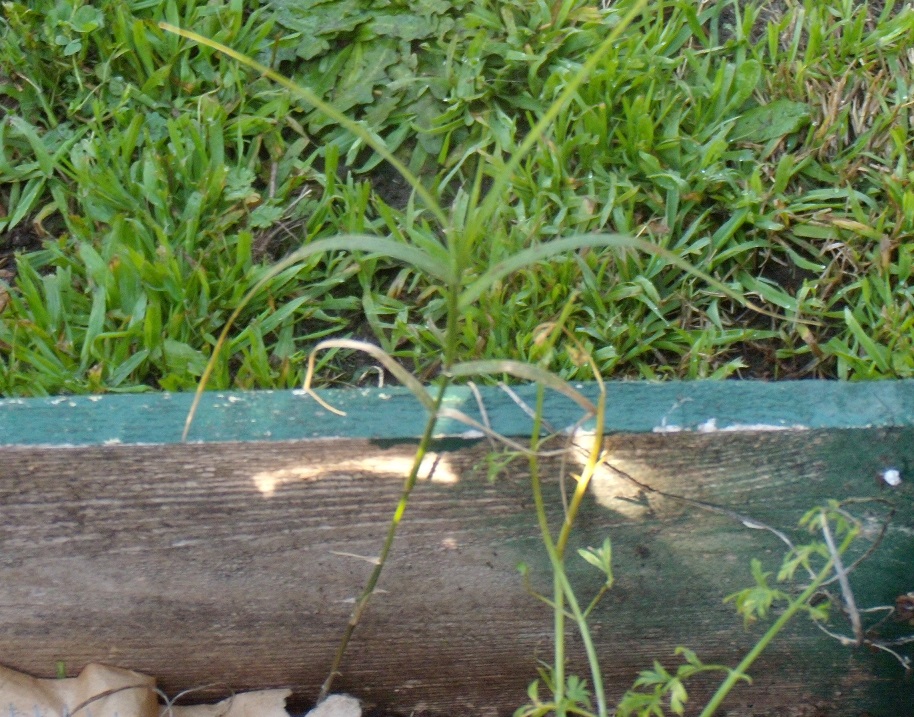
Planting Bermuda grass with other plants can improve soil and root health. Use ground covers or low plants that do not compete for water. This helps Bermuda grass roots grow deeper and stronger.
Choose plants with similar water and light needs. Avoid tall plants that shade Bermuda grass too much. Proper integration creates a balanced and healthy lawn environment.
Credit: alamedabackyardgrowers.org
Frequently Asked Questions
How Deep Do Bermuda Grass Roots Typically Grow?
Bermuda grass roots usually grow between 6 to 12 inches deep. In ideal conditions, they can extend even deeper. Deep roots help the grass survive drought and improve soil stability.
Why Is Bermuda Grass Root Depth Important?
Root depth affects Bermuda grass’s drought resistance and nutrient absorption. Deeper roots access more water and nutrients, promoting healthier, greener turf. Shallow roots make the grass more vulnerable to stress.
How Can I Encourage Deeper Bermuda Grass Roots?
To promote deep roots, water Bermuda grass deeply but infrequently. Avoid frequent shallow watering. Aerate soil and apply balanced fertilizers to support root growth.
Does Soil Type Affect Bermuda Grass Root Depth?
Yes, sandy soils often allow roots to grow deeper. Clay soils may limit root depth due to compaction. Proper soil management improves root penetration and grass health.
Conclusion
Bermuda grass roots grow deep to help the grass stay strong. Deep roots find water and nutrients even in dry soil. This makes Bermuda grass a good choice for warm climates. Knowing root depth helps you care for your lawn better.
Water deeply but less often to encourage deep roots. Keep the soil healthy for strong root growth. A well-rooted lawn looks green and lasts longer. Understanding root depth is key to growing healthy Bermuda grass.
