
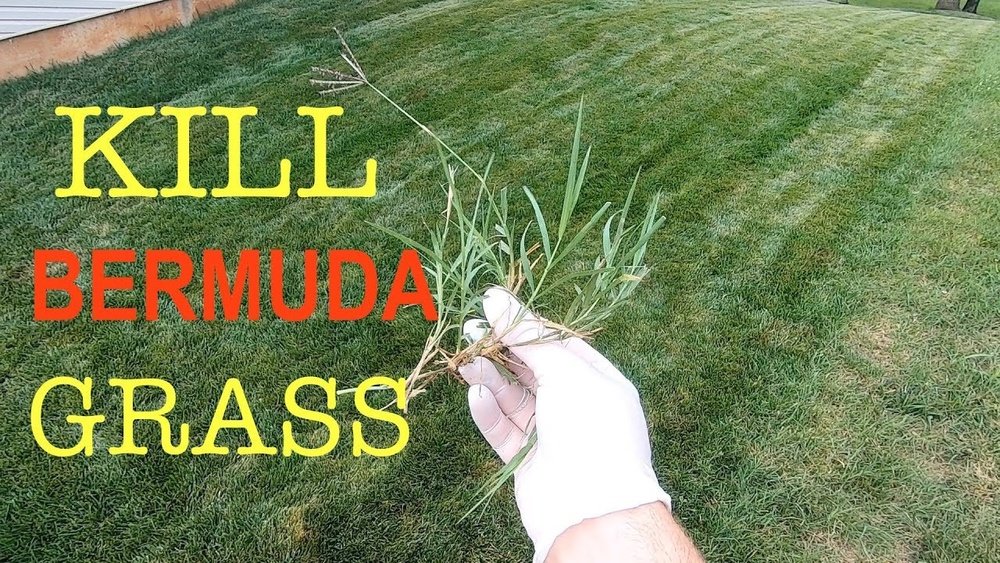
Are you tired of battling stubborn Bermuda grass that just won’t go away? You’re not alone.
This aggressive weed can take over your lawn and garden, making it hard to enjoy your outdoor space. But don’t worry—there are effective ways to stop Bermuda grass for good. You’ll discover simple, proven methods to kill Bermuda grass and reclaim your yard quickly.
Keep reading, and you’ll learn exactly what to do to get your lawn back under control.
Credit: gregalder.com
Identifying Bermuda Grass
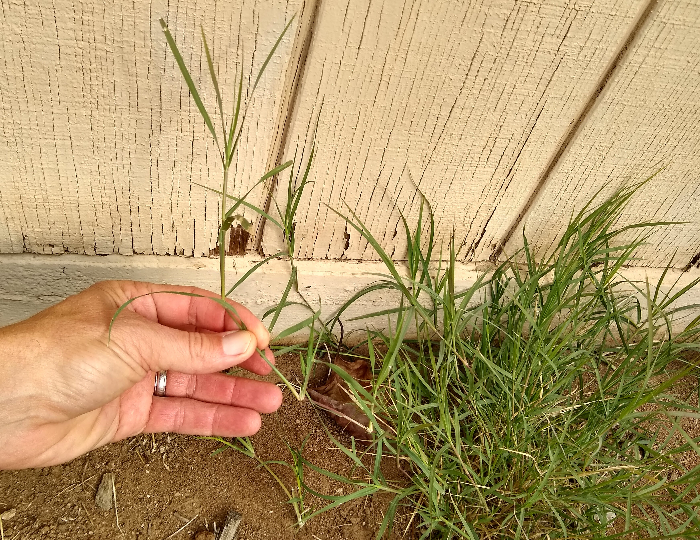
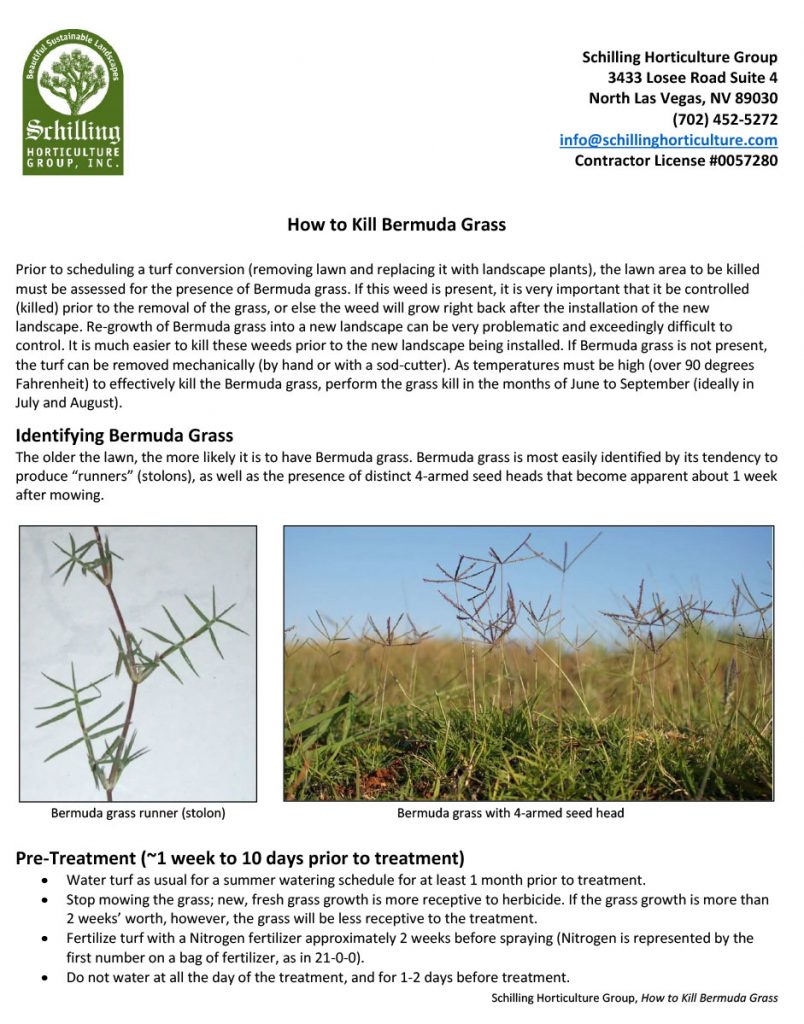
Identifying Bermuda grass is the first step to control it effectively. This grass can spread quickly and take over your lawn or garden. Knowing its features helps you spot it early and stop it from spreading. Below are key points to recognize Bermuda grass clearly.
Characteristics And Growth Patterns
Bermuda grass has thin, green blades. The leaves grow flat and often feel rough. It spreads using underground stems called rhizomes. Above ground, it sends out runners called stolons. This growth helps it cover large areas fast. The grass forms dense mats that choke other plants. It thrives in warm weather and lots of sunlight. It stays green most of the year in warm climates. It turns brown and goes dormant in cold weather.
Common Areas Of Infestation
Bermuda grass often grows in lawns and sports fields. It invades gardens and flower beds too. It thrives in sunny, open areas with well-drained soil. You will see it on roadsides and empty lots. It also grows around sidewalks and driveways. This grass can quickly move into vegetable patches. It can be hard to remove once established. Spotting it early in these areas helps control it better.

Credit: www.youtube.com
Manual Removal Techniques
Manual removal techniques offer a natural way to fight Bermuda grass. These methods focus on physically removing or blocking the grass. They work best in small areas or when you want to avoid chemicals. Patience and effort are key to success.
Digging And Pulling
Digging up Bermuda grass helps remove its roots. Use a garden fork or shovel to loosen soil around the grass. Pull the grass out carefully, making sure to get all roots. Even small root pieces can grow back. Repeat this process several times for better results. Work after rain or watering to ease digging.
Smothering With Mulch Or Plastic
Covering Bermuda grass blocks sunlight and stops growth. Use thick mulch like wood chips or straw to cover the area. Alternatively, lay black plastic sheets tightly over the grass. Keep the cover in place for several weeks. This method starves the grass and weakens it. Check often and replace mulch or plastic if needed.
Herbicide Options
Choosing the right herbicide is key to controlling Bermuda grass. Different herbicides work in different ways. Some kill only Bermuda grass without hurting other plants. Others kill all plants they touch. Understanding these options helps you pick the best one for your lawn or garden.
Selective Vs Non-selective Herbicides
Selective herbicides target only specific types of plants. They kill Bermuda grass but keep your flowers and vegetables safe. Non-selective herbicides kill all plants they contact. Use them carefully to avoid damaging desirable plants. Selective herbicides are best for lawns. Non-selective types work well on driveways or paths.
Application Tips For Best Results
Apply herbicides on a calm, dry day. Avoid windy or rainy weather to prevent drift and wash-off. Follow the label instructions exactly. Use the right amount of product. Too little may not kill Bermuda grass. Too much can harm the soil and nearby plants. Repeat treatments may be necessary for tough patches.
Safety Precautions
Wear gloves, long sleeves, and eye protection when applying herbicides. Keep children and pets away from treated areas. Store herbicides in a cool, dry place out of reach. Never mix different herbicides unless the label says it is safe. Dispose of empty containers properly to protect the environment.
Natural Remedies
Natural remedies offer simple ways to kill Bermuda grass without chemicals. They use common household items that harm the grass but are safer for the environment. These methods work best on small patches or spots.
Vinegar And Salt Solutions
Vinegar contains acetic acid that dries out Bermuda grass quickly. Mix vinegar with salt to boost its power. Use about one cup of salt in a gallon of vinegar. Stir well and spray directly on the grass. Avoid spraying on other plants. Salt stops roots from growing back. Repeat every few days for best results.
Boiling Water Treatment
Pouring boiling water on Bermuda grass burns and kills it fast. It destroys the blades and damages the roots below. This method is safe and chemical-free. Pour slowly over the grass patch to cover all areas. Be careful not to splash on nearby plants or soil you want to keep healthy. Repeat as needed until the grass dies completely.
Preventing Bermuda Grass Regrowth
Stopping Bermuda grass from growing back is key to keeping your lawn healthy. This grass spreads fast and takes over spaces quickly. Preventing its return saves time and effort later. Focus on strong soil and smart planting choices. These steps help keep Bermuda grass away for good.
Soil Preparation And Maintenance
Healthy soil makes it hard for Bermuda grass to return. Start by removing all roots and runners from the soil. Use a rake or hoe to clear the area well. Next, add organic matter to improve soil quality. Compost or mulch works great. Good soil holds water and nutrients for desired plants.
Keep the soil loose and well-drained. Avoid compacting it by heavy walking or machines. Test soil pH regularly. Bermuda grass grows best in slightly acidic soil. Adjust pH by adding lime if needed. Proper soil care stops Bermuda grass from regrowing easily.
Choosing Alternative Ground Covers
Plant ground covers that compete with Bermuda grass. Clover, creeping thyme, or ornamental grasses are good choices. These plants fill space and block sunlight. Bermuda grass needs sunlight to grow strong.
Choose ground covers that suit your climate and soil type. They require less water and care than grass. Ground covers keep soil cool and moist. This environment discourages Bermuda grass from spreading. Plant thickly to create a natural barrier against weeds.
When To Call Professionals
Dealing with Bermuda grass can be tough. Sometimes, home methods fail to stop its spread. Knowing when to call professionals saves time and effort. Experts have the tools and knowledge to handle big problems. They can quickly assess the situation and create a clear plan. Trusting their help can protect your lawn and garden.
Signs Of Severe Infestation
Bermuda grass spreads fast and chokes out other plants. If it covers large areas, this is a sign of severe infestation. Watch for thick patches that are hard to remove. If your lawn looks patchy with brown spots and green Bermuda grass, problems grow. When grass grows through cracks in pavement or garden beds, the problem is deep. These signs show the grass is beyond simple control methods.
Benefits Of Expert Help
Professionals know which herbicides work best for Bermuda grass. They apply treatments safely to avoid harming other plants. Experts save time by using advanced equipment and techniques. They can track the grass roots and remove them fully. Experts also provide advice on how to stop future growth. Their help means better results and less worry for you.
Credit: schillinghorticulture.com
Frequently Asked Questions
How Can I Effectively Kill Bermuda Grass In My Lawn?
To kill Bermuda grass, apply a non-selective herbicide like glyphosate. Repeat treatments may be needed. Remove dead grass and reseed or sod afterward for best results.
What Is The Best Herbicide For Bermuda Grass Removal?
Glyphosate-based herbicides work best to kill Bermuda grass. They target all vegetation, so use carefully to avoid harming desirable plants.
Can I Kill Bermuda Grass Naturally Without Chemicals?
Yes, solarization and smothering with mulch or plastic can kill Bermuda grass. These methods take longer but avoid chemical use.
How Long Does It Take To Kill Bermuda Grass Completely?
Killing Bermuda grass usually takes several weeks with herbicides and follow-up treatments. Natural methods can take months to be effective.
Conclusion
Controlling Bermuda grass takes patience and the right approach. Use herbicides carefully and follow instructions well. Regular mowing and watering help reduce its spread. Removing roots prevents it from growing back quickly. Keep checking your lawn for new shoots often.
A consistent plan will bring good results over time. Stay persistent, and your yard will improve steadily. Don’t rush the process; Bermuda grass is tough. With effort, you can keep your lawn healthy and neat.
