
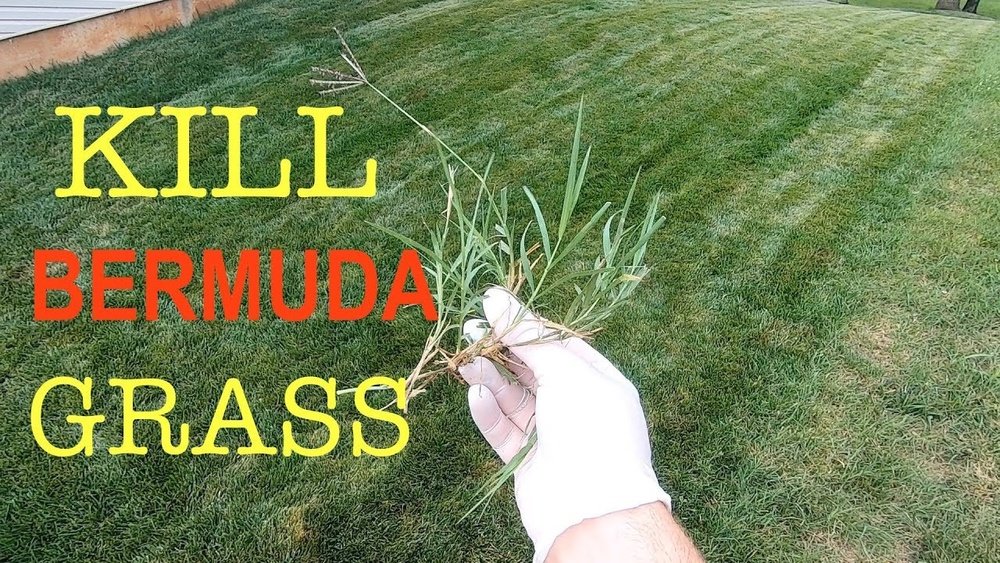
Are you struggling to get rid of stubborn Bermuda grass invading your beautiful fescue lawn? You’re not alone.
Bermuda grass spreads quickly and can take over if you don’t act fast. But don’t worry—there are effective ways to kill Bermuda grass without harming your fescue. You’ll discover simple, proven methods that will help you reclaim your lawn and keep it looking lush and healthy.
Keep reading to learn exactly what you need to do to say goodbye to Bermuda grass for good.
Identifying Bermuda Grass In Fescue Lawns
Identifying Bermuda grass in a fescue lawn is the first step to managing it. Bermuda grass can spread quickly and crowd out fescue. Knowing how to spot it helps you take action early. This section explains how to recognize Bermuda grass and how it differs from fescue.
Characteristics Of Bermuda Grass
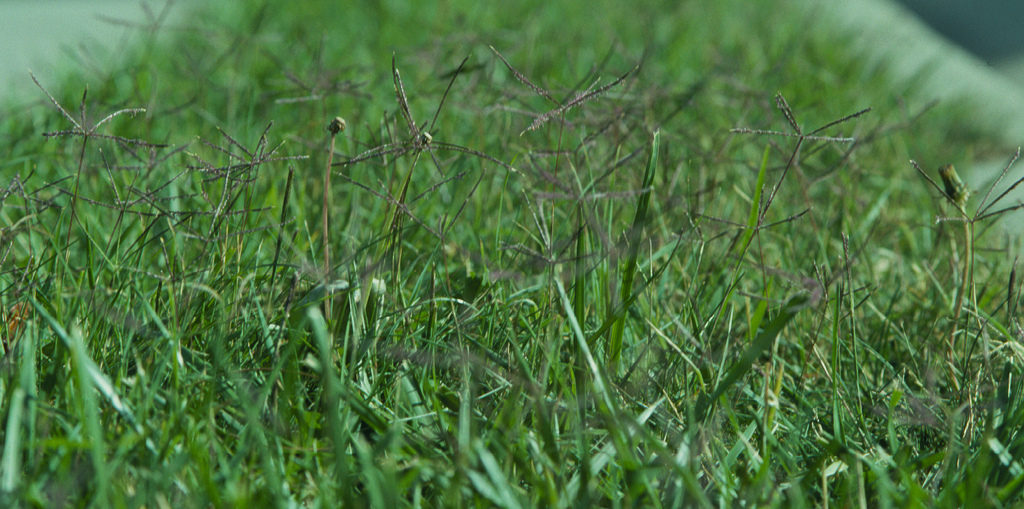
Bermuda grass has thin, wiry blades. Its color is usually bright green. The grass grows close to the ground and spreads through runners called stolons. These runners help it cover large areas fast. Bermuda grass feels rougher than fescue. It also forms dense patches that look different from the rest of the lawn. It thrives in warm weather and can survive drought better than fescue.
Differences Between Bermuda And Fescue
Fescue blades are wider and softer than Bermuda grass. Fescue has a blue-green color, while Bermuda is brighter green. Fescue grows upright and does not spread as fast. It prefers cooler weather and stays green longer in fall. Bermuda grass grows low and spreads out quickly. It can invade fescue lawns, especially in hot areas. Spotting these differences helps you identify unwanted Bermuda grass early.
Credit: www.youtube.com
Challenges Of Removing Bermuda Grass
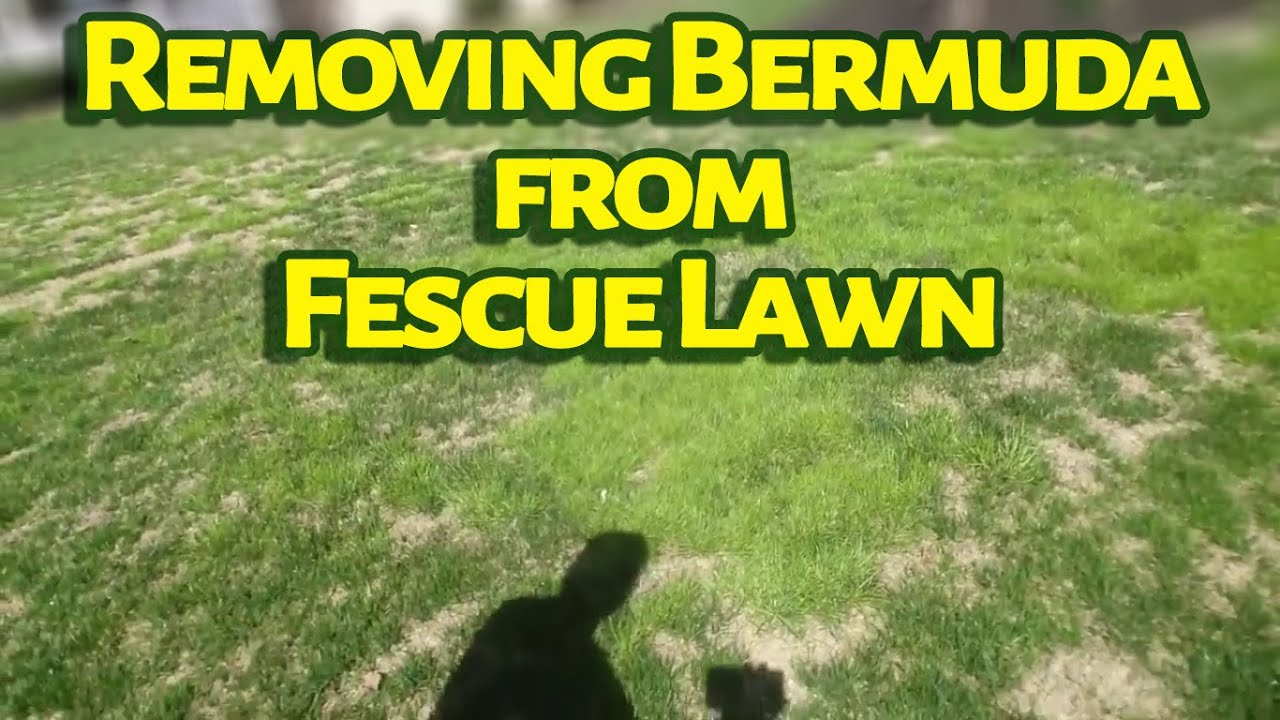
Removing Bermuda grass from a fescue lawn is tough. Bermuda grass grows fast and spreads easily. It can take over your fescue lawn if not handled carefully. Many gardeners find it hard to get rid of Bermuda grass without harming fescue. Understanding why it is difficult helps you plan better.
Growth Patterns And Resilience
Bermuda grass grows through underground stems called rhizomes. These rhizomes spread deep and wide. Even small pieces left in soil can grow new plants. The grass also grows above ground with runners called stolons. This makes it hard to remove completely. Bermuda grass can survive drought and heat better than fescue. It recovers quickly after cutting or herbicide use. This strong growth pattern makes removal a challenge.
Impact On Fescue Health
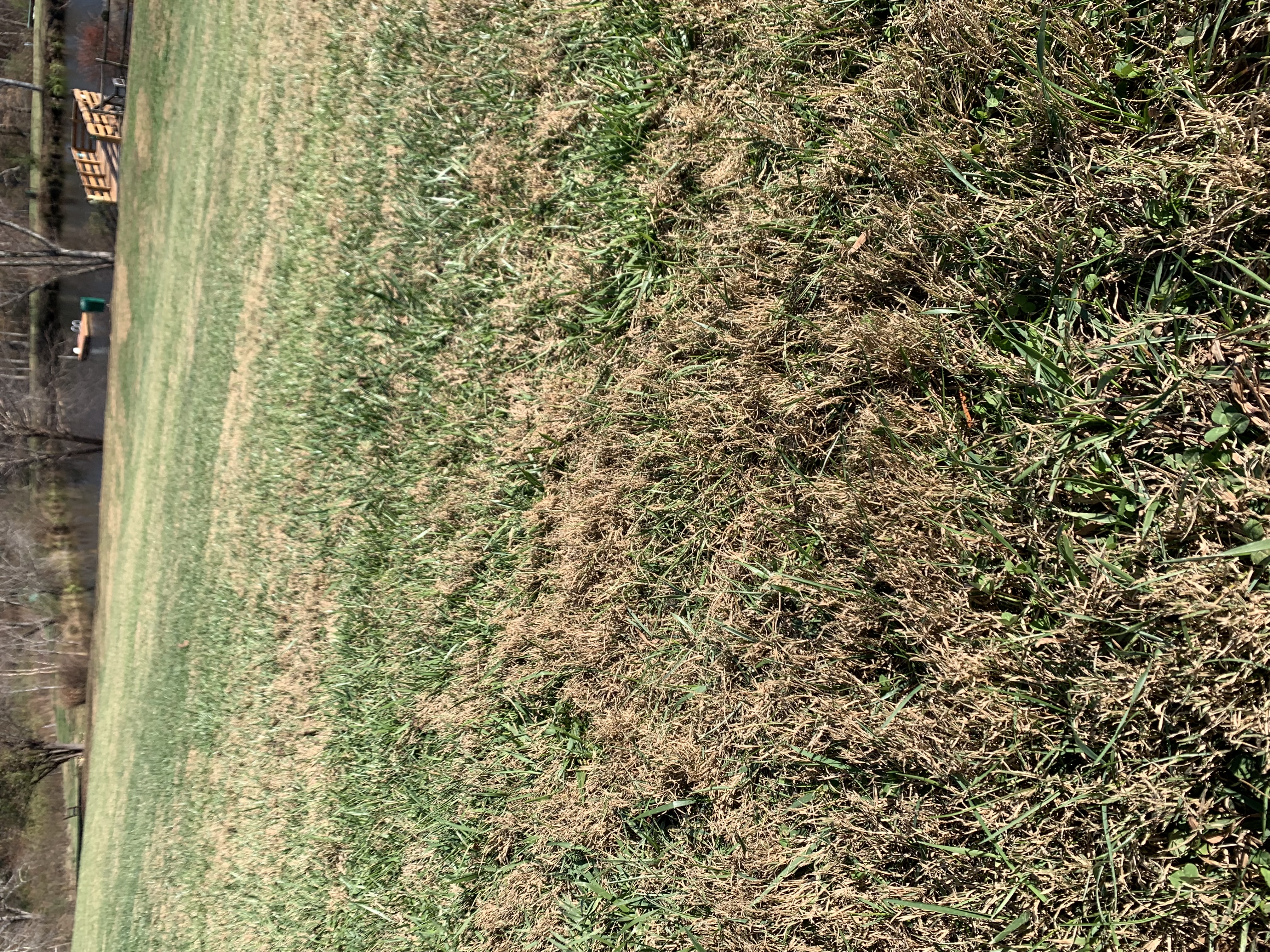
Bermuda grass competes with fescue for water and nutrients. It grows faster and uses more resources. This weakens fescue and slows its growth. Bermuda’s dense growth blocks sunlight from reaching fescue. Lack of sunlight can cause fescue to thin out. Over time, Bermuda grass can crowd out fescue. This reduces the lawn’s overall health and appearance.
Effective Herbicide Options
Choosing the right herbicide is key to removing Bermuda grass from fescue lawns. Effective herbicide options target Bermuda grass without harming your fescue. Using the correct product and method helps control stubborn weeds and protects your lawn’s health.
Selective Herbicides For Bermuda Grass
Selective herbicides kill Bermuda grass while leaving fescue unharmed. Products containing fluazifop, sethoxydim, or fenoxaprop are common choices. These herbicides work by targeting grassy weeds specifically. Always check the label to ensure the herbicide suits fescue lawns. Apply only the recommended amount to avoid damage.
Application Timing And Techniques
Apply herbicides when Bermuda grass is actively growing. Early morning or late afternoon works best to reduce evaporation. Spray evenly and avoid oversaturating the lawn. Repeat treatments may be needed to fully control Bermuda grass. Follow product instructions closely for timing and safety tips.
Non-chemical Control Methods
Controlling Bermuda grass in a fescue lawn without chemicals takes patience and effort. Non-chemical methods focus on physical and cultural ways to reduce Bermuda grass growth. These methods protect your fescue and limit Bermuda’s spread naturally.
Using these approaches helps maintain a healthy lawn while avoiding herbicides. Let’s explore some practical steps to manage Bermuda grass by hand and through lawn care habits.
Manual Removal Tips
Digging out Bermuda grass roots is key. Use a garden fork or spade to loosen soil around the grass clumps. Pull out all the roots and runners. Any leftover root may grow back.
Remove the grass when soil is moist. It makes pulling easier and less damaging to fescue. Dispose of the removed Bermuda grass far from your lawn. This prevents re-rooting in the same area.
Regularly check your lawn. Spot treat new Bermuda grass growth quickly before it spreads. Manual removal works best in small, isolated patches.
Cultural Practices To Suppress Bermuda Grass
Proper lawn care supports fescue’s strength to outcompete Bermuda grass. Mow your fescue at a height of 3 to 4 inches. Taller grass shades the soil and stops Bermuda seeds from sprouting.
Water deeply but less often. Deep watering encourages fescue roots to grow stronger. Bermuda grass prefers frequent, shallow watering.
Fertilize with nitrogen in early fall and spring. Healthy fescue grows thick and crowds out Bermuda grass runners. Aerate your lawn to improve soil health and root growth.
Thick, healthy fescue is the best natural barrier against Bermuda grass invasion. Consistent care makes a big difference.
Lawn Care After Bermuda Grass Removal
Removing Bermuda grass from a fescue lawn is only the first step. Proper lawn care after removal helps fescue thrive. It creates a strong, healthy lawn that resists weeds and pests. Careful attention supports new growth and repairs damage caused by Bermuda grass.
Focus on restoring the lawn’s health and preventing Bermuda grass from coming back. Follow simple steps to keep your lawn green and lush throughout the seasons.
Fescue Reseeding And Repair
After Bermuda grass removal, many bare spots may appear. Reseeding these areas helps fescue fill in quickly. Use a high-quality fescue seed that suits your climate. Spread the seed evenly over the damaged areas.
Water the lawn gently but regularly. Keep the soil moist until seeds sprout. Avoid heavy foot traffic on new seedlings. Fertilize with a balanced lawn fertilizer to support growth. Over time, the lawn will look thick and healthy again.
Maintenance To Prevent Regrowth
Preventing Bermuda grass from returning requires constant care. Mow fescue at the correct height, usually 3 to 4 inches. Mowing too short weakens the grass and encourages weeds.
Water deeply but less often to promote strong roots. Fertilize your lawn during the growing season to keep it healthy. Remove any Bermuda grass shoots immediately to stop spreading. Use a selective herbicide if needed, following product instructions carefully.
Regular lawn care keeps fescue strong and reduces the chance of Bermuda grass comeback. Healthy lawns crowd out weeds naturally.
Credit: henderson.ces.ncsu.edu
Credit: www.turffiles.ncsu.edu
Frequently Asked Questions
How Can I Safely Kill Bermuda Grass In Fescue Lawns?
Use a selective herbicide designed for Bermuda grass control. Apply during active growth. Follow label instructions carefully to avoid harming fescue. Spot treat affected areas for best results.
What Is The Best Herbicide For Bermuda Grass In Fescue?
Herbicides containing fenoxaprop or fluazifop are effective against Bermuda grass in fescue. They target grassy weeds without damaging fescue. Always check product labels for lawn compatibility.
When Is The Ideal Time To Treat Bermuda Grass In Fescue?
The best time is late spring to early summer when Bermuda grass is actively growing. Warm temperatures improve herbicide effectiveness. Avoid treatment during fescue dormancy or extreme heat.
How Often Should I Apply Herbicide To Control Bermuda Grass?
Apply herbicide once during peak Bermuda grass growth. Repeat treatment after 3 to 4 weeks if needed. Multiple applications may be necessary for full control.
Conclusion
Controlling Bermuda grass in a fescue lawn takes time and care. Use the right herbicide and follow the instructions closely. Water and mow your lawn properly to help fescue grow strong. Keep checking for new Bermuda grass shoots and remove them quickly.
Patience pays off with steady efforts. A healthy, green fescue lawn is possible with consistent work. Stay committed, and your lawn will improve over weeks. Small steps lead to big results in lawn care.
