
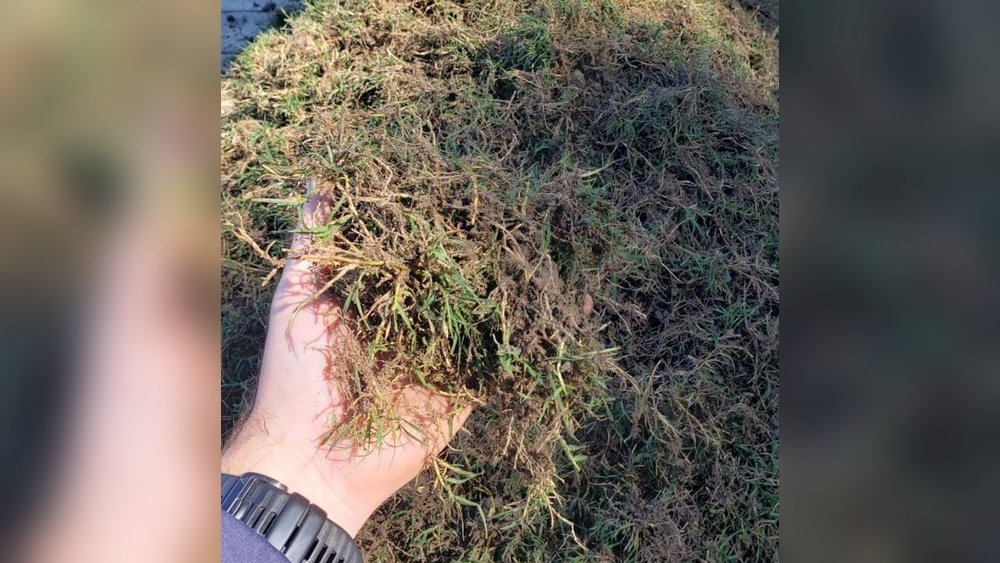
Are you looking to give your lawn a fresh, green boost? Sprigging Bermuda grass might be the perfect solution for you.
It’s a smart, cost-effective way to grow a thick, healthy lawn that can stand up to heat and heavy use. But how do you sprig Bermuda grass the right way to get the best results? Keep reading, and you’ll discover simple steps that make the process easy, even if you’re new to lawn care.
By the end, you’ll have the confidence to transform your yard into a lush, vibrant space you’ll love.
Credit: www.stma.org
Choosing The Right Time
Choosing the right time to sprig Bermuda grass is key for a healthy lawn. The timing affects how well the grass grows and spreads. Planting too early or too late can slow growth or cause failure. Knowing the best season and soil temperature helps you plan better. This section explains the best seasons for sprigging and the ideal soil temperature.
Best Seasons For Sprigging
Spring and early summer work best for sprigging Bermuda grass. The soil warms up, helping roots grow fast. Warm weather encourages strong sprout development. Avoid sprigging in cold months. The grass grows slowly or not at all. Fall can work but is less ideal. The plant may not fully establish before winter.
Soil Temperature Guidelines
Soil temperature must reach at least 65°F for sprigging. Cooler soil slows root growth and sprig take. Use a soil thermometer to check temperature. Measure soil 2 to 4 inches deep. Ideal soil temperature for Bermuda sprigs is 70°F to 85°F. Sprigging above 85°F can stress the plants. Keep soil moist to help sprigs grow strong.
Preparing Your Lawn
Preparing your lawn is the first step to sprig Bermuda grass successfully. It creates a healthy base for the grass to grow strong. Proper preparation helps the grass roots take hold quickly and spread evenly.
Take time to prepare well. This makes a big difference in how your lawn looks later. Follow these simple steps before planting your Bermuda grass sprigs.
Clearing Existing Vegetation
Remove all old grass, weeds, and plants from the area. Use a rake or a shovel to clear debris. This stops competition for nutrients and space. A clean surface lets the new grass sprigs root better.
Soil Testing And Amendments
Test your soil to check its pH and nutrient levels. You can buy a simple soil test kit or send a sample to a lab. Add lime to raise pH or sulfur to lower it, based on the test. Mix in fertilizer or compost to improve soil health.
Tilling The Soil
Loosen the soil using a tiller or garden fork. This breaks up hard soil and helps air reach the roots. Till about 4 to 6 inches deep for good root growth. Remove any rocks or large clumps as you till.
Selecting Quality Bermuda Sprigs
Selecting quality Bermuda sprigs is the first step to a healthy lawn. Healthy sprigs grow fast and cover the ground well. Poor-quality sprigs may not root or spread properly. Choosing the right sprigs helps save time and money. It also leads to a greener, thicker lawn.
Types Of Bermuda Grass Sprigs
Bermuda grass sprigs come in different forms. The most common types are stolon sprigs and rhizome sprigs. Stolon sprigs are above-ground runners. They spread quickly and root easily. Rhizome sprigs grow underground and help the lawn stay dense. Both types can create a strong Bermuda grass lawn. Some sprigs come as bare stems, while others are in small plugs. Choose sprigs based on your lawn size and planting method.
Where To Source Healthy Sprigs
Buy sprigs from local garden centers or nurseries. They usually have fresh, disease-free sprigs. Avoid sprigs with brown, dry, or moldy parts. Ask sellers about the sprig’s origin and health. Some farms specialize in Bermuda grass sprigs for lawns. These farms often provide high-quality sprigs at good prices. Online suppliers can be an option, but check reviews first. Healthy sprigs look green, moist, and full of roots. Always pick sprigs that suit your climate and soil type.
Credit: www.stma.org
Planting Techniques
Planting Bermuda grass sprigs requires careful attention to techniques for the best results. Proper planting helps the grass grow strong and spread quickly. This section explains key steps to plant Bermuda grass effectively.
Proper Depth And Spacing
Plant sprigs about 1 to 2 inches deep in the soil. Too deep planting can slow growth. Too shallow can dry out the sprigs. Space sprigs 6 to 12 inches apart. This gives enough room for roots to spread. Proper spacing helps the lawn fill in faster and look lush.
Using Hand Or Machine Methods
You can plant sprigs by hand or with a machine. Hand planting works well for small areas. Place sprigs in holes or trenches made with a tool. Machines speed up planting for large lawns. They cut small slots and drop sprigs evenly. Choose the method based on your lawn size and budget.
Watering After Planting
Water sprigs right after planting to keep soil moist. Moisture helps roots start growing quickly. Water daily for the first two weeks. Avoid soaking the soil to prevent rot. Gradually reduce watering as sprigs grow stronger. Proper watering is key to healthy Bermuda grass.
Care After Sprigging
After sprigging Bermuda grass, proper care is key for strong growth. The grass needs water, nutrients, and protection from weeds and pests. Follow a simple routine to help your lawn develop thick roots and green blades. Consistent care helps the sprigs grow fast and healthy.
Irrigation Schedules
Water the sprigs lightly every day for the first two weeks. Keep the soil moist but not soaked. After two weeks, water deeply twice a week. This encourages deep root growth. Avoid watering in the heat of the day. Early morning is best to reduce evaporation.
Fertilizing Tips
Apply a balanced fertilizer about three weeks after sprigging. Use a product with nitrogen, phosphorus, and potassium. Follow the label directions for amount and frequency. Too much fertilizer can harm new grass. Feed the lawn every six to eight weeks during growing season.
Weed And Pest Control
Check your lawn regularly for weeds and insects. Remove weeds by hand or use a safe herbicide. Avoid chemicals on very young grass. For pests, use natural or mild insecticides. Healthy grass can resist many pests on its own. Keep your lawn clean to reduce problems.

Credit: www.youtube.com
Troubleshooting Common Issues
Sprigging Bermuda grass can sometimes bring challenges. Knowing how to fix common problems helps your lawn grow healthy. This section covers common issues and easy solutions. Follow these tips to keep your Bermuda grass looking great.
Dealing With Poor Growth
Poor growth often means the grass is not getting enough nutrients. Test the soil to check for nutrient gaps. Use a balanced fertilizer designed for Bermuda grass. Water the lawn deeply but less often to encourage roots. Make sure the sprigs have good contact with soil. Thin or patchy areas may need re-sprigging. Avoid heavy foot traffic on new sprigs.
Handling Disease Problems
Bermuda grass can get diseases like leaf spot or dollar spot. Watch for brown or yellow patches on the lawn. Remove dead grass to stop disease spread. Use fungicides labeled for Bermuda grass if needed. Keep the lawn well-watered but avoid overwatering. Mow regularly but not too short. Good air flow helps reduce disease risk.
Addressing Soil Compaction
Soil compaction stops roots from growing well. Test by pushing a screwdriver into the soil; hard soil means compaction. Aerate the lawn using a core aerator to loosen soil. Avoid heavy machinery on the grass. Add organic matter like compost to improve soil texture. Healthy soil lets Bermuda grass roots grow deep and strong.
Maintaining A Healthy Lawn
Maintaining a healthy Bermuda grass lawn requires regular care and attention. Proper maintenance helps the grass grow thick and green. It also keeps weeds and pests away. Simple steps can make a big difference in the lawn’s appearance and health.
Mowing Best Practices
Set your mower blade to 1 to 2 inches for Bermuda grass. Cut the grass often, about once a week. Avoid cutting more than one-third of the grass height at a time. Use a sharp blade to make clean cuts. This prevents damage to the grass and helps it recover faster.
Seasonal Lawn Care
Water the lawn deeply but less often to encourage strong roots. Fertilize in spring and summer with nitrogen-rich fertilizer. Remove dead grass and debris in early spring. Aerate the soil to improve air and water flow. Adjust care routines as the seasons change to keep the lawn healthy.
Long-term Lawn Health Strategies
Test soil every few years to check pH and nutrients. Add lime or sulfur to balance soil if needed. Control weeds early before they spread. Overseed thin areas in late spring or early summer. Keep foot traffic low to avoid compacting soil. These steps support a strong, lasting lawn.
Frequently Asked Questions
What Is The Best Time To Sprig Bermuda Grass?
The best time to sprig Bermuda grass is late spring to early summer. Soil temperatures should be above 65°F for optimal root growth. This timing ensures quick establishment and healthy turf development during warm months.
How Do You Prepare Soil Before Sprigging Bermuda Grass?
Prepare soil by tilling to loosen it and removing debris. Ensure soil pH is between 6. 0 and 7. 0. Adding organic matter improves fertility. Level the surface for even sprig planting and better root contact.
How Deep Should Bermuda Grass Sprigs Be Planted?
Plant Bermuda grass sprigs about 1 to 2 inches deep. This depth ensures good soil contact while preventing sprigs from drying out. Proper planting depth helps roots establish quickly and promotes healthy growth.
How Often Should You Water Bermuda Grass Sprigs?
Water newly sprigged Bermuda grass daily for the first two weeks. Keep soil consistently moist but not waterlogged. After establishment, reduce watering frequency to encourage deeper root growth and drought tolerance.
Conclusion
Sprigging Bermuda grass is a simple way to grow a healthy lawn. Start with good soil and fresh sprigs. Water the grass regularly to help it grow fast. Keep the area free from weeds and watch your lawn fill in.
With some care and patience, your Bermuda grass will become thick and green. This method saves money and gives you a natural, beautiful yard. Try sprigging this season for a fresh, green lawn you will enjoy.
