
If you’ve ever wondered how Bermuda grass takes over your lawn so quickly, you’re not alone. Understanding how this tough, fast-growing grass spreads can help you control it better or grow it where you want.
Whether you’re trying to create a lush, green yard or keep your garden tidy, knowing the secrets behind Bermuda grass’s growth will give you an edge. Keep reading to discover how Bermuda grass spreads and what that means for your lawn care routine.
Bermuda Grass Growth Basics
Bermuda grass is a popular warm-season grass known for its fast growth and tough nature. It spreads quickly and covers large areas. Understanding its growth basics helps in managing and maintaining a healthy lawn.
This grass grows by sending out runners and underground stems. These allow it to fill in bare spots and form a dense turf. Knowing the types and the best conditions for growth will help you get the best results.
Types Of Bermuda Grass
Several types of Bermuda grass exist, each with unique features. Common Bermuda is coarse and grows fast. Hybrid Bermuda is finer and more durable. It is often used on sports fields. There are also seeded and sod varieties. Choosing the right type depends on your lawn needs and climate.
Ideal Growing Conditions
Bermuda grass thrives in warm temperatures above 75°F. It needs full sun for at least six to eight hours daily. Well-drained soil with a pH between 5.8 and 7.0 is best. This grass handles drought well but grows best with regular watering. Avoid shade and poor soil to keep it healthy and green.
Methods Of Spreading
Bermuda grass spreads through different natural methods. These methods help it cover ground quickly and grow dense. Understanding these ways can help you manage your lawn better. Below are the main methods Bermuda grass uses to spread.
Stolons And Rhizomes
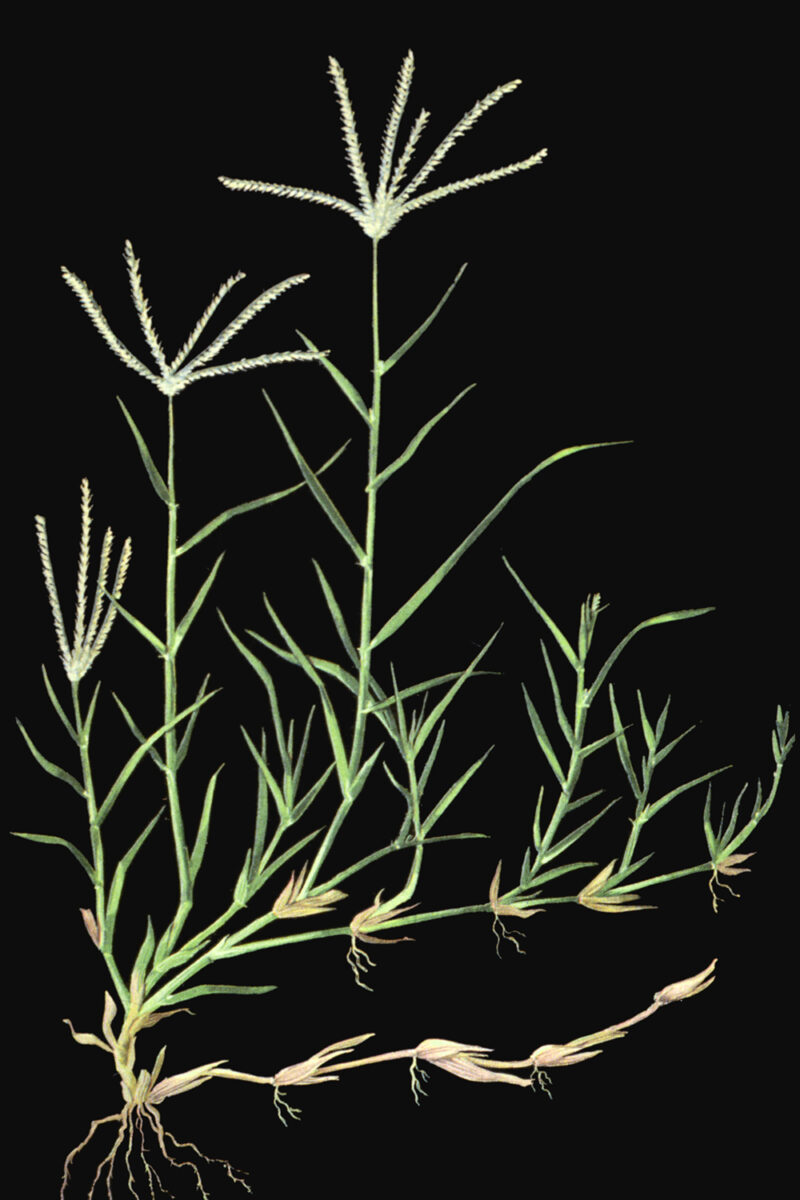
Bermuda grass spreads mainly by stolons and rhizomes. Stolons are above-ground stems that grow horizontally. They root at nodes and form new plants. Rhizomes are similar but grow underground. These underground stems also produce new shoots. Together, stolons and rhizomes help the grass fill empty spaces fast. They make Bermuda grass tough and hard to kill.
Seed Propagation
Bermuda grass can also spread through seeds. The grass produces small seeds that fall to the ground. These seeds grow into new plants under the right conditions. Seed propagation is slower than stolons and rhizomes but still important. It helps Bermuda grass spread over larger areas. Seeds also allow the grass to grow in new places far from the original patch.
Factors Influencing Spread
Bermuda grass spreads through runners and seeds, but its growth depends on many factors. These factors affect how fast and wide the grass will grow. Knowing them helps maintain a healthy lawn with strong coverage.
Soil Quality
Good soil is key for Bermuda grass to spread well. The soil should drain water but keep some moisture. Sandy or loamy soils work best. Poor soil slows down growth and stops roots from spreading. Adding organic matter can improve soil and help grass thrive.
Temperature And Climate
Bermuda grass loves warm weather. It grows fastest between 75°F and 95°F. Cold temperatures slow its spread and can even stop it. This grass does well in sunny areas and dry climates. Frost or long cold spells damage runners and reduce growth.
Watering Practices
Water helps Bermuda grass spread by supporting root growth. It needs about 1 inch of water weekly. Too much water causes disease and weak roots. Too little water stops runners from growing. Water deeply but less often to encourage strong roots.

Credit: theturfgrassgroup.com
Techniques For Faster Lawn Growth
Growing Bermuda grass fast needs care and the right methods. Proper techniques help the grass spread quickly and stay healthy. These simple steps improve growth and make your lawn green and thick.
Proper Mowing Strategies
Mow Bermuda grass often but not too short. Keep the height around 1 to 2 inches. Cutting too low harms the roots and slows growth. Use sharp mower blades to make clean cuts. Mowing regularly helps grass grow thicker and stops weeds.
Fertilization Tips
Feed your lawn with nitrogen-rich fertilizer. Apply fertilizer every 6 to 8 weeks during the growing season. Follow the package instructions to avoid overfeeding. Proper fertilization boosts the grass’s energy to spread and grow fast.
Aeration And Thatching
Aerate the soil to let air, water, and nutrients reach the roots. Do this once or twice a year. Remove thatch build-up to prevent disease and improve growth. Thatching stops water and nutrients from reaching the soil. Aeration and dethatching keep your lawn healthy and help Bermuda grass spread faster.
Common Challenges And Solutions
Bermuda grass spreads quickly and covers large areas. This fast growth can face problems. Common challenges include pests, weeds, and drought. These issues affect the grass’s health and look. Knowing solutions helps keep Bermuda grass strong and green.
Pest And Disease Control
Pests like grubs and armyworms eat Bermuda grass roots and leaves. These bugs weaken the grass and cause brown patches. Diseases such as leaf spot and dollar spot also harm the lawn. Use insecticides carefully to stop pests. Apply fungicides to control diseases early. Regularly check the lawn for any signs of damage. Healthy grass fights pests and disease better.
Weed Management
Weeds compete with Bermuda grass for water and nutrients. Common weeds include crabgrass and clover. They make the lawn look messy and weak. Pull weeds by hand or use herbicides made for Bermuda grass. Mow the lawn often to stop weed seeds from spreading. Thick, healthy grass blocks weeds from growing. Good weed control keeps Bermuda grass thick and green.
Dealing With Drought Stress
Bermuda grass needs water to stay green and grow. Lack of water causes the grass to turn brown and thin. Water deeply but less often to encourage strong roots. Water early in the morning to reduce evaporation. Mulch around the grass to keep moisture in the soil. Avoid walking on dry grass to prevent damage. Proper watering helps Bermuda grass survive dry spells.
Credit: www.sare.org
Maintaining A Healthy Bermuda Lawn
Maintaining a healthy Bermuda lawn takes regular care and attention. This grass spreads quickly but needs the right conditions to stay green and strong. Proper maintenance helps the lawn resist weeds, pests, and diseases. It also keeps the grass thick and soft underfoot.
Seasonal Care
Bermuda grass grows best in warm weather. In spring, start by mowing the lawn regularly. Keep the grass height at about 1 to 2 inches. Water the lawn deeply but less often to encourage strong roots. Fertilize with a balanced lawn fertilizer to support growth.
During summer, watch for signs of drought stress. Water early in the morning to reduce evaporation. Avoid cutting the grass too short. In fall, reduce watering gradually. Stop fertilizing as the grass prepares for dormancy. Remove leaves and debris to keep the lawn clean.
Winter requires less care because Bermuda grass goes dormant. Avoid heavy foot traffic to prevent damage. Clear any fallen leaves to stop mold and fungus.
Long-term Lawn Health
Good soil is key to a healthy Bermuda lawn. Test soil pH and adjust it to 5.8 to 7.0. Aerate the lawn yearly to improve air and water flow. Overseed thin areas with Bermuda grass seed to keep it dense.
Control weeds by pulling them out early. Use herbicides only if necessary and follow instructions carefully. Keep an eye out for pests like grubs and treat them promptly. Regular maintenance extends the life of your lawn and boosts its natural spread.

Credit: bethelfarms.com
Frequently Asked Questions
How Does Bermuda Grass Primarily Spread?
Bermuda grass mainly spreads through stolons and rhizomes. Stolons grow above ground, while rhizomes grow underground. Both allow the grass to cover large areas quickly and form dense mats, making it an aggressive and fast-growing turfgrass species.
Can Bermuda Grass Spread By Seeds?
Yes, Bermuda grass can spread by seeds. However, seed propagation is slower compared to stolons and rhizomes. Seeds are often used for establishing new lawns, but vegetative growth methods are preferred for quicker coverage and stronger turf.
How Fast Does Bermuda Grass Spread?
Bermuda grass spreads rapidly due to its aggressive stolons and rhizomes. Under optimal conditions, it can cover a lawn within weeks. Warm temperatures and proper watering accelerate its growth and spreading ability.
Does Mowing Affect Bermuda Grass Spreading?
Yes, regular mowing encourages Bermuda grass to spread. Mowing stimulates growth by promoting lateral shoots and thickening the turf. Keeping the grass at recommended heights supports healthy stolon and rhizome development.
Conclusion
Bermuda grass spreads fast through runners and seeds. It grows well in warm climates and sunny areas. You can control its growth by mowing and watering properly. This grass is tough and recovers quickly from damage. Understanding how it spreads helps keep your lawn healthy.
Try to manage it carefully to avoid unwanted spread. Growing Bermuda grass can improve your yard’s look and feel. Small efforts can make a big difference over time. Keep watching your lawn and take action when needed.
