
Have you ever wondered what makes Zoysia grass such a popular choice for lawns? If you’re looking for a lush, green yard that stays healthy with less effort, understanding how Zoysia grass grows is key.
Knowing this can help you create a lawn that looks great all year round. You’ll discover the secrets behind Zoysia’s growth, how to care for it, and tips to make your grass thrive. Keep reading to unlock the full potential of your lawn!
Credit: www.pennington.com
Zoysia Grass Basics
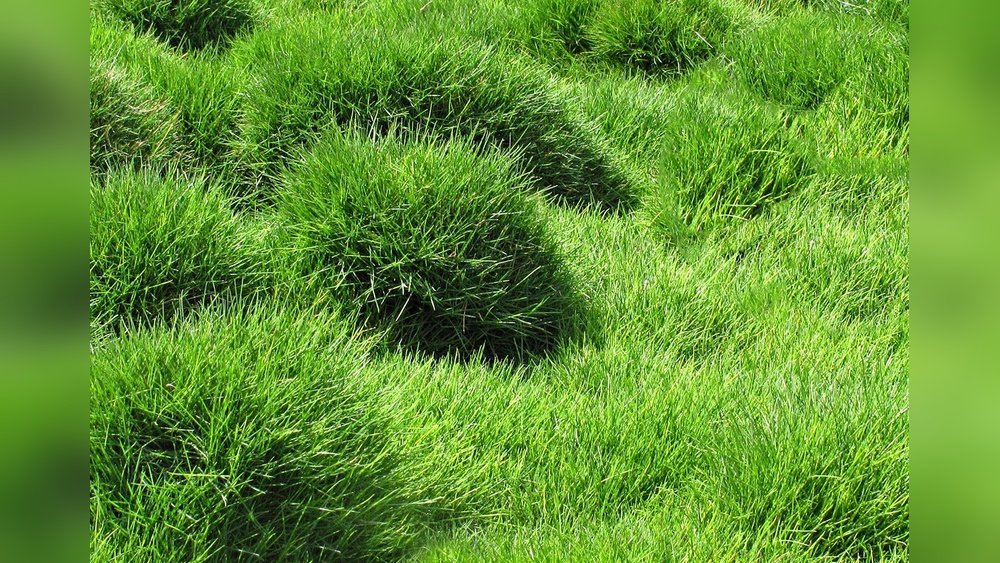
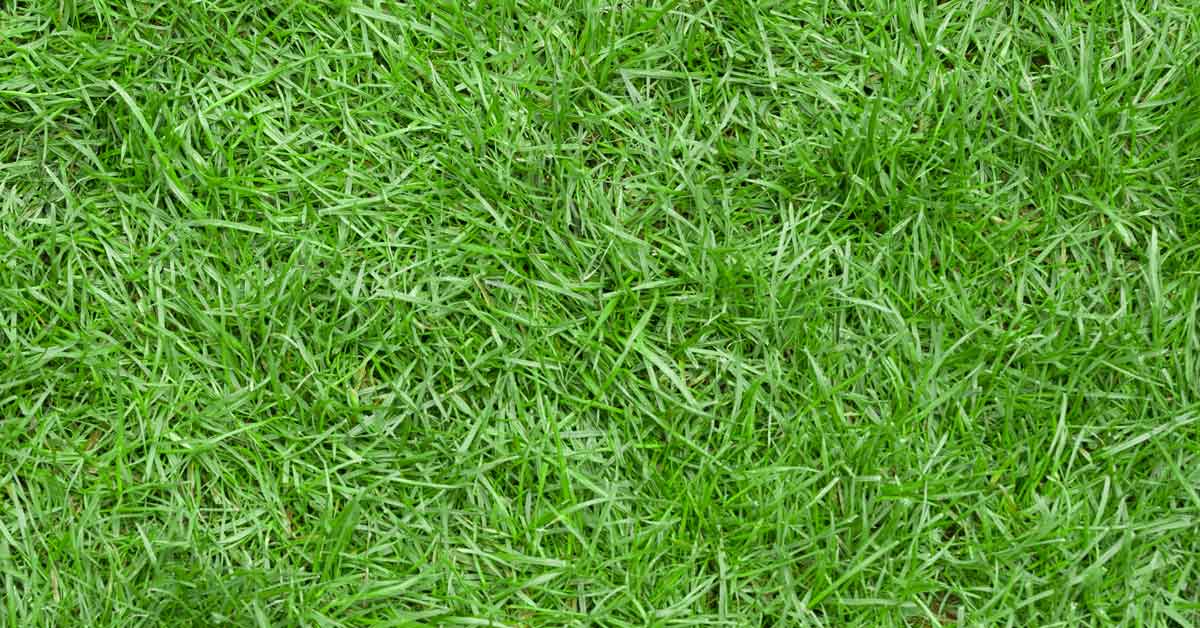
Zoysia grass is a popular choice for lawns due to its thick, green appearance and durability. It grows slowly but forms a dense carpet that resists weeds well. Understanding the basics of Zoysia grass helps in maintaining a healthy lawn.
Types Of Zoysia Grass
There are several types of Zoysia grass. Common types include Zoysia japonica, Zoysia matrella, and Zoysia tenuifolia. Each type differs in texture and color. Zoysia japonica is coarse and grows fast. Zoysia matrella is finer and more shade-tolerant. Zoysia tenuifolia has a soft, carpet-like feel. Choosing the right type depends on your lawn needs.
Growth Characteristics
Zoysia grass spreads through both stolons and rhizomes. Stolons are above-ground runners, while rhizomes grow underground. This growth pattern helps Zoysia fill in bare spots quickly. It grows slowly at first but becomes thick over time. The grass tolerates foot traffic well. It also goes dormant in cold weather, turning brown until warmer temperatures return.
Ideal Climate And Soil
Zoysia grass thrives in warm, sunny climates. It grows best in temperatures between 75°F and 85°F. The grass tolerates heat and drought better than many other types. It prefers well-drained soil with a pH between 5.5 and 6.5. Zoysia can grow in sandy or clay soils but needs good drainage. Too much shade or wet soil can harm its growth.
Planting Zoysia Grass
Zoysia grass is a popular lawn choice because it grows thick and handles heat well. Planting it properly helps create a strong, green lawn that lasts. Understanding how to plant zoysia grass is key for good growth.
Seeding Vs. Sodding
You can start zoysia grass by seeding or sodding. Seeding is cheaper but takes longer to fill the yard. Sodding gives instant green but costs more. Both methods need care and water to grow well.
Best Planting Time
Plant zoysia grass in late spring or early summer. The soil should be warm, above 65°F (18°C). Warm soil helps seeds or sod take root faster. Avoid planting in cold or dry seasons.
Preparing The Soil
Clear the area from weeds, rocks, and old grass. Loosen the soil with a rake or tiller. Add compost or fertilizer to improve soil health. Smooth the surface before spreading seeds or laying sod.
Watering Techniques
Watering plays a key role in the growth of Zoysia grass. Proper watering helps roots grow strong and keeps the grass green. Watering needs change as the grass grows. Understanding the right watering methods ensures healthy, thick grass.
Initial Watering Needs
Newly planted Zoysia grass needs frequent watering. Water the soil daily to keep it moist but not wet. This helps seeds or plugs start growing roots. Avoid letting the soil dry out during this stage. Light watering several times a day works best.
Maintaining Moisture Levels
Once Zoysia grass is established, reduce watering frequency. Water deeply to encourage roots to grow down. Usually, watering two to three times a week is enough. Check the soil moisture by feeling it. The soil should be damp but not soggy.
Avoiding Overwatering
Too much water can harm Zoysia grass roots. Overwatering causes weak roots and disease. Watch for puddles or very wet soil. Stop watering if the ground stays wet. Let the soil dry slightly between watering sessions.
Sunlight And Temperature
Zoysia grass thrives best under certain sunlight and temperature conditions. These factors affect its growth speed, color, and health. Understanding sunlight and temperature needs helps keep your lawn green and strong all year.
Optimal Sun Exposure
Zoysia grass grows best with plenty of sunlight. It needs at least 6 to 8 hours of direct sun each day. Sunlight helps the grass produce food through photosynthesis. Without enough sun, the grass grows thin and weak. Full sun also keeps the lawn dry and prevents diseases.
Temperature Tolerance
Zoysia grass prefers warm temperatures. It grows fastest between 75°F and 95°F (24°C to 35°C). The grass can survive heat well but slows down if it gets too hot. In cold weather, Zoysia goes dormant and turns brown. It recovers when temperatures rise again.
Dealing With Shade
Zoysia grass can handle some shade but not heavy shade. It grows thinner in shaded areas and may develop weeds. Try to plant Zoysia in spots with at least 4 hours of sunlight. For shaded areas, consider mixing with shade-tolerant grasses. Regular trimming of trees can also increase light.
Fertilizing Zoysia
Fertilizing Zoysia grass helps it grow thick and green. The right fertilizer gives the lawn needed nutrients. Regular feeding supports strong roots and healthy blades. Knowing how and when to fertilize improves lawn health.
Choosing The Right Fertilizer
Pick a fertilizer with balanced nutrients for Zoysia. Look for N-P-K values like 3-1-2 or 4-1-2. Nitrogen is most important for green color and growth. Phosphorus helps root growth but use less of it. Potassium boosts disease resistance and drought tolerance.
Slow-release fertilizers work best. They provide nutrients over weeks. Avoid fertilizers high in nitrogen only. They can cause fast growth but weak roots.
Fertilizing Schedule
Feed Zoysia grass mainly in spring and summer. Start fertilizing after the grass fully greens up. Apply fertilizer every 6 to 8 weeks during the growing season. Stop fertilizing in fall to let the grass rest. Use less fertilizer in cooler weather.
Follow package instructions for amounts. Too much fertilizer can harm the lawn. Water the lawn after fertilizing to help nutrients soak in.
Common Nutrient Deficiencies
Yellow or pale grass often means nitrogen deficiency. Brown spots or weak growth may show potassium lack. Poor root growth can indicate low phosphorus.
Test your soil if you see these signs. Correct deficiencies by choosing fertilizers with needed nutrients. Healthy Zoysia shows dark green color and thick blades.
Mowing Tips
Mowing is a key part of caring for Zoysia grass. Proper mowing helps the grass grow thick and healthy. It also keeps your lawn looking neat and green. Knowing the right height and how often to mow can make a big difference. Avoid mowing mistakes that can stress the grass. Here are some simple tips to mow Zoysia grass the right way.
Ideal Mowing Height
Keep Zoysia grass at a height of 1 to 2 inches. This height lets the grass grow strong roots. Cutting too short can hurt the grass and cause brown spots. Taller grass shades the soil and keeps it cool. This helps the grass stay green in hot weather.
Mowing Frequency
Mow Zoysia grass every 7 to 10 days during the growing season. Regular mowing stops the grass from getting too tall. Cutting little by little is better than cutting a lot at once. In slow growth periods, mow less often. Watch the grass and adjust mowing as needed.
Preventing Lawn Stress
Use a sharp mower blade for clean cuts. Dull blades tear grass and cause stress. Avoid cutting more than one-third of the grass height at once. Water the lawn after mowing, especially in dry weather. Mow during cooler parts of the day to reduce stress. These steps keep Zoysia grass healthy and green.
Controlling Weeds And Pests
Controlling weeds and pests is key to a healthy Zoysia lawn. Weeds compete with grass for water and nutrients. Pests can damage grass blades and roots. Managing both helps Zoysia grass grow thick and green. Early detection and prompt action reduce lawn problems.
Common Weeds In Zoysia Lawns
Crabgrass often invades thin spots in Zoysia lawns. Dandelions grow quickly and spread seeds by wind. Clover appears in low-fertility soils and can crowd grass. Nutsedge looks like grass but grows faster and taller. These weeds reduce the beauty and health of Zoysia grass.
Effective Weed Control Methods
Hand-pulling weeds works well for small patches. Using pre-emergent herbicides stops weed seeds from sprouting. Post-emergent herbicides kill visible weeds without harming Zoysia. Mowing regularly keeps weeds from flowering and spreading seeds. Proper watering and fertilizing help Zoysia outgrow weeds naturally.
Pest Identification And Management
Grubs feed on grass roots, causing brown patches. Chinch bugs suck sap and weaken grass blades. Sod webworms chew leaves and create thin spots. Spotting pest damage early prevents lawn loss. Use insecticides carefully to target pests only. Encourage natural predators like birds to control pests safely.
Dealing With Lawn Problems
Dealing with lawn problems is a key part of growing healthy Zoysia grass. This grass is tough but still faces issues like brown spots and thinning. Understanding how to spot and fix these problems keeps your lawn green and strong. Regular care helps prevent diseases and repairs damaged areas fast.
Brown Spots And Thinning
Brown spots often appear from dry patches or pests. Thin grass happens when Zoysia does not spread well. Water the lawn deeply but not too often. Check for insects that eat grass roots. Mow the lawn at the right height to avoid stress.
Disease Prevention
Zoysia grass can get fungal diseases if it stays wet too long. Avoid overwatering to stop fungus growth. Good air flow helps dry the grass quickly. Remove thatch to let water and air reach roots. Use fungicides only if needed and follow instructions carefully.
Repairing Damaged Areas
Fix bare spots by planting new Zoysia plugs or sprigs. Keep the soil moist until new grass grows. Avoid heavy foot traffic on repaired areas. Fertilize gently to help grass grow strong. Regular care makes your lawn look full and healthy again.
Seasonal Care Tips
Zoysia grass needs care that changes with the seasons. Each season has special steps to keep the lawn healthy and green. Following simple seasonal tips helps the grass grow thick and strong. This guide explains how to care for Zoysia in spring, summer, fall, and winter.
Spring Lawn Preparation
Spring is the time to wake up your Zoysia grass. Start by removing dead leaves and debris. This clears the lawn and lets sunlight reach the grass. Aerate the soil to improve air and water flow to roots. Apply a slow-release fertilizer to feed the grass as it grows. Mow the lawn to a height of about 1 to 2 inches. This encourages new growth and a neat appearance.
Summer Maintenance
Summer heat can stress Zoysia grass. Water the lawn deeply but less often. Aim for about 1 inch of water weekly. Mow regularly to keep grass at 2 inches tall. This height helps the grass stay cool. Watch for weeds and remove them quickly. Avoid heavy foot traffic on the lawn during hot days. This prevents damage and thinning.
Fall And Winter Care
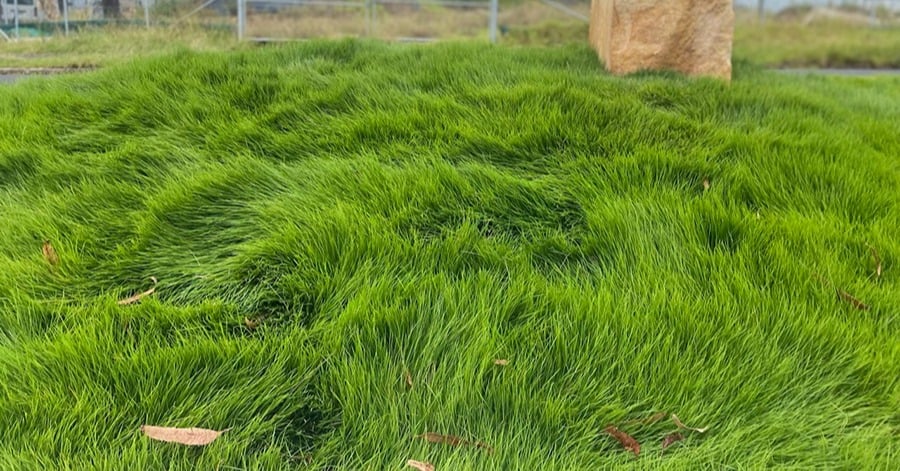
Fall helps Zoysia prepare for winter rest. Lower the mower height slightly to around 1 inch. Rake fallen leaves to avoid mold and diseases. Apply a light fertilizer to strengthen roots. Stop watering as often when temperatures drop. In winter, keep foot traffic low to avoid soil compaction. Zoysia goes dormant but will green up again in spring.
Credit: info.supersod.com

Credit: www.zoysiaplug.com
Frequently Asked Questions
How Fast Does Zoysia Grass Grow Annually?
Zoysia grass grows moderately, spreading 1 to 2 feet per year. Growth depends on climate, soil, and care. It establishes fully in 1 to 3 seasons with proper maintenance and watering.
What Conditions Promote Healthy Zoysia Grass Growth?
Zoysia grass thrives in warm climates with well-drained soil. It prefers full sun but tolerates partial shade. Regular watering and fertilizing improve its density and color, promoting healthy growth.
How Does Zoysia Grass Spread And Fill Lawns?
Zoysia grass spreads via stolons and rhizomes, creating dense mats. This horizontal growth allows it to fill bare spots and outcompete weeds effectively over time.
When Is The Best Time To Plant Zoysia Grass?
The best time to plant Zoysia grass is late spring to early summer. Warm soil temperatures above 70°F ensure faster germination and root development for optimal growth.
Conclusion
Zoysia grass grows slowly but creates a thick, green lawn. It spreads through runners and roots, filling spaces well. This grass prefers warm weather and needs moderate water. It resists weeds and tolerates some shade. Regular mowing helps keep it healthy and neat.
Patience is key for a lush Zoysia lawn. Careful watering and sunlight will help it thrive. A strong, green lawn is worth the effort. Zoysia grass offers beauty and durability for your yard.
