
Are you ready to transform your lawn with vibrant, green Bermuda grass? One of the first questions on your mind might be, “How fast does Bermuda grass grow from seed?” Knowing the answer can help you plan your lawn care, set expectations, and get the best results.
You’ll discover the growth timeline of Bermuda grass from seed and learn simple tips to speed up the process. Keep reading to find out how soon you can enjoy a lush, healthy lawn that stands out in your neighborhood.
Bermuda Grass Growth Timeline
The Bermuda grass growth timeline shows how the grass changes from seed to a thick lawn. Knowing this timeline helps you plan your care and watering. The grass grows in clear stages, each needing different attention. Understanding these steps makes growing Bermuda grass easier and more successful.
Germination Period
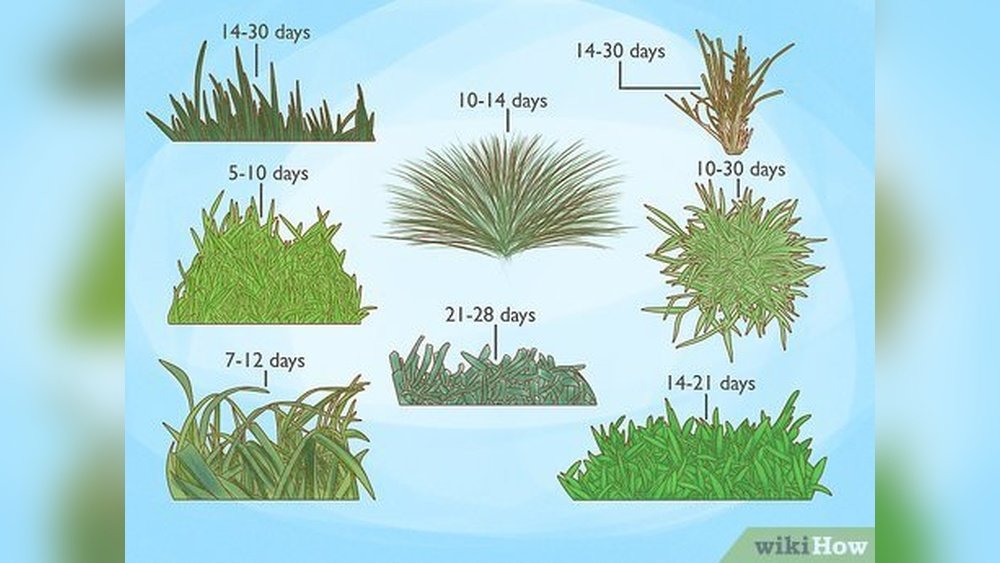
Bermuda grass seeds start to sprout in about 7 to 14 days. Warm soil speeds up germination. The soil temperature should be around 65 to 70 degrees Fahrenheit. Keep the soil moist but not soaked. Seeds need water to start growing roots and shoots. Avoid letting the soil dry out during this time.
Seedling Development
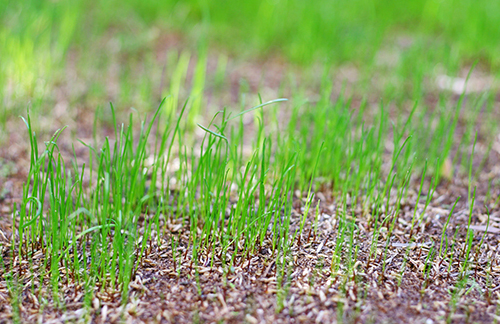
After germination, tiny seedlings emerge above the soil. This stage lasts 2 to 3 weeks. Seedlings grow slowly and need gentle care. Water lightly but often to keep soil damp. Avoid walking on the young grass. Seedlings develop roots and blades during this phase. Proper sunlight and water help seedlings become strong.
Establishment Phase
Once seedlings grow, they enter the establishment phase. This phase lasts 4 to 8 weeks. Grass spreads and thickens, covering bare spots. Roots grow deeper, making grass stronger. Mow the grass when it reaches about 2 inches tall. Keep watering regularly but reduce frequency slowly. Healthy care during establishment builds a dense lawn.

Credit: www.youtube.com
Factors Affecting Growth Rate
Several factors affect the growth rate of Bermuda grass from seed. Understanding these helps you achieve a healthy lawn faster. Growth depends on the environment and care given to the grass.
Soil Conditions
Bermuda grass grows best in well-drained soil with good fertility. Sandy loam soils are ideal because they drain water well. Poor soil slows seed germination and root growth. Testing soil pH helps; Bermuda grass prefers a pH between 5.8 and 7.0. Adding organic matter improves soil structure and nutrients.
Temperature And Climate
Warm temperatures speed up Bermuda grass growth. The best range is between 75°F and 95°F (24°C to 35°C). Cooler weather slows seed germination and growth. Bermuda grass thrives in sunny, warm climates. Frost or cold nights can delay growth or damage young grass.
Watering Practices
Consistent moisture is crucial during seed germination. Water lightly but often to keep the soil moist. Overwatering causes seed rot and disease. After germination, reduce watering frequency but increase depth. Deep watering encourages strong root development.
Sunlight Exposure
Bermuda grass needs full sunlight for at least six hours daily. Shade reduces growth speed and grass density. Lack of sunlight causes thin, weak grass. Plant seeds in open areas to ensure proper sunlight. Good light helps photosynthesis and healthy growth.
Planting Tips For Faster Growth
Planting Bermuda grass seed correctly helps it grow faster and stronger. Following simple steps improves seed germination and establishes a healthy lawn. Proper care at the start saves time and effort later.
Seed Preparation
Start with fresh, high-quality Bermuda grass seed. Check the seed packet for the best planting season. Soak the seeds in water for 12 to 24 hours before planting. This softens the seed coat and speeds up germination. Avoid using old or damaged seeds as they may not sprout well.
Optimal Sowing Techniques
Prepare the soil by removing rocks, weeds, and debris. Loosen the top 1 to 2 inches of soil for better seed contact. Spread seeds evenly over the area using a seed spreader or by hand. Lightly rake the soil to cover seeds with a thin layer of soil. Press the soil gently to ensure good seed-to-soil contact. Water the area lightly but thoroughly after planting.
Fertilization Strategies
Apply a starter fertilizer rich in phosphorus at planting time. Phosphorus helps roots grow strong and supports faster seedling development. Avoid too much nitrogen early on, as it can harm young grass. Follow fertilizer instructions carefully for best results. Reapply fertilizer after 4 to 6 weeks to maintain healthy growth.
Common Growth Challenges
Bermuda grass is popular for its quick growth and durability. Still, growing it from seed has common challenges. These challenges can slow growth or harm young plants. Knowing these problems helps gardeners care better for their grass. Here are the main issues to watch out for.
Pests And Diseases
Pests like armyworms and grubs eat Bermuda grass leaves and roots. This damage weakens grass and slows growth. Diseases such as leaf spot or dollar spot cause brown patches. These fungal infections spread quickly in warm, wet conditions. Early detection and proper care reduce pest and disease harm.
Weed Competition
Weeds compete with Bermuda grass for water, light, and nutrients. This competition stunts grass growth and makes the lawn look uneven. Common weeds include crabgrass and dandelions. Removing weeds early and using mulch can protect young Bermuda grass seedlings.
Environmental Stresses
Extreme heat, drought, or heavy rain affect Bermuda grass growth. Drought causes the grass to dry and turn brown. Too much water leads to root rot and fungal problems. Poor soil quality and compacted soil also slow growth. Watering properly and improving soil helps grass grow strong.
Maintenance For Healthy Growth
Maintaining Bermuda grass after planting seeds is key for strong growth. Good care helps grass grow thick and green. It also stops weeds and disease from spreading. Focus on mowing, watering, and soil health. These steps keep your lawn healthy and beautiful.
Mowing Guidelines
Cut Bermuda grass once it reaches 2 inches tall. Keep the grass height between 1 and 2 inches. Cutting too short can stress the grass. Use sharp mower blades for clean cuts. Mow regularly to avoid cutting more than one-third of the grass height.
Irrigation Scheduling
Water Bermuda grass deeply but less often. Provide about 1 inch of water each week. Early morning watering helps reduce disease. Avoid watering in the evening or at night. Check soil moisture to prevent overwatering or drought stress.
Soil Care
Test soil before planting Bermuda seeds. Adjust pH to between 5.8 and 7.0 for best growth. Add fertilizer based on soil test results. Aerate soil yearly to improve root growth. Remove thatch buildup to let air and water reach roots.
Credit: www.thegrassmaster.com
Signs Of Healthy Vs. Slow Growth
Watching Bermuda grass grow from seed can be exciting. Knowing the signs of healthy versus slow growth helps you care for your lawn better. Healthy growth means your grass will be thick, green, and strong. Slow growth could mean problems with soil, water, or sunlight. Checking certain signs can tell you how well your grass is growing.
Leaf Color And Texture
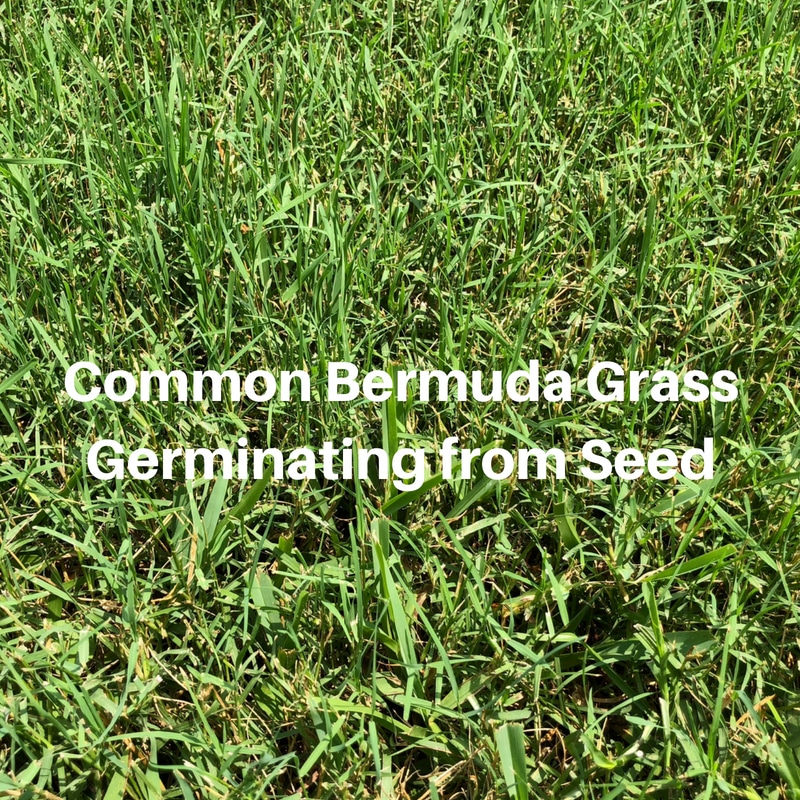
Healthy Bermuda grass leaves are bright green and smooth. The blades feel soft but firm. If the leaves look yellow, pale, or dry, growth is slow. Thin or patchy leaves also show poor health. Good color and texture mean the grass is getting enough nutrients.
Growth Rate Indicators
Bermuda grass usually grows fast in warm weather. Healthy grass grows about 1 to 2 inches per week. If your grass grows very slowly or not at all, it may need more water or sunlight. Slow growth might also mean the soil lacks nutrients or is too compacted.
Root Development
Strong roots anchor the grass and help it absorb water. Healthy Bermuda grass roots are white and spread deep into the soil. Weak or brown roots show stress or poor soil conditions. Check roots by gently digging a small patch. Good root growth supports quick, healthy grass above ground.
Credit: houstonturfgrass.com
Frequently Asked Questions
How Long Does Bermuda Grass Take To Germinate?
Bermuda grass typically germinates within 7 to 14 days after seeding. Warm soil temperatures between 65°F and 75°F speed up germination. Proper watering and soil preparation improve seed sprouting rates significantly.
When Does Bermuda Grass Reach Full Maturity?
Bermuda grass usually reaches full maturity in about 10 to 12 weeks. During this time, it develops a dense, green turf ideal for lawns. Consistent watering and fertilizing help the grass mature faster and healthier.
What Factors Affect Bermuda Grass Growth Speed?
Soil temperature, moisture, and sunlight are key factors influencing Bermuda grass growth. Warm, well-drained soil and regular watering promote faster growth. Poor soil or inadequate care slows down germination and establishment.
Can Bermuda Grass Grow In Cooler Climates?
Bermuda grass prefers warm climates but can survive mild cooler climates. Growth slows significantly below 60°F and may go dormant in cold weather. It’s best suited for USDA zones 8 to 11 for optimal growth.
Conclusion
Bermuda grass grows steadily from seed, often showing sprouts in 7 to 14 days. Warm weather and good soil help speed growth. Regular watering and sunlight boost its progress. Patience is key; it takes a few months to fill in fully.
This grass is tough and recovers well from damage. With proper care, your lawn will become thick and green. Growing Bermuda grass from seed is a smart choice for many yards. Watch it grow, and enjoy a healthy, vibrant lawn soon.
