

Are you wondering how long it takes for Bermuda grass to grow and cover your lawn with lush, green beauty? You’re not alone.
Knowing the growth timeline can help you plan your yard care and enjoy a healthy, vibrant lawn faster. You’ll discover exactly what to expect, from the first signs of growth to a fully established lawn. Keep reading to find out how to speed up the process and get the best results for your outdoor space.
Bermuda Grass Growth Basics
Bermuda grass is a popular warm-season grass. It grows fast and fills lawns quickly. Understanding its growth needs helps you get a healthy lawn. This section covers the basics of Bermuda grass growth. It focuses on the best conditions and soil preparation.
Ideal Growing Conditions
Bermuda grass thrives in warm weather. It grows best in temperatures between 75°F and 95°F. The grass needs full sunlight for at least 6 hours daily. It does not grow well in shade. Watering is important but avoid overwatering. Bermuda grass prefers moderate humidity and good air flow.
Soil Preparation Tips
Prepare soil before planting Bermuda grass. The soil should be loose and well-drained. Remove rocks, weeds, and debris. Test soil pH and aim for 5.8 to 7.0. Add organic matter or compost to improve soil quality. Level the soil for even growth. Firm the soil gently but avoid compacting it.
Seed Germination Timeline
Bermuda grass seed starts its journey under the soil after planting. The seed germination timeline shows how long it takes for the seed to sprout and become visible. Understanding this timeline helps in planning lawn care and watering schedules. It also sets expectations for when the grass will begin to grow.
Several factors can speed up or slow down this process. Each plays a role in how quickly the seed breaks through the soil. Patience and proper care are key during this stage.
Timeframe For Sprouting
Bermuda grass seeds usually sprout within 7 to 14 days. Warm soil speeds up sprouting, often closer to 7 days. Cooler soil can delay it up to two weeks. Sprouts appear as tiny green shoots breaking through the soil surface. Watch closely during this period for signs of life.
Factors Affecting Germination
Soil temperature is the most critical factor for germination. Ideal temperatures range between 75°F and 85°F. Soil moisture must be consistent but not flooded. Dry soil stops growth; too much water causes seed rot. Sunlight helps once sprouts appear but is less vital during germination. Seed quality and planting depth also affect success. Fresh seeds and shallow planting improve germination rates.
Early Growth Stages
The early growth stages of Bermuda grass set the foundation for a healthy lawn. Understanding these stages helps in caring for the grass properly. This knowledge supports faster and stronger growth.
First Few Weeks
Bermuda grass seeds start to sprout within 7 to 14 days. Tiny green shoots appear above the soil. During this time, the grass is very delicate. Watering lightly and often keeps the soil moist. Avoid heavy foot traffic to protect the young grass. Sunlight is important for photosynthesis and energy. Growth may seem slow but steady progress happens.
Root Development
Roots grow quickly beneath the surface in the first few weeks. Strong roots help the grass absorb water and nutrients. Deep roots make the lawn more drought-resistant. Avoid overwatering to prevent root rot. Grass with well-developed roots recovers faster from stress. Healthy root development is key for thick, green Bermuda grass.
Maturation Phase
The maturation phase is a crucial stage in the growth of Bermuda grass. This phase marks the transition from young seedlings to a strong, dense turf. During this time, the grass develops a deep root system and thick blades. Healthy maturation ensures a lush, green lawn that can withstand heat and drought.
Establishment Period
The establishment period starts right after the grass seeds sprout or sod is laid. Bermuda grass needs at least 6 to 8 weeks to establish roots properly. During this time, the grass looks fragile and thin. Watering frequently but lightly helps roots grow deeper. Avoid heavy foot traffic to prevent damage. Patience is key here.
Optimal Growth Rate
Bermuda grass grows fastest in warm temperatures, usually between 75°F and 95°F. It can grow about 1 to 2 inches per week under ideal conditions. Regular mowing helps maintain healthy growth. Fertilizing with nitrogen-rich products boosts blade development. Proper sunlight and water keep the grass vibrant. Growth slows in cooler weather but recovers quickly in spring.
Full Lawn Coverage
Bermuda grass is popular for its ability to cover large areas quickly. Achieving full lawn coverage means having a thick, green carpet of grass. This creates a strong, healthy lawn that resists weeds and erosion. Understanding how long Bermuda grass takes to grow fully helps in planning your lawn care.
Patience and proper care lead to a dense turf. The timeline and maintenance routines play a key role in this process.
Timeline To Dense Turf
Bermuda grass grows fast in warm weather. It usually takes 10 to 14 days to start sprouting. In about 6 to 8 weeks, you can see noticeable growth. Full coverage often happens between 3 to 6 months. This depends on soil quality, sunlight, and watering. Cooler temperatures slow the growth. Faster growth occurs with regular watering and sunlight.
Maintenance For Thick Growth
Frequent mowing encourages Bermuda grass to grow thick. Cut the grass to about 1 to 2 inches tall. Water deeply but less often to promote strong roots. Fertilize every 6 to 8 weeks with a nitrogen-rich fertilizer. Removing weeds helps the grass spread evenly. Aerate the soil once a year to improve air and water flow. Proper care ensures your lawn becomes dense and healthy.

Credit: thegrassoutlet.com
Common Growth Challenges
Bermuda grass grows fast under the right conditions. Yet, several challenges can slow its progress. These challenges affect growth speed and lawn health. Knowing these problems helps you care better for your grass.
Pests And Diseases
Bermuda grass faces many pests. Grubs and armyworms often eat the roots and blades. These pests cause brown patches and weak grass.
Diseases like dollar spot and leaf spot also harm Bermuda grass. They create small dead spots on the lawn. If untreated, these spots grow bigger and kill more grass.
Regular checks help catch pests and diseases early. Treating problems quickly saves your lawn from damage.
Environmental Stressors
Extreme heat and drought stress Bermuda grass. Lack of water makes the grass dry and brittle. It slows growth and can cause the grass to die.
Cold weather also affects Bermuda grass. Frost can damage leaves and roots. Grass may stop growing or die back in winter.
Soil problems like poor drainage or low nutrients reduce growth. Bermuda grass needs good soil to spread well and stay green.
Tips To Speed Up Growth
Speeding up Bermuda grass growth needs smart care. This grass grows fast but still needs the right help. Proper steps can make your lawn green and thick sooner. Focus on two main areas: feeding the grass and watering it right.
Fertilization Strategies
Feed Bermuda grass with a balanced fertilizer. Choose one high in nitrogen for quick green growth. Apply fertilizer in spring and summer for best results. Spread it evenly to avoid patchy growth. Follow package instructions to prevent overfeeding. Avoid fertilizing in cold weather to keep grass healthy.
Watering Best Practices
Water Bermuda grass deeply and less often. This encourages strong root growth. Early morning is the best time to water. It reduces water loss from heat and wind. Avoid frequent shallow watering; it weakens roots. Keep soil moist but not soggy for healthy growth.
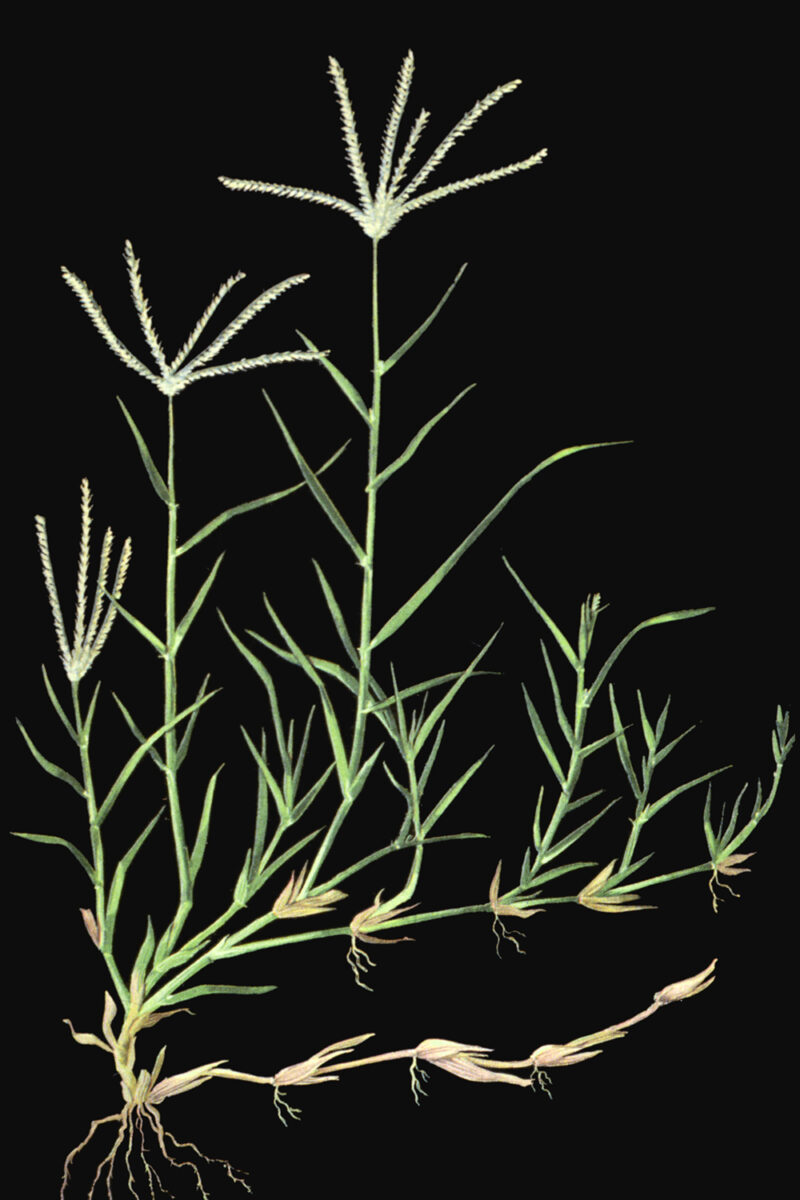
Credit: www.sare.org
:max_bytes(150000):strip_icc()/GettyImages-1257704064-bc64303b209d440da1660384b6cb60a8.jpg)
Credit: www.thespruce.com
Frequently Asked Questions
How Long Does Bermuda Grass Take To Establish?
Bermuda grass typically takes 2 to 3 weeks to sprout. Full establishment may require 2 to 3 months, depending on conditions like soil, water, and temperature.
When Will Bermuda Grass Reach Full Growth?
Bermuda grass usually reaches full growth within 8 to 12 weeks after planting. Warmer temperatures and proper care can speed up this process.
How Fast Does Bermuda Grass Spread?
Bermuda grass spreads quickly through stolons and rhizomes. It can cover a bare patch in about 2 to 3 months under ideal conditions.
What Factors Affect Bermuda Grass Growth Speed?
Soil quality, water availability, sunlight, and temperature greatly affect growth speed. Proper fertilization and maintenance also play crucial roles in healthy, fast growth.
Conclusion
Bermuda grass grows steadily with the right care and conditions. It usually takes about two to three weeks to sprout. Full growth can take several months, depending on weather and soil quality. Water regularly and keep the soil warm for best results.
Patience is key for a lush, green lawn. Keep mowing and watering as it grows. Soon, your Bermuda grass will create a strong, healthy lawn to enjoy all season.
