
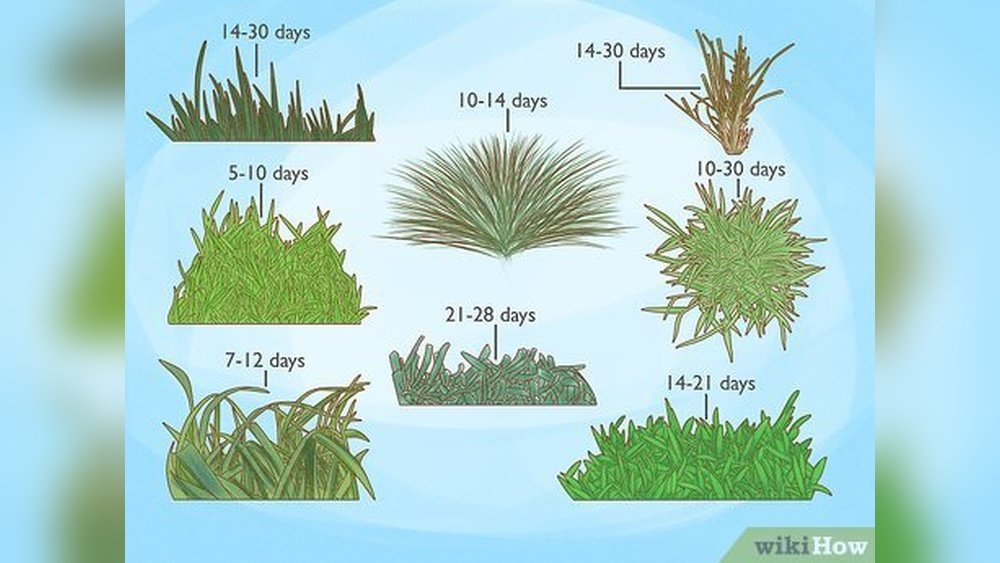
Are you ready to grow a lush, green lawn with Bermuda grass but wondering how long it will take for the seeds to sprout? Knowing the exact time Bermuda grass seed takes to germinate can save you a lot of guesswork and frustration.
You want to see those tiny green shoots appear as soon as possible, right? You’ll discover the timeline for Bermuda grass seed germination and the key factors that can speed up or slow down the process. Keep reading, and you’ll be one step closer to the beautiful lawn you’ve been dreaming of.
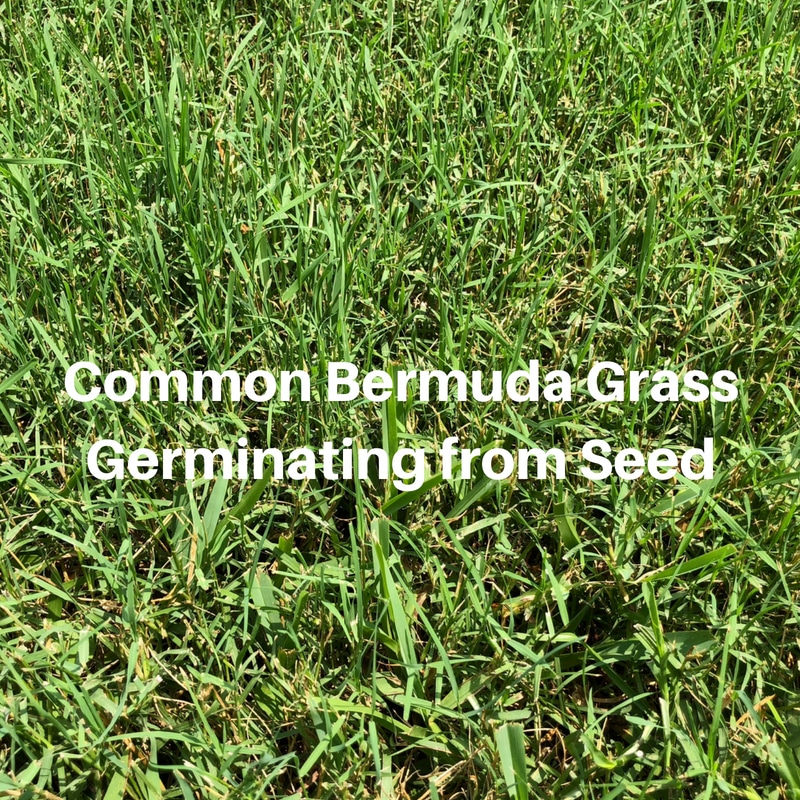
Credit: houstonturfgrass.com
Bermuda Grass Seed Basics
Bermuda grass seed is popular for warm climates and sunny areas. It grows thick, green lawns that handle heat well. Understanding the basics helps you get better results. Knowing the types and ideal planting conditions is key. This knowledge affects how fast seeds sprout and how strong the grass becomes.
Planting Bermuda grass seed requires some care. The right type and conditions make a big difference. Let’s explore the main types of Bermuda grass and what conditions they need to grow well.
Types Of Bermuda Grass
Bermuda grass comes in several types. Common Bermuda is the most used for lawns. It grows quickly and spreads fast. Hybrid Bermuda types are often used on sports fields. They have finer leaves and denser growth. Some types handle drought better than others. Choosing the right type fits your lawn needs.
Ideal Planting Conditions
Warm soil is important for Bermuda seed to sprout. Soil temperature should be above 65°F for good germination. Sunlight is another must; Bermuda grows best in full sun. The soil should drain well but hold enough moisture. Keep the soil moist but not soggy. Plant seeds in late spring or early summer. This timing matches warm soil and longer days. Proper care speeds up seed sprouting and lawn growth.

Credit: thegrassoutlet.com
Germination Timeline
The germination timeline of Bermuda grass seed is important for planning your lawn care. Knowing how long the seeds take to sprout helps you set the right expectations. It also guides you on watering and other early care steps. Germination depends on many things, including weather and soil conditions.
Understanding the timeline helps you watch for early growth signs. It also tells you when to expect a thick, green lawn. Let’s explore the typical germination period and factors that affect the speed of Bermuda grass seed sprouting.
Typical Germination Period
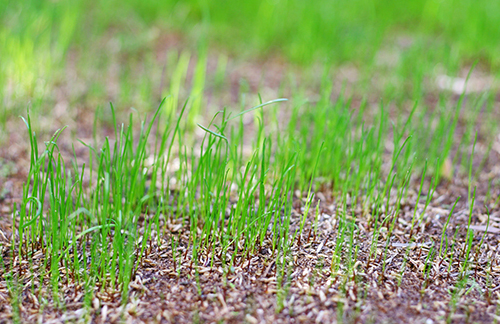
Bermuda grass seed usually germinates in 7 to 14 days. This range depends on the temperature and moisture levels. Warmer soil speeds up germination. The ideal soil temperature is between 75°F and 85°F. At these temperatures, seeds sprout quickly and evenly. Cooler soil slows down the process. In some cases, germination can take up to 21 days.
Factors Affecting Germination Speed
Soil temperature is the main factor influencing germination speed. Warm soil encourages fast seed growth. Moisture is also critical. Seeds need consistent moisture to sprout. Too little water delays germination. Too much water can cause seeds to rot. Soil type affects how water drains and holds heat. Sandy soils warm faster but dry out quickly. Clay soils retain moisture but may stay cooler.
Light exposure plays a smaller role but can affect seed growth. Some Bermuda grass seeds prefer light to germinate well. Seed quality and age matter too. Fresh, high-quality seeds germinate faster. Old or poor-quality seeds may take longer or fail to sprout. Proper planting depth is vital. Seeds planted too deep may struggle to reach the surface.
Soil Preparation Tips
Preparing your soil is key to growing healthy Bermuda grass from seed. Good soil helps seeds sprout faster and stronger. Take time to prepare the ground well before planting. This step makes a big difference in how quickly your grass grows.
Soil Testing
Start with a soil test to check pH and nutrients. Bermuda grass likes soil with a pH between 5.8 and 7.0. Testing shows if the soil is too acidic or alkaline. It also reveals nutrient shortages. Use a simple soil test kit or send a sample to a lab. Knowing your soil’s condition helps you fix problems early.
Amending The Soil
Add materials to improve soil based on test results. Use lime to raise pH if soil is too acidic. Add sulfur to lower pH if soil is too alkaline. Mix in compost or organic matter to boost nutrients and drainage. Break up hard soil to help roots grow easily. Smooth the surface and remove rocks or debris. Well-prepared soil supports faster and healthier Bermuda grass seed germination.
Watering And Care
Watering and care are key to helping Bermuda grass seed germinate well. Proper water helps seeds sprout quickly and grow strong roots. Dry soil stops growth and weakens young grass. Overwatering can also harm seeds and cause disease. Understanding how to water and care for your Bermuda grass seed can speed up germination and improve grass health.
Watering Frequency
Water Bermuda grass seed lightly but often. Aim for 2 to 3 times a day in the first two weeks. Keep soil surface moist but not soaked. Adjust watering based on weather and soil type. Hot, dry days need more water. Cooler or rainy days need less. Reduce watering after seeds sprout and grass grows.
Maintaining Moisture Levels
Keep soil evenly moist to help seeds germinate. Avoid letting soil dry out or stay too wet. Use a fine spray or gentle watering can to protect seeds. Mulch can help keep moisture in the soil. Check soil daily by touch. The top inch should feel damp but not muddy.
Temperature’s Impact
Temperature plays a key role in how fast Bermuda grass seed starts to grow. The right warmth wakes the seed from dormancy. It helps the seed absorb water and begin sprouting. Too cold or too hot slows down this process. Understanding temperature’s impact helps you plant at the best time for quick germination.
Optimal Temperature Range
Bermuda grass seed grows best between 75°F and 85°F. This range gives the seed enough heat to activate enzymes for growth. At these temperatures, seeds often start to sprout in 7 to 14 days. Soil temperature matters too. It should be warm, not just the air. Warm soil helps roots develop quickly. Below 65°F, germination slows or may stop. Above 90°F, seeds can dry out or die.
Effects Of Temperature Fluctuations
Sudden changes in temperature can confuse the seed. Warm days and cold nights slow down growth. Seeds may take longer to sprout or stop growing for a while. Large swings cause stress to young seedlings. Constant temperatures help the seed use energy well. Stable warmth means faster, stronger germination. Watch the weather before planting. Aim for consistent warm days and nights.
Credit: www.thegrassmaster.com
Common Germination Issues
Growing Bermuda grass from seed can be tricky. Many gardeners face problems that slow or stop germination. Knowing common issues helps you fix problems early. This way, you get a green, healthy lawn faster.
Poor Seed Quality
Old or damaged seeds may not sprout well. Seeds lose strength if stored too long or in bad conditions. Buying fresh, high-quality seeds is best. Check the seed package for expiration and purity. Planting poor-quality seeds wastes time and effort.
Pests And Diseases
Insects and diseases attack young seedlings. Bugs like grubs eat seeds or roots underground. Fungal diseases can rot seeds before they grow. Keep soil clean and well-drained to avoid disease. Use natural pest control to protect seedlings gently.
Speeding Up Germination
Speeding up Bermuda grass seed germination helps you enjoy a green lawn faster. Seeds naturally take time to sprout, but some simple steps can quicken this process. Preparing seeds and using natural enhancers gives them a better start. These methods create ideal conditions for seeds to grow strong roots quickly.
Pre-soaking Seeds
Pre-soaking Bermuda grass seeds softens their outer shell. This helps water reach the inside of the seed faster. Soak seeds in warm water for 12 to 24 hours before planting. Do not soak longer to avoid rotting. After soaking, plant seeds immediately in moist soil. This step shortens the germination time by a few days.
Using Growth Enhancers
Growth enhancers boost seed development and speed up germination. Natural products like seaweed extract or humic acid work well. Apply them according to the product instructions. These enhancers improve seed energy and protect young roots. Using them can lead to quicker sprouting and healthier seedlings. Always choose safe, eco-friendly options for best results.
Post-germination Care
After Bermuda grass seed sprouts, caring for it properly helps it grow strong and healthy. The young grass needs gentle treatment to avoid damage. Proper care supports root development and thick turf. Pay close attention to watering, mowing, and feeding the grass.
First Mowing Tips
Wait until the grass reaches about 3 inches tall before mowing. Use a sharp mower blade to avoid tearing the grass. Set the mower to cut only the top third of the grass height. Avoid heavy foot traffic during early growth to prevent stress. Mow regularly to encourage thick, even growth.
Fertilizing Young Grass
Apply a light fertilizer after the grass is about 3 to 4 weeks old. Choose a fertilizer high in nitrogen for good leaf growth. Avoid over-fertilizing, which can harm young roots. Follow package instructions for the correct amount. Water the grass lightly after fertilizing to help nutrients reach roots.
Frequently Asked Questions
How Long Does Bermuda Grass Seed Take To Germinate?
Bermuda grass seed typically germinates within 7 to 14 days under optimal conditions. Warm soil temperatures around 70-85°F speed up germination. Proper watering and soil preparation also ensure faster seed sprouting.
What Affects Bermuda Grass Seed Germination Speed?
Soil temperature, moisture, and seed quality greatly affect Bermuda grass seed germination speed. Warm, moist soil promotes quick growth. Poor soil or drought delays germination. Using fresh, high-quality seeds improves success rates.
Can Bermuda Grass Seed Germinate In Cool Temperatures?
Bermuda grass seed struggles to germinate in temperatures below 60°F. Cooler soil slows down or stops seed sprouting. For best results, plant when soil temperatures consistently stay above 70°F.
How To Speed Up Bermuda Grass Seed Germination?
To speed up germination, keep soil moist and warm between 70-85°F. Use fresh seeds and prepare soil well by removing debris. Lightly cover seeds with soil and avoid heavy watering that can wash seeds away.
Conclusion
Bermuda grass seed usually takes about 7 to 14 days to sprout. Warm soil and good moisture help speed up germination. Keep the soil moist but not soaked. Watch for tiny green shoots to appear. Once germinated, the grass grows quickly.
Patience is key for a healthy lawn. Follow simple care steps to support growth. Soon, your yard will look green and full. Growing Bermuda grass is easy with the right care. Enjoy the process and your lush lawn.
