
Are you eager to see your lawn transform with lush, green Bermuda grass? One of the first questions you might have is: how long does it take Bermuda grass to germinate?
Knowing the answer can help you plan your lawn care better and avoid unnecessary worries. You’ll discover the exact timeline for Bermuda grass seeds to sprout and the key factors that influence this process. By understanding what to expect, you’ll be ready to nurture your lawn confidently and enjoy a beautiful yard sooner than you think.
Keep reading to unlock the secrets behind fast and healthy Bermuda grass germination!

Credit: www.sierravistagrowers.net
Bermuda Grass Basics
Bermuda grass is a popular choice for lawns and sports fields. It grows quickly and handles heat well. Understanding its basics helps you grow healthy grass from seed. Knowing the right conditions speeds up germination and growth.
Grass Type And Climate
Bermuda grass is a warm-season grass. It thrives in hot, sunny climates. It does best in temperatures between 75°F and 95°F. Cooler weather slows its growth and germination. This grass can survive drought but needs sun to grow strong.
Ideal Soil Conditions
Bermuda grass prefers well-drained soil with a sandy or loamy texture. Soil pH should be between 5.8 and 7.0 for best results. Good soil drains water quickly but holds enough moisture. Nutrient-rich soil helps grass seeds sprout faster. Preparing soil before planting makes a big difference.
Germination Timeline
The germination timeline of Bermuda grass shows how fast seeds start growing. This stage is key for a healthy lawn. Knowing the timeline helps plan watering and care. It also sets expectations for when to see green sprouts. Germination speed varies with many conditions. Understanding this timeline makes lawn care easier and more effective.
Typical Germination Period
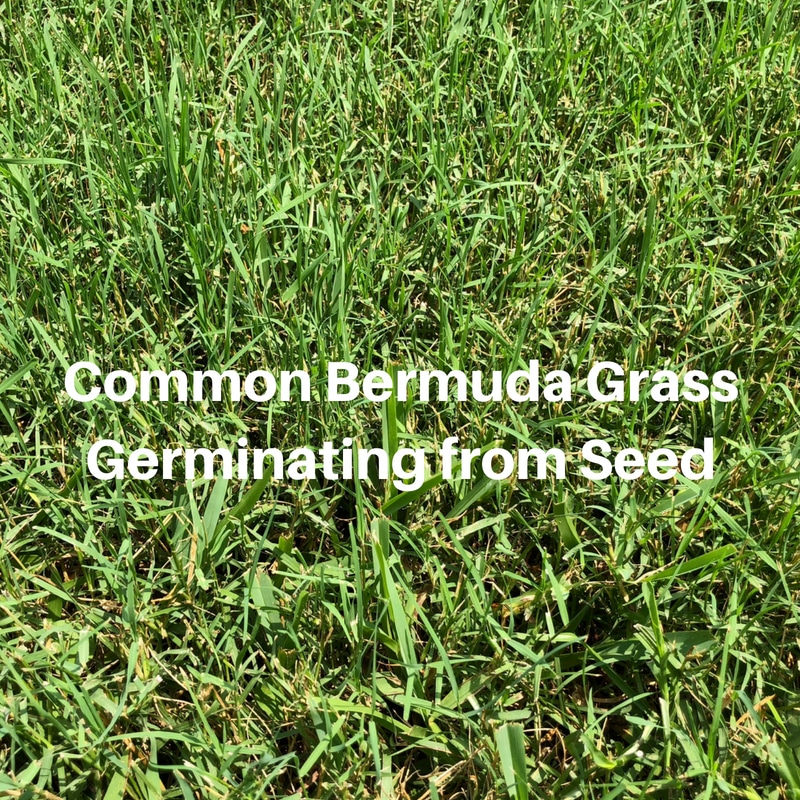
Bermuda grass seeds usually take 7 to 14 days to germinate. During this time, seeds absorb water and start growing roots. Warm soil helps seeds sprout faster. Ideal soil temperature is between 75°F and 85°F. In cooler soil, germination may slow down or stop. After about two weeks, small green shoots appear above ground.
Factors Influencing Speed
Soil temperature greatly affects germination speed. Warmer soil means quicker sprouting. Too cold or too hot soil slows growth. Moisture is important. Seeds need constant moisture but not too much water. Dry soil stops germination. Heavy rain or flooding can harm seeds. Soil type matters as well. Sandy soil drains fast, while clay holds water longer. Both extremes can delay germination. Sunlight also plays a role. Bermuda grass prefers full sun for best growth. Shady areas may slow seedling development.
Preparing For Planting
Preparing the soil and choosing the right seed are key steps before planting Bermuda grass. These steps help the grass grow strong and healthy. Good preparation saves time and effort later.
Proper preparation also improves how fast the grass germinates. It sets the stage for a lush, green lawn. Follow simple tips to get the best results.
Soil Preparation Tips
Start by removing rocks, weeds, and old grass. Clear soil helps seeds get enough sunlight and water. Loosen the top 2 to 3 inches of soil with a rake or tiller. This makes it easy for roots to grow deep.
Check soil pH. Bermuda grass likes pH between 5.8 and 7.0. Adjust pH by adding lime or sulfur if needed. Add compost or organic matter to improve soil nutrients. Water the soil lightly a day before planting seeds.
Seed Selection Advice
Choose high-quality Bermuda grass seeds from a trusted supplier. Look for seeds labeled as “hulled” or “hulled and screened.” These seeds have better germination rates. Pick a seed variety that suits your climate and lawn use.
Use fresh seeds. Old seeds take longer to sprout or may not grow. Buy seeds in small amounts to avoid storing them too long. Store seeds in a cool, dry place until planting day.

Credit: www.wikihow.com
Seeding Techniques
Seeding Bermuda grass requires careful techniques. These methods help the seeds grow well and fast. Good seeding techniques improve germination and create a healthy lawn. Two key factors are seeding depth and watering after seeding.
Proper Seeding Depth
Plant Bermuda grass seeds at the right depth. Too deep, and seeds may not sprout. Too shallow, and seeds can dry out or wash away. A depth of about 1/4 inch is best. Lightly cover seeds with soil or sand. This keeps seeds safe and close to moisture.
Watering After Seeding
Water the seeded area gently but thoroughly. Keep the soil moist, not soaked. Watering several times a day helps seeds stay wet. Stop watering only when seedlings grow strong. Proper watering encourages faster germination and healthy roots.
Speeding Up Growth
Speeding up the growth of Bermuda grass can save time and make your lawn look healthy sooner. Small changes in care and environment help the grass sprout and grow faster. Focus on three key areas to boost growth.
Temperature Management
Bermuda grass grows best in warm weather. Keep soil temperature between 75°F and 85°F. Use mulch or black plastic to warm the soil early in spring. Avoid planting when temperatures are too low. Warm soil helps seeds sprout faster.
Fertilizer Use
Use fertilizer with nitrogen to feed the grass. Apply it after seeds begin to sprout. Avoid too much fertilizer, which can burn young grass. Follow package instructions for best results. Proper feeding helps roots grow strong and quick.
Weed Control
Weeds compete with Bermuda grass for nutrients and water. Remove weeds before planting seeds. Use a safe herbicide if needed, but not right after seeding. Keep the area clean to give your grass space to grow. Less competition means faster growth.
Credit: houstonturfgrass.com
Troubleshooting Germination
Troubleshooting Bermuda grass germination helps ensure healthy growth. Sometimes seeds do not sprout as expected. This section explains common problems and easy solutions. Understanding these issues saves time and effort.
Common Germination Problems
Seeds fail to sprout due to poor soil conditions. Soil too dry or too wet stops germination. Low soil temperature slows seed growth. Planting seeds too deep prevents them from reaching the surface. Old or low-quality seeds may not germinate well. Lack of sunlight or heavy shade also affects growth.
Solutions And Remedies
Keep soil moist but not soggy for best results. Test soil temperature; ideal range is 70-85°F. Plant seeds at the right depth, about 1/8 to 1/4 inch. Use fresh seeds from a trusted source. Prepare soil by loosening it and removing debris. Choose a sunny spot to help seeds grow faster. Water gently with a fine spray to avoid washing seeds away.
Maintaining Young Bermuda Grass
Maintaining young Bermuda grass is key to a healthy lawn. This grass needs care to grow strong and green. Proper steps help it take root and spread well. Focus on mowing and watering habits.
Mowing Tips
Start mowing only after grass reaches 2 inches tall. Cut no more than one-third of the grass blade each time. Keep mower blades sharp to avoid tearing the grass. Mow regularly to encourage thick growth. Avoid mowing too short to prevent stress on young grass.
Irrigation Practices
Water the grass lightly but often during the first weeks. Keep the soil moist without soaking it. Early morning watering reduces evaporation and disease risk. Gradually reduce watering frequency as grass establishes roots. Deep watering helps roots grow strong and deep over time.
Frequently Asked Questions
How Long Does Bermuda Grass Take To Germinate?
Bermuda grass typically takes 7 to 14 days to germinate under optimal conditions. Warm soil temperatures between 65°F and 85°F speed up germination. Proper watering and sunlight also play a crucial role in faster seed sprouting.
What Affects Bermuda Grass Germination Time?
Soil temperature, moisture, and seed quality mainly affect germination time. Cooler temperatures slow down sprouting, while dry soil delays growth. Using fresh, high-quality seeds and keeping soil consistently moist ensures faster and more uniform germination.
Can Bermuda Grass Germinate In Cool Weather?
Bermuda grass struggles to germinate in cool weather below 60°F. It prefers warm conditions to sprout properly. Planting in late spring or early summer ensures ideal temperatures and quicker seed germination.
How To Speed Up Bermuda Grass Seed Germination?
To speed up germination, keep soil moist and warm between 70°F and 85°F. Lightly cover seeds with soil and ensure full sun exposure. Avoid overwatering, which can cause seed rot and delay sprouting.
Conclusion
Bermuda grass usually starts to germinate in about 7 to 14 days. Warm soil and proper watering help speed up the process. Patience is key because growth varies by weather and care. Keep soil moist but not soaked for best results.
With time and attention, your lawn will green up nicely. Watch for small shoots to appear, signaling healthy growth. This simple step leads to a strong, lush Bermuda grass lawn.
