
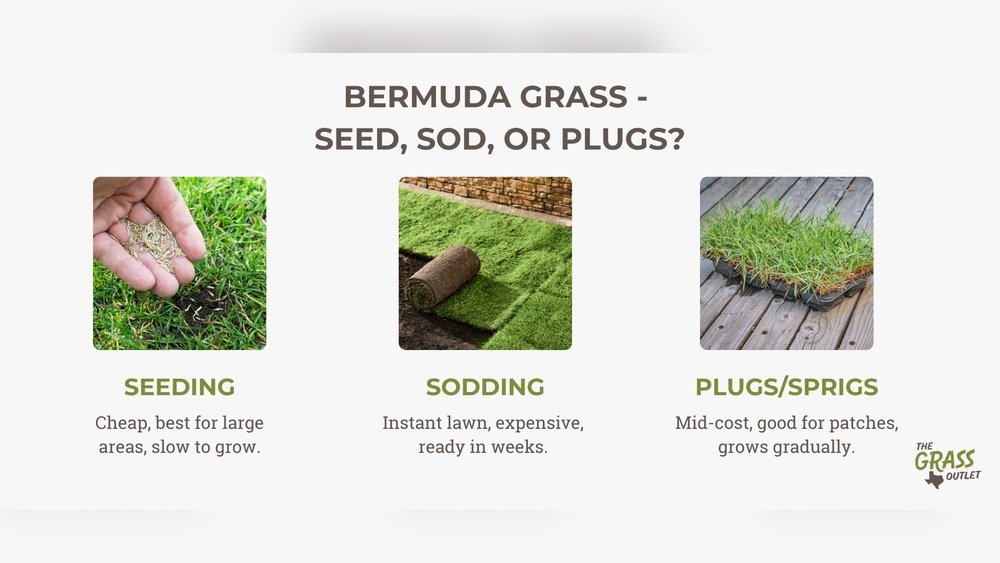
Are you dreaming of a lush, green lawn that stands out in your neighborhood? If you’re thinking about planting Bermuda grass, you’re probably wondering, “How long does it take to grow Bermuda grass?”
Knowing the timeline can help you plan your lawn care and get the best results. You’ll discover the key factors that affect growth speed and what you can do to make your Bermuda grass thrive faster. Keep reading to find out how to turn your yard into the vibrant, healthy space you want—sooner than you think!

Credit: www.youtube.com
Bermuda Grass Basics
Bermuda grass is a popular choice for lawns and sports fields. It grows fast and handles heat well. This grass stays green most of the year in warm climates. Understanding its basics helps you grow it better.
Bermuda grass spreads through seeds, runners, and rhizomes. It forms a thick, dense carpet that crowds out weeds. Knowing the right type and conditions can speed up growth. Let’s explore the key points.
Types Of Bermuda Grass
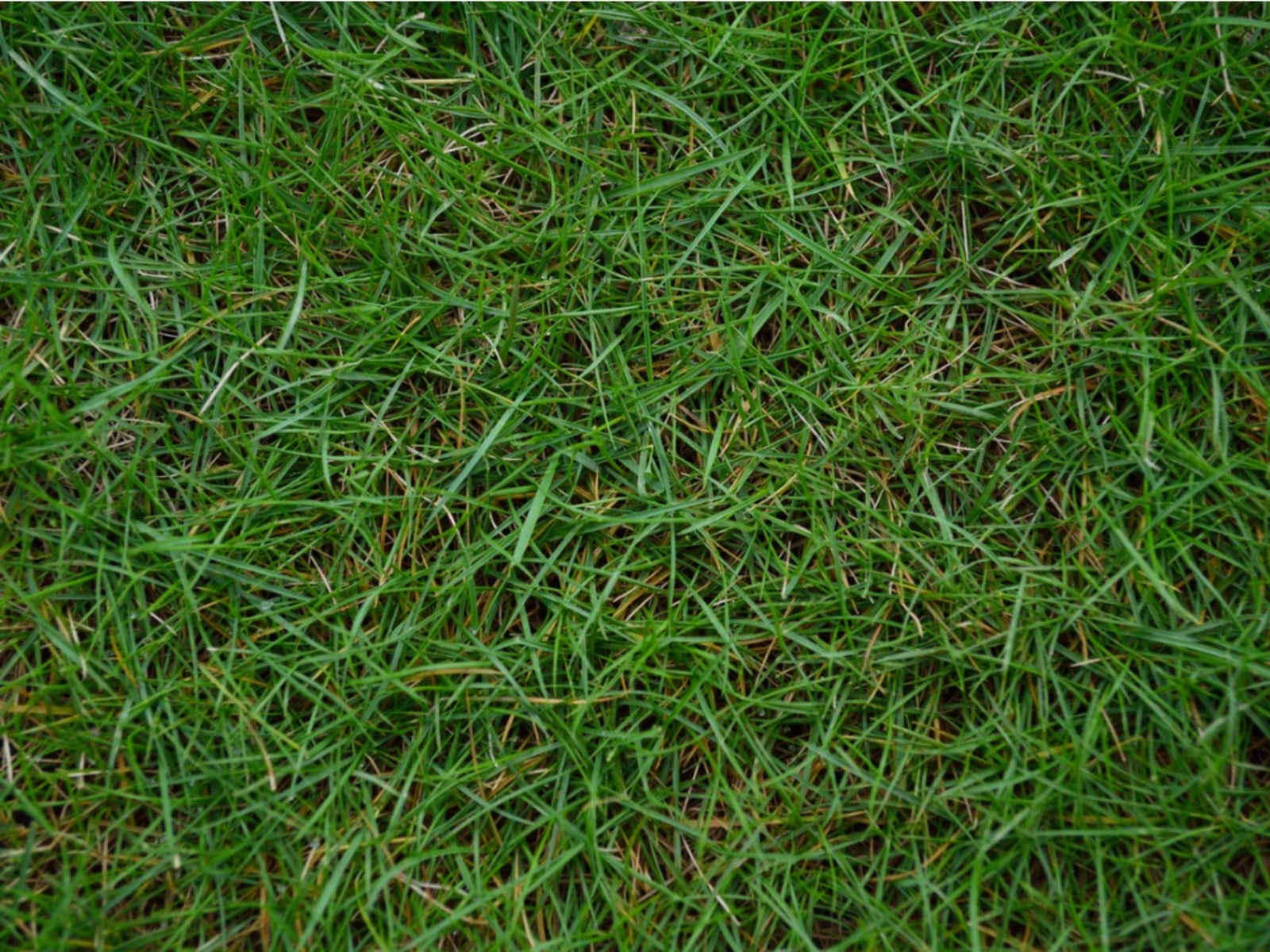
Several types of Bermuda grass exist. Common Bermuda is widely used for lawns. It has fine blades and a soft feel. Hybrid Bermuda grows quicker and looks lush. It is best for sports fields. Tifway and Tifgreen are popular hybrids. Each type suits different needs and climates.
Ideal Growing Conditions
Bermuda grass thrives in full sun. It needs at least six hours of sunlight daily. Warm temperatures between 75°F and 95°F are ideal. This grass prefers well-drained soil with a pH of 5.8 to 7.0. Regular watering helps it grow fast. Avoid shady or wet areas for best results.
Credit: www.gardeningknowhow.com
Growth Stages
Bermuda grass grows through clear stages. Knowing these helps you care for it better. Each stage shows different changes in the grass’s look and strength.
Understanding growth stages helps to know when to water, fertilize, and mow. This leads to a healthy, green lawn faster.
Germination Phase
Seeds start to sprout in this first stage. It takes about 7 to 14 days. The soil must be warm and moist for good germination. Tiny shoots push through the soil surface. This phase is very delicate. Avoid heavy foot traffic or harsh watering.
Seedling Development
Seedlings grow small leaves and roots now. This takes 2 to 3 weeks. The grass looks thin and fragile. Roots spread deeper into the soil. Water often but avoid overwatering. This helps strong root growth. Keep the area free of weeds to avoid competition.
Establishment Period
The grass starts to fill the area. This stage lasts 4 to 8 weeks. Stems grow longer and spread sideways. New shoots form from runners called stolons and rhizomes. Mowing can begin but keep blades high. Fertilize lightly to boost growth. The lawn becomes thicker and greener.
Mature Lawn Formation
Bermuda grass forms a dense, green carpet. This takes about 3 to 4 months. The lawn resists weeds and withstands foot traffic. Roots grow deep for drought tolerance. Mowing becomes regular for a neat look. Fertilize to maintain health. Your lawn is now strong and ready.
Factors Affecting Growth
Several factors influence how fast Bermuda grass grows. Understanding these can help you achieve a healthy lawn sooner. Growth depends on the environment and care you provide. Each factor plays a key role in the speed and quality of growth.
Soil Quality
Good soil supports strong Bermuda grass roots. It should drain well but hold enough moisture. Rich soil with organic matter provides nutrients. Poor soil slows growth and weakens grass. Testing soil pH helps ensure the right balance. Ideal pH for Bermuda grass is between 5.8 and 7.0.
Watering Practices
Watering affects grass growth speed and health. Bermuda grass needs regular watering during dry periods. Deep, infrequent watering encourages deep roots. Shallow, frequent watering leads to weak roots. Overwatering can cause root rot and disease. Adjust watering based on weather and soil moisture.
Temperature And Climate
Bermuda grass thrives in warm temperatures. It grows fastest between 75°F and 95°F. Cooler temperatures slow growth significantly. Frost or freezing temperatures can damage the grass. A warm climate with plenty of sunshine boosts growth. Cold or shady areas delay lawn development.
Fertilization Impact
Fertilizer supplies essential nutrients for Bermuda grass. Nitrogen promotes green, leafy growth quickly. Phosphorus supports root development. Potassium improves stress resistance. Use a balanced fertilizer designed for lawns. Over-fertilizing causes burnt grass and poor growth. Follow recommended rates and timing for best results.

Credit: www.sierravistagrowers.net
Speeding Up Growth
Speeding up the growth of Bermuda grass depends on several key factors. Paying attention to the right conditions helps the grass establish quickly. Healthy, fast growth creates a lush, green lawn sooner. Use simple techniques to boost growth effectively.
Optimal Planting Time
Plant Bermuda grass during warm months. The best time is late spring to early summer. Soil temperatures should be above 65°F (18°C). Warm soil encourages seed germination and root growth. Avoid planting in cold or wet conditions. This slows down growth and can cause seed rot.
Proper Lawn Care Tips
Water Bermuda grass deeply but not too often. Aim for 1 inch of water per week. Mowing regularly keeps the grass healthy and thick. Set mower blades to 1 to 2 inches high. Fertilize with nitrogen-rich fertilizer every 4 to 6 weeks. Aerate the soil to improve air and water flow. These steps help Bermuda grass grow faster.
Pest And Weed Control
Watch for pests like armyworms and grubs. These insects damage grass roots and blades. Use safe pest control methods to protect your lawn. Remove weeds quickly as they compete for nutrients and space. Apply pre-emergent weed control in early spring. Keeping pests and weeds away supports faster Bermuda grass growth.
Common Growth Challenges
Bermuda grass grows fast under good conditions. Sometimes, growth slows down or stops. Problems in the soil or environment cause this. Knowing common growth challenges helps you care for your lawn better. Watch out for these issues to keep your grass healthy and green.
Drought Stress
Bermuda grass needs water to grow well. Without enough water, it turns brown and dry. Drought stress makes grass weak and slow to grow. Water deeply but not too often. Early morning is the best time to water. This helps grass stay green and strong.
Soil Compaction
Soil compaction means the soil is too hard. Grass roots cannot grow well in hard soil. This stops water, air, and nutrients from reaching roots. Heavy foot traffic or machines can cause soil compaction. Aerate the soil to fix this problem. Aeration makes holes in the soil to help roots breathe.
Disease Issues
Bermuda grass can get diseases from fungi or bacteria. Diseases make patches of grass turn yellow or die. Overwatering and poor air flow cause many diseases. Use fungicides if needed and avoid watering late in the day. Keep grass trimmed and remove dead leaves to reduce disease risk.
Maintenance After Growth
After Bermuda grass has fully grown, proper care keeps it healthy and green. Regular maintenance helps the lawn stay thick and free of weeds. It also prevents problems like dry patches or overgrowth. Follow simple steps to maintain your Bermuda grass all year round.
Mowing Guidelines
Cut Bermuda grass often to encourage dense growth. Keep the mower blade sharp for clean cuts. Set mowing height between 1 and 2 inches. Avoid cutting more than one-third of the grass blade at once. Mowing too short weakens the grass and invites weeds.
Irrigation Schedule
Water Bermuda grass deeply but less often. Aim for about one inch of water each week. Early morning watering reduces evaporation and fungal risks. Adjust watering during rainy or dry spells. Avoid overwatering; it can cause root rot and disease.
Seasonal Care
Fertilize Bermuda grass in spring and summer for best growth. Use a balanced fertilizer with nitrogen, phosphorus, and potassium. In fall, reduce watering and stop fertilizing as grass slows. Winter dormancy is normal; the grass may turn brown but recovers in spring.
Frequently Asked Questions
How Long Does Bermuda Grass Take To Establish?
Bermuda grass typically takes 2 to 3 weeks to sprout. Full establishment can take 3 to 6 months depending on conditions like soil, water, and sunlight.
When Will Bermuda Grass Fully Cover My Lawn?
Bermuda grass usually covers a lawn fully within 6 to 8 weeks. Proper care like watering and mowing speeds up the growth process.
How Fast Does Bermuda Grass Grow In Summer?
In summer, Bermuda grass grows rapidly due to warm temperatures. Expect growth of up to 3 inches per week with adequate sunlight and water.
Can Bermuda Grass Grow In Cooler Seasons?
Bermuda grass grows best in warm weather but slows down in cooler seasons. It becomes dormant in temperatures below 50°F and resumes growth in spring.
Conclusion
Growing Bermuda grass takes time and care. Typically, it needs about 2 to 3 weeks to sprout. Full coverage may take several months. Warm weather helps it grow faster. Watering and sunlight play a big role. Patience is key for a lush lawn.
Watch your grass daily and adjust care as needed. Healthy Bermuda grass creates a soft, green carpet. Start now and enjoy a beautiful yard soon.
