
Are you eager to see your Bermuda grass come to life but wondering, “How long will it take to germinate?” You’re not alone. Waiting for grass seeds to sprout can feel like watching paint dry, but knowing exactly what to expect can keep your patience steady and your lawn care on track.
You’ll discover the key factors that influence Bermuda grass germination, so you can plan your gardening routine with confidence. Keep reading, and soon you’ll be one step closer to a lush, green lawn that you can be proud of.
Bermuda Grass Germination Time
Bermuda grass is a popular choice for lawns due to its durability and bright green color. Knowing the germination time helps in planning your lawn care better. Germination time means how long the seeds take to sprout after planting. This period varies based on several factors. Understanding these can help you achieve quicker and healthier grass growth.
Factors Affecting Germination Speed
Temperature plays a big role in how fast Bermuda grass seeds germinate. The ideal soil temperature is between 70°F and 95°F. Seeds germinate slower in cooler soil. Water is also important. Seeds need consistent moisture but not too much water that causes soggy soil. Soil type matters too. Sandy soils drain well and warm up faster, helping seeds sprout quicker. Compacted or clay soils slow down germination. Seed quality affects speed as well. Fresh, high-quality seeds sprout faster than old or damaged ones. Sunlight helps warm the soil and supports seed growth.
Typical Germination Timeline
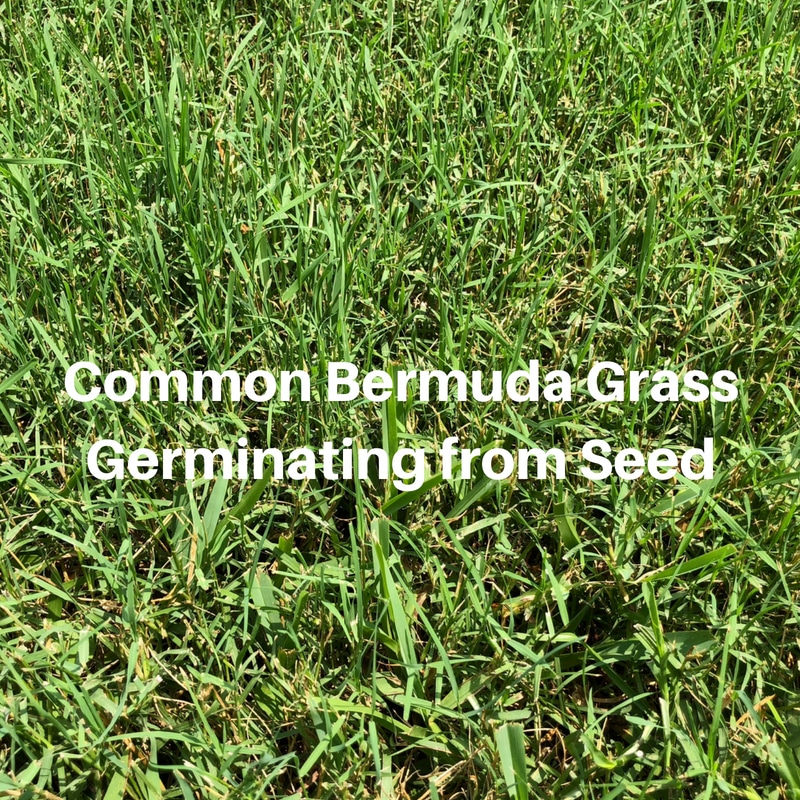
Bermuda grass seeds usually start to sprout within 7 to 14 days. This timeline applies under optimal conditions. If soil temperature is low or moisture is uneven, germination may take up to 21 days. After seeds sprout, the grass takes a few weeks to grow strong blades. Patience is key during this time. Watching tiny green shoots appear is a good sign. Proper care during germination leads to a thick, healthy lawn.
Preparing Soil For Fast Growth
Preparing soil is a key step for fast Bermuda grass growth. Healthy soil helps seeds sprout quickly. It also gives young grass the nutrients and air it needs. Taking time to prepare soil well leads to strong, green lawns.
Focus on soil type, pH levels, and proper aeration. These factors create the best start for Bermuda grass seeds. Let’s explore how to get soil ready for fast germination.
Soil Type And Ph Levels
Bermuda grass grows best in sandy or loamy soils. These soils drain well and warm up fast. Clay soils hold too much water and slow seed growth.
Check soil pH before planting. Bermuda grass prefers a pH between 6.0 and 7.0. This range helps grass absorb nutrients easily. Use a soil test kit to find your soil’s pH. Add lime to raise pH or sulfur to lower it if needed.
Soil Aeration And Drainage
Good soil aeration lets air reach grass roots. This air is important for seed germination and root health. Use a garden fork or aerator tool to poke holes in the soil. It breaks up compacted soil and improves air flow.
Drainage is just as important. Water should flow away from the lawn quickly. Avoid spots where water pools or stays soggy. Poor drainage can cause seed rot and slow growth.
Seeding Techniques For Better Results
Seeding Bermuda grass correctly improves germination and growth. Use the right methods to give your seeds the best chance. Small details in seeding make a big difference. Focus on seed quality and planting technique for healthy grass.
Good seeding helps grass sprout quickly and grow strong roots. Follow simple steps to prepare your soil and plant seeds well. Proper care during seeding reduces problems later and saves effort.
Seed Selection Tips
Choose fresh Bermuda grass seeds with high germination rates. Check the packaging date to avoid old seeds. Pick seeds suited to your climate for better growth. Clean seeds without debris prevent disease and pests. Buy from trusted suppliers for quality assurance.
Proper Seeding Depth And Spacing
Plant Bermuda grass seeds shallowly, about 1/4 inch deep. Too deep planting delays sprouting and weakens seedlings. Space seeds evenly to stop crowding and allow sunlight. Use a rake to cover seeds lightly with soil. Water gently but thoroughly after seeding for moist soil.
Watering Practices To Boost Germination
Water plays a key role in helping Bermuda grass seeds sprout. Proper watering helps seeds stay moist without drowning them. Good watering habits speed up germination and lead to healthy grass growth.
Seeds need a balance of water to start growing roots. Too little water slows sprouting. Too much water can cause seeds to rot. Knowing how much and how often to water improves results.
Watering Frequency And Amount
Water Bermuda grass seeds lightly but often. Aim for watering two to three times daily. Keep the top soil moist but not soggy. Light watering helps seeds absorb moisture evenly.
Reduce watering once seedlings show small green shoots. Water deeply but less often to encourage strong roots. Deep watering helps grass grow deeper roots for dry spells.
Avoiding Overwatering
Too much water can drown Bermuda grass seeds. Overwatering causes seeds to rot or wash away. Avoid puddles or standing water on soil surface.
Watch soil moisture closely. If soil feels soggy, stop watering temporarily. Let soil dry slightly between waterings to keep seeds healthy.
Temperature And Light Requirements
Temperature and light play a big role in how fast Bermuda grass seeds sprout. These factors affect seed germination and early growth. Understanding the best conditions helps you grow healthy grass.
Seeds need warmth to start growing. Light helps young grass plants make food and stay strong. Both must be right for good results.
Ideal Temperature Range
Bermuda grass seeds sprout best in warm soil. The perfect temperature is between 75°F and 85°F (24°C to 29°C). Soil cooler than 65°F (18°C) slows germination. Above 90°F (32°C), seeds may dry out.
Warm soil speeds up sprouting, usually within 7 to 14 days. Cool soil can delay this process for weeks. Keep the soil moist and warm for best results.
Sunlight Needs For Growth
Bermuda grass grows well in full sun. It needs at least 6 to 8 hours of direct sunlight daily. Shade can cause thin, weak grass.
Sunlight helps grass produce energy through photosynthesis. Without enough sun, growth slows and grass looks pale. Choose a sunny spot for planting Bermuda grass seeds.
Credit: houstonturfgrass.com
Fertilizing For Rapid Development
Fertilizing Bermuda grass helps it grow faster and stronger. Good nutrients give seeds energy to sprout quickly. Feeding the soil right also keeps young grass healthy. Knowing the best fertilizer and when to use it matters a lot. This helps your lawn green up soon and stay thick.
Choosing The Right Fertilizer
Select a fertilizer high in nitrogen for Bermuda grass. Nitrogen supports leaf growth and boosts germination speed. Look for fertilizers with a balanced mix of phosphorus and potassium too. Phosphorus helps roots grow deep and strong. Potassium improves stress resistance and overall health. Avoid fertilizers with too much salt, as they can harm seeds.
Fertilizer Application Timing
Apply fertilizer just before or right after planting seeds. This gives nutrients directly to the new grass. Avoid fertilizing too early, which wastes nutrients and can burn seeds. Also, do not wait too long, or grass may grow slowly. Repeat light feeding every 4 to 6 weeks during the growing season. This keeps the soil rich and supports steady growth.
Common Issues And Solutions
Growing Bermuda grass can face some common problems. Knowing these issues helps you fix them fast. This keeps your grass healthy and green. Below are common problems and easy solutions for each.
Pests And Diseases
Pests like grubs and chinch bugs harm Bermuda grass roots. They make grass thin and brown. Check your lawn often for bugs and dead patches. Use natural insecticides or neem oil to control pests safely.
Diseases such as leaf spot and dollar spot cause yellow or brown spots on grass. Water early in the day to keep grass dry at night. Avoid overwatering, which helps prevent fungal growth. Fungicides can treat serious infections.
Weed Control Strategies
Weeds compete with Bermuda grass for water and nutrients. Pull weeds by hand or use a hoe to remove small weeds. Apply pre-emergent herbicides to stop weed seeds from growing.
Post-emergent herbicides kill weeds already growing. Use products safe for Bermuda grass. Mow your lawn regularly to keep weeds low and reduce seed spread. Healthy, thick grass naturally blocks weed growth.
Credit: www.sare.org

Credit: www.wikihow.com
Frequently Asked Questions
How Long Does Bermuda Grass Take To Germinate?
Bermuda grass typically takes 7 to 14 days to germinate under ideal conditions. Warm soil temperatures between 65°F and 85°F speed up the process. Proper watering and sunlight also help seeds sprout quickly and establish healthy growth.
What Affects Bermuda Grass Seed Germination Time?
Soil temperature, moisture, and seed quality mainly affect Bermuda grass germination. Cooler soil slows germination, while dry soil can prevent sprouting. Using fresh, high-quality seeds and maintaining consistent moisture improves germination speed and success.
Can Bermuda Grass Germinate Faster With Special Care?
Yes, proper lawn preparation and optimal conditions can hasten Bermuda grass germination. Aerate soil, keep it moist but not soggy, and ensure temperatures stay warm. Using seed starter fertilizer also encourages quicker and stronger seedling growth.
When Should I Plant Bermuda Grass For Best Germination?
Plant Bermuda grass seeds in late spring to early summer for best results. Soil temperatures should be consistently above 65°F. This timing ensures warm weather, which promotes faster and more reliable seed germination.
Conclusion
Bermuda grass usually takes about 7 to 21 days to germinate. Warm soil and proper watering help speed up growth. Patience is key while waiting for seeds to sprout. Keep the soil moist but not soaked. Avoid heavy foot traffic on new grass.
Watch for green shoots as a good sign. A little care now leads to a lush lawn later. Remember, healthy grass starts with good seed and soil. Stay consistent, and your Bermuda grass will thrive soon.
